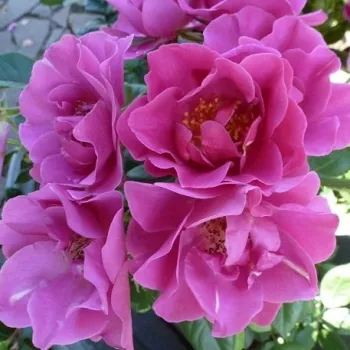
THE ODDFELLOWS ROSE® – purple-pink bedding floribunda rose
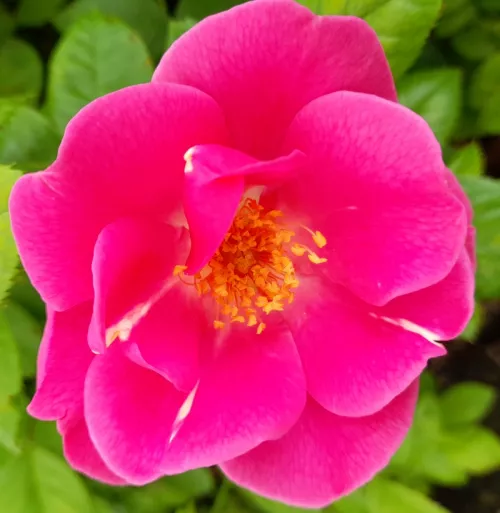
Bring a touch of storybook romance to an everyday family garden with THE ODDFELLOWS ROSE®, a compact, bushy floribunda that settles in reliably even where winds whip in from the coast and rain can linger on the leaves. Its clusters of semi-double blooms glow in an intense purple-pink, edged with a lilac veil that softens towards a gentle mauve blush as the flowers age, creating an ever-changing tapestry above glossy dark foliage. The mild, fruity fragrance and moderate pollinator appeal add quiet life to a bed or border without demanding constant attention. Supplied as a robust own-root plant in a 2‑litre container, it is designed for straightforward planting and long service: first it concentrates on strong roots, then building sturdy shoots, before delivering its full ornamental display from around the third season onwards.
Usage options
| Target area |
Reasoning |
| Front-of-border cottage bed |
The compact, bushy habit and medium height make it ideal for forming an informal front row in a cottage-style border, where its purple-pink clusters read clearly from the patio without blocking taller perennials behind. Own-root growth allows light renovation pruning in future years without fear of losing the variety, which suits gardeners who want a lasting structure with only seasonal tidying – perfect for the busy cottage-loving homeowner. |
| Family flower bed with changing colour interest |
The semi-double clusters open deep crimson-pink, then gently shift to lilac-mauve tones, so a single plant shows several shades at once and keeps a mixed family bed lively even between other peak seasons. Moderate repeat flowering gives colour in flushes rather than demanding deadheading every few days, and own-root resilience means it can be refreshed by harder pruning if children’s play or weather cause damage – ideal for a colour-focused family. |
| Low, traditional flowering hedge |
Planted at hedge spacing, the dense, glossy foliage knits into a leafy screen, while the flower clusters sit neatly on top to mark paths or frame a kitchen garden. The relatively upright, bushy framework is simple to trim once a year, and because the plants are on their own roots, even older hedges can be cut back in stages to regenerate rather than replaced outright – appealing for long-term minded gardeners. |
| Urban front garden or small townhouse plot |
This rose offers a lot of visual impact in a modest footprint, so it suits the short, visible beds of urban front gardens where you want romance and neatness without intricate upkeep. Moderate disease resistance means that with reasonable air circulation and good soil preparation, it will stay attractive under everyday conditions, and own-root durability copes better with occasional neglect – reassuring for the time-poor urban owner. |
| Raised bed on heavier clay soil |
In raised beds where drainage has been improved over heavier clay, the robust root system of an own-root plant beds in steadily and supports flowering year after year, with less worry about graft failure. The moderate maintenance need fits a once-a-week stroll with secateurs rather than detailed routines, and the compact spread makes spacing straightforward for non-expert planters – a practical option for the casual clay-soil beginner. |
| Large containers on patio or terrace |
When grown in a large container of at least 40–50 litres, its bushy shape and repeat clusters create a generous potted display beside seating, while the mild, fruity scent is noticeable without being overpowering in a small space. Own-root structure gives better long-term stability in pots that may dry or cool unevenly, and plants can be rejuvenated by repotting and pruning rather than replaced – well suited to container-focused gardeners. |
| Mixed planting with soft cottage perennials |
The sophisticated purple-pink and lilac tones blend beautifully with silvers, soft blues and whites, helping to unify a border of herbaceous perennials and traditional cottage favourites. Its moderate height lets it sit comfortably amongst salvias, hardy geraniums and low nepeta, with the glossy foliage giving a permanent green backdrop even when perennials are cut back, so the border never looks bare – attractive for romantic-style planting. |
| Pollinator-friendly family corner |
The semi-double flowers leave some stamens accessible, drawing a modest but noticeable number of bees and hoverflies during warm spells, which adds movement and interest for children without turning the area into a heavy insect hotspot. As an own-root shrub that handles rainy, breezy spells common in many family gardens, it maintains structure and bloom without elaborate spraying schedules – a balanced choice for wildlife-curious families. |
Styling ideas
- Kitchen-garden edging – Line vegetable beds with a loose row of THE ODDFELLOWS ROSE® for a romantic, productive plot framed by long-lived flowering shrubs – for traditional food-growers who like ornament and order.
- Pastel cottage mix – Combine with pale foxgloves, nepeta and white campanulas to echo its mauve-tinged blooms and create a soft, layered cottage border – for homeowners seeking gentle colour harmony.
- Front-garden welcome – Flank a short path with paired plants under a low box or lavender edging, using the bushy habit as a colourful greeting – for those wanting impact from the street with minimal fuss.
- Patio focal pot – Grow a single shrub in a 50‑litre terracotta container, underplanted with trailing thyme, to enjoy repeat clusters and mild scent near seating – for balcony and terrace users short on ground space.
- Family play-border – Set a band of these roses behind a low lawn edge, backed by taller shrubs, to give durable colour that tolerates the odd football – for families needing beauty that forgives everyday wear.
Technical cultivar profile
| Parameter |
Data |
| Name and registration |
Floribunda bedding rose; registered as FRYriviera, marketed as THE ODDFELLOWS ROSE®; ARS exhibition name The Oddfellows Rose; commemorates 200 years of the Oddfellows society. |
| Origin and breeding |
Bred by Gareth Fryer, Fryer’s Roses, Knutsford, Cheshire, United Kingdom; introduced 2011 by Fryer’s Roses and Fryer’s Nurseries Ltd.; precise parentage is not recorded. |
| Growth and structural characteristics |
Medium-height, bushy shrub approximately 95–125 cm tall and 60–90 cm wide, with dense, dark green glossy foliage and slight prickliness; forms a compact, upright bedding rose for structured planting. |
| Flower morphology |
Semi-double, cupped floribunda clusters, 13–25 petals per bloom, medium-sized flowers around 4–7 cm across; good repeat flushes with a generous second flowering under normal garden conditions. |
| Colour data and phenology |
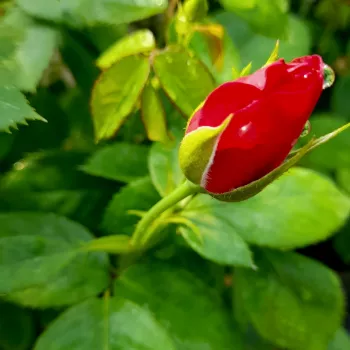
Intense crimson-pink with lilac veiling; buds deep crimson-pink, maturing to purple-pink with silvery-mauve edges; ARS Mb, RHS 67B outer, 65A inner; colour fade moderate, gaining a soft lilac tinge over time. |
| Fragrance and aroma |
Mild, restrained scent with a fresh, fruity character; fragrance is noticeable at close range in still air but not overpowering, suiting seating areas and smaller gardens where subtlety is preferred. |
| Hip characteristics |
Produces spherical red hips, approximately 7–13 mm in diameter, in moderate quantities; hips extend the season with discrete autumn interest and can be left for wildlife or removed during routine pruning. |
| Resistance and winter hardiness |
Hardy to approximately −26 to −23 °C (RHS H7, Swedish Zon 4, USDA 5b); disease resistance moderate to powdery mildew, black spot and rust, benefiting from standard good hygiene and site selection. |
| Horticultural recommendations |
Best in sunny sites with well-prepared soil; ideal for beds, edging, low hedges, parks and urban green spaces; plant 45–85 cm apart depending on use, at roughly 3.6–4.2 plants per square metre for mass bedding. |
THE ODDFELLOWS ROSE® offers sophisticated purple-pink clusters on a compact, long-lived own-root shrub that suits containers and cottage beds alike, making it a thoughtful choice if you value enduring, easy colour in your garden.