TAXANDRIA – cream-coloured park rose - Vissers
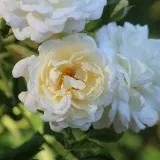
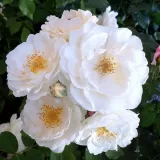
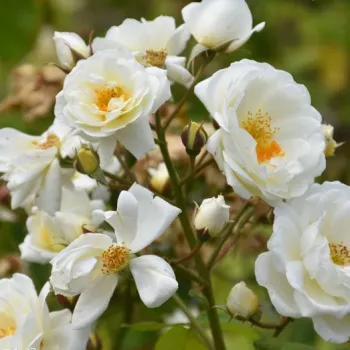
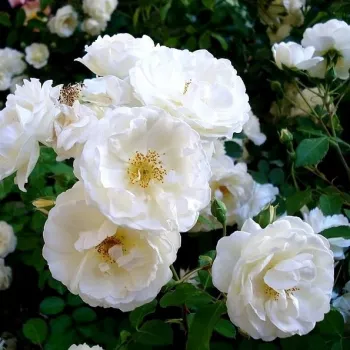
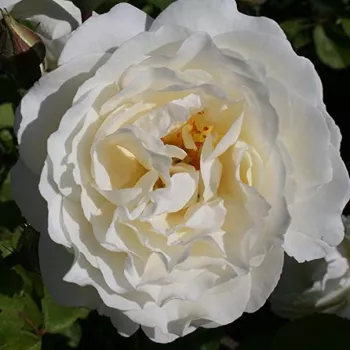
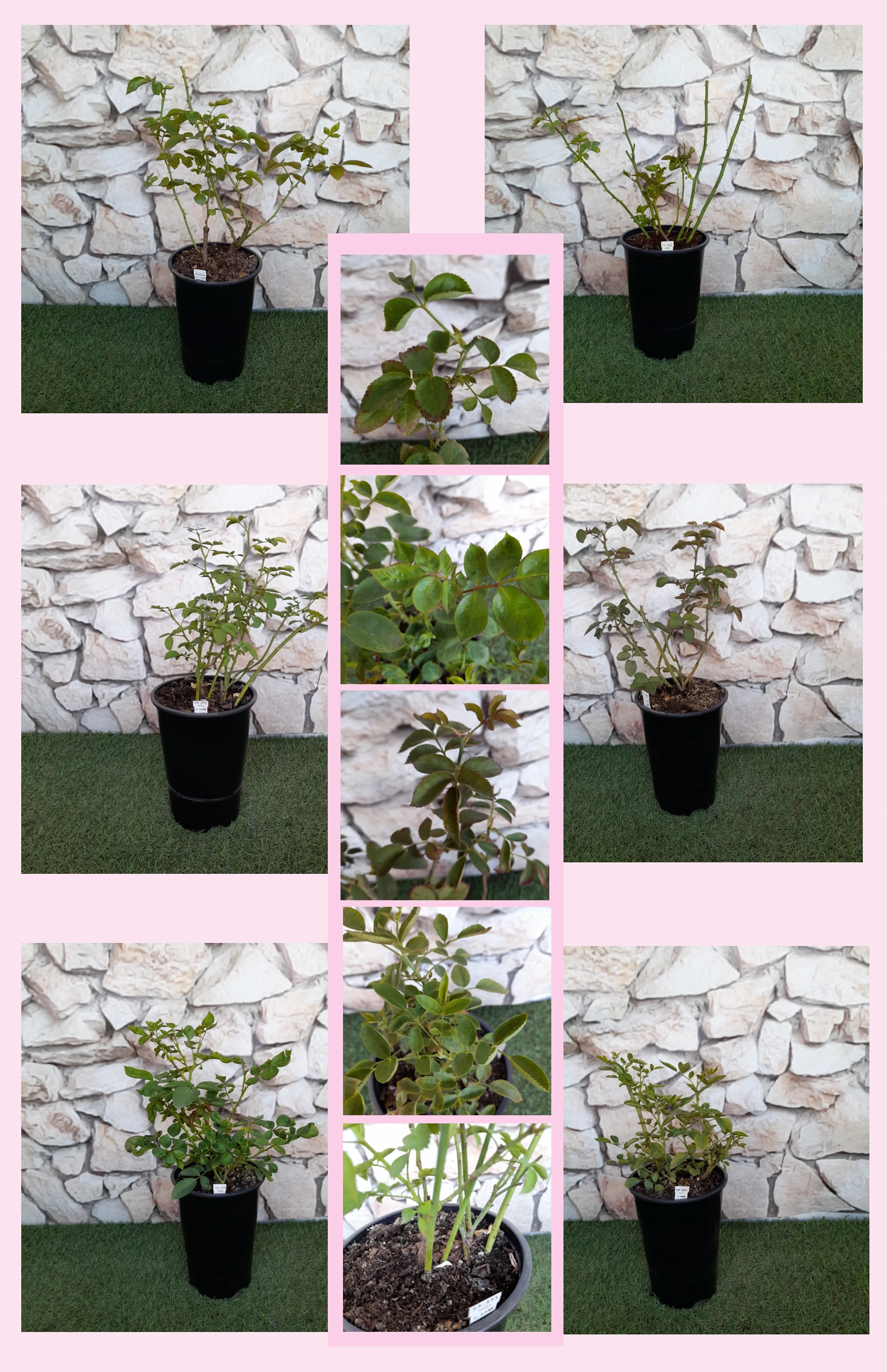
With its soft, cream-coloured blooms and upright, gently arching habit, TAXANDRIA creates a romantic focal point that sits perfectly in a cottage-style family garden, echoing the feel of afternoon tea beneath a rose-covered arbour. Semi-double flowers reveal golden stamens, offering a subtly honeyed fragrance and an inviting landing place for bees and other pollinators, bringing gentle movement and life to your borders. As an own-root shrub, it builds strength steadily, rewarding patient gardeners with dependable structure and blossom over many years. Plant it where air can circulate freely and soil drains well, an easy way to cope with persistent coastal humidity and summer showers. Its sizeable presence suits mixed hedges and looser “girly” planting schemes, weaving cream-toned flowers through grasses and perennials for a storybook cottage feel. In the first seasons it focuses on rooting, before maturing into a full, flower-laden shrub – a natural, gradual development that fits how most family gardens grow and change over time, making your investment feel genuinely lasting yet pleasingly effortless to live with.
Usage options
| Target area |
Reasoning |
| Romantic cottage-style hedge along a lawn or path |
TAXANDRIA’s upright, park-shrub stature and dense foliage create a soft, storybook hedge that feels airy rather than oppressive. Cream flowers sit beautifully against dark green leaves, giving a traditional cottage look without relying on intense colours. Suitable spacing makes trimming straightforward, or you may simply allow a loose, informal outline to develop. Ideal for those seeking a romantic boundary feature in a family setting, especially beginners. |
| Feature shrub near a seating area or terrace |
The medium-height, upright habit makes it easy to place beside a bench or patio without blocking light, while the mild, honeyed scent is pleasant at close quarters but never overpowering. Semi-double blooms repeat well, so you enjoy creamy flowers through the season when you sit outside. This makes TAXANDRIA an inviting, atmospheric choice for relaxed afternoon tea corners designed for homeowners. |
| Mixed border with airy, naturalistic structure |
Hybrid Musk ancestry gives a branching, lightly arching framework that blends seamlessly with ornamental grasses and informal perennials. Plant alongside switchgrass, catmint or low baby’s breath to echo its colour and texture. Over a few seasons, the own-root shrub forms a reliable backbone, subtly adding height and structure. Well suited to naturalistic schemes planned by style-conscious gardeners. |
| Pollinator-friendly family garden planting |
Semi-double, cup-shaped blooms expose pollen-rich stamens that attract bees and other insects, making TAXANDRIA a good fit for wildlife-aware gardens. Cream flowers read clearly from a distance, while the shrub’s generous flowering helps sustain visual interest for children and visitors alike. Best for those wanting a romantic look while quietly supporting garden nature. |
| Low-maintenance, long-perspective planting plan |
As an own-root rose, TAXANDRIA does not rely on graft unions, so it has good potential for long-term regeneration and recovery from harder pruning or weather damage. Once established, it provides a stable outline and dependable flowering for many years. This suits planting plans where you prefer to rework borders gradually rather than replant frequently, particularly for time-pressed families. |
| Coastal or exposed suburban gardens with wind and rain |
The strong, upright framework and dense foliage help it anchor visually and structurally in breezier plots. Planted in raised beds or improved soil with good drainage, it copes better with repeated rain and brisk winds, supporting sustainable growth even in challenging spots. This is reassuring for those gardening in showery, breezy regions and coastal areas. |
| Seasonal focal point with year-round structural presence |
Though the flowers are the main attraction, TAXANDRIA’s bushy, dark green canopy and moderately thorny stems give year-round shape. In late season, small, spherical red hips add a further decorative note. This makes it a satisfying choice where you want a mixed border or hedge to look considered even outside peak bloom, especially valued by visually focused owners. |
| Future-proof planting for maturing family gardens |
The own-root form is well suited to long-term projects: the first year emphasises root establishment, the second brings noticeably stronger shoots, and by the third season the shrub reaches its full ornamental impact. Over time it can be refreshed by harder pruning without losing character, appealing to planners who think in multi-year phases, such as forward-looking buyers. |
Styling ideas
- Cottage-Romantic Hedge – Plant a loose row along a front path, underplant with catmint and low baby’s breath, and allow TAXANDRIA to form a soft, storybook screen – suited to lovers of traditional cottage kerb appeal.
- Tea-Garden Corner – Place one or three shrubs near a bistro set on a small terrace, pairing with lavender in pots to enjoy gentle scent and pale blooms as a relaxed backdrop – ideal for urban homeowners with compact patios.
- Grasses-and-Roses Drift – Weave TAXANDRIA through clumps of switchgrass and airy perennials, letting its cream flowers float above textured foliage for a light, modern-meets-romantic border – perfect for fans of naturalistic planting.
- Wildlife-Friendly Nook – Combine with single-flowered herbs and simple perennials to create an insect-attracting area where bees work the open stamens all summer – attractive to families keen to encourage garden pollinators.
- Kitchen-Garden Frame – Use a short informal hedge of TAXANDRIA to edge raised vegetable beds, giving structure, flowers and hips around productive plots – appealing to those who like a pretty yet practical kitchen garden.
Technical cultivar profile
| Property |
Data |
| Name and registration |
Hybrid Musk park rose; registered as VIScampina and marketed as TAXANDRIA – cream-coloured park rose – Vissers, a shrub rose for beds, hedges and landscape use. |
| Origin and breeding |
Bred by Martin Vissers for Viva International BVBA in Belgium from Echo × Alden Biesen; introduced in 2009 by Viva International BVBA, with a focus on shrub and park plantings. |
| Awards and recognition |
Highly decorated shrub rose: multiple gold medals at Baden-Baden and Monza, special prize from Baden-Württemberg, Rose of the Year at Monza, and an Excellence Roses certificate in 2019/2020. |
| Growth and structural characteristics |
Medium-tall shrub reaching about 110–170 cm high and 90–150 cm wide, with an upright habit, dense, glossy dark green foliage and moderate prickles, forming a full, park-style framework. |
| Flower morphology |
Semi-double, medium-sized cup-shaped blooms with roughly 13–25 petals, carried in clusters on branching stems; remontant habit with an abundant second flush under suitable care and feeding. |
| Colour data and phenology |
Buds open from pastel buttery yellow to soft cream-white, often with a pale cool tone; colour lightens to near snow-white, sometimes with faint pink edging, and can fade in strong sun over time. |
| Fragrance and aroma |
Mild, sweet, honeyed fragrance that is noticeable at close range without being overwhelming; semi-double, open form is considered attractive to pollinating insects, adding functional garden interest. |
| Hip characteristics |
Produces modest numbers of small, spherical red hips about 6–10 mm across, adding a discreet seasonal accent to the shrub in late summer and autumn when flowering begins to reduce. |
| Resistance and winter hardiness |
Very susceptible to major fungal diseases, requiring regular preventive treatments; hardy to approximately −26 to −23 °C (RHS H7, USDA 5b, Swedish zone 4) with appropriate cultural care. |
| Horticultural recommendations |
Prefers fertile, well-drained soil and good air movement; suitable for beds, hedges and park plantings, with 95–110 cm spacing in groups and deeper watering during warm, dry spells as needed. |
TAXANDRIA combines creamy, romantic blooms, a quietly structural shrub habit and long-perspective own-root planting potential, making it an elegant choice for gardeners planning a lasting cottage-style border or hedge.