TARA™ – orange-red landscape shrub rose – Tanjga
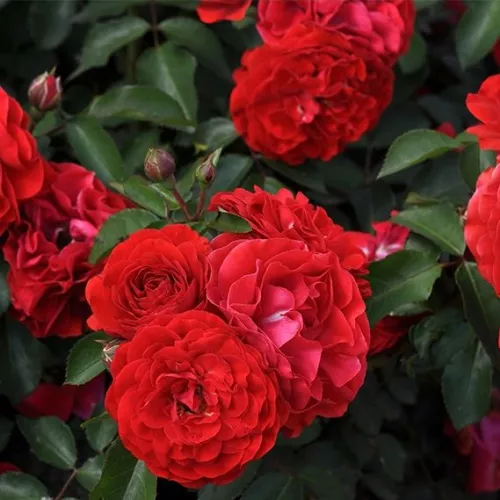
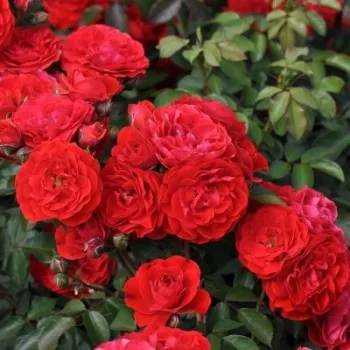
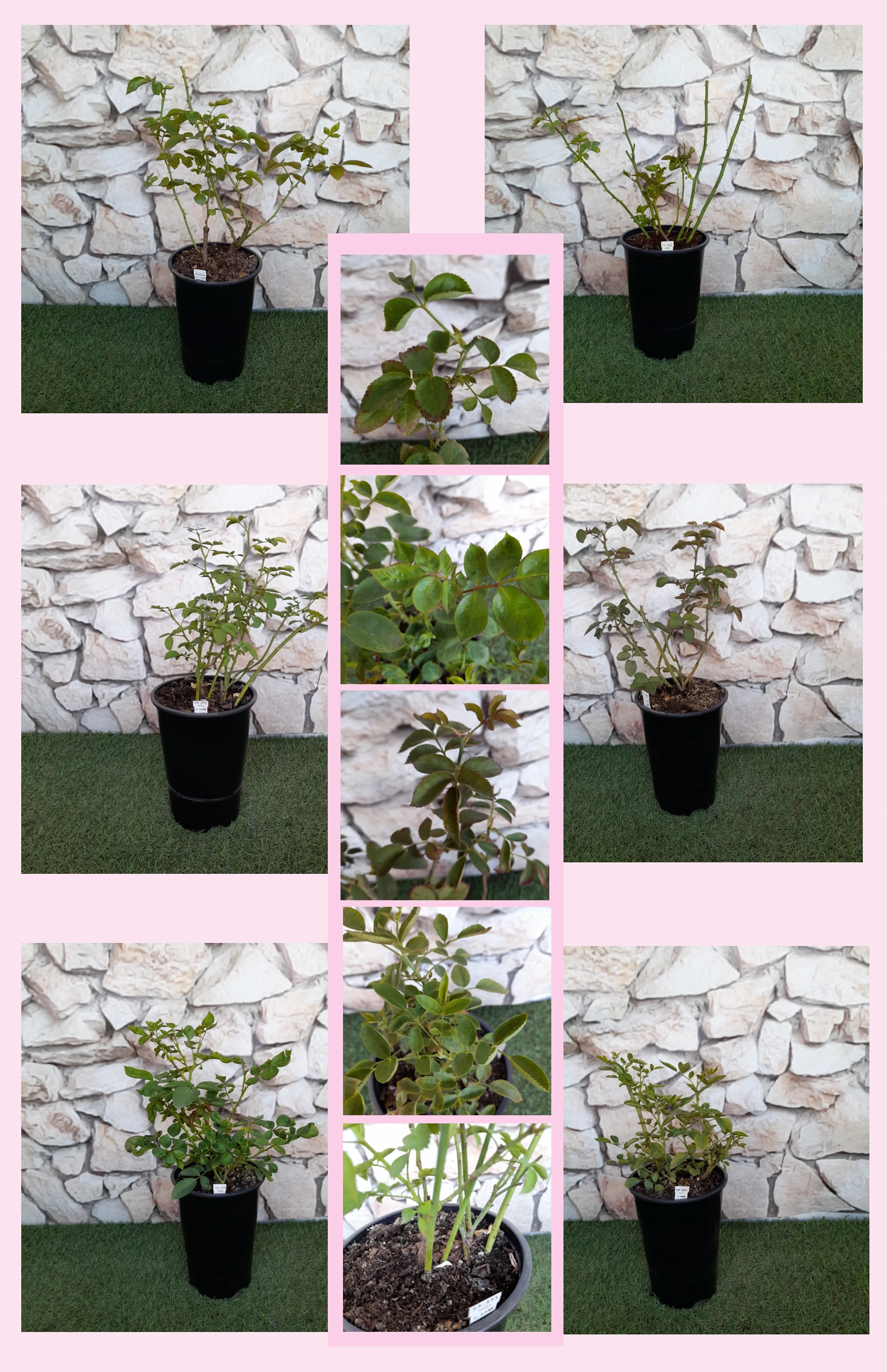
With its compact habit and glowing orange-red blooms, TARA™ settles neatly into modest family plots, creating a relaxed country feel even where space is tight and winds can sweep in from the coast, demanding good anchoring and steady performance. In a small bed or along a path, this rose’s ball-shaped clusters bring a gently romantic note to summer, softening paving, fences and play areas alike. Planted as a low hedge or in a generous container, it helps you stage those storybook moments – afternoon tea beside a kitchen garden, or a quiet seat framed by cottage-style colour. Its compact habit makes it simple to place and to keep in scale with the house and terrace, while the dense foliage provides a reassuring green backdrop once the petals fall. As an own-root plant, it offers reassuring longevity and the capacity to regrow from its own wood after winter or pruning, protecting the investment you make in your garden. Through the natural development arc – year one focusing on roots, year two on shoots, and year three bringing full ornamental value – you can watch a small, manageable shrub become a dependable feature in borders and mixed plantings. Its continuously repeating blooms give long-season interest, and the warm palette sits beautifully with traditional brick, gravel and vegetable beds, adding a subtle structure that ties the whole garden picture together.
Usage options
| Target area | Reasoning |
|---|
| Front-of-border feature in a family cottage bed |
The compact, rounded structure stays within 35–55 cm, ideal for the front of a mixed border without overwhelming herbs or perennials, while repeat clusters provide ongoing focal colour near seating and play areas for beginners. |
| Low flowering hedge along paths or driveways |
Recommended spacings allow you to create a neat, low hedge that guides movement and frames the house, with dense foliage giving a defined line and ball-shaped flowers adding softness for homeowners. |
| Statement containers on patios and small terraces |
Used in large pots of at least 40–50 litres, its compact habit and dense growth suit busy households needing structure and colour on hard landscaping, with own-root resilience supporting long-term container culture for urbanites. |
| Colour accent in kitchen gardens and utility areas |
The warm orange-red flowers combine well with vegetables and herbs, bringing a “girly” cottage feel to productive spaces and lifting sheds, compost corners or water butts that benefit from a softer visual link for cooks. |
| Small-group planting for a vibrant cottage-style drift |
Planted in little groups within an average-sized garden, the repeating clusters form a low, colourful drift that helps create an English countryside feel without complex design, building confidence for hobby-gardeners. |
| Mass planting in front gardens and street-facing beds |
Close planting densities allow a unified, tidy look along boundaries, while the compact shrubs anchor well in exposed positions where wind and wet weather test planting schemes, reassuring cautious buyers. |
| Mixed shrub borders with evergreen structure |
Works neatly with compact evergreens like cherry laurel or Ceanothus, using its small stature and dense canopy to weave colour through existing greenery and refresh older plantings for traditional-style families. |
| Long-term garden framework for low-intervention planting |
As an own-root shrub, it rebuilds from its own wood and maintains shape over the years, giving a stable backbone that tolerates simple, flexible pruning while still flowering reliably for time-poor gardeners. |
Styling ideas
- Cottage-hedge – Plant a low, loose hedge of TARA™ edging a lawn or path, underplant with catmint and low geraniums to soften the line – ideal for families wanting an informal English cottage entrance.
- Kitchen-nook – Combine TARA™ with rosemary, chives and salad leaves beside a patio table, using its warm blooms to link productive beds with the seating area – suited to home cooks who enjoy garden-to-table suppers.
- Pot-parlour – Grow one or three shrubs in 40–50 litre terracotta containers with trailing thyme and violas, framing French doors or a balcony – perfect for urban households seeking romance without large borders.
- Evergreen-frame – Thread TARA™ between compact cherry laurel and low New Zealand flax, letting its clusters pop against year-round foliage – for those refreshing an existing, mostly green shrub border.
- Front-garden-drift – Mass-plant a small area near the street with repeating groups, echoing colours in brickwork or gravel for a coordinated frontage – attractive to owners who value tidy kerb appeal.
Technical cultivar profile
| Parameter | Data |
|---|
| Name and registration |
Modern shrub rose, landscape shrub; registered as BOZreka024, marketed as TARA™ Reka® BOZreka024; part of the Reka® collection for compact decorative planting. |
| Origin and breeding |
Bred by Biljana Božanić Tanjga at PhenoGeno Roses, Serbia; parentage not disclosed; registered in 2023 and introduced after 2023 for modern landscape use. |
| Growth and structural characteristics |
Compact, rounded shrub 35–55 cm in height and spread, moderately thorny, with dense, mid-green, slightly glossy foliage forming a low, structured mound in beds or containers. |
| Flower morphology |
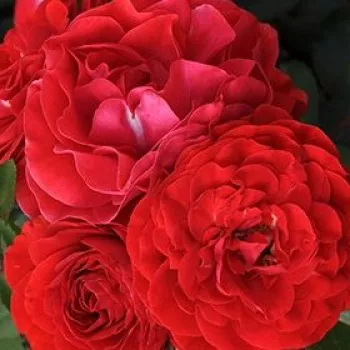
Double flowers with 26–39 petals, ball to pompon shaped, borne in clusters; large bloom size for the plant’s scale, with abundant remontant flowering including a strong second flush. |
| Colour data and phenology |
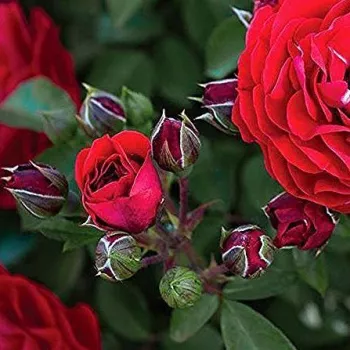
Vibrant orange-red with slight red dominance; buds deep and saturated, opening bright then fading to pinkish-orange pastel with paler rim and centre, while retaining generally good colour persistence. |
| Fragrance and aroma |
Very weak rosy scent, only subtly perceptible at close range; selected primarily for ornamental and landscape effect rather than for strong fragrance or use in scented products. |
| Hip characteristics |
Limited hip set expected due to double blooms; occasional small spherical hips, around 6–10 mm, in orange-red tones, providing modest late-season decorative interest where formed. |
| Resistance and winter hardiness |
Hardy to approximately −21 to −18 °C (RHS H7, Swedish Zone 3, USDA 6b); very susceptible to powdery mildew, black spot and rust, requiring regular monitoring and timely plant protection. |
| Horticultural recommendations |
Best in well-prepared beds or large containers; ensure good drainage and consistent feeding; allow 25–50 cm spacing depending on hedge, mass or solitary use, with attentive disease management. |
TARA™ offers compact structure, long-season colour and enduring own-root resilience, making it a considerate choice for gardeners seeking a small yet lasting cottage-style rose.