VARIEGATA DI BOLOGNA – pink landscape shrub rose – Massimiliano Lodi
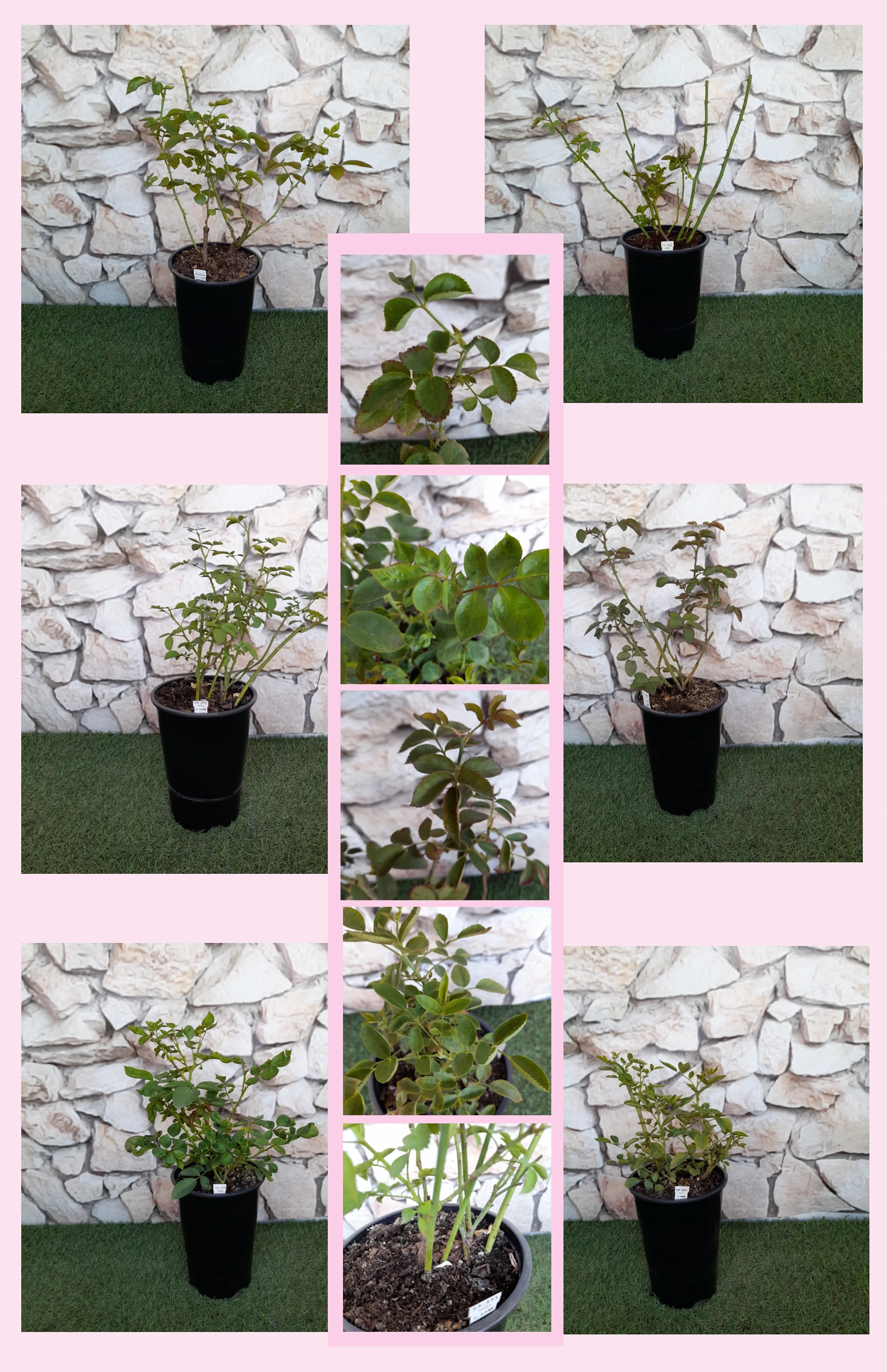
With its storybook striped blooms and rich perfume, VARIEGATA DI BOLOGNA brings an atmosphere of afternoon tea and cottage-garden cosiness to even a modest family plot. This historic Bourbon shrub rose can be grown as a free-standing shrub or lightly trained as a short climber on an arch or trellis, letting you enjoy its marbled pink-and-cream flowers at eye level. Once rooted in, its own-root structure supports a long-lived, reliable framework that regenerates steadily from the base, retaining ornamental value even after harsher winters. It is best sited where soil drains freely despite local rainfall, helping it cope with damp British seasons while foliage stays drier and more comfortable. Over time its bushy, upright habit gives a settled, romantic backdrop to perennials and herbs, especially in relaxed, “girly” borders that echo an old English farmhouse. From the first season it starts to knit in, and within three years the root, shoot and flowering display mature into the full cottage-garden picture.
Usage options
| Target area |
Reasoning |
| Feature rose in a small cottage-style front garden |
The upright, bushy habit gives strong structure without overwhelming a small plot, while the once-a-year flush of boldly striped blooms creates a memorable focal point by the path or gate. Planted on its own-root, it develops into a durable, long-lived feature with minimal complicated care, suiting beginners. |
| Short climber on an arch, arbour or trellis |
Light training onto an arch or narrow trellis makes good use of its flexible, upright shoots, bringing scented flowers closer to eye and nose level for summer seating or “afternoon tea” corners. The own-root system anchors it securely and lets you renovate older stems confidently over time, ideal for homeowners. |
| Informal flowering hedge or loose boundary row |
Planted at hedge spacing, its dense foliage and thorny stems form a characterful, lightly defensive boundary with a spectacular striped display in season. Because it grows on its own roots, gaps from winter damage or older wood can refill from the base, keeping the line cohesive for decades, reassuring for families. |
| Mixed cottage border with perennials and herbs |
The marbled pink-and-cream flowers pair beautifully with old-fashioned border plants such as lady’s mantle, coneflowers and asters, anchoring a romantic “girly” scheme. Its repeat structure, even without repeat flowering, gives year-round framework while the own-root base steadily thickens into a stable, low-fuss backdrop for cottage-lovers. |
| Larger containers on terrace or courtyard (40–50 L+) |
In a 40–50 litre or larger container with good drainage, its upright, shrubby habit offers vertical interest where border space is limited. Own-root growth means you are not managing a graft union in a pot, simplifying winter care and renewal pruning, which is especially helpful for urbanites. |
| Sunny, well-ventilated spots in damper regions |
Although classically romantic, it appreciates practical siting: free-draining soil and an airy, sunny position help foliage dry quickly in showery weather, supporting its moderate disease resistance and reducing black spot pressure. This makes ongoing care more manageable for time-pressed, weather-aware gardeners. |
| Occasional cutting for scented indoor arrangements |
The large, very double cups on 3–5 flower clusters offer a few stems for vases without stripping the shrub. Their strong, classic rose-citrus fragrance lends a period charm to indoor spaces, and sturdy own-root growth helps the plant recover evenly after cutting, pleasing relaxed flower enthusiasts. |
| Long-term, low-complexity planting in family gardens |
Once established, the own-root framework supports steady regrowth even after harder winters or bolder pruning, extending its garden life and avoiding regular replacement. In typical British conditions, clear drainage combined with its durable shrub structure makes it a future-proof, low-fuss choice for busy households. |
Styling ideas
- Pastel Archway – Train VARIEGATA DI BOLOGNA over a slim metal arch, underplanting with lavender and catmint to echo its pink-and-cream stripes – for romantic front paths and cottage-style entrances for families.
- Storybook Hedge – Create a loose hedge with plants at staggered spacing, weaving in lady’s mantle and low geraniums along the base – for those wanting a soft, traditional boundary without formal clipping.
- Tea-Corner Trellis – Place a trellis behind a garden bench and fan the rose across it, adding scented herbs in pots at foot level – for homeowners seeking a cosy afternoon tea nook with minimal maintenance.
- CourtYard Pot – Grow it in a 50‑litre half-barrel with gritty compost, pairing with airy grasses and white gaura – for urbanites needing upright impact where soil is limited.
- Heritage Border – Position as the tall anchor in a mixed border of coneflowers, dwarf asters and foxgloves – for cottage-garden enthusiasts who want a long-lived, structural rose with historic character.
Technical cultivar profile
| Characteristic |
Data |
| Name and registration |
Historical Bourbon shrub rose, commercial type landscape shrub; current trade name VARIEGATA DI BOLOGNA, sold here as a heritage rose selection attributed to breeder Massimiliano Lodi. |
| Origin and breeding |
Bred in Italy before 1909, associated with Massimiliano Lodi and introduced by Gaetano Bonfiglioli in Bologna; represents early twentieth‑century striped shrub roses with strong ornamental character. |
| Awards and recognition |
Recognised in American rose shows with Victorian Awards from ARS at Mid‑Hudson and Chicagoland rose society events around 2000–2001, underlining its merit as a historic exhibition shrub. |
| Growth and structural characteristics |
Bushy, upright shrub with dense, matt light‑ to medium‑green foliage and plentiful thorns; forms a solid framework suitable for specimen, hedge or short climber use in average family gardens. |
| Flower morphology |
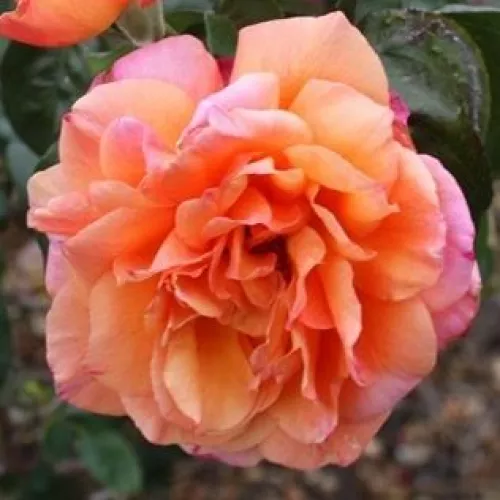
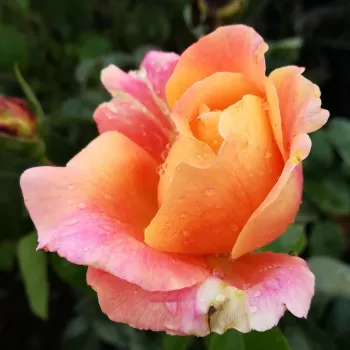
Very double, large cup‑shaped blooms (around 7–10 cm) borne in clusters of 3–5; once‑flowering in summer with generous petal count exceeding forty, creating a lush old‑rose effect. |
| Colour data and phenology |
Cream‑white to pale pink base with irregular magenta stripes and blotches (RHS 65C–65D); colour holds well, flowers once with a showy main flush, the marbling softening gently as blooms age. |
| Fragrance and aroma |
Strong, noticeable perfume combining classic old‑rose notes with citrus and a slight fruitiness; scented clusters are best appreciated near seating or paths where air movement carries the aroma. |
| Hip characteristics |
Sets few small, spherical orange‑red hips about 8–10 mm across; mainly ornamental, with limited visual impact and no particular noted value for culinary or wildlife uses in typical gardens. |
| Resistance and winter hardiness |
Rated to about −23 to −20 °C (RHS H5, USDA 5b, Swedish zone 3); moderate tolerance of heat and short dry spells, with moderate disease resistance and some susceptibility to black spot. |
| Horticultural recommendations |
Best in sunny, airy positions with well‑drained soil; allow room for a bushy framework; medium maintenance with monitoring for fungal issues, and suitable for borders, hedging, short climber or large containers. |
VARIEGATA DI BOLOGNA offers a long-lived, own-root shrub or short climber with richly scented, boldly striped flowers and dependable structure for traditional family gardens, making it a thoughtful choice if you value romance with practical ease.