TANELAIGIB – white-pink bedding floribunda rose - Evers
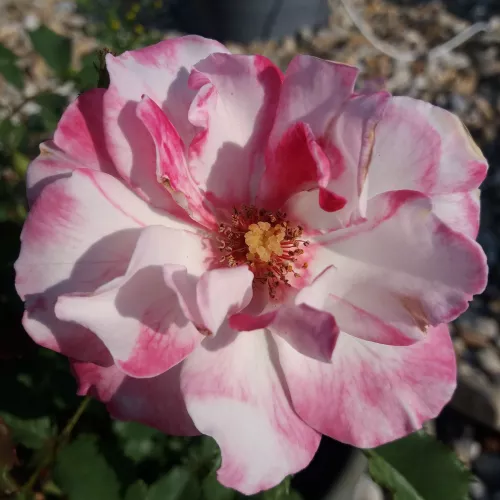
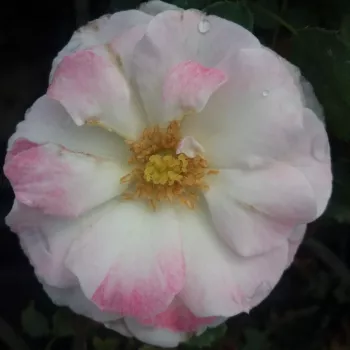
Imagine afternoon tea in a cottage-style corner where soft pink clusters of roses create instant romance around your seating, even in spots where breezy, damp weather and heavy soils would normally make planting tricky by the coast. This compact floribunda stays pleasingly tidy, forming a bushy, low hedge or border edging that fits beautifully into smaller family gardens. Its remontant habit means reliable flowering in generous flushes, while the pastel, silver-sheened blooms hold a nostalgic charm that flatters both kitchen gardens and relaxed lawn borders. As an own-root rose, it offers reassuring longevity, quietly rebuilding from the base if winter or pruning are less than perfect, so you enjoy a stable display year after year. Container-friendly and happy in partial shade, it suits busy homeowners who need low-fuss, high-impact structure. Over time you will see it settle in: first strengthening the roots, then filling out with shoots, and finally giving you its full ornamental presence by about the third season.
Usage options
| Target area | Reasoning |
|---|
| Front-of-border cottage edging |
The compact, bushy habit and modest height make it ideal for the front of mixed borders, defining paths or vegetable beds without overwhelming neighbouring plants; low maintenance edging that suits hobby gardeners |
| Traditional flowering hedge along a path |
Planted at closer hedge spacing, the dense foliage knits together into a soft, low screen that flowers repeatedly, giving a storybook garden feel with only moderate pruning needed for family buyers |
| Raised bed in heavier clay soils |
In a raised or improved bed it establishes steadily, forming a long-lived structure that copes well with breezier, damp-prone conditions often found in exposed family gardens near the coast, reassuring for beginners |
| Large patio container (40–50 litres or more) |
Its neat size and repeat clusters suit a generous pot, where regular watering and feeding are easy to manage, giving reliable colour close to seating areas with simple seasonal tasks for busy homeowners |
| Informal cottage-style rose bed |
Clustered flowers in gentle pink tones harmonise effortlessly with herbs and old-fashioned perennials, creating a relaxed English-countryside feel without demanding complex pruning, attractive for cottage-style lovers |
| Part-shaded side garden or courtyard |
Tolerant of partial shade, it flowers well where many roses struggle, turning under-used side strips or courtyards into softer, more welcoming spaces with minimum extra work for urban gardeners |
| Long-term structural planting in family gardens |
The own-root form supports a long lifespan and the ability to regenerate from the base after harder winters or accidental damage, helping the rose remain a dependable feature for practical planners |
| Low-care seasonal focal point near seating |
Moderate upkeep and remontant bloom cycles provide a steady supply of pastel flowers for 1–3 years as it builds from roots to full presence, fitting those who prefer simple routines, especially time-poor owners |
Styling ideas
- Arbour-tea-corner – Place several plants in a curve around a small bistro set, underplanted with creeping thyme to echo the rose’s pastel tones – for cottage-style lovers seeking a romantic sitting area.
- Kitchen-border-ribbon – Run a single row along the edge of a vegetable or herb plot, interspersed with lavender cotton for contrast – for home growers wanting soft structure between produce and lawn.
- Pastel-patio-duet – Use one rose in a 50-litre container with trailing lobelia at the rim to spill blue against the pink blooms – for balcony and terrace owners wanting easy, portable colour.
- Storybook-front-garden – Combine as a low hedge with clipped box or small evergreen mounds, creating a welcoming, traditional frontage – for families aiming for a neat yet romantic entrance.
- Herb-wheel-centrepiece – Plant a single specimen in the middle of a herb wheel, framed by creeping thyme and other low herbs – for hobby gardeners who like roses woven into productive spaces.
Technical cultivar profile
| Characteristic | Data |
|---|
| Name and registration |
Floribunda bed rose registered as TANelaigib, marketed as Tanelaigib Bedding rose TANelaigib, exhibition name Abigaile; shrub-type bedding floribunda for beds and borders in family gardens. |
| Origin and breeding |
Bred by Hans Jürgen Evers for Rosen Tantau, Uetersen, Germany; introduced and registered in 1988, with breeding work completed in Germany and distributed commercially by Rosen Tantau. |
| Growth and structural characteristics |
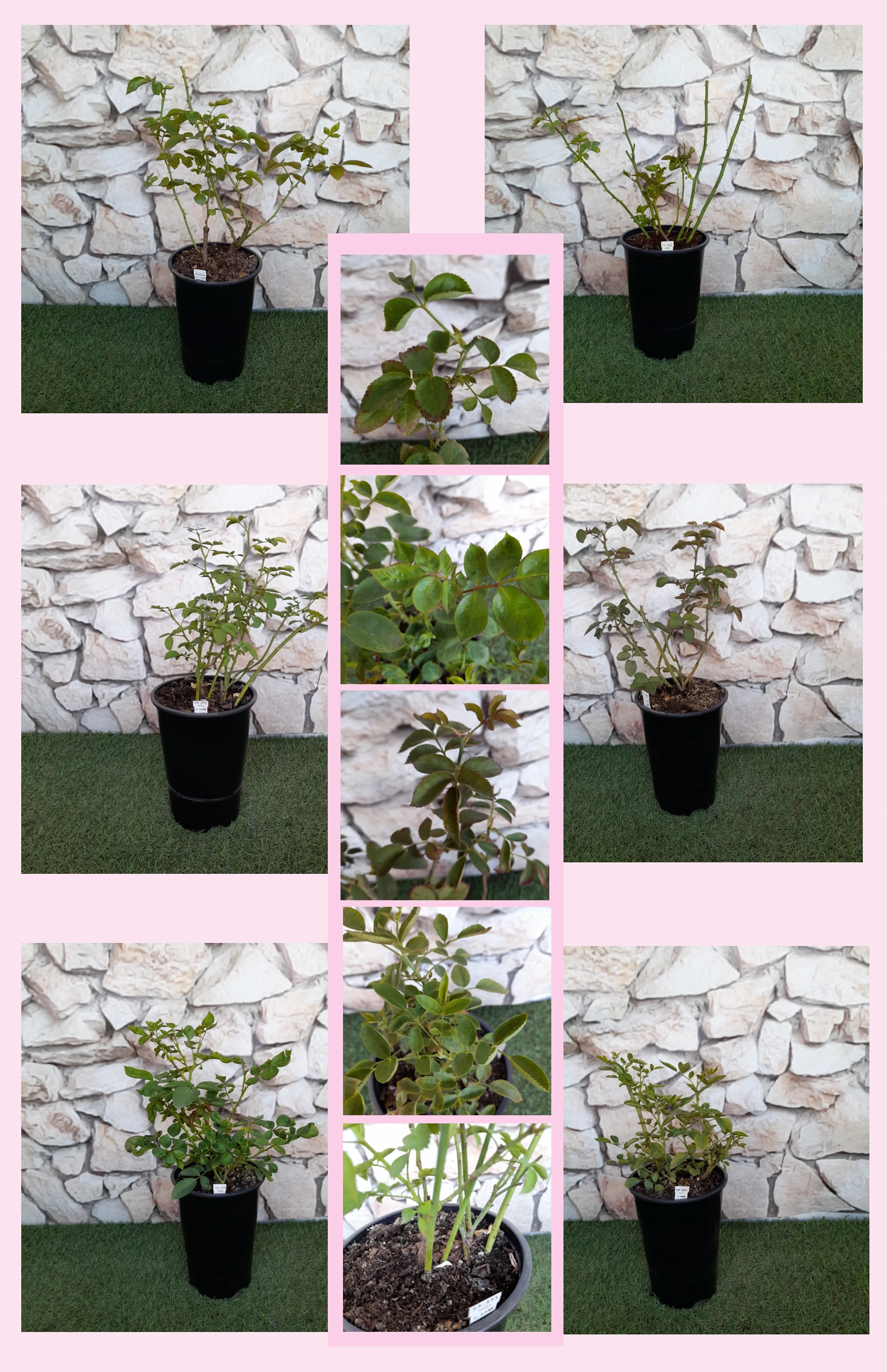
Compact, bushy shrub 40–55 cm high and 35–50 cm wide; dense, glossy medium to dark green foliage, moderately thorny stems, suited to bed, border and container use with regular light shaping. |
| Flower morphology |
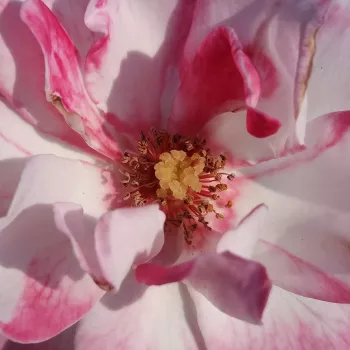
Medium-sized, cupped, double flowers with 13–25 petals, produced in clusters; remontant with a generous second flush, though spent blooms usually need deadheading as self-cleaning is relatively weak. |
| Colour data and phenology |
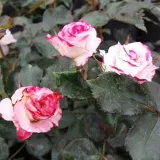
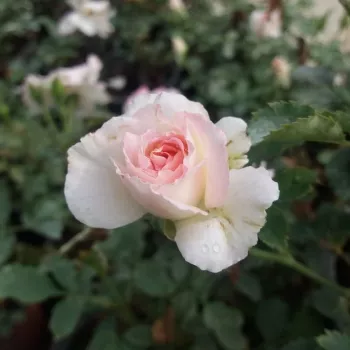
Soft, silvery pink base with darker magenta-pink edges; buds deep carmine pink, opening to pale centres with vivid margins, then fading to pastel pink with a pearly sheen; colour lightens in strong sun. |
| Fragrance and aroma |
Soft, discreet fragrance of mild strength; a gentle, traditional rose scent that is noticeable at close range but not overpowering, contributing to a subtle, relaxing atmosphere around seating areas. |
| Hip characteristics |
Occasional small, spherical hips 7–10 mm across, bright red when ripe; decorative late in the season but not produced in heavy quantities, so they do not dominate the plant’s overall appearance. |
| Resistance and winter hardiness |
Hardy to around −21 to −18 °C (RHS H7, Swedish zone 3, USDA 6b); medium overall disease resistance with good black spot resistance but average tolerance to powdery mildew and rust; spring frost protection advised. |
| Horticultural recommendations |
Plant 25–45 cm apart depending on hedge or specimen use; suitable for partial shade and large containers; medium maintenance with occasional plant protection and regular deadheading to encourage repeat flowering. |
TANELAIGIB offers compact cottage-garden structure, season-long flowering and reassuring longevity from its own-root form, making it a thoughtful, low-fuss choice for relaxed family gardens and patios.