SUPERB DOROTHY – pink rambler climbing rose - Hetzel
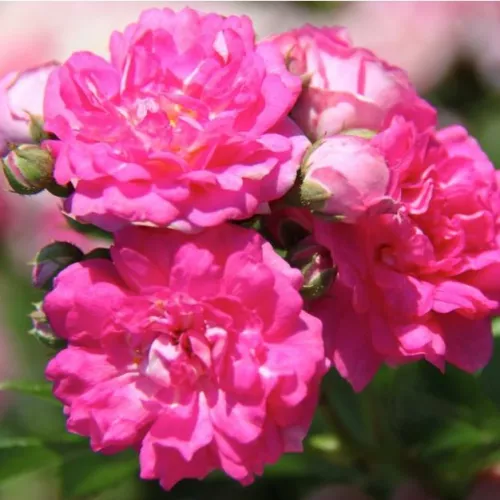
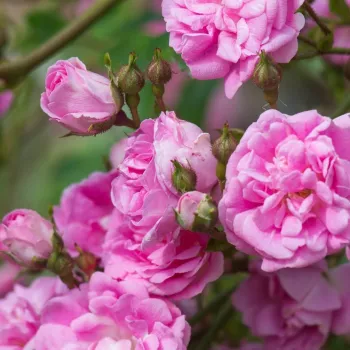
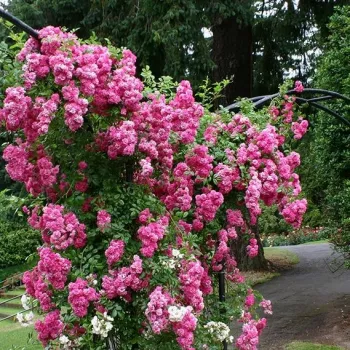
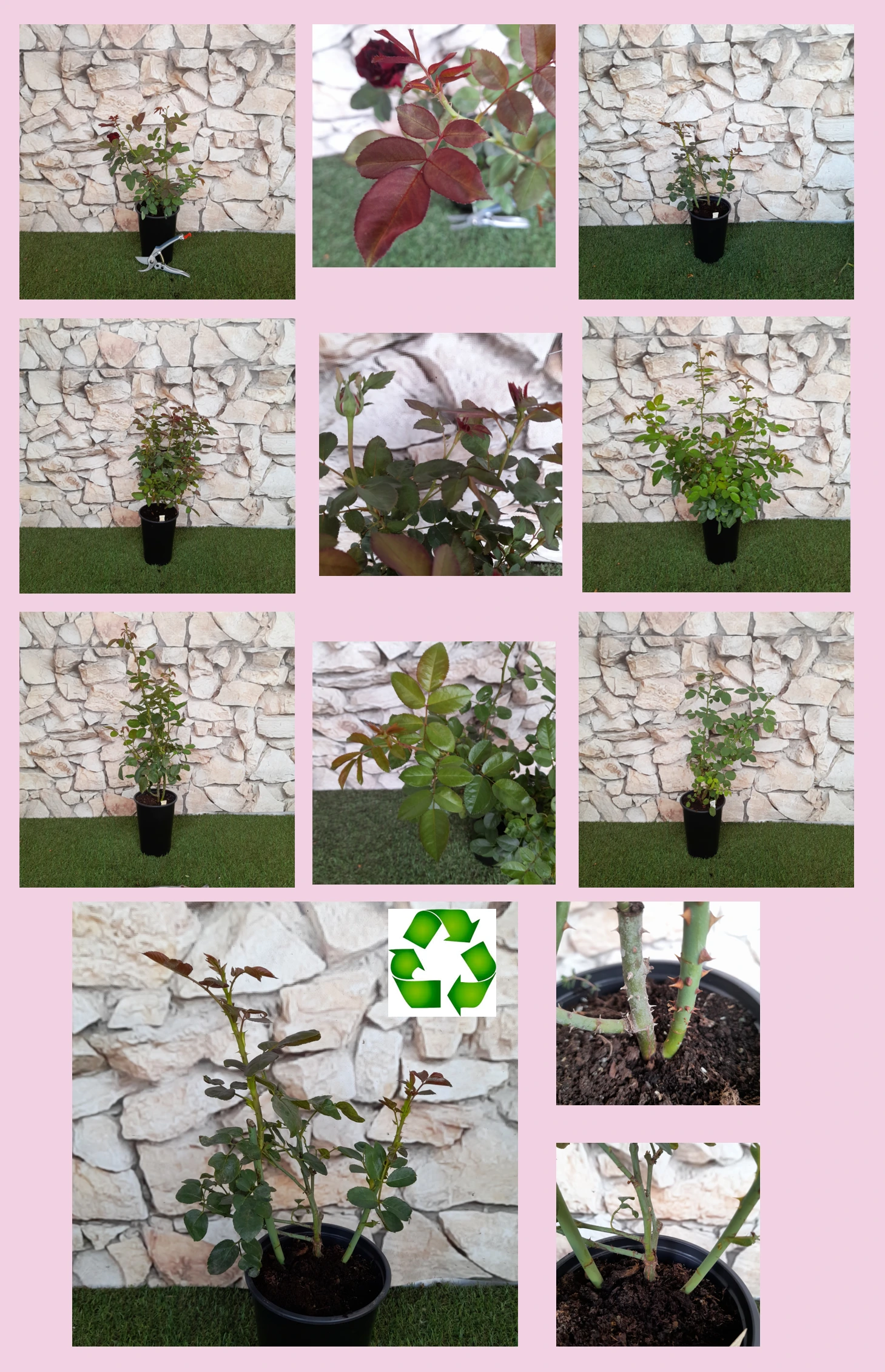
With its clouds of soft pink clusters and reliable rebloom, Superb Dorothy creates an instant cottage-garden arbour feel in even the smallest family plot. This rambler’s dark, glossy foliage and semi-double pompon blooms bring a romantic backdrop to pergolas, fences and house walls, while its low-maintenance nature suits those who prefer simple, seasonal tasks to constant fussing. Own-root production supports long-term garden structure, quietly building strength below ground for many years of flowering above. You can enjoy this variety in smaller spaces too, as it adapts well to large containers of at least 40–50 litres for terrace or courtyard privacy. Well-rooted plants in the pharmaROSA® ORIGINAL 2‑litre pot are easy to handle and settle quickly, even where breezy conditions demand secure anchoring and thoughtful water management in heavier soils. Over time, your rose will move from root-establishing in the first year, to bolder shoots in the second, and by the third season it will be carrying its full ornamental impact. The moderate, fresh fragrance adds gentle romance to summer afternoons outdoors, while the dense, sparsely thorned growth habit helps frame family seating areas with lasting comfort and reassuring ease.
Usage options
| Target area | Reasoning |
|---|
| Arbour or pergola over a seating area |
Superb Dorothy’s long, flexible canes and dense foliage quickly cover an arbour or pergola, creating a shaded, storybook setting for family seating and afternoon tea. Semi-double mid-pink clusters repeat through summer, softening timber structures and blending with traditional cottage elements for those who love romantic, low-effort focal points in an average-sized garden, ideal for the family gardener. |
| Training along a fence or boundary |
The climbing habit and 250–380 cm height allow this rose to dress plain boundaries with a continuous ribbon of pink, while the dark, glossy foliage forms a neat screen. Good disease resistance means fewer chemical treatments, and moderate self-cleaning reduces spent-bloom tidying. It is particularly helpful where wind and rain demand a resilient, securely anchored plant, well suited to the busy homeowner. |
| Romantic cottage-style entrance or arch |
Used over a gate or metal arch, Superb Dorothy frames entrances with cascading pompon clusters that fade beautifully from vivid mid-pink to pastel. The airy, semi-double flowers keep the look light, not heavy, and the sparsely thorned stems are easier to guide at head height. This is a classic choice for cottages and suburban fronts seeking gentle drama for the cottage-style enthusiast. |
| Feature rose in a mixed cottage border |
Planted at the back of a border and trained on discreet supports, this rambler supplies height and romance without overpowering nearby perennials. Its repeat flushes knit together planting of delphiniums, foxgloves or kitchen-garden herbs, while own-root resilience supports a long-lived framework that can be pruned more freely over time, appealing to the creative hobby-gardener. |
| Large container on a terrace or balcony |
In a 40–50 litre container with a sturdy obelisk or trellis, Superb Dorothy brings vertical interest where planting space is limited. The relatively low maintenance and good disease resistance are helpful where access for spraying or frequent pruning is constrained, while the mild, fresh scent adds gentle atmosphere for evening sitting-out, making it attractive to the urban balcony-owner. |
| Low-maintenance family play garden backdrop |
The dense foliage and moderate self-cleaning habit allow this variety to act as a soft green and pink backdrop behind lawns or play areas, with fewer sharp thorns than many climbers. Seasonal pruning can be simple reshaping rather than detailed work, and own-root strength helps it recover well from accidental damage or missed tasks, reassuring for the busy young-family. |
| Traditional kitchen-garden or potager edge |
Trained along wires at the edge of a kitchen garden, Superb Dorothy brings ornamental charm without demanding intensive care. Its repeat flowering extends colour beyond the main vegetable harvest, while the partially pollinator-friendly flowers still offer some interest for insects. Long-term vigour on its own roots supports a stable, structural framework valued by the practical grower. |
| Small village or front garden climber |
Where space is tight, this rambler can be kept to a modest footprint by tying in shoots and thinning out older wood, making it suitable for small village plots or town fronts. The fresh, invigorating yet mild fragrance gently perfumes paths without overwhelming neighbours, supporting a welcoming, traditional approach that suits the neighbour-conscious owner. |
Styling ideas
- Tea-arch – Train Superb Dorothy over a metal arch flanked by lavender and catmint to frame a bench, creating a soft pink and blue tunnel for relaxed afternoon tea – perfect for the romantic traditionalist
- Cottage-fence – Weave canes along a picket fence with clumps of foxgloves and hardy geraniums at the base for a gently informal boundary – ideal for lovers of English-country charm
- Kitchen-ridge – Run the rose along wires edging a potager, underplanted with thyme and chives so flowers and herbs mingle in a productive, pretty strip – suited to the kitchen-gardener
- Courtyard-pillar – Grow in a 50-litre pot around a sturdy obelisk, adding white pelargoniums and trailing ivy for a compact, vertical accent in paved spaces – appealing to terrace and balcony owners
- Play-nook – Use as a backdrop on an arbour behind a small lawn, with low, soft perennials in front to buffer play space while keeping maintenance light – designed for young families
Technical cultivar profile
| Parameter | Data |
|---|
| Name and registration |
Rambler climbing rose registered as HELdoro, sold as Superb Dorothy Climbing rose HELdoro; also known under the exhibition name Super Dorothy in American Rose Society listings. |
| Origin and breeding |
Bred by Karl Hetzel in Germany and introduced in 1986; a cross of ‘Dorothy Perkins’ with an unknown pollen parent, carrying classic rambler character with improved health. |
| Growth and structural characteristics |
Vigorous climbing rambler, 250–380 cm high with 120–210 cm spread; dense, dark green glossy foliage on comparatively sparsely thorned canes, ideal for training on supports. |
| Flower morphology |
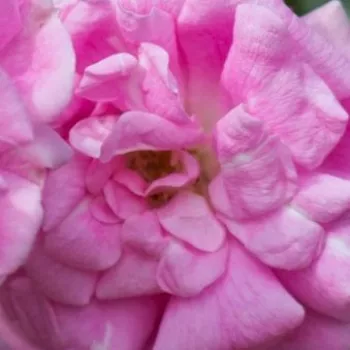
Semi-double ball to pompon clusters, 17–25 petals, small-flowered (0.5–1.5 in); borne in large trusses with moderate self-cleaning, though very large clusters may need deadheading. |
| Colour data and phenology |
Pure bright mid-pink blooms with paler reverses (RHS 55C–55D); open vivid, then fade to soft pastel pink, faster in strong sun and more slowly in cooler, milder conditions. |
| Fragrance and aroma |
Fresh, invigorating but mild fragrance that subtly perfumes nearby seating or paths without overwhelming; primarily grown for its generous flowering and decorative effect rather than scent alone. |
| Hip characteristics |
Occasional small, spherical red hips, 6–10 mm, may form if clusters are not deadheaded; mainly ornamental and not a dominant feature of the plant in typical garden use. |
| Resistance and winter hardiness |
Hardy to approximately -26 to -23 °C (RHS H7, USDA 5b, Swedish zone 4); good resistance to powdery mildew, black spot and rust; tolerates heat but needs water in prolonged drought. |
| Horticultural recommendations |
Suited to pergolas, arches, fences and arbours; plant 140–240 cm apart depending on use; tolerates partial shade; low maintenance with periodic tying-in and light pruning on own roots. |
Superb Dorothy Climbing rose HELdoro offers abundant pink clusters, reliable health and flexible training on a long-lived own-root framework, making it a graceful, practical choice for your next cottage-style planting.