SUPER PINK – pink climbing rose – Lens
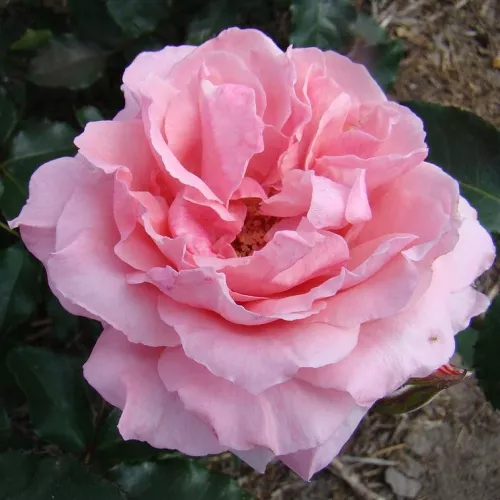
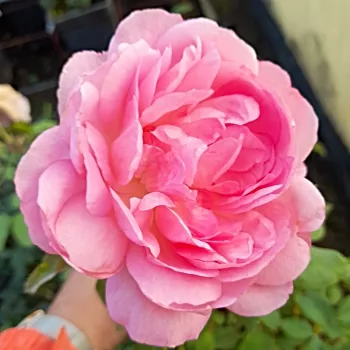
With Super Pink climbing arches and pergolas take on a storybook charm, the long shoots clothing supports in dense, glossy green and warm pink blooms that hold their colour beautifully. The large clusters of double flowers create a continuous curtain of petals, perfect for romantic garden corners evoking afternoon tea under an arbour. Planted in well-prepared soil that copes confidently with coastal rain and wind, this own-root rose establishes steadily and is bred to give you many years of dependable structure in an average family garden. Once planted, the simple cycle of light pruning and tying-in keeps it manageable, and over time it matures from first roots to full, reliable height without complicated care. In larger containers of at least 40–50 litres it can soften terraces and balconies, bringing a cottage garden feeling to small urban spaces as well as traditional boundaries.
Usage options
| Target area | Reasoning |
|---|
| Clothing a pergola or arbour |
This climber quickly furnishes overhead structures with dense, glossy foliage and uniform mid-pink blooms, giving a shaded, romantic seating area that feels intimate and enclosed in summer; ideal for those seeking a cosy, storybook corner for afternoon-tea. |
| Training along fences and boundaries |
With a mature height around 190–290 cm and a spread up to 210 cm, its long, flexible canes are easy to fan out on wires, softening plain panel fencing and creating a traditional cottage-garden backdrop for lawns and play areas, well suited to privacy-conscious homeowners. |
| Feature rose on house walls |
Trained flat against a sunny wall, it forms a vertical tapestry of warm pink clusters that flower repeatedly, enhancing brick or render and framing windows; over three seasons you will see it progress from establishing roots to strong shoots and finally full ornamental value, rewarding patient beginners. |
| Romantic cottage-mixed border |
Used at the back of a border with perennials such as lavender, verbena and hyssop, the clear, stable pink reads well from a distance and combines effortlessly with blues, mauves and soft whites, giving a relaxed, “girly” cottage feel appreciated by cottage-style lovers. |
| Large containers on patios or terraces |
In a 40–50 litre or larger container with a sturdy obelisk or trellis, it provides vertical interest where ground space is limited, bringing fragrance and colour close to seating areas while its own-root form regrows reliably from the base after winter, reassuring busy city-dwellers. |
| Cut flowers from the garden |
The long stems and classic, double cup-shaped blooms make it suitable for informal vase arrangements, with strong, sweet fragrance and a colour that hardly fades indoors, giving you home-grown floral displays valued by thrifty, atmosphere-conscious families. |
| Fragrant evening seating area |
Planted near a terrace or pathway, the strongly scented, classically rosy fragrance is noticeable as you pass, and the warm pink colour remains attractive into the evening light, making it a good choice for small relaxation spots enjoyed by scent-sensitive gardeners. |
| Coastal or wind-exposed gardens |
Once anchored well into improved soil, its climbing habit and dense foliage give a stable vertical feature that copes with blustery weather, especially when tied to strong supports, and it rewards consistent care in sites where rain and wind can be challenging for diligent enthusiasts. |
Styling ideas
- Rosewalk-arch – Train Super Pink over a series of metal arches to create a scented tunnel, underplanting with lavender and catmint – ideal for families wanting a storybook garden entrance.
- Cottage-fence – Let the rose ramble along timber fencing with verbena and foxgloves in front – suits homeowners aiming for an informal English countryside boundary.
- Courtyard-pergola – Cover a small pergola in a town garden, pairing with potted herbs and vintage furniture – perfect for busy urban gardeners craving a romantic tea corner.
- Kitchen-garden – Grow it on a simple wire frame behind vegetable beds, linking productive and ornamental areas – for those who like a traditional potager feel.
- Balcony-obelisk – Plant in a 50-litre container with an obelisk, adding trailing thyme at the base – suited to flat-dwellers seeking vertical colour and scent in limited space.
Technical cultivar profile
| Parameter | Data |
|---|
| Name and registration |
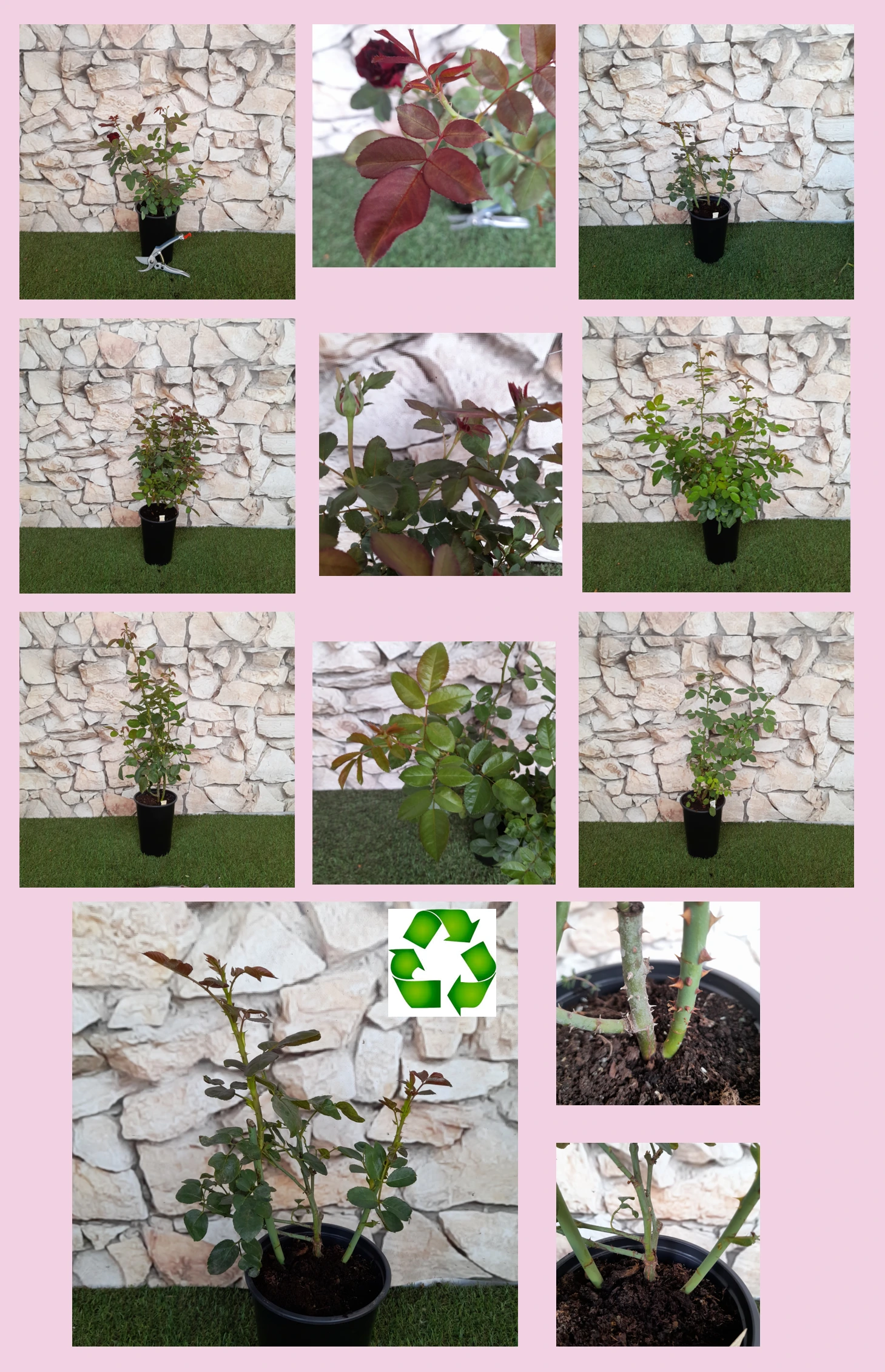
Climbing rose, large-flowered climber; registered as LENjoma, marketed as Super Pink climbing rose LENjoma; ARS exhibition name Super Pink; own-root, 2-litre container-grown form. |
| Origin and breeding |
Bred by Louis Lens in Belgium from ‘Jour de Fête’ × ‘Maria Teresa’; breeding completed 1987, introduced 1992 by Lens Roses, Pépinières Louis Lens SA as a distinctive pink climbing rose. |
| Growth and structural characteristics |
Strong climbing habit, 190–290 cm high and 120–210 cm wide; dense, glossy medium-green foliage with moderate prickles; forms long, trainable canes suitable for walls, fences and pergola structures. |
| Flower morphology |
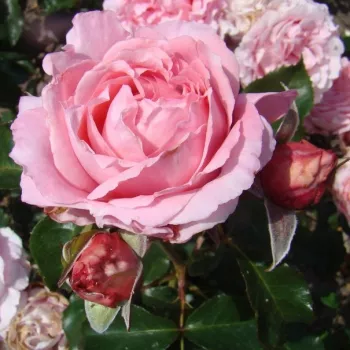
Large, double, cup-shaped blooms with 26–39 petals in clustered inflorescences; remontant with a generous second flush, providing repeated displays on suitable supports during the main season. |
| Colour data and phenology |
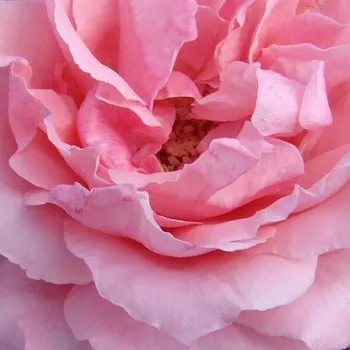
Uniform warm mid-pink, ARS MP, RHS 68C–68D; colour holds well with minimal fading, buds bright mid-pink, fully open flowers evenly toned, ageing to a soft, silky matt pink without browning. |
| Fragrance and aroma |
Strongly scented with a classic, slightly sweet rose fragrance that is noticeable around seating areas; mainly ornamental, with double flowers largely concealing stamens and offering limited pollinator value. |
| Hip characteristics |
Produces rosehips in small quantities, approximately 8–15 mm in diameter; hips are occasional ornamental accents rather than a dominant feature and may be removed during pruning if not desired. |
| Resistance and winter hardiness |
Hardy to approximately –18 to –15 °C, RHS H6, Swedish zone 2, USDA 7a; foliage is very susceptible to powdery mildew, black spot and rust, so regular, careful plant protection is recommended. |
| Horticultural recommendations |
Best in sunny sites with supports; plant 150–260 cm apart depending on use; suitable for pergolas, walls, fences and cutting; monitor closely for disease and apply preventative care as needed. |
SUPER PINK – pink climbing rose - Lens offers romantic, long-lasting pink blooms, strong fragrance and flexible training on supports, with the practical resilience of an own-root plant; a thoughtful choice if you value atmosphere and enduring structure.