STEFANIE'S ROSE – copper-pink bedding shrub rose – John Scarman
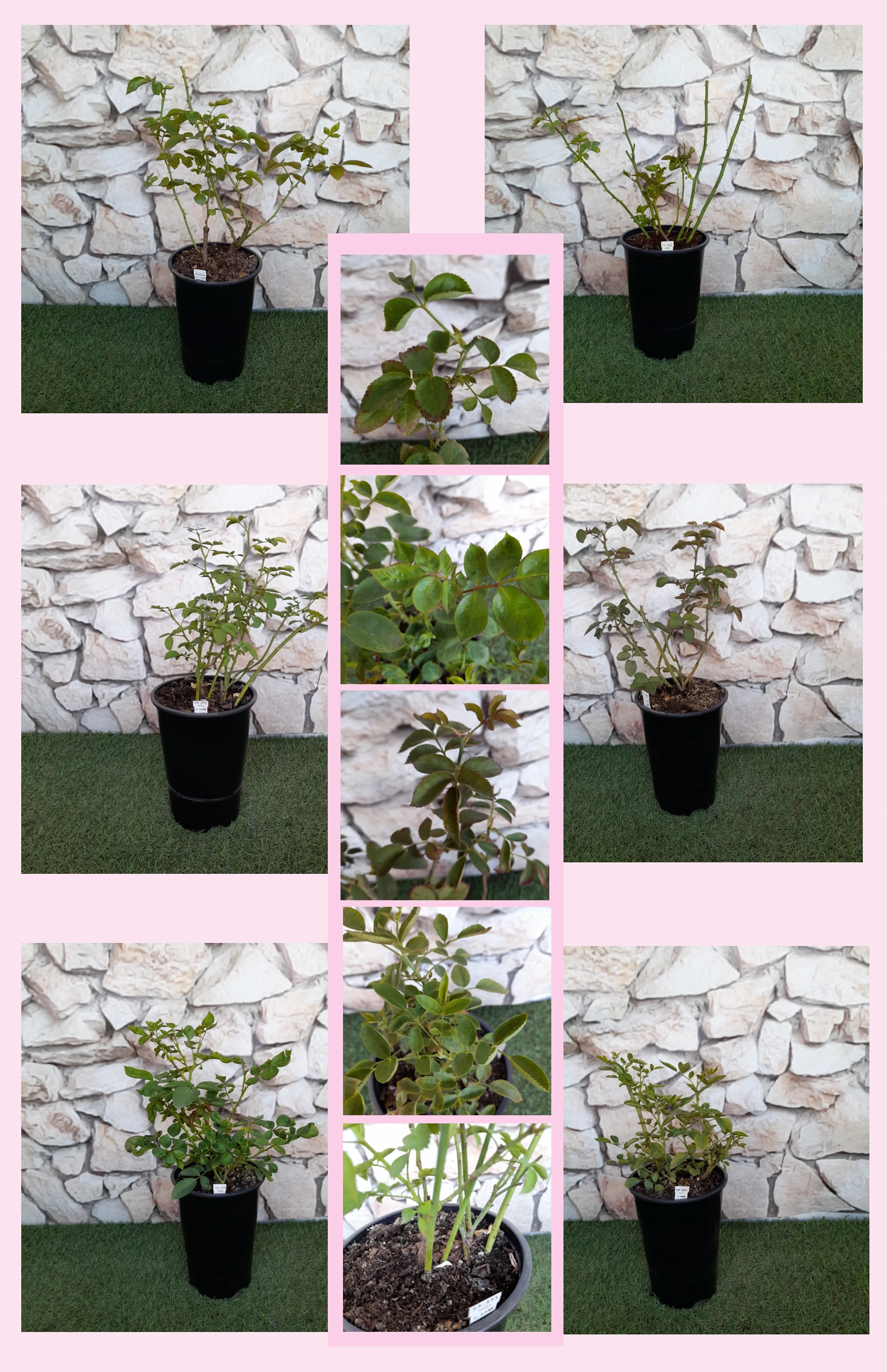
This copper-pink modern shrub rose creates a quietly romantic, storybook atmosphere, ideal for small to medium family gardens where afternoon tea, relaxed cottage borders and a slightly nostalgic copper glow all belong together. Stefanie's Rose forms a bushy, upright structure with dense mid-green foliage, offering dependable, repeat flowering from early summer onwards and a generous second flush without complicated pruning schedules. Its low-maintenance resilience means you can enjoy flowers even in exposed gardens where frequent coastal weather and persistent wind demand robust, well-anchored shrubs. As an own-root rose in a 2-litre pot it settles in steadily, building roots in year one, stronger shoots in year two and a full ornamental display by year three, so it becomes a long-lived, regenerating companion in your border rather than a short-lived seasonal feature.
Usage options
| Target area |
Reasoning |
| Romantic cottage-style flowerbed near a seating area |
The upright, bushy habit and warm copper-pink tones create an immediate focal point beside benches or pergolas, echoing traditional English cottage borders with soft, storybook charm for the romantic gardener. |
| Low-maintenance family front garden |
Good disease resistance and low intervention needs make this rose well suited to busy households wanting a neat, welcoming frontage that does not demand constant spraying or complex pruning from the time-pressed homeowner. |
| Informal flowering hedge along a path |
At 130–170 cm high with dense foliage, plants spaced at about 100 cm form a loose, flowery screen that gently encloses paths, offering privacy and colour for the family garden owner. |
| Mixed shrub border on heavier clay soil |
Once established and planted with sensible drainage, its robust root system anchors well and copes with typical UK heavier soils and recurrent wet spells, reassuring the practical gardener. |
| Feature rose in a large container on a terrace |
In a generous 40–50 litre pot, the upright, bushy form and reliable repeat flowering give season-long interest on patios or balconies, with straightforward care routines for the urban balcony owner. |
| Traditional country-style kitchen garden edge |
The semi-double, cluster-flowered blooms and gentle primrose-like fragrance lend a homely, old-fashioned feel, tying vegetable beds to ornamental areas in a way prized by the rural kitchen-gardener. |
| Small group planting for massed bedding effect |
Recommended spacing for groups allows three to five plants to knit into a generous, colour-rich drift, their copper-pink flowers repeating through summer to please the decorative bed planner. |
| Long-lived structural shrub in a cottage border |
As an own-root rose it rebuilds from the base after harsh winters and keeps a stable shape year after year, even where frequent coastal weather and persistent wind test less sturdy plants, reassuring the longevity-conscious buyer. |
Styling ideas
- Tea-corner border – Plant Stefanie's Rose beside a bistro set, underplanted with soft baby’s-breath and pale nepeta to frame a relaxed afternoon-tea nook – ideal for cottage-style enthusiasts.
- Kitchen-garden edge – Line the outer edge of vegetable beds with these roses, interspersed with chives and lavender, to weave ornamental charm into productive plots – suited to rural kitchen gardeners.
- Soft-hedged path – Use a loose, single-row hedge of Stefanie's Rose along a garden path, with anemones and low geraniums at the feet for a layered, informal walkway – perfect for family gardens.
- Patio statement pot – Grow one plant in a 40–50 litre clay container with trailing thyme around the rim, creating a vertical accent of copper-pink colour – appealing to balcony and terrace owners.
- Copper-toned drift – Group three to seven plants in a curved bed with grasses and evergreen St John’s-wort to echo the warm copper-pink hues – for design-conscious home gardeners.
Technical cultivar profile
| Parameter |
Data |
| Name and registration |
Modern shrub, commercial type flowerbed shrub rose; current trade name Stefanie's Rose Bedding rose Scarman; ARS approved exhibition name Stefanie’s Rose; collection: bedding rose. |
| Origin and breeding |
Bred by John Scarman in Germany; introduced 2007 by Landhaus Ettenbühl, Germany; parentage undocumented; developed as a decorative, copper-pink shrub for beds and borders. |
| Growth and structural characteristics |
Upright, bushy shrub about 130–170 cm tall and 100–140 cm wide; moderately thorny canes; dense, mid-green, slightly glossy foliage gives good coverage and a well-filled shrub outline. |
| Flower morphology |
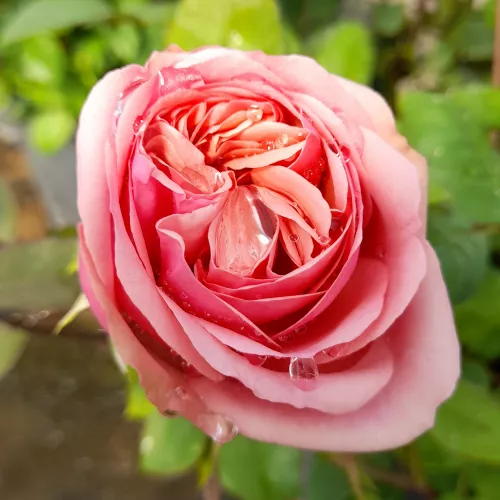
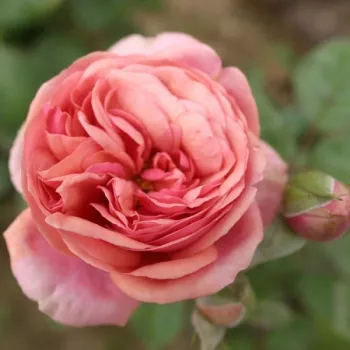
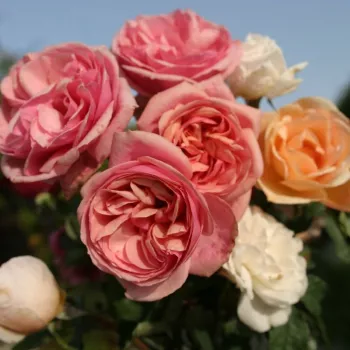
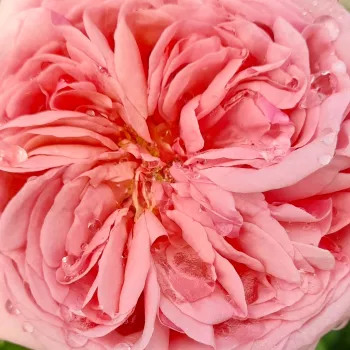
Semi-double, cup-shaped flowers in clusters, large size around 7–10 cm; 17–25 petals; remontant with a notably abundant second flowering after the main early-summer flush. |
| Colour data and phenology |
Copper-tinged pink with subtle brownish undertone; buds copper-brown and pink; opens caramel-copper outside, pastel pink centre; fades towards peach-pink with cream edges yet retains a warm overall hue. |
| Fragrance and aroma |
Mild, fresh primrose-like fragrance; noticeable at close range without being overpowering, providing a gentle, refined scent that suits seating areas and paths where visitors pass nearby. |
| Hip characteristics |
Hip set generally slight; occasional small, spherical red hips about 10–14 mm may develop, adding modest seasonal interest without significant self-seeding issues in most gardens. |
| Resistance and winter hardiness |
Good overall disease resistance, including to powdery mildew, black spot and rust; winter-hardy to around −21 to −18 °C (RHS H7, Swedish zone 3, USDA 6b) under normal garden conditions. |
| Horticultural recommendations |
Low-maintenance shrub for beds, borders, hedging and larger containers; mass planting 110 cm spacing, hedging 100 cm, single specimens about 180 cm; prefer well-drained soil and regular watering during establishment. |
STEFANIE'S ROSE offers romantic copper-pink flowering, a bushy long-lived shrub form and low-maintenance disease resistance in a practical own-root plant, making it a thoughtful choice for a relaxed, traditional garden scheme.