| Climbing over an arbour or arch in a small family garden |
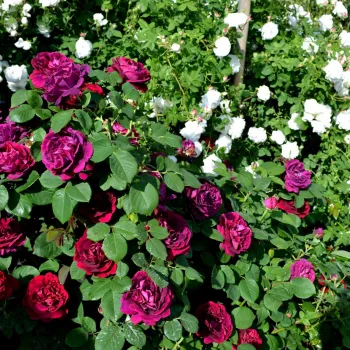
The naturally arching, climbing habit makes this rose easy to guide over an arbour, creating a shaded, intimate spot reminiscent of afternoon tea scenes in classic cottage gardens. A medium maintenance regime of tying in and occasional deadheading keeps the structure airy and safe around children, while own-root resilience supports long-term use of the same framework for many years – ideal for the busy family gardener. |
| Feature rose for partial shade near a seating area |
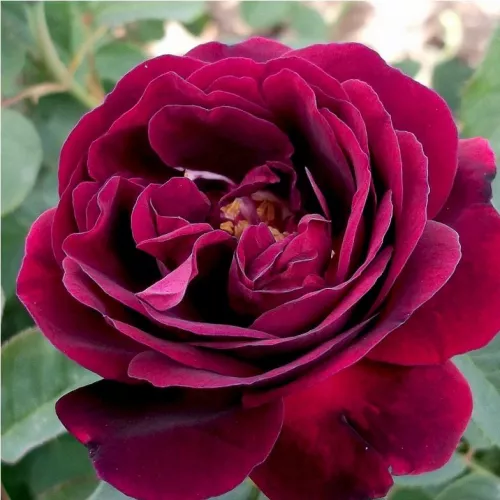
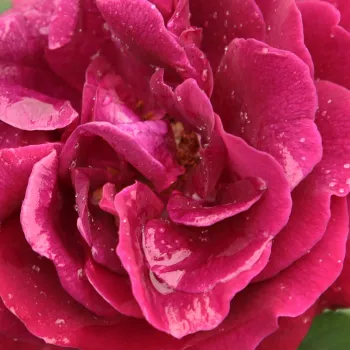
This variety is well suited to partial shade, where its deep crimson tones hold better and are less prone to scorch than in full, hot sun. Near a bench or terrace it provides strong, damask fragrance at nose height without demanding complex pruning; simple thinning and light cutting back are usually sufficient. Own-root growth ensures that if stems are ever damaged, new shoots emerge from below ground – reassuring for the beginner gardener. |
| Traditional cottage-style border with perennials |
As a historical rose, it sits naturally among cottage perennials such as daylilies and ornamental grasses, lending a romantic, old-world note that matures attractively over several seasons. The bushy, mid‑green foliage offers year‑round structure, while repeat flushes add colour through much of the summer. Its moderately dense framework responds well to either light or harder pruning, giving layout flexibility for the cottage‑garden enthusiast. |
| Wall-trained rose along a house or garden outbuilding |
The climbing habit and moderate spread allow you to fan the canes against a wall or sturdy fence without overwhelming smaller properties. Tying new shoots horizontally encourages flowering along their length, creating a soft, storybook backdrop with relatively simple annual maintenance. The plant’s long lifespan on its own roots means the wall display can be improved year after year, suiting the long‑term homeowner. |
| Informal flowering screen between garden areas |
Planted at the recommended distances, this rose can form a loose, flowering screen that defines play spaces, vegetable plots, or compost areas while still feeling informal. Its height and moderate density provide privacy without forming a hard barrier. Although disease resistance is average, straightforward monitoring and occasional treatment are usually enough in typical UK gardens, which suits the practical family buyer. |
| Statement rose in a mixed bed for fragrance |
The strongly scented, full-bodied damask fragrance makes this cultivar a natural focal point wherever people pass close by, such as near paths to doors or sheds. Medium-sized, double, solitary blooms appear in repeat flushes, extending the period of scent without complicated deadheading regimens. A simple yearly tidy and feed keep it productive, appealing to the scent‑loving gardener. |
| Container planting in a large patio tub |
In a large 40–50 litre container or half-barrel, Souvenir du Docteur Jamain offers flexible placement on patios or balconies with limited soil, provided regular watering is available. Its arching stems can be trained onto an obelisk, giving vertical interest without permanent structures. The own-root system gradually fills the container, underpinning stable ornamental value for those with restricted space, convenient for the urban terrace owner. |
| Romantic focal point near a boundary in cooler, exposed plots |
Best suited to cooler, breezier UK gardens where summers are not excessively hot, this rose appreciates reliable watering and shelter from scorching rather than intensive care, and it copes well in naturally moist, windy conditions typical of many sites. Over the first year it concentrates on roots, the second on stronger shoots, and by the third year it shows its full ornamental value, rewarding patient garden romantics. |