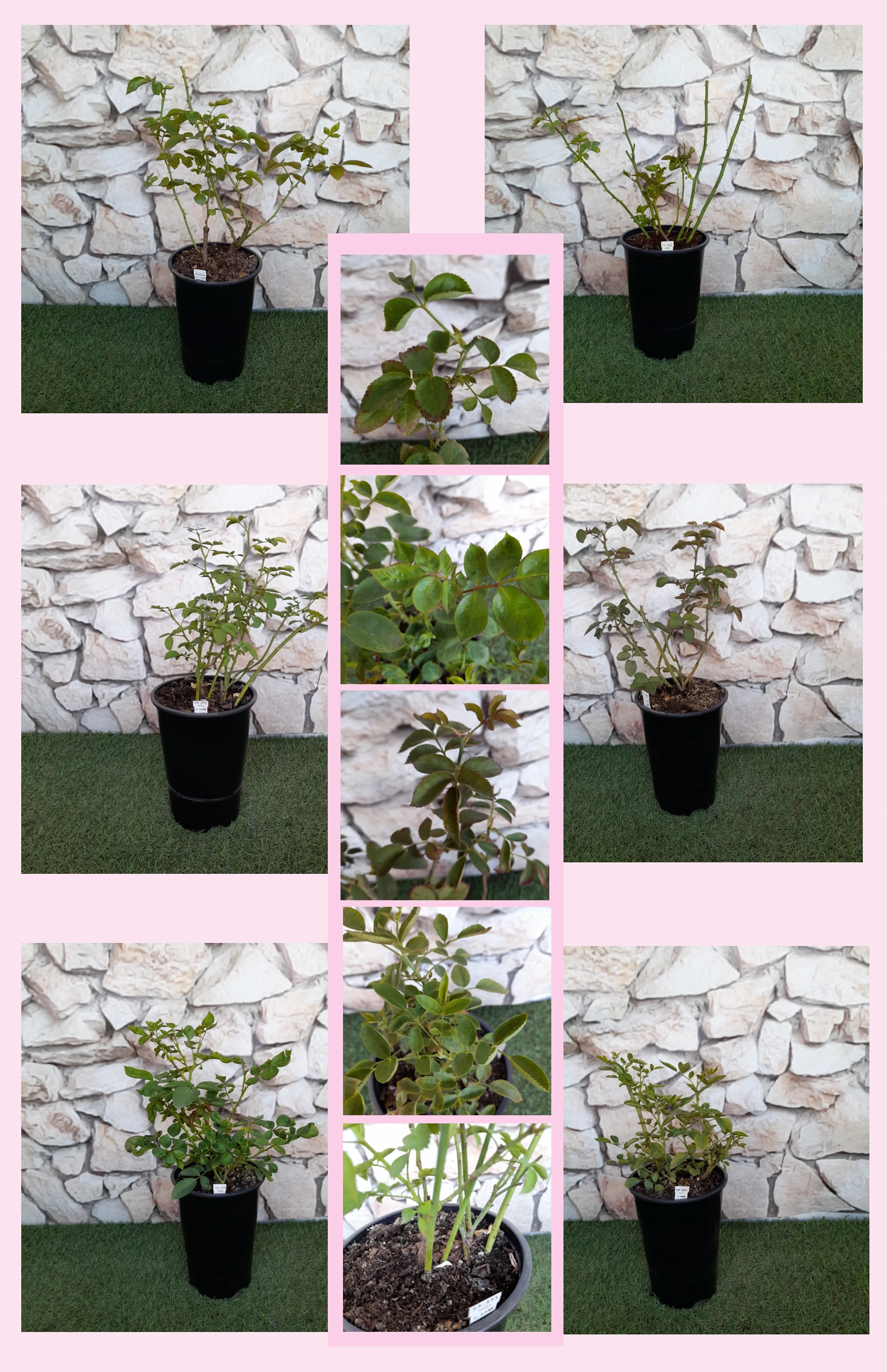
SIR FREDERICK ASHTON – white hybrid tea rose - Beales
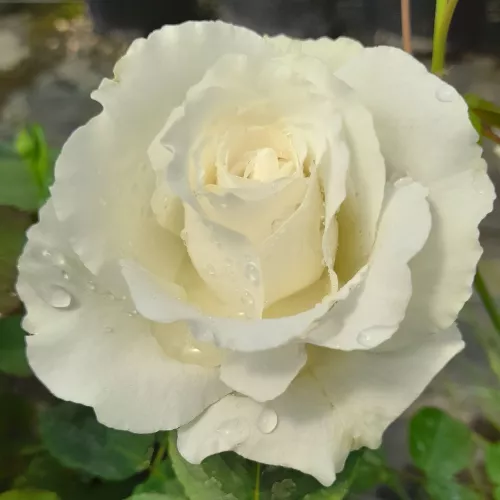
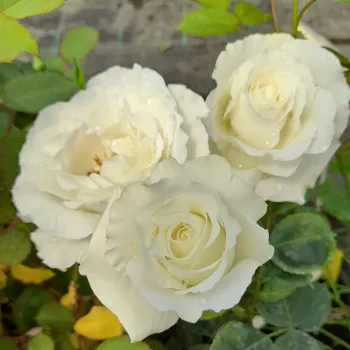
In an English-style cottage garden, romantic moments feel effortless when you grow SIR FREDERICK ASHTON, a pure white hybrid tea bred by Peter Beales for graceful, elegant blooms and reliable garden performance. Planted in sun with reasonable drainage, it copes calmly with breezier, wetter conditions often found in coastal and exposed gardens, offering steady flowering without demanding expert care. As an own-root rose in the pharmaROSA ORIGINAL 2‑litre pot, it settles quickly, builds a deep, anchored root system and renews itself from the base for a naturally long life. You can enjoy tall, upright stems that slip easily into vases, while the strongly fragrant high‑centred flowers bring a traditional exhibition look to a family border or narrow town plot. Its disease‑resistant foliage and low maintenance needs mean fewer spraying routines and more time for afternoon tea under an arbour. Over the first years it concentrates on roots, then framework growth, and finally the full flush of ornamental value, so the display becomes richer and more lasting with each season. Use it to define a path, punctuate a kitchen‑garden hedge or light up a small lawn, where its upright habit, balanced structure and snow‑white colour palette easily harmonise with herbaceous perennials and low groundcovers, creating a quietly timeless, storybook mood.
Usage options
| Target area | Reasoning |
|---|
| Feature rose by a seating area or arbour |
The strong, clearly defined fragrance and high‑centred white blooms create a classic afternoon‑tea atmosphere close to where you sit, without overwhelming a small space. Ideal for those wanting a scented focal point, especially beginner‑gardeners. |
| Cut‑flower rows in kitchen or cottage gardens |
Long, upright stems and exhibition‑style flowers make it well suited to cutting, so you can harvest vases of roses while the bush quickly regroups for fresh buds. A good choice for home cut‑flower lovers and busy‑homeowners. |
| Mixed cottage borders in family gardens |
Its balanced, upright habit and moderate spread slip neatly into mixed plantings without crowding neighbours, giving structure among perennials and herbs. This suits families seeking traditional borders with straightforward upkeep for urban‑gardeners. |
| Low‑maintenance planting in disease‑prone areas |
With good resistance to black spot, mildew and rust, it stays attractive where humidity and rainfall challenge more delicate roses, cutting down on spraying and remedial pruning. Recommended for gardens in damp districts and time‑pressed‑owners. |
| Small formal groups or short hedging |
Consistent height and reliable repeat flowering allow tidy rows or short boundary lines that keep their outline over many years, especially when the own‑root plants reshoot strongly from the base. Perfect for those favouring neat structure and traditionalists. |
| Exposed or breezier family plots |
An upright framework and sound rooting help it stand steadily in winds, while reliable remontant flowering keeps colour coming even after rough weather in many coastal‑style conditions. Suited to households in open sites and coastal‑gardeners. |
| Long‑term planting in established beds |
As an own‑root rose it ages slowly and can regenerate from below ground if damaged, building a durable framework that repays a simple annual prune rather than intensive care. A reassuring option for long‑view, low‑input home‑owners. |
| Large containers on patios and terraces |
In a 40–50 litre or larger container with free‑draining compost, its upright habit and repeat white blooms create a vertical accent that is easy to manage, with watering as the main task. Recommended for balcony and terrace‑focused town‑dwellers. |
Styling ideas
- White‑on‑white – Plant in a drift with white foxgloves and Dalmatian bellflower to extend the pale palette while the strong scent adds depth – for romantics who like calm, monochrome borders.
- Kitchen‑border – Line a vegetable plot path with this rose, underplanting with chives and low thyme, so cutting stems becomes part of daily harvest – for cottage‑garden cooks who love home‑grown bouquets.
- Evening‑glow – Pair its ivory‑white blooms with dusky pink roses and soft grasses so the flowers catch twilight light while remaining low maintenance – for evening hosts wanting gentle, scented structure.
- Formal‑path – Use single plants at intervals along a straight path, edged with Japanese spurge for groundcover, to give a classical, easy‑care walkway – for homeowners favouring order without fussy upkeep.
- Patio‑centre – Grow one plant in a large terracotta pot with trailing lobelia to frame the upright white stems and strong fragrance – for balcony and terrace users wanting a single, standout rose.
Technical cultivar profile
| Parameter | Data |
|---|
| Name and registration |
Hybrid tea rose, exhibition type; current trade name SIR FREDERICK ASHTON, honouring the British choreographer; American Rose Society exhibition name identical; own‑root container‑grown form supplied. |
| Origin and breeding |
Sport of ‘Anna Pavlova’ (Hybrid Tea, Beales, 1981), bred by Peter Leslie James Beales, introduced by Peter Beales Roses in the United Kingdom in 1985 for garden and cut‑flower use. |
| Growth and structural characteristics |
Vigorous upright bush 100–140 cm tall, 70–110 cm wide; moderately dense, matt dark‑green foliage; moderately thorny stems; forms a balanced, vertical framework suitable for borders, beds and feature planting. |
| Flower morphology |
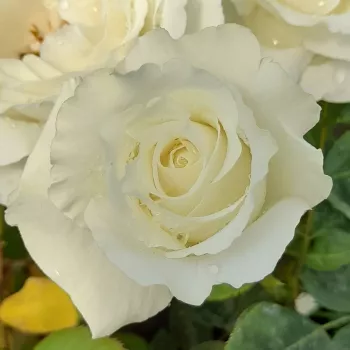
Large, double flowers with 26–39 petals, high‑centred, pointed‑bud form; typically solitary on stems; classic hybrid tea exhibition shape, providing elegant stems well suited to cutting and detailed viewing. |
| Colour data and phenology |
Snow‑white blooms with delicate creamy‑yellow flush inside; buds cream‑white, opening bright white, ageing to translucent ivory; base colour fades only slightly; overall effect remains clean, cool white in the garden. |
| Fragrance and aroma |
Rich, strong fragrance with a clearly defined rose character; scent noticeable in still air around the bush and especially on cut stems indoors, making it valuable where perfume is a key selection factor. |
| Hip characteristics |
Rose‑hip formation limited due to very double flowers; where present, produces small spherical red hips around 12–18 mm, generally of minor ornamental impact compared with the repeat flowering display. |
| Resistance and winter hardiness |
Rated resistant to major fungal diseases including black spot, powdery mildew and rust; winter hardy to approximately −21 to −18 °C (RHS H7, USDA 6b), suitable for most typical UK garden conditions. |
| Horticultural recommendations |
Best in sunny positions with reasonable drainage; plant 55–100 cm apart depending on use; moderate heat tolerance, needs watering in dry spells; ideal for beds, hedging, parks, urban spaces and cutting. |
SIR FREDERICK ASHTON offers richly fragrant, disease‑resistant white blooms on an upright, long‑lived own‑root bush, making it an easy, elegant choice for those planning a dependable, romantic garden feature.