SEÑORA DE BORNAS™ – red hybrid tea rose – Nadal
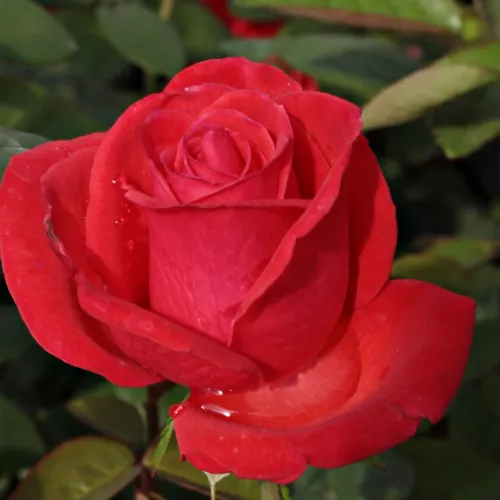
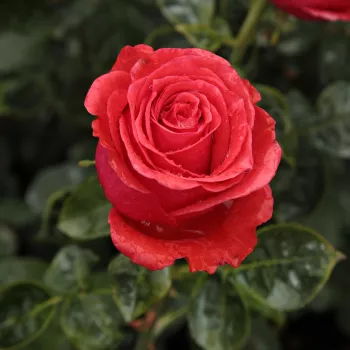
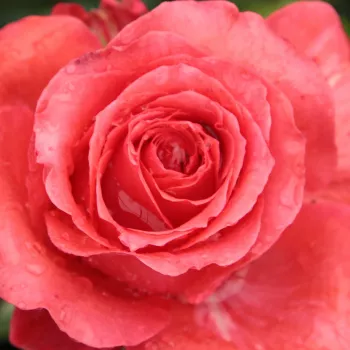
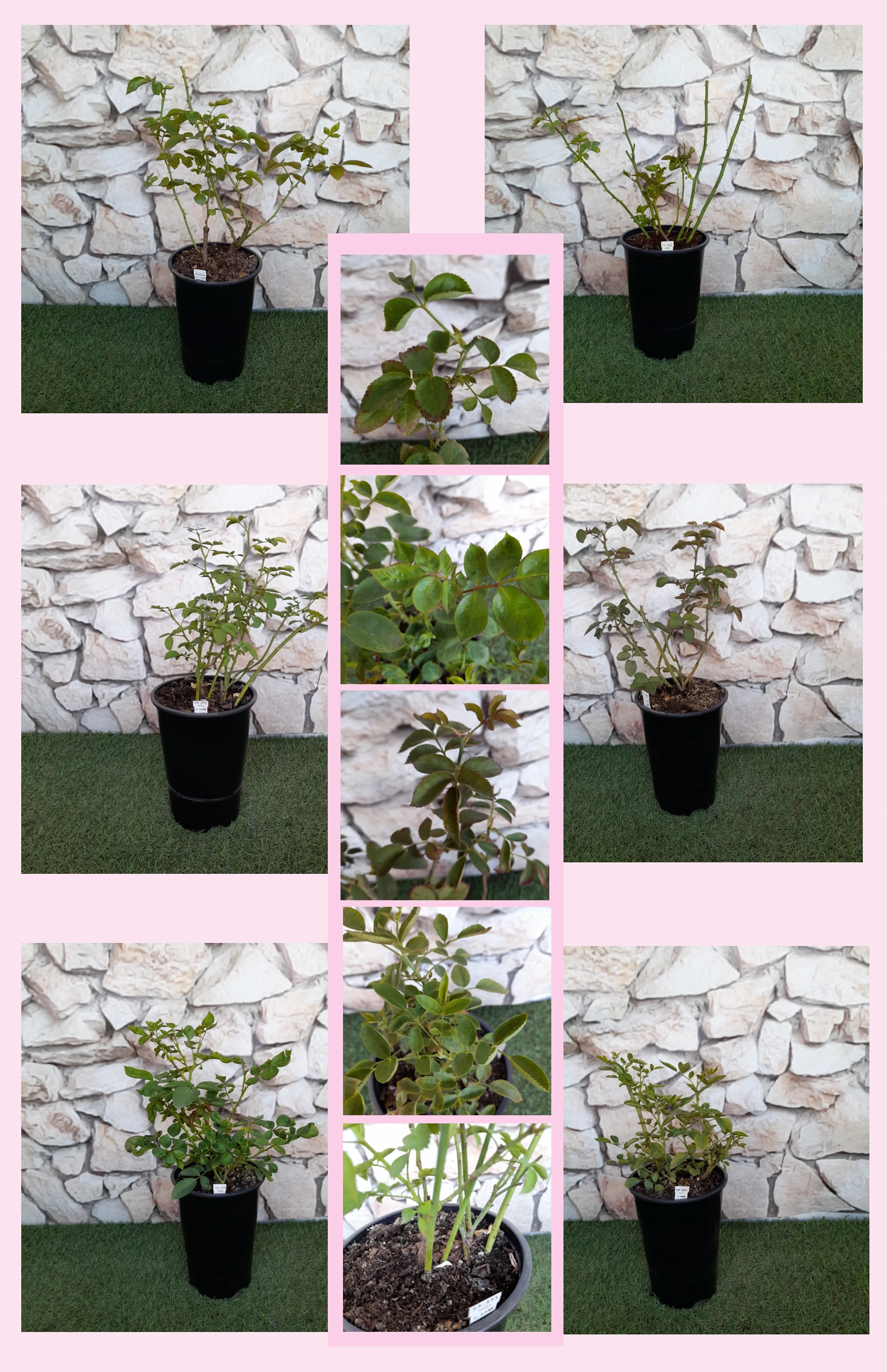
SEÑORA DE BORNAS™ brings a quietly romantic, almost storybook atmosphere to everyday family gardens, combining a classic high-centred bloom with modern reliability and low day-to-day fuss. Its velvety coral-red flowers, perfectly poised for cutting, open repeatedly from early summer into autumn, giving you armfuls of roses for vases as well as an elegant focal point outdoors. Bred in Spain in 1955, it has proved a robust, garden-friendly choice with good resistance to common fungal problems, a reassuring asset in wetter, breezier sites with coastal weather and changeable summers. Own-root plants settle in steadily, building long-lived frameworks that regenerate well after pruning or winter damage, so you can enjoy dependable structure and colour over many years without specialist skills. With an upright habit, medium height and moderately thorny stems, it sits neatly in mixed borders, rose beds or a generous 40–50 litre container, fitting effortlessly into cottage-style plantings beside lavender, herbs or a kitchen-garden path. Its medium-strength tea fragrance and abundant, solitary blooms lend themselves to relaxed afternoon-tea corners, while the development from establishing roots to fuller flowering over the first few seasons makes it an easy, rewarding choice for beginners. Whether you garden on chalk, clay or improved topsoil, this rose offers a balanced blend of ornamental value, cutting-quality stems and practical ease of care that suits busy, style-conscious households who want roses without complication. Over roughly three years it typically progresses from focusing on root growth, to building strong shoots, to showing its full ornamental potential in flower and foliage.
Usage options
| Target area | Reasoning |
|---|
| Feature rose beside a seating area or afternoon tea corner |
The upright habit, medium height and solitary exhibition-style blooms create a graceful focal point near benches, arbours or pergolas, giving an intimate, romantic feel without dominating small family spaces – ideal for the homeowner. |
| Cutting patch or kitchen-garden border |
High-centred hybrid tea flowers on long, straight stems are excellent for cutting, while remontant flowering ensures repeated harvests through the season, so one bed can dress both kitchen table and terrace – perfect for the hobby-gardener. |
| Low-maintenance rose border for busy households |
Good resistance to black spot, powdery mildew and rust, coupled with low general maintenance needs, means less spraying and fuss, suiting those who want healthy foliage and flowers with minimal routine tasks – reassurance for the beginner. |
| Cottage-style mixed border with perennials |
The warm coral-red to brick-peach palette blends beautifully with soft pinks, creams, lavender blues and ornamental grasses, fitting the “girly” English-countryside mood and traditional planting schemes loved by the romantic. |
| Specimen rose in a large container (40–50 litres) |
Its upright form and moderate spread work well in a generous pot, where own-root resilience and good disease resistance support long-term display on patios or small urban terraces, particularly valued by the balcony-gardener. |
| Small group or hedge-like line along a path |
Recommended planting distances allow you to form a loose, flowering line that frames paths or lawn edges; remontant blooming keeps colour returning, even where spent flowers are deadheaded only occasionally – convenient for the family. |
| Roses for gardens with variable weather |
Robust health and reliable flowering performance help it cope with humid, breezy summers and shifting conditions, giving steady ornamental value when other plants may struggle in wetter, wind-exposed gardens – a comfort to the coastal-gardener. |
| Long-term structural rose in a family garden plan |
As an own-root rose it builds a durable framework that can regenerate after harder pruning or winter setbacks, supporting a long lifespan and stable look as the garden matures over the years – a sound choice for the planner. |
Styling ideas
- Cottage Border – Thread SEÑORA DE BORNAS™ through lavender and soft pink perennials to echo traditional English cottage borders – ideal for lovers of nostalgic, romantic gardens.
- Patio Feature – Grow one plant in a 40–50 litre terracotta pot near a bistro set for cut flowers within arm’s reach – suited to busy urban gardeners short on space.
- Kitchen-Path Line – Plant a loose row along a kitchen-garden path with herbs and catmint for a fragrant, storybook walk to the veg beds – appealing to families who cook from the garden.
- Afternoon-Arbour – Place as a pair flanking an arbour or pergola, underplant with low lavender and thyme for a calm, tea-scented seating nook – perfect for those who enjoy slow weekend afternoons.
- Exhibition Bed – Dedicate a small bed to SEÑORA DE BORNAS™ for straight-stemmed blooms to cut, underplanted with low edging plants to keep a smart, classic look – ideal for enthusiasts who love arranging roses indoors.
Technical cultivar profile
| Parameter | Data |
|---|
| Name and registration |
SEÑORA DE BORNAS™ hybrid tea rose (Nadal); commercial hybrid tea type, exhibition-capable cut-flower form; registered cultivar name not recorded, authenticity of this clone verified 31 October 2025. |
| Origin and breeding |
Bred in Spain by Cebrià Camprubí Nadal around 1955; detailed parentage and initial distribution records are not available, but long-standing garden use supports its reliability in typical European conditions. |
| Growth and structural characteristics |
Upright bush reaching about 105–135 cm high and 70–90 cm wide, moderately thorny, with mid-green, slightly glossy foliage of medium density; spent blooms may need deadheading as self-cleaning is relatively weak. |
| Flower morphology |
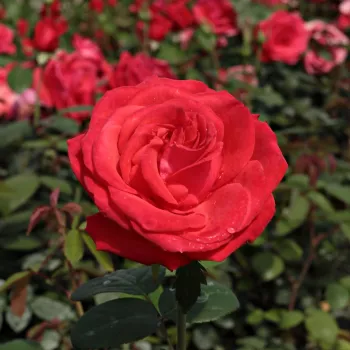
Large, double, high-centred hybrid tea blooms, usually borne singly; 26–39 petals create a full, exhibition-type form suited to cutting, with strong pointed buds and good repeat (remontant) flowering through the season. |
| Colour data and phenology |
Velvety coral-scarlet red with orange tones, ARS MR; outer petals near RHS 53B, inner 46A; opens fiery, then softens to brick–peach pink with paler, creamy edges as it ages, retaining a harmonious, warm overall impression. |
| Fragrance and aroma |
Classic tea-hybrid character with a clearly perceptible, medium-strength tea scent; fragrant enough to enjoy at close quarters or in a vase, without overwhelming nearby seating areas or small, enclosed garden spaces. |
| Hip characteristics |
Occasionally produces ellipsoidal orange-red hips, about 10–14 mm across; ornamental effect is modest but noticeable in autumn, and hip formation is reduced if spent flowers are regularly removed for repeat blooming. |
| Resistance and winter hardiness |
Good resistance to black spot, powdery mildew and rust; hardy to around –21 to –18 °C (RHS H7, USDA 6b, Swedish zone 3) when properly established, benefiting from mulching in colder or more exposed garden sites. |
| Horticultural recommendations |
Best in full sun with fertile, well-drained soil; moderate drought tolerance but needs watering in prolonged dry spells; spacing 55–100 cm depending on use; deadheading and light annual pruning support continual flowering. |
SEÑORA DE BORNAS™ offers romantic, fragrant, cut-worthy blooms, reliable disease resistance and long-lived own-root resilience; a cultivated, easy-care choice if you would like a classic red hybrid tea in your garden.