SEBASTIAN KNEIPP® – white hybrid tea rose
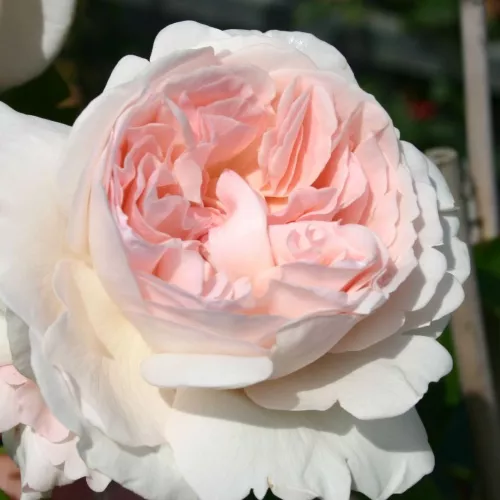
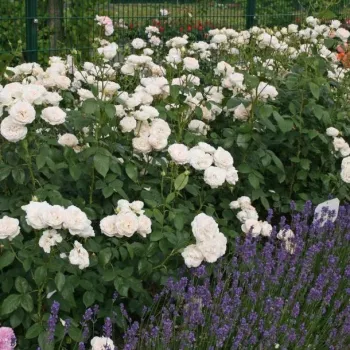
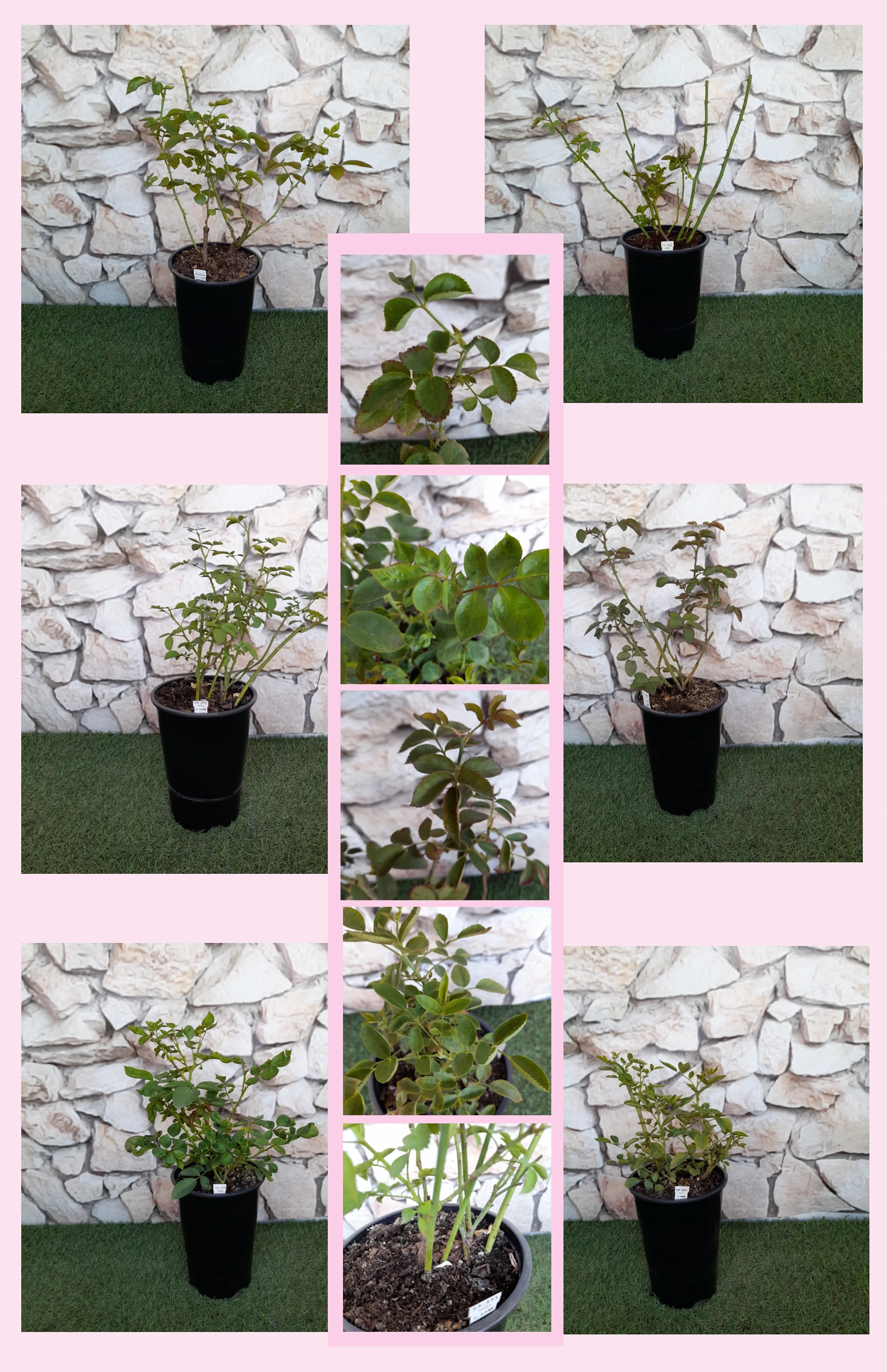
With its creamy‑white, pearly‑pink blooms and upright, elegant habit, SEBASTIAN KNEIPP® brings a romantic, storybook feeling to an English‑style cottage plot or compact family garden. This hybrid tea was bred by Kordes for reliable health, so you can enjoy generously repeating flowers with relatively little maintenance, even where damp weather can encourage fungal problems. The strong, long‑lasting myrrh fragrance makes it ideal beside a seating area for afternoon tea beneath an arbour, while its long, straight stems give cutting‑garden value for vases indoors. Supplied as a robust own‑root plant in the pharmaROSA® ORIGINAL 2‑litre pot, it establishes steadily for a long lifespan and easier regeneration if ever cut back hard. In heavier soils, a modestly raised bed or well‑drained border helps it cope with wet, breezy conditions, and it performs equally well as a scented specimen or as part of a classic flowering hedge.
Usage options
| Target area |
Reasoning |
| Feature rose near a seating area or terrace |
The strong, long‑lasting myrrh scent carries beautifully in still evening air, while the tall, upright framework lifts the creamy‑white flowers to nose level as you sit. Ideal where you want a single, reliable highlight for those who enjoy fragrant relaxation, afternoon-tea lovers. |
| Romantic cut‑flower corner in a family garden |
Long, straight stems and very full, exhibition‑style blooms make this variety excellent for cutting, giving plenty of classic hybrid tea roses for vases and gifts without needing specialist greenhouse conditions, suiting home-florist gardeners. |
| Cottage‑style border with soft whites and pastels |
The delicate creamy‑white and pearly‑pink tones blend effortlessly with traditional cottage plants, creating a gentle, “girly” palette that never clashes and works especially well against dark green foliage, appealing to romantic-styling enthusiasts. |
| Low‑maintenance flowering hedge or boundary row |
Its dense foliage, upright habit and recommended 60–70 cm spacing allow you to form a flowering hedge that screens views while offering repeat flushes of bloom, with little more than annual trimming, perfect for practical-family owners. |
| Mixed bed in heavier or clay‑leaning soils |
This variety’s robust root system and good disease resistance suit typical British gardens; in heavier clay, a slightly raised, well‑drained strip helps it anchor and flower dependably through wet, windy spells, reassuring for real-world gardeners. |
| Own‑root planting for long‑term, low‑risk investment |
As an own‑root rose, it does not rely on graft unions, so if hard‑pruned or weather‑damaged it regenerates true to type, building a broader base over the years for a stable display, attractive to long-view planners. |
| Flexible pruning for busy or inexperienced gardeners |
The upright hybrid tea framework responds well whether you prune lightly for height and screening or harder for larger blooms, meaning you can adapt care to the time you have each winter without compromising health, ideal for time-poor beginners. |
| Large containers on patios or front drives |
In a well‑watered 40–50 litre container with quality compost, its vertical habit and repeat flowering create a strong vertical accent by doors or along drives, while own‑root vigour supports long life in pots, suiting space-conscious householders. |
Styling ideas
- Arbour Romance – Train SEBASTIAN KNEIPP® as a tall, upright feature at each side of a simple wooden arbour, underplanting with Brunnera and hostas for a cool, shaded tea corner – for lovers of scented, storybook seating areas.
- Pastel Cutting Patch – Group three roses in a sunny bed, interplanted with soft pink salvias and airy grasses, to provide armfuls of long‑stemmed blooms from summer into autumn – for home florists who value repeat cut flowers.
- Cottage Hedge – Plant a row at 60–70 cm spacings along a path, weaving in lavender and catmint at the base, to form a fragrant, low‑maintenance white hedge – for families wanting traditional structure with minimal fuss.
- Shaded Elegance – Use in light partial shade with hostas and ferns, where the creamy‑white blooms and glossy foliage brighten a north‑ or east‑facing aspect – for urban gardeners making the most of imperfect light.
- Patio Centrepiece – Grow a single plant in a 50 litre terracotta pot with trailing thyme and lobelia around the rim, placing it by the front door for season‑long welcome colour – for homeowners seeking a smart, flexible focal point.
Technical cultivar profile
| Characteristic |
Data |
| Name and registration |
Hybrid tea rose; registered as KORpastato, marketed as Sebastian Kneipp® Hybrid tea rose KORpastato; ARS exhibition name Sebastian Kneipp; own‑root in pharmaROSA® ORIGINAL 2‑litre pots. |
| Origin and breeding |
Bred by Tim‑Hermann, Wilhelm and Margarita Kordes at W. Kordes’ Söhne, Germany; introduced 1997 by W. Kordes & Sons; parentage officially unknown; commemorates Sebastian Kneipp’s centenary. |
| Awards and recognition |
Recognised in European rose trials: third prize Geneva 1999, silver medal Kortrijk 1999, bronze medal Magdeburg 1999; appreciated for balanced combination of beauty, fragrance and garden performance. |
| Growth and structural characteristics |
Upright hybrid tea habit, 120–160 cm high, 85–115 cm spread; densely thorned, with dark green, slightly glossy foliage; forms a bushy, well‑filled framework suitable for specimens, hedges and mixed beds. |
| Flower morphology |
Large, very full rosette blooms with 40+ petals, usually in small clusters; remontant with generous repeat flushes through the season; weak self‑cleaning means spent blooms benefit from occasional deadheading. |
| Colour data and phenology |
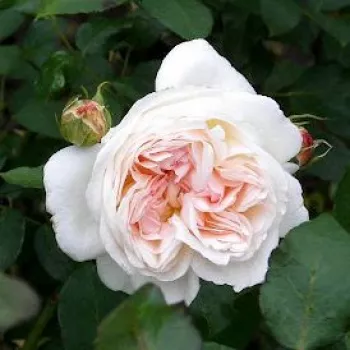
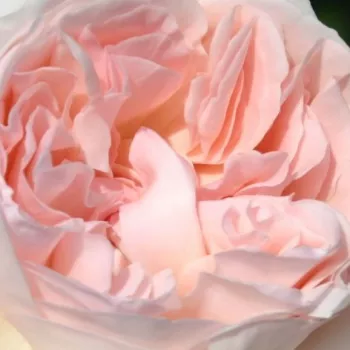
Delicate creamy‑white ground with pearly‑pink flush to the centre; buds ivory with a butter‑yellow hint; colour evens to soft white as flowers mature; ARS WBl, RHS 155D/158C; good display in beds and vases. |
| Fragrance and aroma |
Strong, long‑lasting fragrance with pronounced myrrh character; best appreciated near seating or paths; heavily double flowers mainly ornamental rather than pollinator plants; suitable for scented cut‑flower use. |
| Hip characteristics |
Due to very double flowers, only occasional small spherical hips produced; typically 6–10 mm diameter, red when mature; ornamental value minor compared with foliage and bloom display. |
| Resistance and winter hardiness |
Rated resistant to powdery mildew, black spot and rust; hardy to approximately –21 to –18 °C (RHS H7, USDA 6b, Swedish zone 3); moderate heat and drought tolerance, requiring regular watering in dry spells. |
| Horticultural recommendations |
Best in fertile, well‑drained soil; plant 70 cm apart in beds, 60 cm for hedges, 110 cm as specimens; allow 2.0–2.3 plants/m² in massed schemes; suitable for partial shade and for large containers from 40–50 litres. |
SEBASTIAN KNEIPP® offers fragrant, creamy‑white hybrid tea blooms, dependable disease resistance and own‑root longevity in a practical 2‑litre form; a thoughtful choice if you would like a lasting, romantic highlight in your garden.