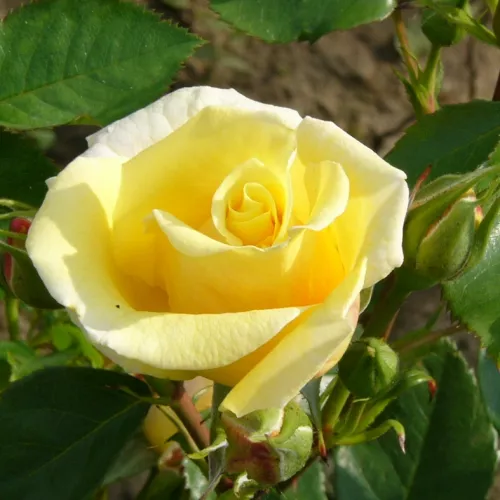
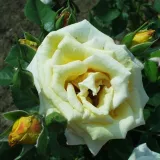
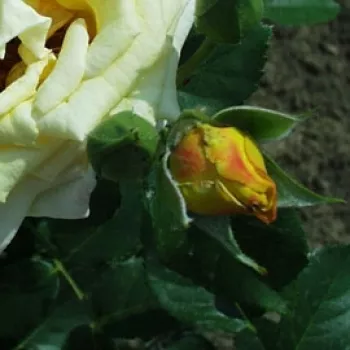
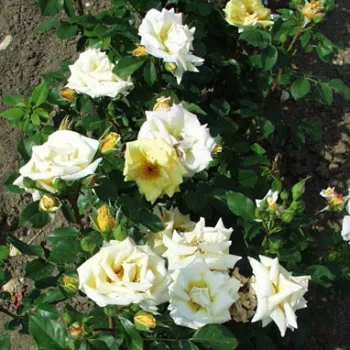
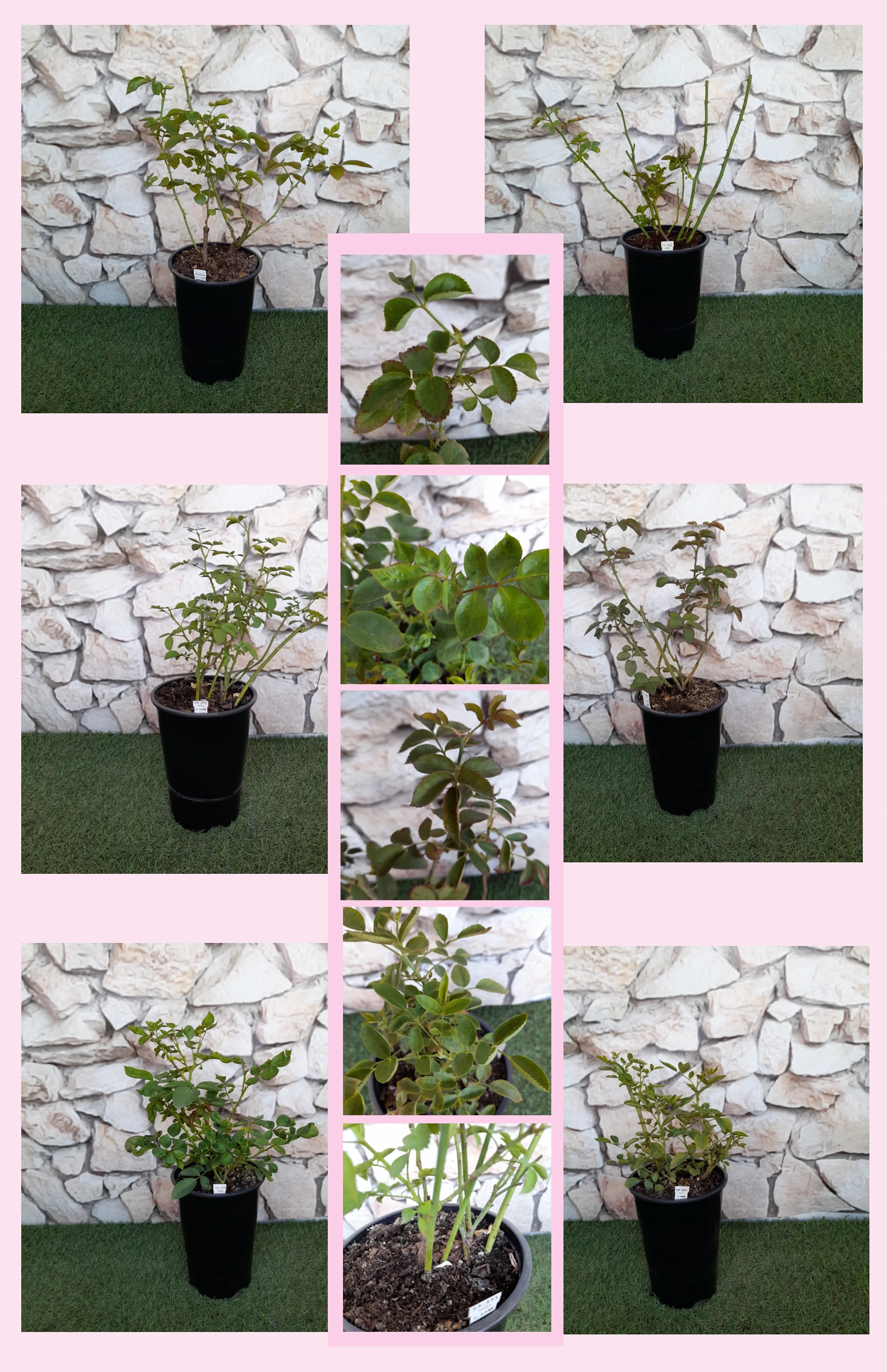
Schöne Veitshöchheimerin – yellow bedding floribunda rose
Golden clusters of cupped blooms bring an instant cottage-garden charm, creating a romantic, storybook feel in even the smallest family plot, while its bushy, compact habit fits neatly into borders and kitchen-garden paths. This own-root rose settles securely even where the soil is heavy, provided you give it simple drainage so it copes well with wetter, windier conditions, then rewards you with dense, glossy foliage and generous repeat flowering from early summer onwards. Over time the well-anchored root system supports a long-lived, reliable structure, with plants regenerating cleanly from the base if ever cut back hard, which makes pruning flexible and unintimidating for newer gardeners. In its first year it focuses on roots, the second year on stronger shoots, and by the third it shows its full ornamental potential in your cottage-style beds.
Usage options
| Target area | Reasoning |
|---|
| Front-of-border cottage bedding strip |
This rose’s bushy, compact habit and 65–95 cm height create a tidy yet full front-of-border line that works especially well in smaller UK family gardens. It forms a low “wall” of foliage and flowers without shading herbs or vegetables behind it, ideal where you want a soft but defined edge along a path or lawn. The consistent, moderate size also simplifies layout decisions for newer gardeners and keeps maintenance light for a busy urban owner. |
| Mass planting for colourful summer impact |
Clustered flowering with 3–7 blooms per stem and abundant remontant flushes makes this cultivar excellent for mass planting at 4–5 plants per m². The golden-yellow colour reads strongly from a distance and fades gently to cream, giving depth and movement across a bed from June onwards. Square or hexagonal planting quickly produces a cohesive, tapestry-like effect suitable for family gardens wanting park-style impact with minimal complexity for a beginner gardener. |
| Low informal flowering hedge |
Planted at 40 cm intervals, the dense, glossy mid-green foliage knits together into a low, informal hedge that looks at home in an English-style cottage plot. The moderate prickliness discourages cutting through the hedge, subtly guiding children and pets while remaining manageable for pruning and light shaping. Seasonal colour, structure and a soft boundary are combined in one straightforward planting line, suiting a traditional-look homeowner. |
| Mixed cottage bed with perennials and herbs |
The floribunda growth form and repeat flowering help this rose hold its own beside airy companions like Knautia or spurge, while the 2–3.1 ft height layers neatly in front of taller perennials. Its soft, fruity, mild fragrance adds a gentle background note without overpowering herbs around a patio or kitchen-garden edge. This makes a relaxed, “girly” cottage mix very easy to achieve for a romantic-style enthusiast. |
| Durable planting for long-term garden structure |
As an own-root plant, this variety is bred to form a stable, long-lived framework that regenerates reliably from the base rather than depending on grafted union points. Even if frosts or pruning reduce top growth, it re-sprouts true to type, preserving the look you originally chose. This safeguards your planting plan over many years with less risk of sudden loss, appealing to a family garden planner. |
| Containers and large pots on terrace or patio |
The moderate eventual size and bushy outline suit large containers of at least 40–50 litres, where roots have space to anchor and resist drying out. Its repeated flushes of golden to cream-yellow flowers give a bright focal point near seating areas for afternoon tea or evening relaxation. Simple, once- or twice-yearly feeding and light pruning maintain a neat shape, which is ideal for a time-poor city dweller. |
| Weather-exposed beds in typical UK conditions |
This cultivar copes well with sites where winds bring frequent showers if the planting hole is improved for drainage, helping it handle wetter, breezier British weather without fuss. Medium disease resistance and moderate heat/drought tolerance simplify routine care, with occasional plant protection usually sufficient in high-pressure seasons. This dependable, forgiving temperament suits a low-maintenance seeker. |
| Small family garden with limited gardening time |
The medium maintenance rating, manageable size and easy-to-understand pruning make this rose well suited to owners with other demands on their time. You can enjoy repeating flushes of soft, fruity-scented yellow blooms on glossy foliage with just basic seasonal tasks and periodic checks for common rose diseases. Own-root vigour and resilience let it recover from any beginner mistakes, providing reassurance for a hobby gardener. |
Styling ideas
- COTTAGE-RIBBON BORDER – Run a single or double row along a lawn edge, interspersed with Santolina and low lavender for contrast – suited to a traditional-look homeowner.
- KITCHEN-GARDEN ENTRANCE – Flank the entrance to vegetable beds with paired plants in large terracotta pots to create a sunny, welcoming gateway – ideal for a romantic-style enthusiast.
- GOLDEN MASS PLANTING – Fill a rectangular bed at 4–5 plants/m² for a carpet of yellow that fades to cream, echoing classic park planting – for a family garden planner.
- MIXED PERENNIAL WEAVE – Combine with airy Knautia and Euphorbia ‘Fens Ruby’ to weave warm yellows through burgundy and green – perfect for a hobby gardener.
- LOW STORYBOOK HEDGE – Edge a path with closely spaced plants, letting their bushy structure form a soft, romantic boundary – designed for a low-maintenance seeker.
Technical cultivar profile
| Parameter | Data |
|---|
| Name and registration |
Schöne Veitshöchheimerin bedding floribunda rose from the Bedding rose collection; shrub-style floribunda for beds and borders, named after the Bavarian town Veitshöchheim, premium silver quality grade. |
| Origin and breeding |
Bred by Márk Gergely in Hungary in 1991, later introduced by PharmaRosa® Ltd. in 2021; parentage unknown, typical of robust Hungarian garden roses selected for decorative bedding uses. |
| Growth and structural characteristics |
Bushy floribunda rose reaching around 65–95 cm high and 60–85 cm wide, with dense, glossy mid-green foliage, moderate prickles and a compact, rounded outline suitable for bedding, edging and informal hedges. |
| Flower morphology |
Large, double, cupped blooms with 26–39 petals, typically borne in clusters of 3–7 per stem; remontant habit with abundant second flowering providing good seasonal coverage in well-sited garden beds. |
| Colour data and phenology |
Intense golden yellow flowers opening from bright lemon-yellow buds, later fading to pale cream-yellow with ivory petal tips; colour retention moderate, giving soft tonal variation across the shrub as blooms age. |
| Fragrance and aroma |
Mild but noticeable fragrance with a soft, fresh, fruity character; suitable where a light background scent is preferred over strong perfume, making it comfortable for close seating areas and family spaces. |
| Hip characteristics |
Produces spherical orange-red hips, around 7–11 mm in diameter, usually in moderate numbers; hips add a discreet seasonal accent in late season without dominating the plant’s overall decorative effect. |
| Resistance and winter hardiness |
Rated H7 with approximate hardiness to around −21 to −18 °C, suitable for most UK regions; disease resistance medium to common rose diseases, with similar cultivars tolerating heat and moderate drought reasonably. |
| Horticultural recommendations |
Best at 40–80 cm spacing depending on use; plant 4–5 per m² for mass effect. Medium maintenance, with periodic plant protection advisable; works in beds, parks, urban greens and domestic cottage-style gardens. |
Schöne Veitshöchheimerin offers compact, bushy structure, generous repeat flowering and long-lived, own-root resilience, making it a thoughtful choice for relaxed, romantic cottage-style borders and family gardens.