SAUDECI – ‘Byblos’ apricot hybrid tea rose
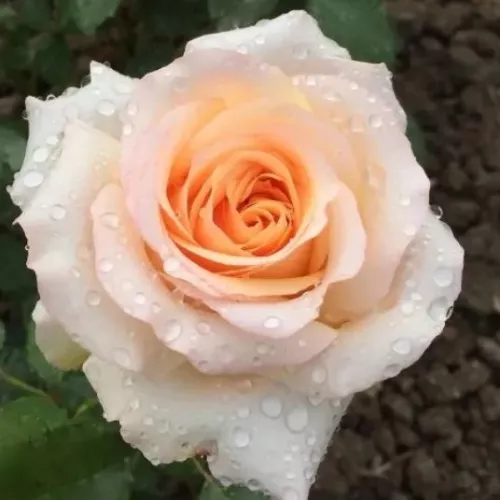
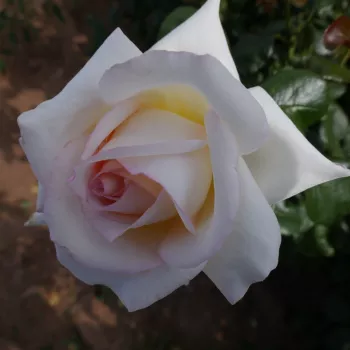
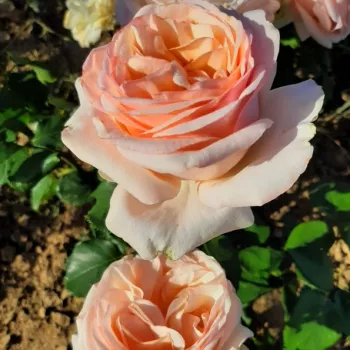
Bring a touch of storybook romance to your garden with SAUDECI (‘Byblos’), a bushy hybrid tea whose large, high‑centred blooms open in a soft peach and gently blush to cream‑rose tones. Bred for low‑input gardens, it offers reliably healthy, glossy foliage and excellent disease resistance, so You spend more time enjoying its very strong, fruity fragrance than dealing with sprays or complicated tasks. This own‑root shrub establishes steadily and lives a long, stable life, rooting firmly even where wind and rain often buffet exposed coastal plots. In the first years it focuses on underground strength, then on leafy structure, and finally on a full display of elegant, cut‑flower‑quality blooms that suit everything from a cottage border to a smart patio setting.
Usage options
| Target area | Reasoning |
|---|
| Main view from the patio or kitchen window |
The large, high‑centred flowers read clearly from a distance, and their warm peach tones stay harmonious with most brick, render and timber finishes. Strong fragrance carries through open doors and windows, giving everyday views a quietly luxurious feel – ideal for the romantic cottage‑style homeowner. |
| Small front garden focal shrub |
Its bushy yet compact habit (around 70–95 cm) fits neatly into tight front plots without overwhelming paths or parking bays. Dense, glossy foliage keeps the plant looking tidy between flushes, so even brief curb‑side glimpses feel polished – helpful for busy families. |
| Rose and perennial cottage border |
Regular repeat flowering and classic hybrid tea form bring structure amongst looser cottage plants. The apricot‑peach colour blends gently with pinks, creams and mauves, avoiding harsh clashes. Over time, the own‑root shrub matures into a reliable, long‑lived anchor for evolving borders – reassuring for long‑term‑minded gardeners. |
| Cutting patch for home arrangements |
Long‑stemmed, pointed buds and XL blooms are easy to cut for vase use, echoing florists’ roses without the technical upkeep. Steady remontant flowering ensures a regular supply of stems through the season, so informal bouquets become part of everyday life for creative hobbyists. |
| Low‑maintenance family area planting |
High resistance to black spot, mildew and rust keeps foliage green and presentable with minimal intervention, even in wetter, fungus‑prone regions. Own‑root growth allows good recovery from the occasional knock or accidental hard prune in play spaces – practical for active families. |
| Exposed or breezy garden positions |
The compact, bushy structure reduces wind rock, while own‑root anchoring helps it settle securely and regrow if stems are damaged. This gives confidence to plant where views are best but shelter is limited, balancing romance with robustness for coastal‑adjacent owners. |
| Large containers on terrace or balcony (40–50 L+) |
Its moderate height and upright habit suit substantial planters of at least 40–50 litres, where roots can develop fully for many years. Fragrance is concentrated at seating height, transforming modest terraces into intimate “afternoon tea” corners – attractive for time‑poor urban residents. |
| Long‑term feature for evolving gardens |
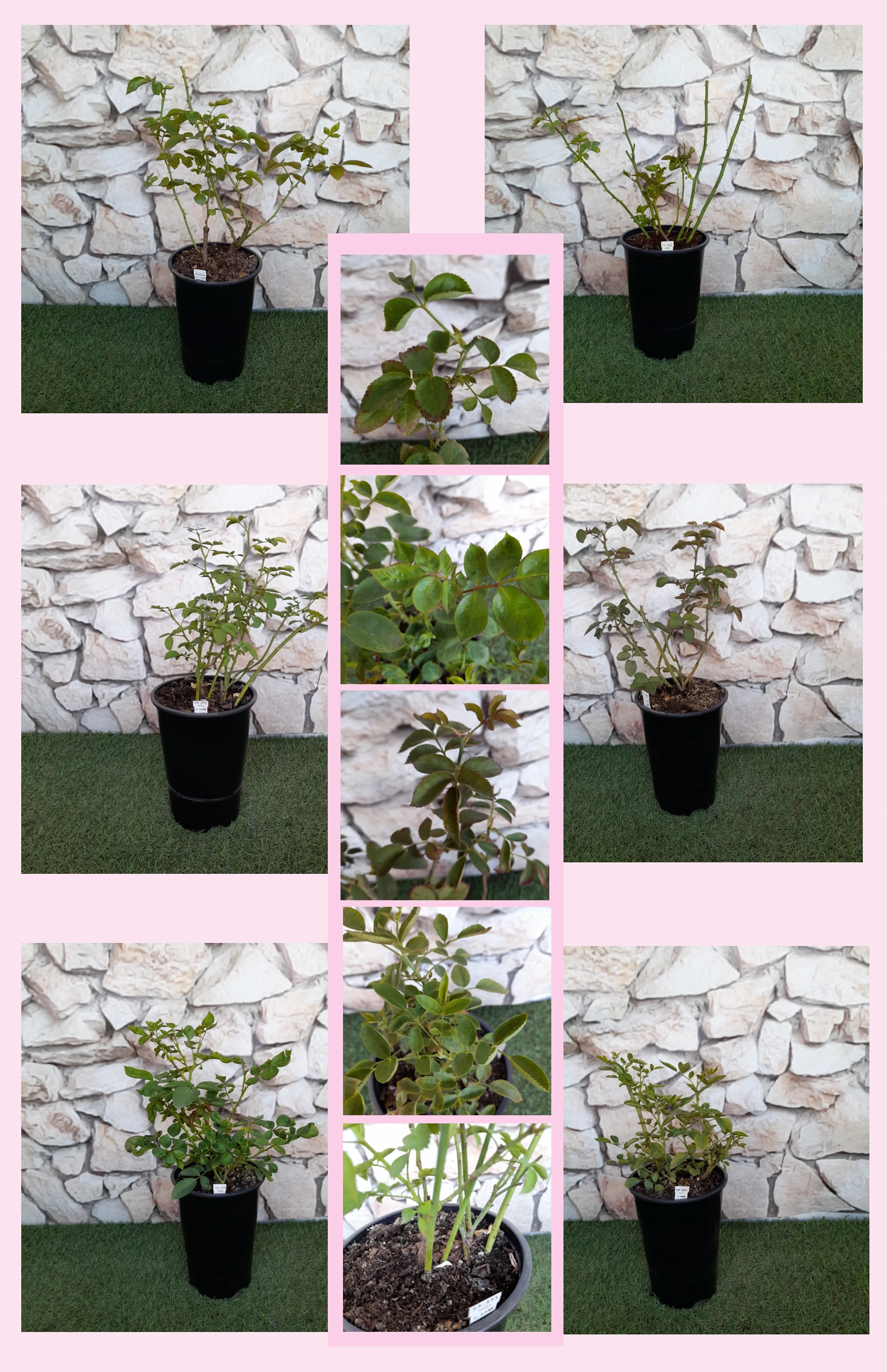
As an own‑root rose it builds longevity: first concentrating on roots, then on leafy framework, and by about the third year offering its full ornamental show. This predictable development helps with long‑range border planning and phased projects, suiting forward‑planning planners. |
Styling ideas
- Tea‑on‑the‑patio – Position near a bistro set with lavender and thyme edging so fragrance pools around seating – for homeowners who want everyday moments to feel quietly special.
- Cottage‑border – Thread through a mixed border with foxgloves, hardy geraniums and dwarf deutzia to soften paths and create layered, romantic views – for lovers of classic English country gardens.
- Front‑door‑welcome – Flank a path with two shrubs underplanted with low catmint to frame the entrance in scent and soft colour – for families aiming to upgrade kerb appeal without high maintenance.
- Elegant‑hedge – Plant in a loose row at 50–60 cm spacings, interspersed with Japanese barberry, for a refined, subtly colourful division between lawn and kitchen garden – for gardeners seeking structure with charm.
- Balcony‑retreat – Grow in a 50–60 L container with trailing helichrysum and ornamental grasses to create a scented reading nook – for busy urban residents wanting maximum atmosphere in minimal space.
Technical cultivar profile
| Parameter | Data |
|---|
| Name and registration |
Hybrid tea rose; registered as SAUdeci, marketed as SAUDECI / NIRPARFUM / SAUdeci, exhibition name ‘Byblos’. Belongs to the NIRPARFUM collection, suitable as shrub and cut flower type. |
| Origin and breeding |
Bred by Bernard Sauvageot for NIRP International S.A. in France, introduced around 2017. Parentage not disclosed; selected for refined form, fragrance and reliable garden performance. |
| Growth and structural characteristics |
Compact, bushy shrub about 70–95 cm high and 50–70 cm wide, with dense, dark green, glossy foliage and moderate thorns. Suits beds, borders and substantial containers in family gardens. |
| Flower morphology |
XL, double, high‑centred blooms with 26–39 petals, classic pointed buds and mainly solitary flowers. Strongly remontant with an abundant second flowering, ideal for cutting and display. |
| Colour data and phenology |
Soft peach with a delicate rosy veil; buds peach‑pink with slight yellow, opening to rich peach, then fading to peach‑cream with a pinkish tint. Colour stability moderate in sun and over bloom life. |
| Fragrance and aroma |
Very strong, rich fruity perfume, clearly noticeable at a distance in still air. Highly suitable where scented seating areas or cut flowers for indoor fragrance are a priority in the garden plan. |
| Hip characteristics |
Occasional spherical hips 10–14 mm across, orange‑red when ripe, adding a modest decorative note in late season without significantly affecting ornamental flowering performance. |
| Resistance and winter hardiness |
Good overall disease resistance, rated resistant to powdery mildew, black spot and rust. Hardy approximately to −21 to −18 °C (RHS H7; Swedish Zone 3; USDA 6b) under normal garden conditions. |
| Horticultural recommendations |
Plant at 50–60 cm for hedging, 60 cm for groups or 90 cm as a specimen. Best in fertile, well‑drained soil; minimal pruning needed beyond light shaping and removal of dead or weak shoots annually. |
SAUDECI (‘Byblos’) offers large, fragrant peach blooms, dependable disease resistance and long‑lived own‑root resilience, making it a graceful, low‑effort choice for those planning a quietly romantic garden centrepiece.