SASAD – pink hybrid tea rose – Márk
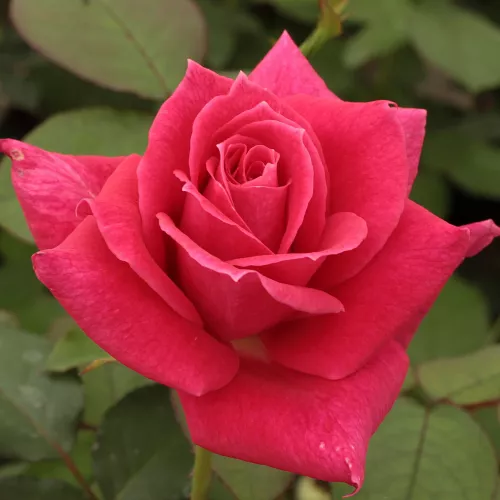
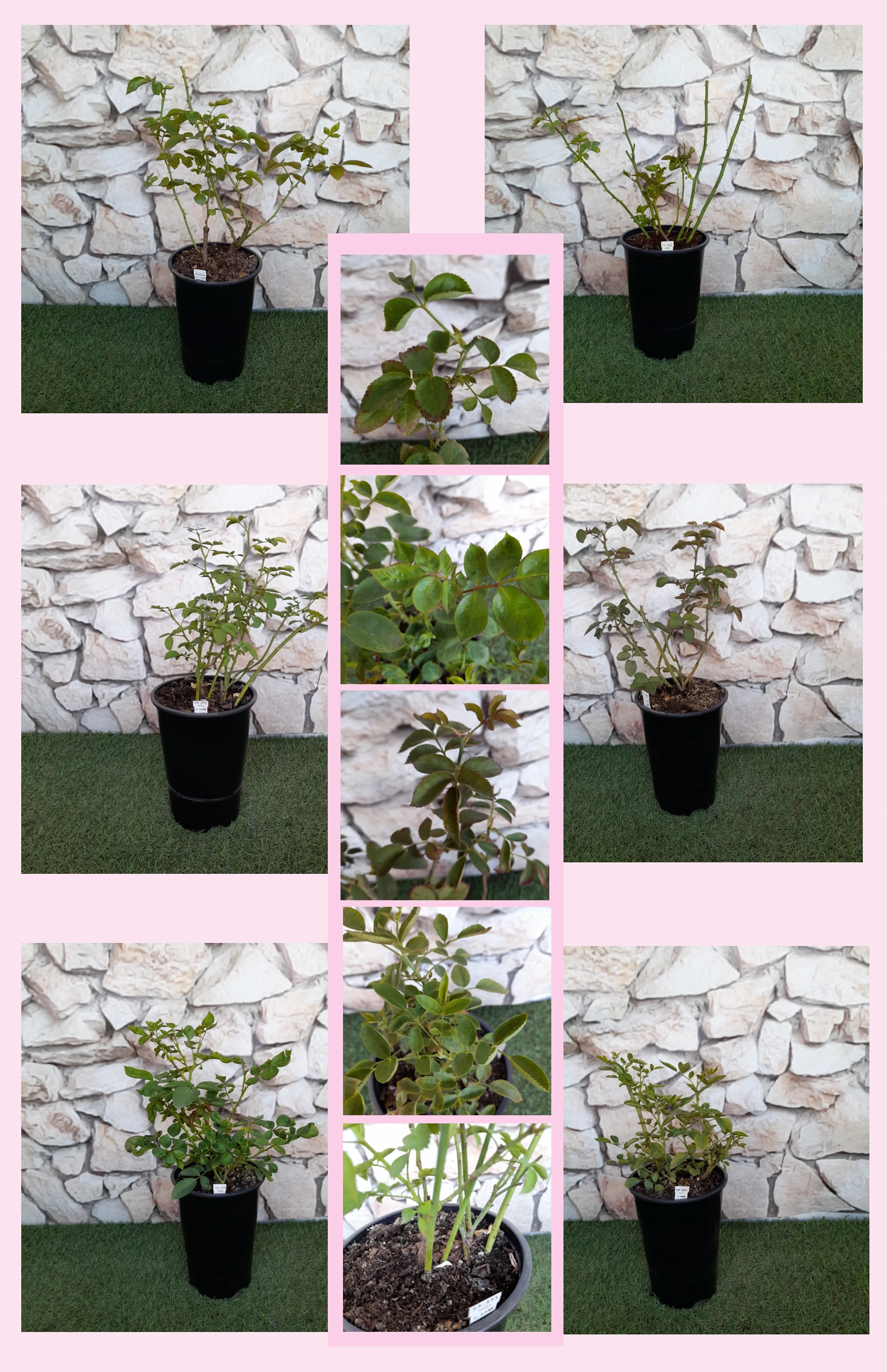
With its graceful mid‑pink blooms and upright habit, SASAD brings a quietly romantic focus to the family garden, evoking the feeling of afternoon tea by a cottage arbour even where gardens face coastal weather or heavier soils. This hybrid tea is bred for reliable flowering and low‑effort maintenance, so you can enjoy classic, cupped blooms for cutting without complicated care routines. As an own‑root rose, it builds strength steadily and repays simple, regular watering and basic pruning with long‑term health, dependable structure and ornamental value that settles naturally into borders, hedging lines and larger containers over the years. In a 40–50 litre pot or open ground, it offers resilient garden presence and a softly fruity tea fragrance that suits relaxed, storybook spaces.
Usage options
| Target area | Reasoning |
|---|
| Feature rose in a small front garden bed |
The upright, bushy structure stays within 80–110 cm, giving a clear, elegant focal point without overwhelming a modest space, while the mid‑toned pink fits most brick, render and paving colours for homeowners seeking harmonious kerb appeal for beginners. |
| Romantic cottage‑style mixed border |
Repeat‑flowering, double blooms appear from early summer in successive waves, providing dependable colour among perennials, herbs and low hedging; minimal deadheading keeps the bed tidy, ideal where you want a long season of interest for cottage‑gardeners. |
| Cutting patch or kitchen‑garden edge |
Large, solitary, cupped flowers on sturdy stems are easy to cut for the vase, bringing their clear pink tone and tea‑fruity scent indoors; planting in a simple row along a veg or herb plot creates practical access and charming bunches for home‑florists. |
| Low‑maintenance family garden border |
Good resistance to black spot, powdery mildew and rust means fewer sprays and less worry in busy households; the own‑root plant regenerates well after pruning or weather damage, supporting a long, stable life with minimal specialist care for busy‑owners. |
| Roses near patios, seating and play spaces |
The moderate, clearly noticeable tea‑fruity fragrance is best appreciated close up, making SASAD suitable by a terrace or bench; its mid‑green, slightly glossy foliage adds a neat background that looks cared‑for even when your gardening time is limited for relaxation‑seekers. |
| Planting in large containers on terraces |
In a 40–50 litre or larger container with good drainage, the strong root system of this own‑root plant anchors it well and supports repeat flowering; year by year, the plant thickens and keeps its form, without the decline often seen in grafted roses for balcony‑owners. |
| Traditional rose hedge or row along paths |
Regular spacing at 50–60 cm creates a defined, upright line of bushes that read as a soft pink hedge; disease resistance, moderate prickliness and reliable structure give a practical, long‑lived boundary that still looks welcoming for family‑gardens. |
| Borders in exposed or heavier‑soil gardens |
Own‑root plants establish a firm, resilient framework, coping well once settled in areas where wind and wet weather can rock less‑anchored roses, especially when planted into improved soil or raised sections; this gives reassuring stability and continuity for new‑gardeners. |
Styling ideas
- Cottage Row – Line SASAD along a path with lady’s mantle and lavender for a soft, romantic pink‑and‑lime edging – perfect for lovers of traditional English cottage borders.
- Kitchen Nook – Place a small group near herbs and a bench so you can cut scented stems on your way back from the veg patch – ideal for home cooks who enjoy garden‑to‑table flowers.
- Front‑Door Welcome – Flank an entrance with SASAD in large 40–50 litre terracotta pots, underplanting with low catmint for a gentle, storybook arrival – suited to townhouses and compact plots.
- Pastel Screen – Create a loose hedge with mock orange behind SASAD for layered blossom and fragrance in early summer – a calm solution for families wanting privacy without harsh fencing.
- Evening Corner – Combine SASAD with pale campanulas and silvery foliage plants in a seating area so its pink blooms and fruity scent stand out at dusk – appealing to those who unwind outdoors after work.
Technical cultivar profile
| Parameter | Data |
|---|
| Name and registration |
SASAD – pink hybrid tea rose – Márk; hybrid tea group; exhibition‑quality blooms suitable for cutting and garden display; commercial type and group: hybrid tea rose. |
| Origin and breeding |
Bred by Márk Gergely at the Budapesti Kertészeti Kutató Intézet, Hungary; breeding year 1967; introduced to the market through PharmaRosa® Ltd. as an own‑root garden rose. |
| Growth and structural characteristics |
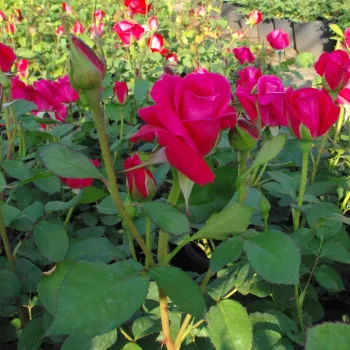
Upright, bushy habit reaching about 80–110 cm high and 50–70 cm wide; moderately thorny shoots, mid‑green, slightly glossy foliage of moderate density; suited to beds, rows and larger containers. |
| Flower morphology |
Large, double blooms with 26–39 petals; solitary, cupped flowers of medium height; repeat‑flowering with an especially abundant second flush when regularly deadheaded and lightly fed. |
| Colour data and phenology |
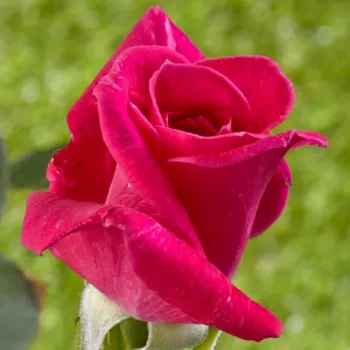
Even mid‑pink with a warm, peachy undertone; buds slightly darker at the tip; silvery reflexes on petal edges; colour fades gently to light pink with a hint of cream as the blooms age. |
| Fragrance and aroma |
Moderately strong, clearly noticeable scent with a pleasant tea‑fruity character; best enjoyed close to seating areas or paths; fully double form limits pollen access, so mainly ornamental in pollinator terms. |
| Hip characteristics |
Produces moderate numbers of ellipsoid hips, around 12–16 mm in diameter; orange‑red at maturity, adding a discreet autumn accent without dominating the plant’s overall appearance. |
| Resistance and winter hardiness |
Hardy to about −21 to −18 °C (RHS H7, roughly USDA 6b); good resistance reported to black spot, powdery mildew and rust under typical garden conditions when planted in a sunny, airy position. |
| Horticultural recommendations |
Best in full sun with well‑drained but moisture‑retentive soil; recommended spacing 50–100 cm depending on use; low maintenance needs, with routine deadheading and winter pruning sufficient for most gardens. |
SASAD offers romantic pink blooms, reliable repeat flowering and low maintenance in a long‑lived own‑root form, making it a thoughtful choice for gardeners seeking enduring beauty with straightforward care.