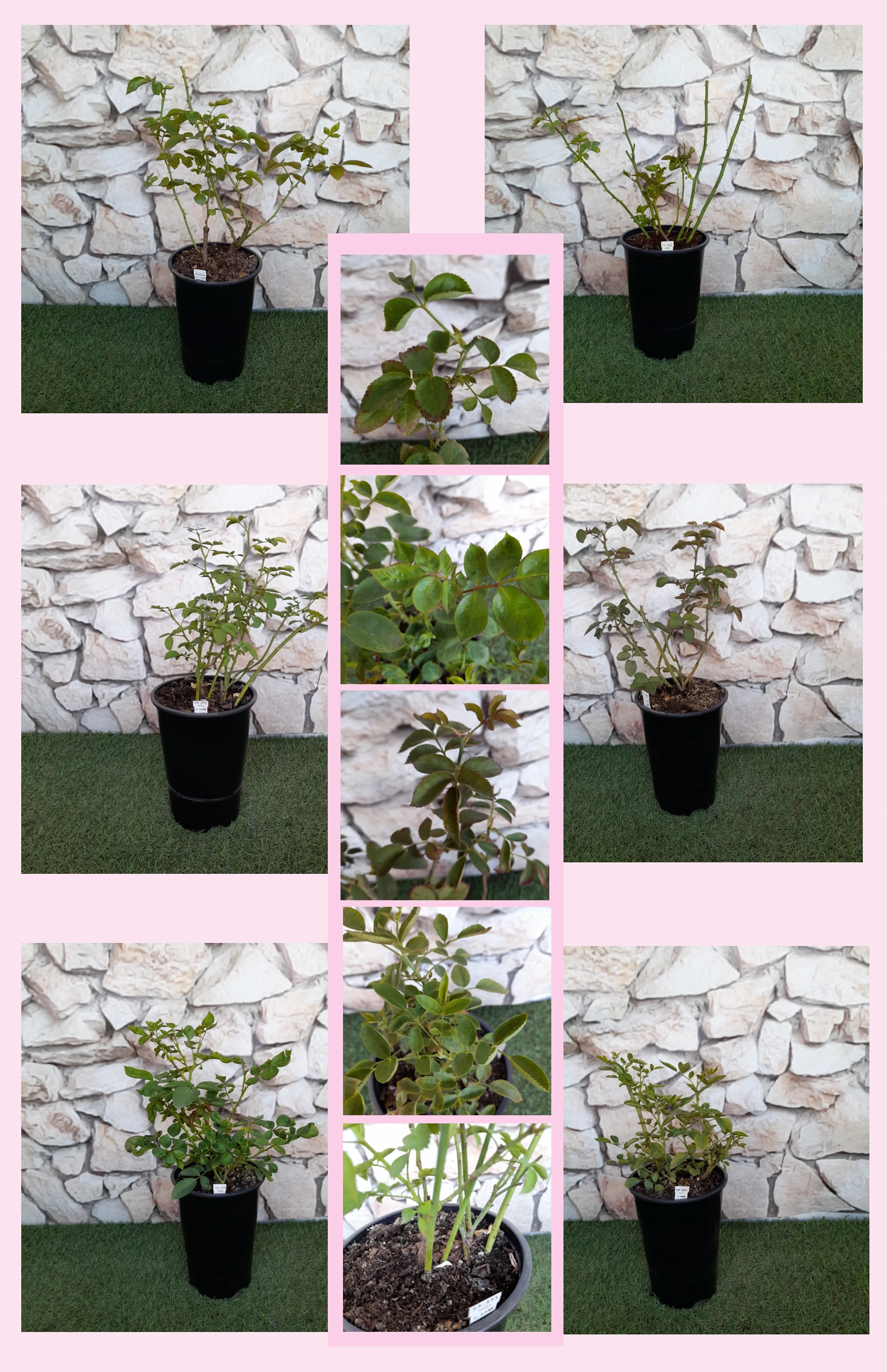
ROSA PIMPINELLIFOLIA SINGLE CHERRY – dark red landscape shrub rose
For a truly romantic cottage-garden feel, Single Cherry brings a flush of deep cherry-red, single blooms that glow against mid‑green foliage and invite bees to linger over afternoon tea. This tough, botanical shrub rose is naturally hardy, thrives in poorer soils and shrugs off blustery weather in exposed, breezier gardens near the coast. Once flowering, it covers its branches in large, cup‑shaped blooms that cleanly drop their petals, revealing glowing stamens and then decorative black hips for autumn and winter interest. As an own‑root shrub it settles in for the long term, quietly regenerating from the base and building dependable structure with very little attention, so routine care stays reassuringly simple. Over the first few seasons it develops strong roots, then fuller shoots, before maturing into its full ornamental presence and wildlife habitat. Well suited to loose hedges, boundary lines and kitchen‑garden edges, it offers a cosy, storybook backdrop for family life.
Usage options
| Target area |
Reasoning |
| Low-maintenance family border shrub |
Bred as a robust botanical shrub, this rose forms a bushy framework with dense foliage and good natural health, so day‑to‑day care is minimal beyond occasional shaping and watering in dry spells, making it ideal for time-poor beginners. |
| Wildlife-friendly cottage garden |
The single, open flowers are rich in pollen and nectar, followed by small, black hips relished by birds, so one planting supports bees in summer and garden birds in winter, suiting wildlife‑minded homeowners. |
| Informal flowering hedge |
Planted at hedge spacing, the densely thorned, bushy growth creates a characterful, informal barrier with spring blossom and dark hips, discouraging unwanted shortcuts while remaining attractive, a good choice for privacy‑seeking families. |
| Coastal or exposed garden strip |
Its tolerance of dry, poorer soils and wind, together with very high winter hardiness, means it copes well in breezier gardens where other roses may struggle, offering a dependable option for coastal‑adjacent gardeners. |
| Water-wise rose border |
This variety accepts relatively dry, nutrient‑poor ground once established, needing only supplementary watering in prolonged drought, so it fits a water‑aware planting plan for climate‑conscious buyers. |
| Pollinator-focused rose and herb bed |
The large, cherry‑red single blooms with prominent golden stamens are easy for insects to access and are noted on specialist pollinator lists, bringing movement and gentle buzz beside seating areas valued by nature‑loving urbanites. |
| Large container on terrace or patio |
In a 40–50 litre or larger container with good drainage, it offers a sturdy, seasonal focal point of blossom and hips near doors or seating, while remaining structurally compact enough for style‑conscious balcony-owners. |
| Traditional park-style grouping in small gardens |
Used in loose groups at recommended spacing, it creates a simple, park‑like rhythm of spring colour and autumn hips with limited pruning requirements and good disease resistance, suiting those seeking classic charm with little upkeep in everyday gardens. |
Styling ideas
- Cottage-Romance – Combine with soft pink peonies, foxgloves and grey-leaved herbs to echo traditional English cottage borders – ideal for nostalgic rose lovers.
- Kitchen-Hedge – Line a vegetable patch with a loose row, underplanting with chives and thyme for a fragrant, productive edge – perfect for kitchen‑garden enthusiasts.
- Wildlife-Ribbon – Weave through a strip of grasses, scabious and knapweed to form a wildlife corridor of blossom and hips – suited to biodiversity‑focused households.
- Patio-Focus – Grow one plant in a 50‑litre terracotta pot with trailing thyme and violas to frame a seating area – attractive for small‑space terrace owners.
- Coastal-Drift – Mix with sea holly, St John’s wort and ornamental grasses for a wind‑tolerant, naturalistic bank – good for exposed‑site property gardeners.
Technical cultivar profile
| Parameter |
Data |
| Name and registration |
ROSA PIMPINELLIFOLIA SINGLE CHERRY, botanical landscape shrub rose; ARS exhibition name Neptune™; unregistered cultivar, sold as a garden and park shrub. |
| Origin and breeding |
Historic botanical shrub introduced around 1820, with unknown breeder and parentage; long proven in gardens as a durable, landscape-suitable species-type rose. |
| Growth and structural characteristics |
Bushy, densely thorned shrub with mid- to grey-green foliage; forms a solid, branching framework suitable for hedging or group planting; naturally self-supporting habit. |
| Flower morphology |
Very large, single to semi-single cup-shaped blooms in clusters, usually 5–12 petals; once-flowering in a strong main flush, with good natural self-cleaning after bloom. |
| Colour data and phenology |
Deep crimson-pink to cherry-red flowers, RHS 53A outer, 60A inner; vivid yellow stamens; colour softens only slightly before petal fall; notable spring to early summer display. |
| Fragrance and aroma |
Medium strength, classic wild-rose character with rich, slightly spicy notes; fragrance is most noticeable in still, mild weather and at close garden-viewing distance. |
| Hip characteristics |
Abundant small, spherical black hips, 10–15 mm, offering strong visual contrast to foliage; valued winter feature and useful food source for birds and small wildlife. |
| Resistance and winter hardiness |
Excellent general disease resistance, including to powdery mildew, black spot and rust; fully hardy to approximately −37 °C (RHS H7; USDA 3a; Swedish Zone 6) in UK gardens. |
| Horticultural recommendations |
Suited to borders, hedges, groundcover and habitat plantings; plant 90–225 cm apart depending on use; thrives in sun or light shade and tolerates poorer, drier soils well. |
ROSA PIMPINELLIFOLIA SINGLE CHERRY offers hardy, water-wise, pollinator-friendly charm in an own-root form that settles for decades, a thoughtful choice if you value enduring structure with minimal fuss.