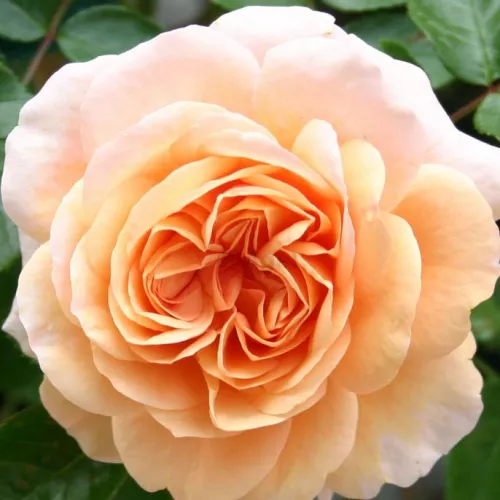
SANGERHÄUSER JUBILÄUMSROSE ® – peach-pink bedding floribunda rose
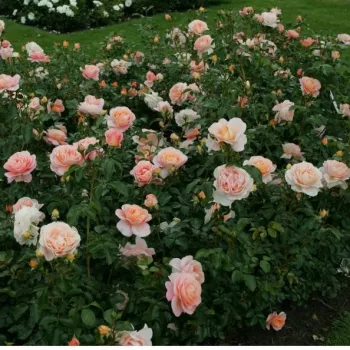
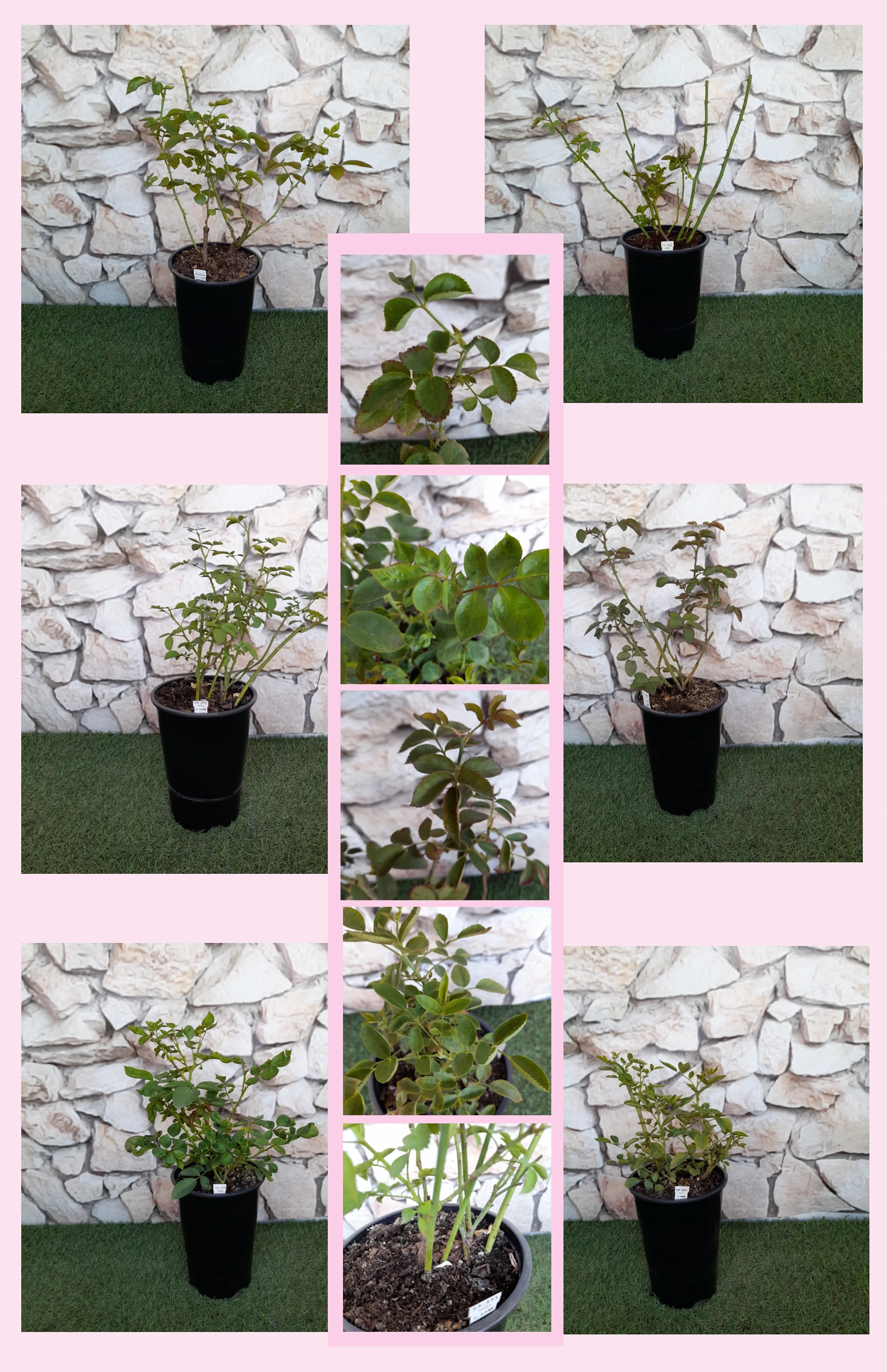
This medium-height floribunda creates a gently rounded, upright structure that slips easily into an English-style family garden, with glossy dark green foliage that looks good even between flower flushes and helps anchor beds against stronger winds and rain. Its pastel peach-pink, cupped flowers open repeatedly in generous clusters from early summer onwards, giving that romantic, storybook feel of afternoon tea beside a rose-covered border. Bred by Kordes for modern reliability, it offers strong overall health with notable resistance to mildew and rust, and steady performance in typical UK conditions including exposed, wetter plots where soils can stay heavy after rain. As an own-root plant it builds a durable, regenerating framework, settling in with roots in the first year, stronger flowering shoots in the second and a full, mature garden presence by the third. With low maintenance needs and only moderate deadheading, it fits busy lifestyles yet still gives a classic cottage-garden charm and a sweet, medium-strength fragrance you notice when you pause by the path.
Usage options
| Target area |
Reasoning |
| Front to middle of a cottage-style flower bed |
The compact, bushy habit and 60–85 cm height make it ideal for the front to middle of borders, where its rounded form reads as a soft, informal shrub line instead of a rigid row. It delivers dependable shape without intricate pruning, perfect for beginners. |
| Romantic, pastel-toned bedding schemes |
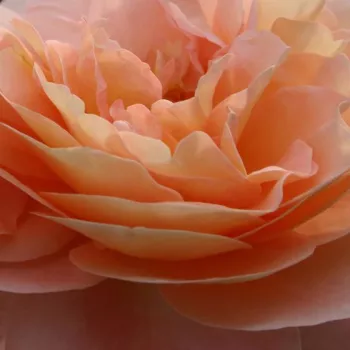
The pastel peach-pink flowers, with softer inner shadings and gentle fading towards cream, blend beautifully with whites, lilacs and dusky purples for a refined, feminine look. This versatile colour harmony suits anyone curating a calm, romantic palette, including homeowners. |
| Continuously flowering family play-and-sitting area |
As a repeat-blooming floribunda, it provides clusters of flowers over a long season with a generous second flush, keeping the garden looking “in bloom” when family and friends spend most time outdoors. This steady performance appeals strongly to busy households. |
| Low-input, traditional-style rose border |
Selected for modern garden use, it combines good disease resistance with only moderate deadheading needs, simplifying care compared with older roses. Own-root growth helps it recover if neglected for a while, ideal for time-poor yet style-conscious gardeners. |
| Small hedge or informal edging along a path |
The upright, bushy habit and recommended 35–40 cm spacing allow you to create a loose hedge that visually knits together within a couple of seasons. Glossy, dense foliage keeps it looking full even between flushes, suiting traditional paths used by families. |
| Containers and large pots near seating |
Its modest height and upright structure work well in substantial containers of at least 40–50 litres, where soil volume buffers summer drying and supports long-term own-root development. Placed by a bench, its sweet scent rewards relaxed urban and suburban owners. |
| Weather-exposed or breezier garden corners |
The sturdy, well-branched framework and dense foliage help it hold shape in wind and wetter spells common in many UK gardens, including more exposed sites. This resilience reassures those whose plots feel less than sheltered, especially coastal-leaning buyers. |
| Long-term planting in family gardens |
As an own-root rose it builds a durable base, responding well to periodic pruning and renewing growth over many years; roots establish first, then top growth builds, before reaching full ornamental impact by about the third year, rewarding patient cottage-garden enthusiasts. |
Styling ideas
- Pastel Border – Combine with oxeye daisy and pale yellow scabious for a soft, storybook edge to a lawn or path – suited to lovers of gentle, romantic colour shifts.
- Kitchen-Path – Line the route to a kitchen garden with a loose hedge of this rose, underplanted with herbs, for a scented, traditional feel – ideal for family cooks.
- Tea-Corner – Plant in large pots beside a bistro set, pairing with lavender in similar containers to echo the fragrance – perfect for balcony and patio users.
- Front-Garden – Use in a small front bed with cranesbill and low box or yew for structure, blending formal outlines with soft flowers – good for village and suburb homes.
- Storybook-Mix – Interweave in mixed borders with cottage perennials and light ornamental grasses to highlight its rounded form and repeat flowering – aimed at relaxed, eclectic gardeners.
Technical cultivar profile
| Characteristic |
Data |
| Name and registration |
Floribunda bed rose registered as KORmamtiza, marketed as Sangerhäuser Jubiläumsrose ® in the MärchenRosen® collection; also known in exhibitions under the name Cervia®. |
| Origin and breeding |
Bred by W. Kordes’ Söhne in Germany from complex floribunda parentage, with breeding work completed in 1993 and first commercial introduction following in 2003. |
| Awards and recognition |
Highly decorated rose: BUGA Rostock bronze (2003), Kortrijk silver (2004), UK Gold Standard (2010) and Rose of the Year distinction at Europa‑Rosarium Sangerhausen in 2023. |
| Growth and structural characteristics |
Forms a bushy yet upright shrub, around 60–85 cm high and 50–70 cm across, with moderately thorny stems and dense, healthy-looking, glossy dark green foliage for good coverage. |
| Flower morphology |
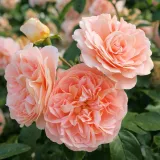
Bears medium-sized, double, cupped blooms with 26–39 petals, mostly in clusters, repeating well through the season so that beds remain floriferous with each successive flush of growth. |
| Colour data and phenology |
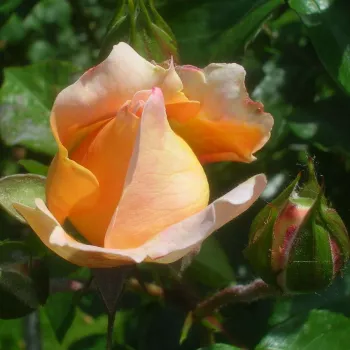
Pastel peach-pink overall, with warmer inner tones; colour holds better in cooler weather and may fade slightly towards light pink or creamy shades in stronger sun as blooms age. |
| Fragrance and aroma |
Produces a noticeable, sweet rose scent of medium strength, easily appreciated when planted near seating or paths; largely ornamental, with double blooms limiting access for pollinating insects. |
| Hip characteristics |
Sets small, spherical red hips about 6–10 mm across in moderate numbers, adding a subtle seasonal accent without significantly affecting the plant’s main decorative flowering display. |
| Resistance and winter hardiness |
Rated H7, hardy in USDA zone 6b and similar climates; shows resistance to powdery mildew and rust with moderate tolerance to black spot, plus reasonable heat and drought resilience. |
| Horticultural recommendations |
Best in sunny beds or low hedges at 35–65 cm spacing; suits mass planting, parks and home gardens, with generally low maintenance needs beyond basic watering, feeding and light pruning. |
Sangerhäuser Jubiläumsrose ® offers compact, bushy structure, romantic repeat flowering and dependable health on a long-lived own-root framework, making it a thoughtful choice for relaxed, traditional family gardens.