BERLEBURG – pink bedding floribunda rose – Olesen
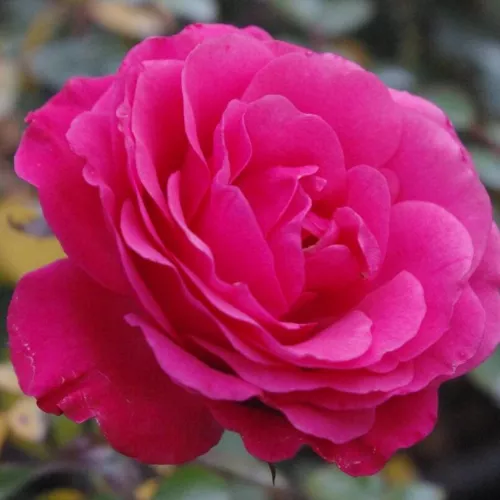
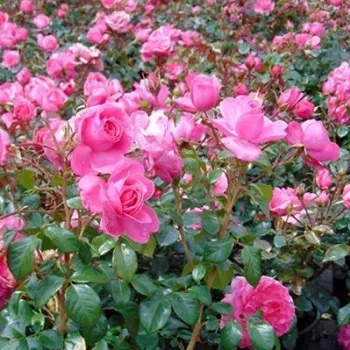
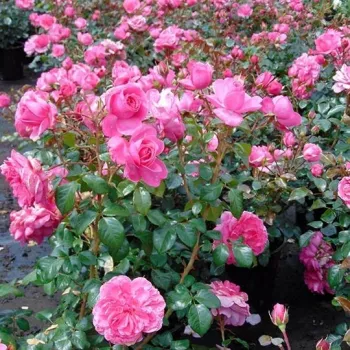
With its romantically full pink clusters, BERLEBURG turns a small family garden into a storybook setting of afternoon tea under an arbour, bringing gentle romantic charm without demanding constant attention. This compact, bushy floribunda is naturally reliable in UK conditions, coping well even where strong breezes and showers sweep in from the coast and soil structure is far from perfect. Its healthy, glossy foliage remains attractively fresh thanks to excellent resistance to common rose diseases, so you spend more time enjoying flowers than treating problems. The medium, raspberry-scented blooms appear in flushes all season, creating a continuously flowering border that suits informal cottage planting as well as neat beds. Own-root plants build strength gradually, offering a long-lived, easily regenerating shrub that keeps its shape and colour year after year. As an easy-care floribunda, BERLEBURG fits into busy lives, staying compact and manageable in smaller gardens and large pots from 40–50 litres. Over time, this dependable rose knits into hedges, paths and mixed plantings, maturing into a lasting feature that anchors your garden design. Its friendly, approachable character makes it especially welcoming for beginner and hobby gardeners who want classic cottage-garden roses without complicated maintenance.
Usage options
| Target area | Reasoning |
|---|
| Front-of-border cottage planting |
The compact, upright habit and moderate height make BERLEBURG ideal near paths and seating, where its soft pink, romantic clusters can be enjoyed close up without overwhelming neighbouring perennials – perfect for the cottage-garden lover. |
| Low flowering hedge along a lawn |
Regular clusters of blooms and glossy foliage form a neat, low hedge when planted at the suggested spacing, creating a long-season, storybook edge that remains tidy and welcoming – well suited to the family-garden owner. |
| Mixed rose and shrub beds |
Its reliable repeat flowering and even, bushy structure give visual continuity among other shrubs, so gaps are quickly filled with colour, reducing the need for complex planning – reassuring for the busy home gardener. |
| Large containers on patios or terraces |
The naturally compact growth allows BERLEBURG to thrive in substantial pots of 40–50 litres, bringing cottage-garden colour and fragrance to paved spaces without intricate pruning or specialist rose knowledge – ideal for the urban balcony owner. |
| Easy-care pink colour theme |
The pure, warm pink flowers fade gently but stay within one harmonious shade, simplifying colour matching with other plants and avoiding clashing tones over the season – attractive to the style-conscious gardener. |
| Low-maintenance family planting |
With strong resistance to black spot, mildew and rust, BERLEBURG keeps its leaves with minimal spraying, remaining good-looking in typical damp, changeable UK weather and freeing up time – a comfort for the time-poor beginner. |
| Long-lived structure in small gardens |
As an own-root rose, it ages steadily without the risk of rootstock suckers, recovering well from accidental damage and settling into a durable framework that improves with passing seasons – reassuring for the long-term planner. |
| Pollinator-friendly ornamental rose area |
The double but open blooms expose pollen and attract bees, combining ornamental clusters with gentle wildlife value, even where strong breezes and showers sweep in from the coast and soil structure is far from perfect – appreciated by the wildlife-minded gardener. |
Styling ideas
- Kitchen-border romance – Weave BERLEBURG through a herb and vegetable bed, its compact pink clusters softening rows of herbs and salads – for the home cook who cherishes a traditional potager feel.
- Pastel country path – Line a garden path with BERLEBURG and soft grasses such as dwarf sedge for a low, airy edging – for those who like a gentle, walk-through cottage atmosphere.
- Tea-terrace containers – Plant one rose per 40–50 litre pot with trailing saxifrage at the rim to echo an English tea terrace – for patio owners wanting romance without complicated maintenance.
- Storybook front garden – Combine BERLEBURG with white gypsophila and lavender to create a pink-and-soft-white frontage – for families aiming for a welcoming, classic village look.
- Informal flowering hedge – Use repeated groups of BERLEBURG along a boundary, underplanted with low sedges, to create a soft, semi-formal division – for gardeners who prefer structure with a relaxed edge.
Technical cultivar profile
| Parameter | Data |
|---|
| Name and registration |
Floribunda bed rose; registered as POUlbella, marketed as Berleburg National Parks® POUlbella; ARS exhibition name Berleburg, commercial pink bedding floribunda rose. |
| Origin and breeding |
Bred by L. Pernille Olesen, Poulsen Roser A/S, Denmark; cross Egeskov ® × Dolly ®; bred 1989, registered 1992, introduced 1996 by Poulsen Roser A/S. |
| Growth and structural characteristics |
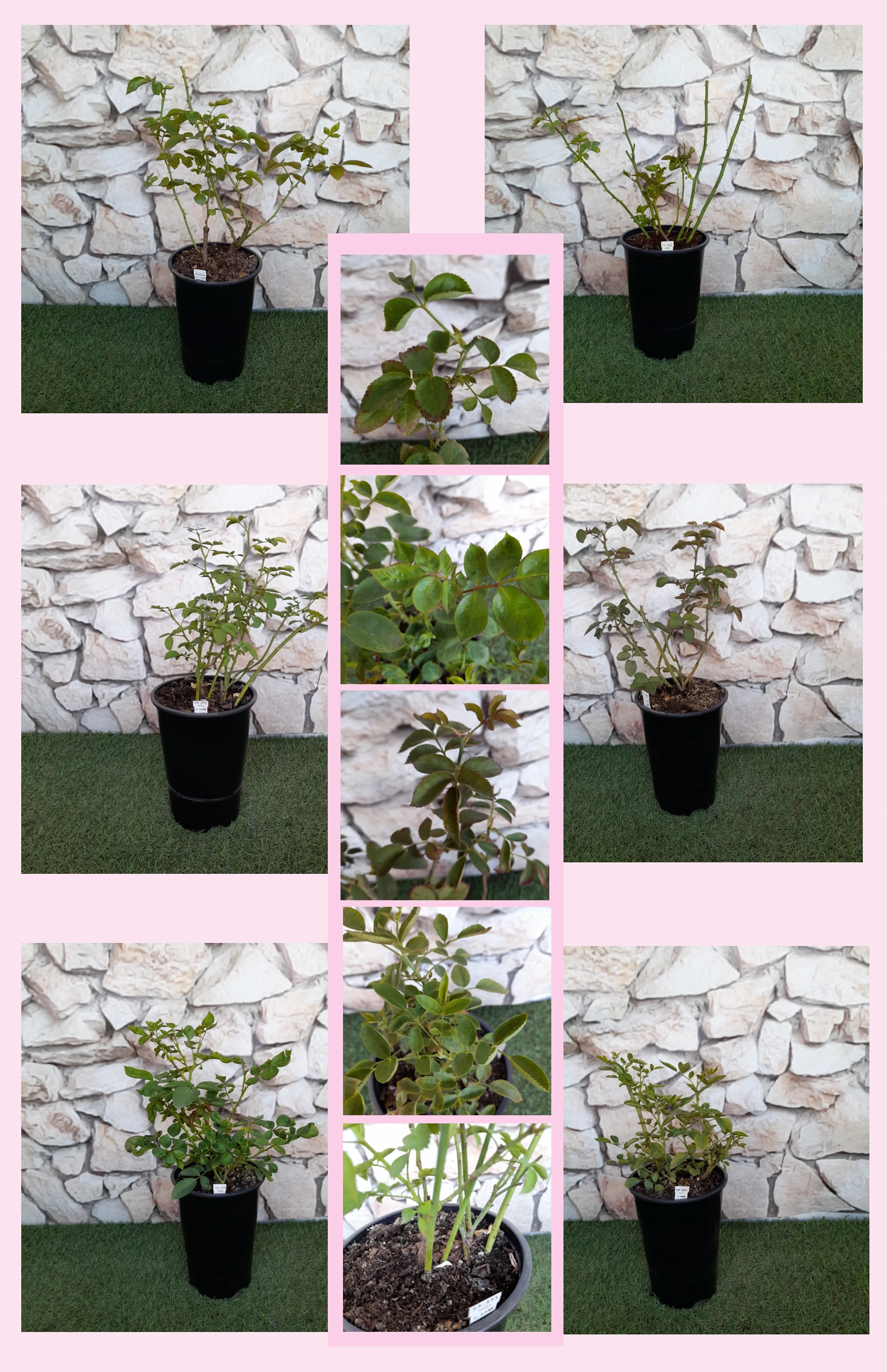
Compact, upright, bushy plant 35–50 cm high and 55–85 cm wide; moderately dense, glossy mid-green foliage; moderately thorny stems; suitable for beds, borders and containers. |
| Flower morphology |
Medium-sized, double, cup-shaped flowers with 26–39 petals; cluster-flowering floribunda with remontant habit, producing an especially abundant second flush in suitable conditions. |
| Colour data and phenology |
Pure warm pink; buds deep pink, opening to vivid mid-pink (RHS 68C outer, 67B inner), then softening to paler pink while retaining the primary hue; colour retention moderate in sun. |
| Fragrance and aroma |
Medium-strength, noticeable fragrance with a fresh raspberry character; scent evident at close range and around seating areas, especially in still, mild weather conditions. |
| Hip characteristics |
If spent blooms are not removed, moderate numbers of 10–14 mm hips develop in autumn, adding subtle seasonal interest without overwhelming the shrub’s overall appearance. |
| Resistance and winter hardiness |
Strong resistance to powdery mildew, black spot and rust; reliably hardy to approximately –26 to –23 °C (RHS H7, Swedish Zone 4, USDA Zone 5b) under normal garden conditions. |
| Horticultural recommendations |
Plant at 45–55 cm spacing, 3.3–3.8 plants/m² in groups; prefers well-drained soil, benefits from mulch and balanced feeding; low maintenance with only light annual pruning needed. |
BERLEBURG offers compact, romantic pink clusters, healthy low-maintenance growth and long-lived own-root reliability, making it a thoughtful choice for those planning a relaxed, enduring cottage-style garden.