ROSOMANE JANON – yellow-pink nostalgic rose – Massad
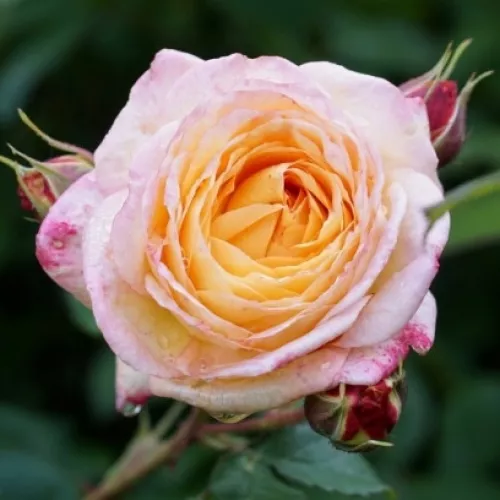
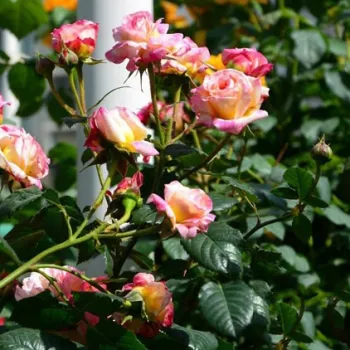
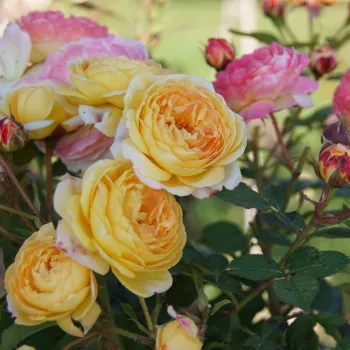
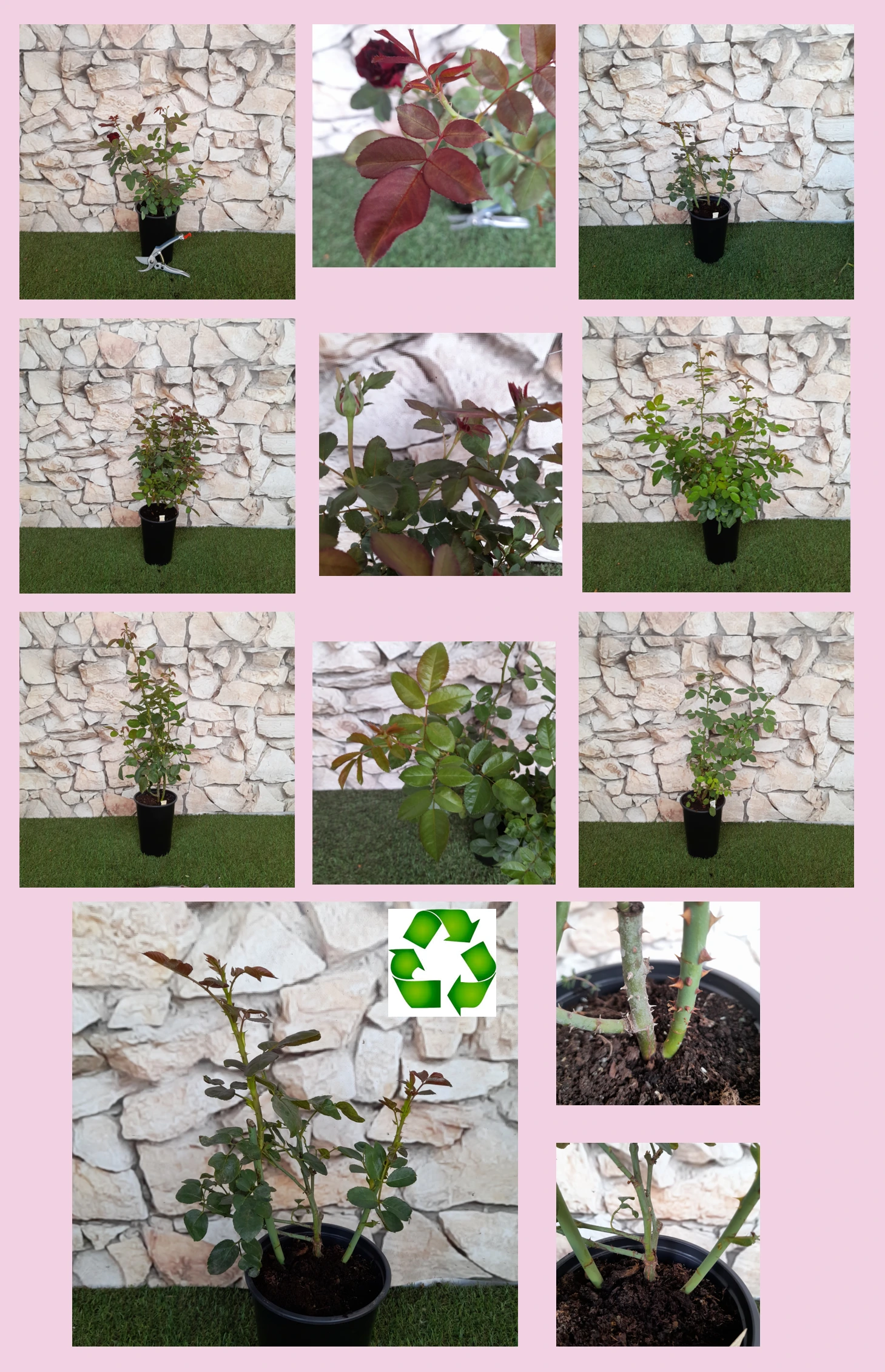
Imagine settling into the shade with afternoon tea while Rosomane blooms above you in soft yellow‑pink rosettes: generous, romantic, very double flowers with a fruity scent and a charmingly nostalgic nostalgia look. This compact shrub sits comfortably in the average family garden, fitting cottage borders, kitchen plots and small urban spaces alike, and copes reliably even where brisk breezes meet damp, salt‑tinged air and changeable coastal weather. Planted as a half‑ to one‑year‑old own‑root rose in a 2‑litre container, it establishes steadily, then in turn builds root, shoot and finally a full curtain of colour over its first seasons. With upright, moderately leafy growth and compact spread, it works equally well as a low hedge, generous border accent or specimen near a seating area. Given a sunny spot, regular checks for disease and a sensible watering routine, this long‑lived shrub repays you with abundant second flushes and years of reliably flowering.
Usage options
| Target area | Reasoning |
|---|
| Cottage-style mixed border by a terrace or seating area |
The very double, XL rosette blooms and fresh, fruity fragrance create a classic cottage atmosphere around everyday seating, particularly where you want that “afternoon tea” feeling close to the house. Its compact upright habit allows underplanting with herbs or perennials without overwhelming the space, and own-root plants rebuild from the base if stems are damaged, giving long-term structure for homeowners. |
| Small family garden focal point near a path |
The warm yellow-pink blend draws the eye without harsh contrast, ideal for modest front or back gardens where every plant must earn its place. Positioned by a path, repeated flowering ensures that buds, opening rosettes and fading pastel tones are visible at child height for much of the season, while the own-root form helps maintain a stable, well-shaped shrub over many years for family-gardeners. |
| Low nostalgic hedge along a kitchen garden or lawn edge |
Recommended planting distances allow you to form a low romantic hedge that frames vegetable beds or a small lawn with soft, storybook colour. Moderately dense foliage and upright growth knit together into a defined line, while the repetition of colour and form brings visual order to busy family plots, supporting cooks, children and pets sharing the same space for traditionalists. |
| Feature rose in a 40–50 litre container by the front door |
In a large, well-drained pot of at least 40–50 litres, this compact shrub delivers generous bloom and scent right where you welcome guests, even on heavy clay sites where raised or container growing is more practical. An own-root plant resists wind rock better as its root system thickens with age, making container displays sturdier and longer-lived for urban-owners. |
| Romantic accent in an English countryside-style planting |
The nostalgia rose character and ARS yellow-pink colour palette blend effortlessly with lavender, verbena and silvery foliage for an English country look. Planted among low hedging and cottage perennials, its changing tones from soft yellow to pastel pink and apricot link different bloom colours together, creating a unified, feminine feel cherished by cottage-lovers. |
| Sheltered spot in breezy or exposed gardens |
Although an upright shrub, it remains modest in height, so in windy or partially exposed plots you can nestle it behind low hedges or fences to protect the very double blooms. Once anchored, own-root roses often stand more firmly than budded plants, helping the plant cope with blustery, humid spells and reducing the risk of wobble or lean over time for coastal-gardeners. |
| Cutting patch for fragrant, nostalgic arrangements |
The XL, rosette-shaped, very double blooms with clear, medium-strength fragrance suit informal jug and vase arrangements that echo traditional country houses. Repeat flowering with a strong second flush means you can pick several stems across summer without leaving the garden bare, while own-root vigour helps the plant recover evenly from cutting for home-florists. |
| Long-term structural rose in a family border plan |
With H7 hardiness and robust shrub structure, this rose can be planned as a permanent element in a border scheme that evolves as children grow and tastes change. You can underplant differently over the years while the rose remains a constant, and the own-root habit supports regeneration from the base if hard-pruned after severe winters or disease, reassuring cautious beginners. |
Styling ideas
- Cottage-Path Welcome – Line a front or back-garden path with Rosomane Janon interplanted with dwarf lavender and low catmint for a soft, scented walk to the door – ideal for lovers of romantic, storybook entrances.
- Kitchen-Garden Charm – Use a short hedge of this rose to edge raised vegetable beds, weaving in pink verbena for height and airy texture – suited to home cooks who like their produce patch to feel ornamental as well as practical.
- Terrace-Tea Corner – Place a single shrub in a large terracotta pot beside a bistro table, adding grey artemisia and thyme at the base – perfect for small-plot owners creating a cosy afternoon tea nook.
- Pastel-Border Blend – Mix Rosomane Janon with soft pink perennials, pale foxgloves and white campanulas to create a gentle, feminine border that never feels garish – for gardeners seeking a restrained, pastel palette.
- Storybook-Arbour Setting – Plant two or three shrubs near a simple wooden arch, underplant with cottage annuals, and let the roses frame the structure in bloom – appealing to families wanting a photo-friendly, fairy-tale backdrop.
Technical cultivar profile
| Characteristic | Data |
|---|
| Name and registration |
Shrub rose from the Générosa collection; registered as MASjanon, marketed as Rosomane Janon Générosa MASjanon; classified as a romantic nostalgia rose with ARS exhibition name Rosomane Janon. |
| Origin and breeding |
Bred in France by Dominique Massad (Guillot) in 2001 from complex parentage including Festivity, Abraham Darby, Paul Bocuse and Versigny; introduced commercially by Guillot in 2006. |
| Growth and structural characteristics |
Upright shrub reaching about 100–140 cm in height and 50–80 cm spread, moderately leafy with slightly glossy dark green foliage; densely thorned shoots and a generally compact, border-suitable framework. |
| Flower morphology |
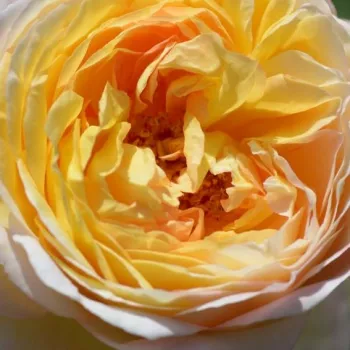
Very double, XL-sized rosette blooms with 40+ petals; flowers are borne mainly in clusters and repeat well with an abundant second flush, providing extended ornamental display through the main season. |
| Colour data and phenology |
Warm yellow-pink bicolour; buds open cream-yellow with greenish tones, then show yellow-orange shading to pink, later softening into pastel pink with apricot, with moderate colour retention and some lightening in strong sun. |
| Fragrance and aroma |
Clearly noticeable, medium-strength scent with a fresh, fruity character; bred primarily as an ornamental cultivar, with highly double flowers that hold fragrance well but largely conceal reproductive parts. |
| Hip characteristics |
Rose-hip formation is sparse; when present, hips are generally rounded, about 10–14 mm in diameter, offering limited ornamental effect and minimal self-seeding in typical garden settings. |
| Resistance and winter hardiness |
Rated H7 with approximate hardiness between −21 and −18 °C and USDA zone 6b; performs adequately in heat with watering during prolonged drought, but is susceptible to powdery mildew and rust and medium for black spot. |
| Horticultural recommendations |
Best in sunny positions with fertile, well-drained soil; needs regular health monitoring due to disease susceptibility; plant at 50–90 cm spacing depending on hedge or specimen use and consider preventive spraying regimes if pressure is high. |
Rosomane Janon combines romantic, very double yellow-pink blooms, a fruity fragrance and compact, long-lived shrub growth on its own roots, making it a thoughtful choice for gardeners seeking enduring cottage-style charm.