ROSE DES PEINTRES – pink historic Centifolia rose
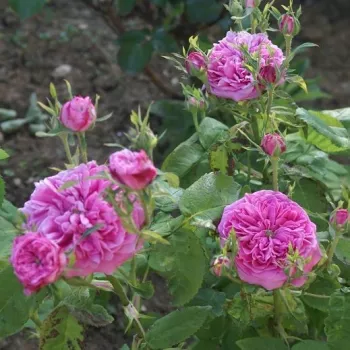
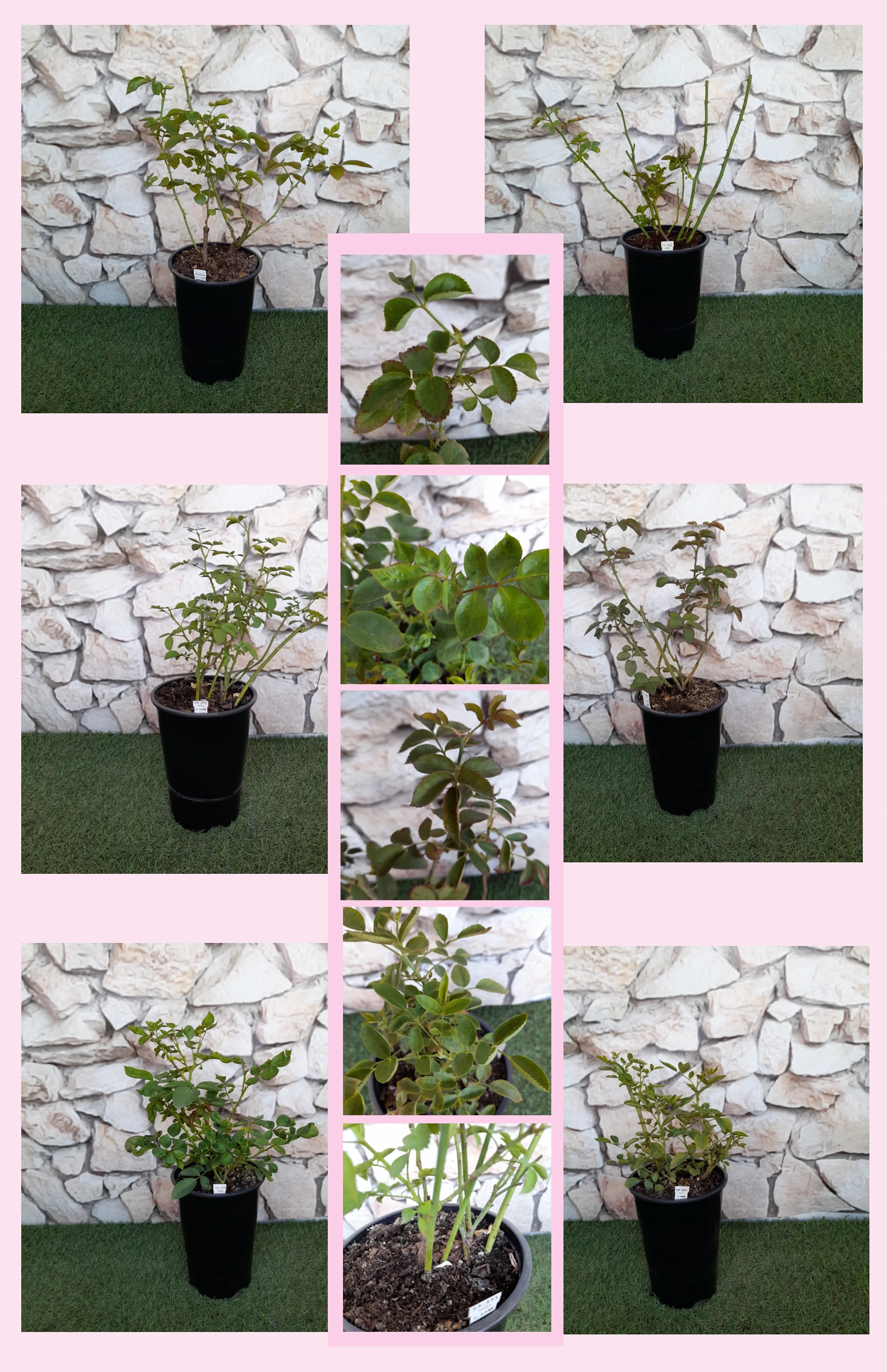
Step back into a romantic, storybook garden with Rose des Peintres, a tall, arching historical Centifolia that feels made for afternoon tea beneath an arbour in an English cottage border. Its once-a-year flush of generously petalled, mid-pink rosettes is richly perfumed, turning early summer into a moment to be savoured and remembered. This own-root shrub is grown in a practical 2-litre container, giving you an established plant that settles quickly and anchors well even where breezes roll in from the coast and rainy spells are frequent. Over time, its bushy, slightly drooping branches lend an easy, informal structure that works beautifully in family gardens alongside kitchen beds and hedging. In a well-prepared spot it rewards simple, seasonal care with dependable growth and a long, graceful life in your planting. From early rooting through developing framework to mature character, it offers steady structure, sumptuous flowering, enduring fragrance and authentic historic charm.
Usage options
| Target area |
Reasoning |
| Cottage-style flower bed near a terrace or seating area |
The tall, arching habit and very double, mid-pink blooms create a romantic backdrop that looks at home beside brick, gravel or lawn, especially in cottage-style family gardens. Once-flowering but strongly scented, it offers a memorable early-summer highlight with little complexity beyond basic pruning and feeding, ideal where you want beauty without constant work for the home gardener. |
| Informal flowering hedge along a boundary or path |
Planted at recommended hedge spacing, Rose des Peintres forms a moderately dense screen with graceful, slightly drooping shoots that soften fences and mark boundaries. Own-root plants build a stable base that regrows reliably from below if winter or pruning are severe, supporting a long-lived hedge structure with relatively simple seasonal trimming for the traditionalist. |
| Solitary specimen by an arbour, pergola or entrance |
Its historical character and balanced, bushy outline make a strong focal point when given space to reach full height, framing doorways, arbours or the approach to a kitchen garden. The once-per-season flush becomes an anticipated event, with the intense, classic rose fragrance catching you as you pass, suiting those who value atmosphere and presence in a single shrub for the romantic. |
| Small group planting in a mixed, “girly” cottage border |
In groups, the rounded heads of pink rosettes echo still-life paintings, pairing easily with pastels and airy companions such as baby’s breath and ornamental grasses. Own-root stock ensures the shrubs remain true to type and recover uniformly after hard winters, giving a reliable, cohesive look over many years with straightforward care for the collector. |
| Cut-flower source for scented early-summer arrangements |
The long-lasting, strongly perfumed blooms and long stems are well suited to cutting for informal jugs and vases indoors, extending that classic rose scent from the garden into the house. While flowering is not repeated, the concentrated flush yields plenty of stems in a short period, ideal for seasonal decorating habits for the host. |
| Lightly shaded corner with morning or filtered sun |
This variety tolerates partial shade, keeping its colour better in cooler, less exposed spots while still forming generous, full flowers. Positioning it where midday sun is softened helps the pink tones remain fresher for longer, and own-root vigour supports steady growth even where light is moderate, with routine mulching and watering sufficient for the busy. |
| Raised bed or improved clay border in a family garden |
Where heavy soils can become waterlogged, planting Rose des Peintres into a raised bed or well-drained, improved border allows the bushy root system to establish securely. This helps it anchor well and cope with seasons that alternate between rain and wind, while own-root resilience supports recovery from any weather damage without complex interventions for the pragmatist. |
| Large container on a patio or beside a garden path |
In a 40–50 litre or larger container, this rose can bring historic character and scent close to seating, paths or doorways where border space is limited. Regular watering and annual top-dressing keep the plant performing, while own-root construction gives a long service life in the same pot, without concerns about graft failure, fitting those who garden mainly in pots for the urbanite. |
Styling ideas
- Painterly hedge – Plant a loose single-row hedge, underplant with blue fescue and pastel perennials to echo Dutch still-life tones – ideal for cottage-front boundaries and curved garden edges for heritage lovers.
- Tea-corner focus – Use one shrub as a focal point by a bistro set, combining with lavender and catmint for a scented afternoon-tea nook – suited to small family patios seeking a romantic escape.
- Kitchen-garden frame – Flank a vegetable or herb plot entrance with paired shrubs, linking utilitarian beds to ornamental space – perfect for those who want a traditional potager feel.
- Pastel drift – Group three plants in a sweeping arc with baby’s breath and pink verbena to create a soft, “girly” drift – best for medium borders where a single, lush summer moment is desired.
- Historic vignette – Combine with old brick, terracotta pots and simple clipped box to highlight its period character – a good choice for collectors who enjoy an authentic, museum-garden atmosphere.
Technical cultivar profile
| Parameter |
Data |
| Name and registration |
Current trade name Rose des Peintres, also listed as Des Peintres in exhibition use; a historic Centifolia rose without a recorded registered cultivar name, verified for authenticity in specialist collections. |
| Origin and breeding |
Old garden rose of the Centifolia group, first reliably catalogued in 1811, probably selected from Rosa × centifolia seedlings; exact breeder and year of origin unknown, typical of early European heritage roses. |
| Growth and structural characteristics |
Strong, bushy shrub 160–240 cm high and 100–160 cm wide, with arched, slightly drooping branches, moderately dense, matte medium-green foliage and moderate prickliness, forming an informal, gently cascading outline. |
| Flower morphology |
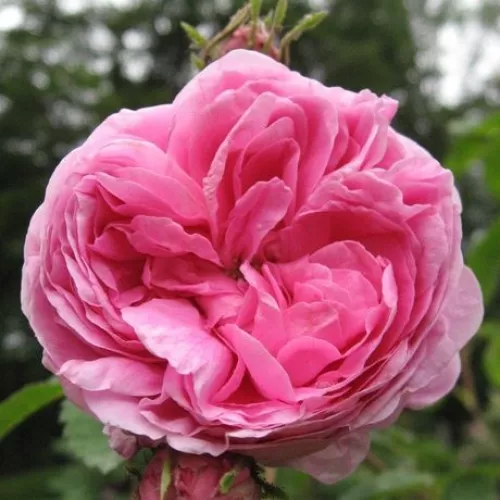
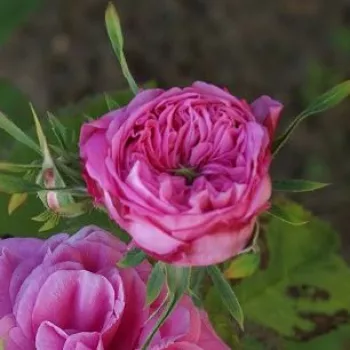
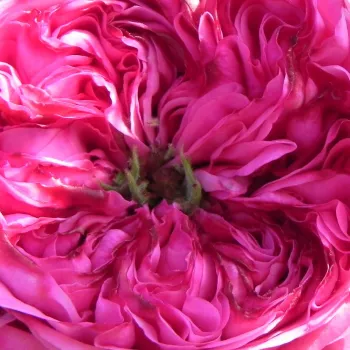
Large, very double rosette flowers with 40 or more petals, usually borne in clusters, once-flowering in early summer; blooms measure around 7–10 cm across, with a classic old-rose centifolia appearance. |
| Colour data and phenology |
Warm mid-pink blooms with subtle purple undertone; deep pink buds open to medium pink, then soften to pastel and pearly tones, colour holding better in cooler weather and lightening in strong sun or heat. |
| Fragrance and aroma |
Strong, classic rose fragrance typical of historical Centifolias, noticeable both on the plant and in the vase; scent is persistent during the main flowering period, adding high ornamental and sensory value. |
| Hip characteristics |
Due to very double flowers, hip set is generally low; when present, produces small spherical hips 12–18 mm across, bright red in colour, adding modest late-season decorative interest in some years. |
| Resistance and winter hardiness |
Hardy to approximately −15 to −12 °C (RHS H6; Swedish Zone 2, USDA 7b); generally resistant to powdery mildew, with moderate susceptibility to black spot and rust, needing occasional monitoring and timely care. |
| Horticultural recommendations |
Suited to beds, hedges, parks and specimen use; prefers fertile, well-drained soil with regular watering in dry spells, benefits from winter pruning and dead wood removal to maintain structure and flowering quality. |
ROSE DES PEINTRES offers painterly pink blooms, rich fragrance and dependable own-root longevity, an atmospheric choice for those who value historic character and relaxed maintenance in a family garden.