ROSE DE TOLBIAC® – pink climbing rose – Kordes
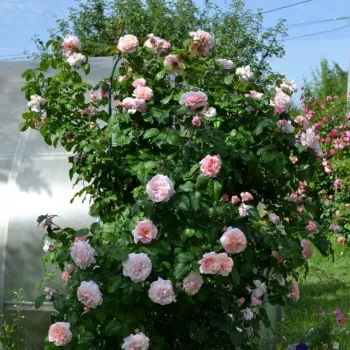
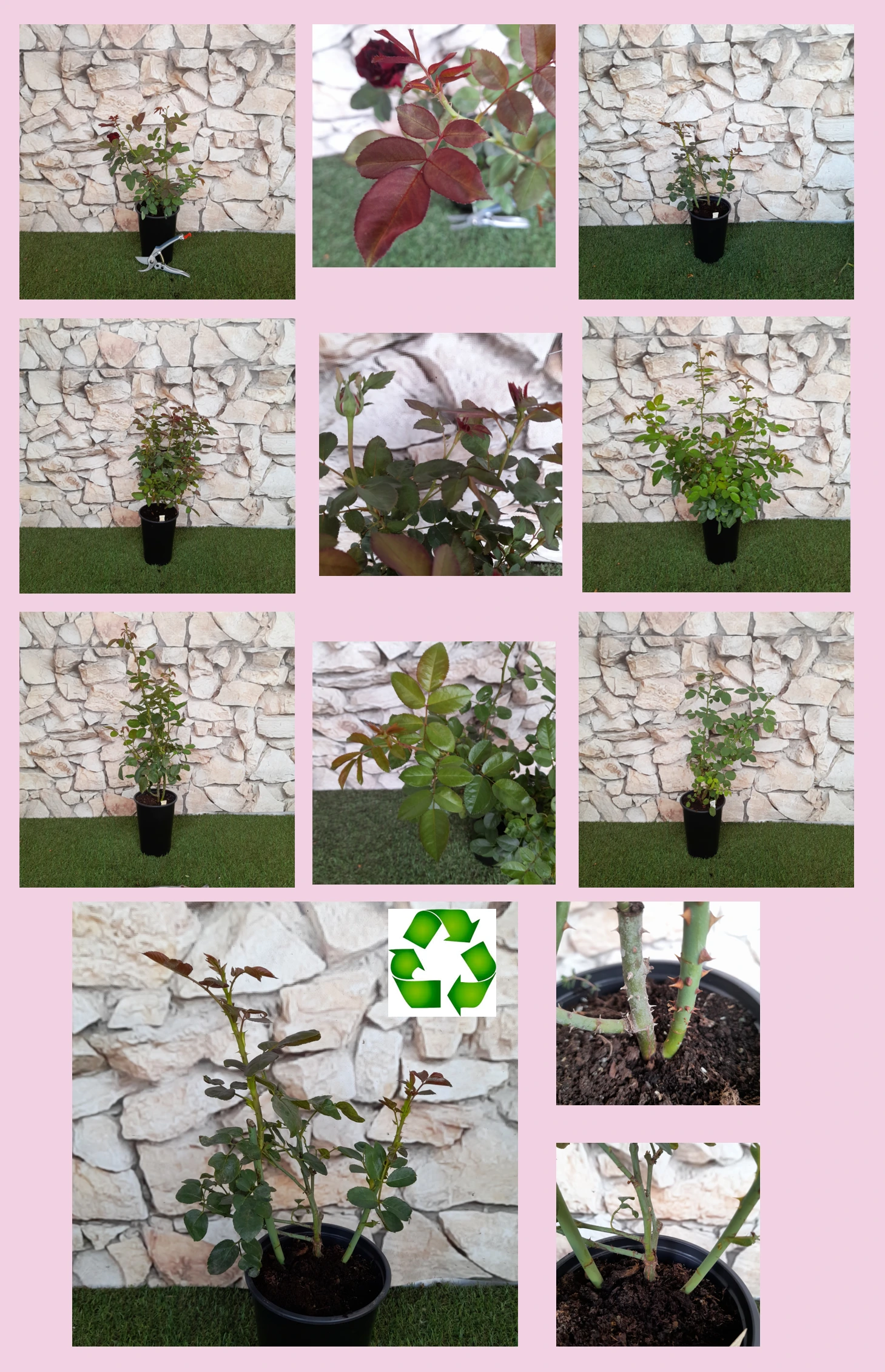
Designed for relaxed afternoons in a romantic garden, ROSE DE TOLBIAC® brings softly cupped, pastel blooms to pergolas and arches without demanding complicated maintenance. This climbing rose forms elegant, medium-height walls of colour that suit typical UK family gardens, coping reliably even where breezes bring in wetter weather and garden structures must stand firm against frequent showers. Its own-root form builds strength steadily for a long garden life, so if a stem is damaged it can regenerate cleanly from below, preserving the plant’s shape and ornamental value. In everyday use, it is content with moderate care, rewarding regular but simple pruning with a graceful framework of flexible canes that are easy to tie in along fences, arbours, or a cottage-style kitchen-garden boundary. The large, rosette flowers repeat generously through summer, creating a storybook backdrop for “girly” borders of lavender, herbs, and cottage perennials. Over the first few seasons, it roots in, extends pliable shoots, and then settles into its full, classic-climber presence, maturing into a quietly romantic feature that suits busy households who want beauty rather than gardening chores.
Usage options
| Target area |
Reasoning |
| Rose arch at the entrance to a family garden |
The 180–280 cm climbing habit is ideal for training over a standard arch, forming a welcoming veil of large, pastel rosettes without growing out of scale for a small front garden. Own-root vigour underpins steady regeneration, so the arch remains clothed and attractive for years with only light annual pruning, suiting busy families. |
| Pergola or seating arbour for afternoon tea |
Its strongly remontant flowering and very full blooms create a romantic canopy above a bench or small pergola, echoing the mood of an English cottage tea corner. Moderate care needs mean no constant spraying regime; tie in the canes once or twice a year and enjoy layered flushes of bloom, perfect for cottage-lovers. |
| Climbing accent along a sunny house wall |
Medium height and moderately dense, dark green foliage allow it to dress a wall elegantly without overwhelming windows or gutters. It tolerates heat against brickwork as well as moderate drought if watered sensibly, offering long-term structure with a refined colour palette rather than high-maintenance exuberance, appealing to homeowners. |
| Fence or boundary between kitchen garden and play lawn |
With a 60–100 cm spread and flexible, trainable stems, it forms a soft, visually tidy boundary that separates vegetables from play space while keeping the garden looking gentle and traditional, not fenced-off. The own-root system anchors well and recovers if knocked or pruned hard, reassuring parents. |
| Raised bed or improved clay border |
In raised beds or borders with added drainage, its climbing habit quickly uses vertical space without needing a deep border footprint, giving height and romance above herbs and low perennials. Reliable repeat flowering and moderate disease resistance provide colour without specialist routines, ideal for beginners. |
| Part-shaded side path with morning or filtered sun |
This variety accepts partial shade, so it can brighten side returns or lightly shaded garden paths where many climbers would struggle, the pale pink and peach tones lifting dimmer corners. Its moderate growth makes it easier to manage in narrow spaces, attractive for urban-gardeners. |
| Large container with obelisk or small trellis (40–60 litres) |
In a substantial container of at least 40–50 litres, its controlled height and repeat-flowering nature make a charming focal point for terraces or patios. Own-root planting supports long-term health in pots, so after simple annual pruning you can expect reliable regrowth and bloom, convenient for balcony-owners. |
| Romantic cottage-style mixed border backdrop |
Planted at the back of a mixed border, it creates a soft vertical curtain of pastel flowers behind perennials such as lady’s mantle and crocosmia, framing the border with a storybook feel while also standing up to blustery, rain-prone conditions common in many UK gardens, inspiring traditional-style gardeners. |
Styling ideas
- Cottage Archway – Train ROSE DE TOLBIAC® over a simple wooden arch, underplanting with lady’s mantle and catmint to soften the base and echo its pastel pink tones – ideal for romantic cottage-style enthusiasts.
- Kitchen-Garden Screen – Use along a wire fence to separate raised vegetable beds from a lawn, with herbs and strawberries at the foot for a productive yet decorative division – suited to family kitchen-garden owners.
- Pastel Pergola – Pair with white clematis on a small pergola so its rosette blooms mingle with starry flowers above a bench, creating a soft afternoon-tea nook – perfect for weekend relaxers.
- Patio Statement – Plant in a 50–60 litre terracotta pot with an obelisk, surrounding the base with lavender and violas to make a fragrant focal point by French doors – appealing to terrace and balcony gardeners.
- Soft Boundary – Let it climb a low trellis behind a bed of gaillardia and crocosmia, the warm perennials picking up its peachy tones while the trellis marks a gentle property edge – great for traditional-leaning homeowners.
Technical cultivar profile
| Parameter |
Data |
| Name and registration |
Climbing rose from the Klettermaxe® collection; registered as KORcaseipp, marketed as ROSE DE TOLBIAC® and Rose de Tolbiac; ARS exhibition name Rose de Tolbiac, large-flowered climber group. |
| Origin and breeding |
Bred by Tim-Hermann Kordes in Germany in 1998 from ‘KORkinteral’ × ‘KORpastato’; introduced after 2014 by W. Kordes’ Söhne Rosenschulen GmbH & Co KG; registration year 2014. |
| Awards and recognition |
Honoured at the Baden-Baden International New Rose Competition 2013 with a Gold Medal and the City of Zweibrücken Award, underlining its ornamental quality as an exhibition climbing rose. |
| Growth and structural characteristics |
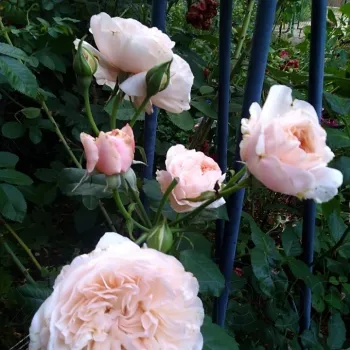
Medium climber reaching about 180–280 cm high and 60–100 cm wide, with moderately dense, slightly glossy dark green foliage and moderate prickliness; requires support and regular tying-in for best effect. |
| Flower morphology |
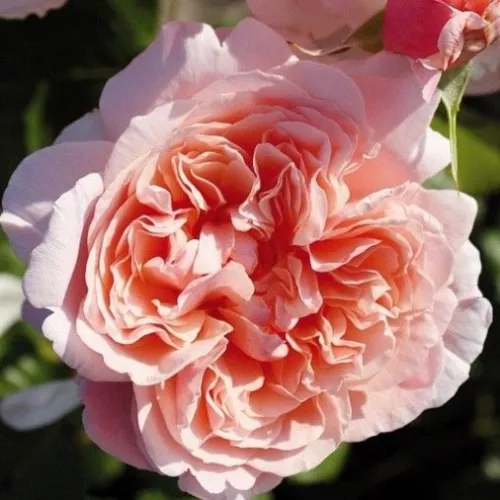
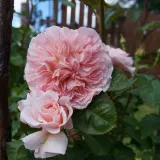
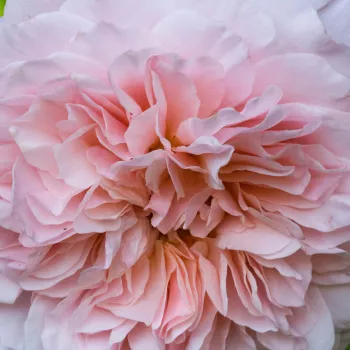
Very full, rosette-shaped flowers with 40+ petals, classed as extra large from around 3.5 inches across; blooms are mainly solitary and strongly remontant, giving abundant repeat flushes through the season. |
| Colour data and phenology |
Soft pale pink with a delicate peach undertone; buds powder pink with peach tips, opening pastel peach-pink, then fading through silky pink to near-cream, particularly faster in strong sun; ARS code AB, RHS 65C outer, 24C inner. |
| Fragrance and aroma |
Light rose scent described as very weak and barely noticeable; fragrance is a subtle background element rather than a dominant feature, allowing colour and flower form to provide the main ornamental impact. |
| Hip characteristics |
Rose hip set is usually low due to its highly double blooms; where formed, hips are spherical, 20–30 mm, with an unusual greyish-lilac to greyish-purple tone (around RHS 183A), adding limited late-season interest. |
| Resistance and winter hardiness |
Hardy to approximately –23 to –21 °C (USDA 6a, RHS H7, Swedish zone 3); good heat tolerance with moderate drought resistance; black spot resistant, while powdery mildew and rust show moderate susceptibility. |
| Horticultural recommendations |
Best on arches, pergolas, fences or walls at 70–140 cm spacing; tolerates partial shade; maintenance moderate with occasional plant protection; ensure regular watering in dry periods and simple annual pruning and tying-in. |
ROSE DE TOLBIAC® offers repeat flowering, medium-height climbing structure and reliable partial-shade performance in a durable own-root form, making it a cultured choice for long-lived, romantic garden planting you can confidently invest in.