ROSA HARISONII – yellow historic old garden rose - Harison
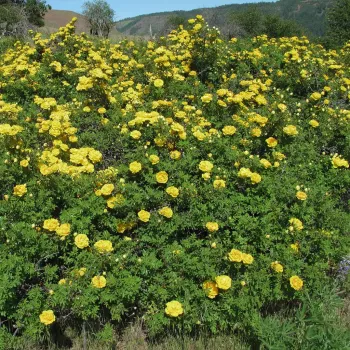
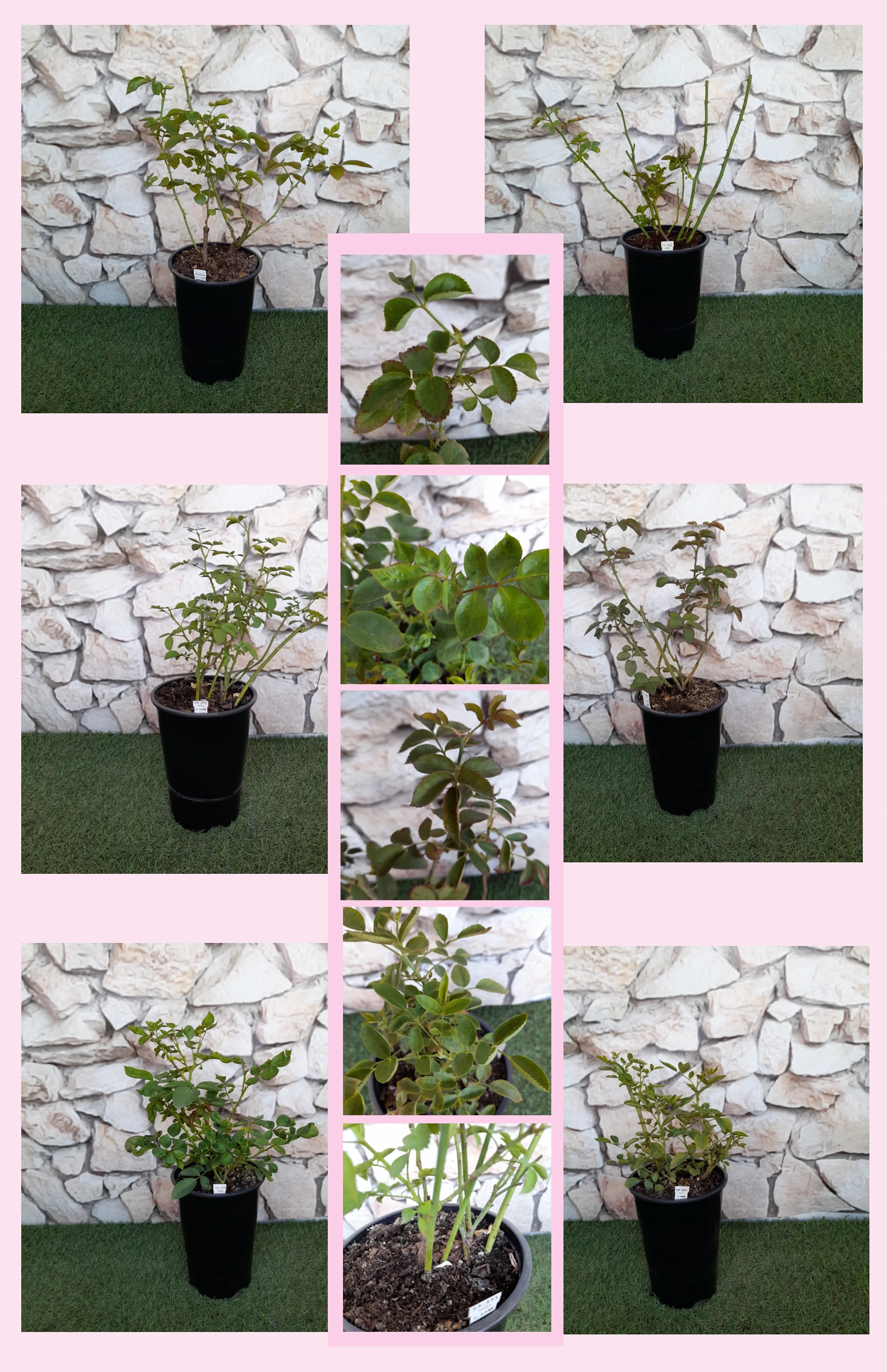
This historic shrub rose brings a feeling of afternoon tea and timeless cottage charm to the average family garden, combining a bushy, arching habit with a soft, romantic yellow glow in early summer. As an own-root plant it offers reassuring stability, quietly rebuilding from the base if stems are damaged, so you enjoy a genuinely long-lived feature rather than a short-term bedding rose. Once established, it copes well with sun, light shade and the kind of coastal breezes and weather shifts that challenge many modern varieties, needing little extra watering in normal conditions. Its self-cleaning habit means most spent blooms fall away on their own, reducing deadheading to an occasional task and suiting busy families who still want a refined, storybook look. The generous 2‑litre pharmaROSA® ORIGINAL pot gives it a safe, ready-to-plant start in UK soils, whether your garden leans to clay or chalk, while own-root growth supports a graceful development from firm roots to fuller shoots and finally a settled, mature character that anchors the cottage border for years to come.
Usage options
| Target area | Reasoning |
|---|
| Front or middle of a cottage-style mixed border |
The warm, sunshine-yellow flowers and bushy, upright-arched structure create a romantic focal point in early summer, blending well with perennials yet remaining clearly visible from the house or terrace for cottage-style enthusiasts. |
| Informal flowering hedge along a garden boundary |
Its vigorous height and dense twiggy structure form a soft, informal screen that marks boundaries, while semi-double blooms and good self-cleaning reduce upkeep along fences or paths for low-maintenance hedge planners. |
| Specimen rose near seating or an arbour |
One well-grown plant can stand alone beside a bench or arbour, providing a once-a-year flush of clear yellow blossom and a mild, elegant scent that suits relaxed afternoon tea corners for romantic garden users. |
| Naturalistic planting and wilder garden edges |
The historic character and occasional rose hips suit looser, meadow-style or wildlife-friendly corners; its semi-double, open flowers provide accessible pollen for bees, fitting gently managed family wildlife areas. |
| Exposed or weather-prone garden spots |
Once established, the shrub’s robust framework and reliable heat and drought tolerance help it cope with sun, wind and changeable conditions in typical British plots, providing structure without fussy care for practical home gardeners. |
| Low-input family garden with limited maintenance time |
Good natural self-cleaning, moderate disease resistance and own-root resilience keep routine tasks modest, while the plant quietly matures year by year into a stable woody framework for busy householders. |
| Large planter on patio or at entrance (from 40–50 litres) |
A generous container allows enough root space for this upright shrub to perform as a welcoming accent by doors or on terraces, with manageable pruning and watering schedules that suit smaller urban gardens. |
| Rural or village kitchen garden surroundings |
Its historic breeding and traditional shrub form sit naturally beside vegetable beds and fruit trees, echoing older farmhouse plantings and withstanding varied weather, making it ideal for lovers of old-fashioned productive plots. |
Styling ideas
- Yellow‑and‑white border – Combine Rosa Harisonii with white liatris and pale foxgloves for a calm, luminous cottage strip – ideal for homeowners wanting a restrained, harmonious palette.
- Kitchen‑garden frame – Plant it at the end of vegetable beds with herbs and chives, echoing traditional farmhouse rows – suitable for rural gardeners who enjoy productive plots with ornament.
- Soft‑screen hedge – Use a loose row along a picket fence with lavender and catmint at the base – appealing to families who prefer gentle separation over hard fencing.
- Wildlife corner – Pair it with ornamental alliums and obedient plant, letting perennials weave between arches – for nature-friendly gardeners who like a slightly wilder, storybook look.
- Patio focal rose – Grow it in a 50‑litre pot near seating, underplanted with hardy geraniums – perfect for urban owners seeking cottage character in compact spaces.
Technical cultivar profile
| Parameter | Data |
|---|
| Name and registration |
Historic shrub rose classified as an old garden Hybrid Foetida × Hybrid Spinosissima type; known commercially as Rosa Harisonii or Harison’s Yellow; unregistered but long-established in gardens. |
| Origin and breeding |
Bred in the United States around 1824 by George Folliott Harison from Rosa foetida ‘Persiana’ × Rosa spinosissima; widely introduced from about 1830 as a distinctive yellow shrub rose. |
| Growth and structural characteristics |
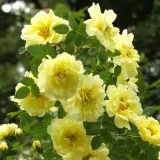
Bushy, upright to arching shrub, 130–230 cm high and wide, with moderately dense, grey-green, matt foliage and plentiful prickles; builds a lasting woody framework suitable for hedging and specimen use. |
| Flower morphology |
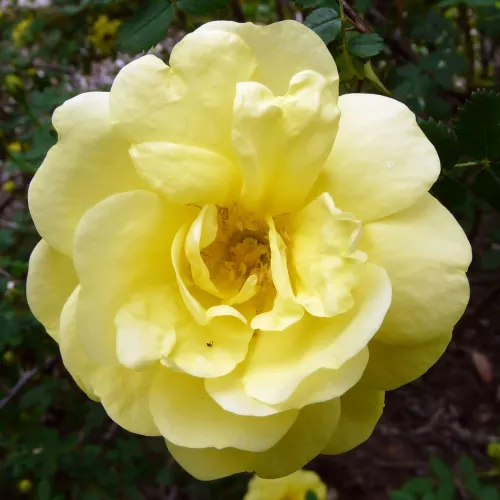
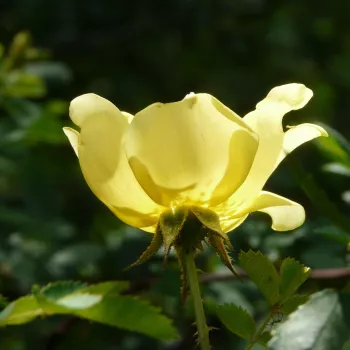
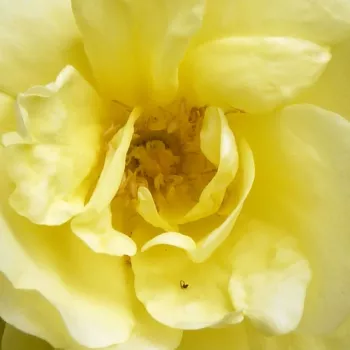
Semi-double, cup-shaped flowers with 13–25 petals, medium-sized solitary blooms; not remontant, giving a concentrated early-summer display that is largely self-cleaning as petals and spent flowers drop naturally. |
| Colour data and phenology |
Closed buds deep golden yellow, opening to intense lemon-yellow with slightly darker bases; flowers remain bright, warm sunshine-yellow, fading only slightly in strong sun, and look richest in cooler weather. |
| Fragrance and aroma |
Mild yet refined perfume with a delicate, elegant character; noticeable close to the shrub without dominating nearby seating areas, supporting relaxed use near paths, patios and traditional sitting spots. |
| Hip characteristics |
Occasionally sets small, spherical hips 11–19 mm across, maturing from green through red to black; modest ornamental contribution but adds seasonal interest for observers and some value to wildlife corners. |
| Resistance and winter hardiness |
Very hardy shrub (RHS H7, USDA 4a, Swedish zone 5) tolerating –34 to –32 °C; copes well with heat and moderate drought once established, with moderate resistance to common fungal diseases. |
| Horticultural recommendations |
Suited to specimen planting, informal hedges, slopes, parks and urban greens; medium maintenance with occasional pruning and health checks, thriving in sun or partial shade with well-drained, reasonably fertile soil. |
ROSA HARISONII offers a once-a-year flush of clear yellow bloom, a durable, weather-tolerant shrub form and the quiet security of own-root longevity, making it a thoughtful choice for those planning a lasting cottage-style garden feature.