ROBE À LA FRANÇAISE – pink nostalgic rose – Kawamoto
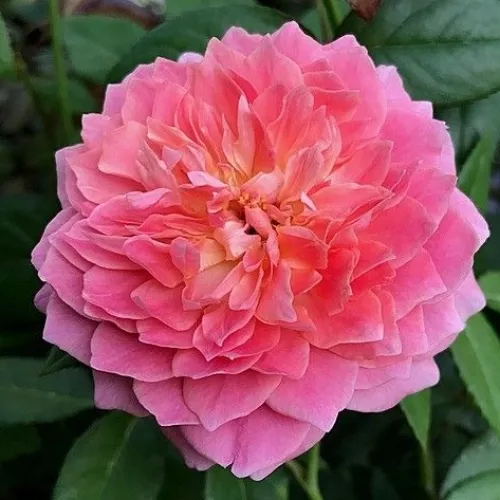
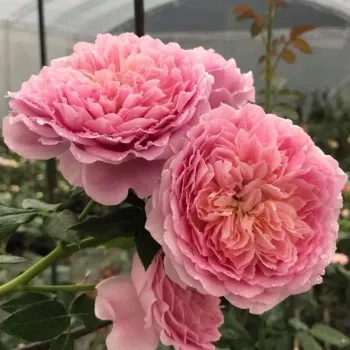
Slip into a world of quiet romance with ROBE À LA FRANÇAISE, a nostalgic shrub rose that brings the charm of an English cottage plot to an everyday family garden. Its arching growth and softly ruffled, mauve-pink blooms create a natural arbour feeling over pergolas or fences, ideal for afternoon tea corners and storybook paths. Medium maintenance yet reassuringly robust, it copes well with breezier gardens and exposed spots where strong winds sweep in from the coast. Clusters of large, very double, cupped flowers repeat from summer well into autumn, with a delicate myrrh fragrance that never overwhelms your seating area. As an own-root plant, it offers reliable regrowth after pruning, a long, steady lifespan, and a stable look even if individual canes age or are cut back. In a roomy 40–50 litre container it becomes a moveable feature, while in the ground it forms a tall, bushy screen that matures gracefully over several seasons.
Usage options
| Target area | Reasoning |
|---|
| Pergola or rose arbour in a cottage-style seating corner |
The tall, bushy habit with loosely arching shoots can be guided over a small pergola or frame, giving a “roof” of soft pink, ruffled flowers for that afternoon-tea atmosphere. Repeating flushes keep the structure romantic for much of the summer, with only occasional tying-in and deadheading needed for shape and neatness – a gentle choice for the busy homeowner |
| Fence line or light screening between neighbouring gardens |
Reaching around 150–225 cm, this shrub rose makes a living screen that is dense with dark, glossy foliage but not oppressive, ideal to soften boundaries and give privacy to a family garden. The blooms repeat through the season, so you gain both screening and colour, while own-root growth means that if older canes are pruned out, fresh shoots quickly refill gaps – reassuring for the long-term planner |
| Feature rose in a mixed cottage flower bed |
Placed as a solitary specimen or loose group, the large, cup-shaped flowers and mauve-pink to powder-rose tones blend beautifully with traditional cottage companions such as lavender, catmint or airy perennials. Its medium maintenance needs suit informal borders where you want generous colour without constant fussing, and the moderate disease profile is manageable with simple, seasonal care – well suited to the relaxed gardener |
| Romantic container near a terrace or front door |
In a substantial 40–50 litre pot with good drainage, the bushy structure and medium height create a welcoming focal point by steps or seating. The mild myrrh scent is noticeable up close without overwhelming small terraces or balconies, and own-root growth means the plant can be rejuvenated by harder pruning if it ever becomes leggy – practical reassurance for the urban balcony-owner |
| Flowering accent in a rural kitchen or cutting garden |
With long, supple stems and very double blooms, this variety lends itself to cutting for jugs and informal arrangements on kitchen tables, yet it still flowers again well once stems are removed. The colour softens from richer pink to powdered tones, giving a vintage look in the vase, while the plant’s good heat tolerance supports summer cutting even in warmer spells – ideal for the home flower-lover |
| Soft hedge in front gardens or along a drive |
Planting at around 120–130 cm apart allows the shrubs to knit into a loose, flowering hedge that looks friendly rather than formal. The glossy dark foliage reads as smart even between flushes, and own-root plants cope well with periodic renewal pruning, so the hedge can be kept in good order for many years with simple winter and light summer trims – attractive to the traditional homeowner |
| Coastal or more exposed family gardens |
This rose tolerates heat and copes reliably with breezier, more open positions, so it is a sound choice where wind and salt-laden air can challenge fussier roses. Planted into improved soil or raised beds on heavier ground, its deepening own-root system helps it anchor and recover from weather stress, supporting a stable look season after season – reassuring for the seaside gardener |
| Low-maintenance romantic corner with limited time for care |
The remontant flowering habit offers repeated colour through the season with only modest effort: a basic winter prune, some deadheading, and straightforward disease checks. As an own-root shrub it is forgiving if pruning is not perfect, responding by sending new shoots from the base and maintaining its form over the years, so your investment settles in and improves with time – comforting for the busy beginner |
Styling ideas
- Cottage-Arbour Walk – Train over a light pergola with underplantings of fragrant sweet alyssum and dwarf heuchera for a soft, storybook walkway – for nostalgically minded families.
- Kitchen-Garden Charm – Use as a tall backdrop in a kitchen plot, weaving between herbs and vegetables to bring romantic colour to productive rows – for cottage-kitchen enthusiasts.
- Front-Garden Welcome – Plant in pairs by a gate or front path and clip lightly to form a flowering screen that greets visitors across the season – for homeowners who like traditional entrances.
- Patio-Romantic Pot – Grow one plant in a 40–50 litre terracotta container with trailing alyssum at the rim to enjoy close-up scent beside seating – for terrace and balcony users.
- Soft-Edge Border – Repeat along the edge of a mixed border, interspersed with low junipers, to create a gentle ribbon of pink and evergreen texture – for gardeners seeking easy year-round structure.
Technical cultivar profile
| Parameter | Data |
|---|
| Name and registration |
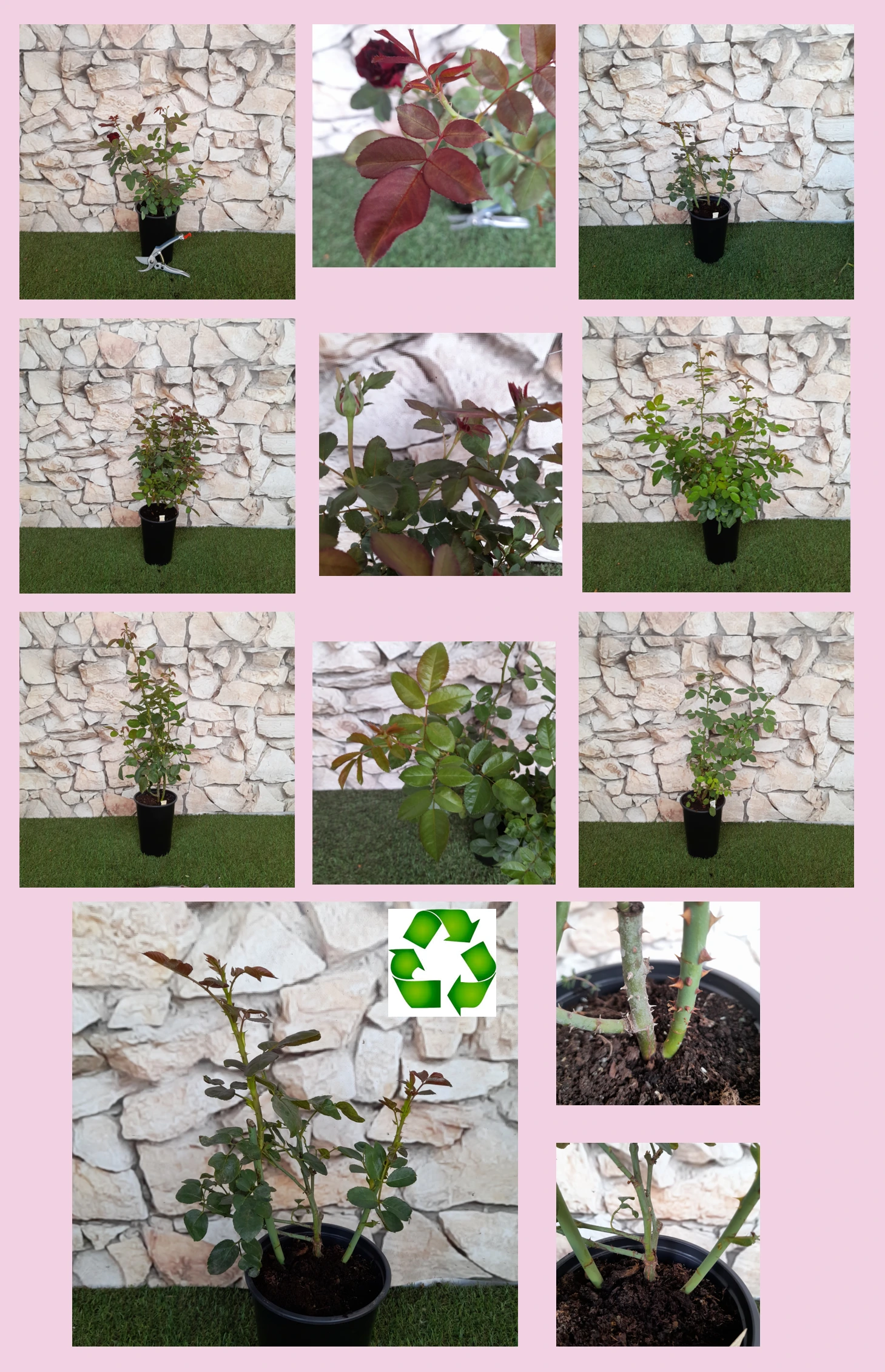
Robe à la française is a shrub rose from the Romantic Rose collection, commercial nostalgia type; current trade name ROBE À LA FRANÇAISE – pink nostalgic rose – Kawamoto, supplied on its own roots. |
| Origin and breeding |
Bred by Junko Kawamoto at Kawamoto Rose Garden, Japan, with parentage not recorded; selected and introduced in 2011, initially distributed by Kawamoto Rose Garden for romantic garden use. |
| Growth and structural characteristics |
Vigorous shrub reaching about 150–225 cm high and 110–165 cm wide, with bushy, loosely arching shoots that can be trained on light supports; dense, glossy dark green foliage and moderate prickliness. |
| Flower morphology |
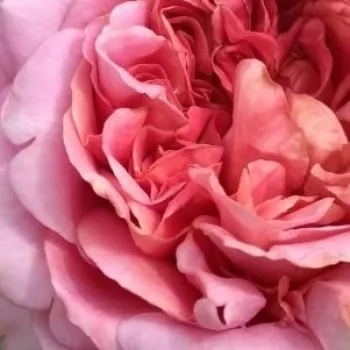
Large, cupped, very double blooms with over 40 petals, typically carried in clusters on the stems; remontant with an abundant second flowering, providing repeated displays from early summer into autumn. |
| Colour data and phenology |
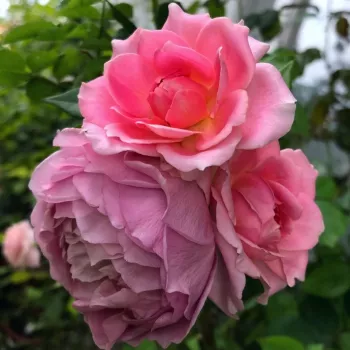
Base colour delicate mauve-pink with lilac tint; buds mid- to deep mauve-pink, opening to rich pink then fading to powder-rose with peach-cream centre; ARS PB, RHS 62D outer, 166C inner; moderate colour retention. |
| Fragrance and aroma |
Light but distinct myrrh character, softly sweet and not overpowering; best appreciated near seating or paths. Fragrance strength is mild, giving a gentle background scent rather than a dominant perfume in the garden. |
| Hip characteristics |
Hip set is usually sparse; when present, hips are spherical, about 10–15 mm in diameter, and mature to an orange-red colour, offering small seasonal accents without significantly affecting flowering display. |
| Resistance and winter hardiness |
Hardy to around −21 to −18 °C (RHS H7, USDA 6b, Swedish zone 3); good heat tolerance with regular watering in drought; black spot generally resisted, powdery mildew and rust at moderate, manageable levels. |
| Horticultural recommendations |
Best in sunny positions, with planting distances of 120–130 cm for hedges or 200 cm as specimens; medium maintenance with some plant protection; suitable for pergolas, fences, beds, containers and cut-flower use. |
ROBE À LA FRANÇAISE offers tall romantic growth, repeat mauve-pink flowering and gentle myrrh scent on a resilient own-root shrub that settles in for many years of characterful cottage style; a thoughtful choice if you favour long-term beauty over short-lived trends.