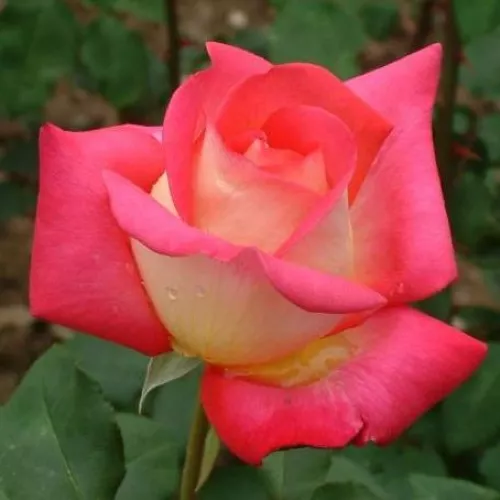
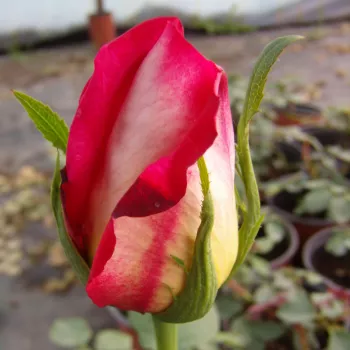
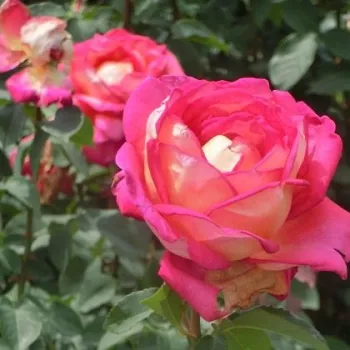
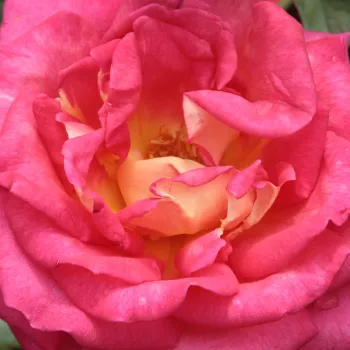
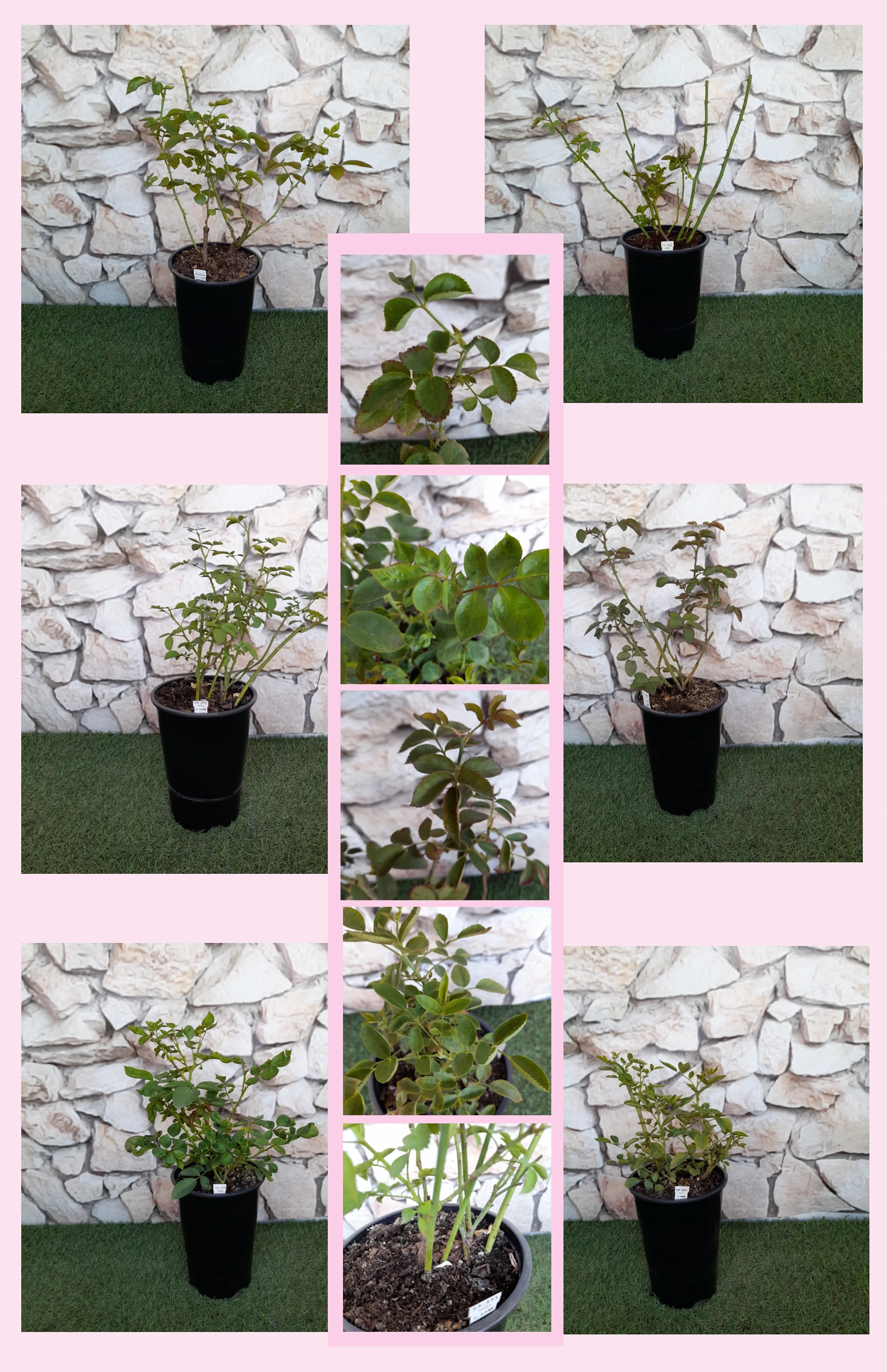
RENICA – yellow-red hybrid tea rose – TANrekta
If you dream of afternoon tea under an arbour, RENICA brings a romantic, storybook cottage feel to an everyday family garden with its bicolour blooms and reliable hybrid tea flowers. This own-root shrub settles steadily, giving you a long-lived, regenerating structure without graft worries, ideal where soil can be heavy yet well-drained against winter winds. Its ADR-recognised health means fewer treatments and simple, occasional deadheading for tidy borders, while compact, upright growth suits front-of-house planting and larger patio pots. In its first season it concentrates on roots, the second on strong new shoots, and by the third year it shows its full ornamental display, bringing dependable repeat colour and cuttable stems for informal indoor arrangements.
Usage options
| Target area |
Reasoning |
| Feature rose in a small front garden |
The compact, upright habit (around 75–105 cm) creates a neat focal point that does not overwhelm a modest space, while the bicolour flowers add instant kerb appeal. Own-root vigour gives a long-lived, reliable presence for busy homeowners. |
| Romantic cottage-style mixed border |
Repeat flowering with abundant second flush makes it a strong performer among perennials and herbs, providing colour from early summer onwards. Dense foliage and classic hybrid tea blooms complete a soft, traditional cottage scene for cottage-garden lovers. |
| Cutting patch near the kitchen garden |
Long-stemmed, high-centred flowers are ideal for vases, allowing regular picking without weakening the plant thanks to own-root regenerative strength. This brings a steady supply of nostalgic blooms indoors for home florists. |
| Rose hedge or low boundary line |
Recommended hedge spacing (about 35 cm) allows an even, upright line of plants, giving a colourful, formal edging. Strong disease resistance reduces maintenance along paths or driveways, suiting low-maintenance gardeners. |
| Roses in heavy clay with improved beds |
Once planted into well-prepared, free-draining soil, the robust root system anchors the plant and ensures stable performance, even where typical British clay soils prevail and need raised or amended beds, supporting challenging-plot owners. |
| Large terrace container (40–50 litres+) |
The moderate size and upright growth make it well suited to larger pots where it can be easily watered in hot spells. Own-root form means less risk of decline over time, turning a container into a long-term garden element for balcony and patio users. |
| Family garden with limited gardening time |
Good resistance to black spot, mildew and rust means fewer sprays and checks. Routine deadheading and basic winter pruning are usually enough for dependable flowering, freeing time for other activities for busy family gardeners. |
| Planned long-term planting for a settled home |
Starting with a young, 2-litre own-root plant lets it establish a strong base in year one, build structural growth in year two and reach a full flowering display by year three, ideal for those planning ahead as long-term homeowners. |
Styling ideas
- Pastel Arbour – Train RENICA up a light obelisk and underplant with Alchemilla mollis and soft pink campanulas for a romantic pastel frame to a seating area – perfect for lovers of gentle afternoon-tea corners.
- Kitchen Border – Line a narrow kitchen-garden path with RENICA alternating with low herbs; cut blooms for the table while enjoying scented foliage at your feet – ideal for home cooks who like flowers and flavour together.
- Golden Hedge – Combine a loose RENICA hedge with Cornus alba ‘Spaethii’ behind it, echoing yellow tones in winter stems and summer foliage – suited to those wanting year-round structure and colour.
- Patio Showcase – Plant a single RENICA in a 50-litre terracotta pot with trailing thyme at the base, placing it by French doors for easy watering and viewing – a good match for urban terrace and balcony owners.
- Storybook Arch – Pair RENICA in the foreground with a Clematis montana ‘Elizabeth’ on an arch behind, layering bicolour roses against a cloud of soft pink – appealing to romantics seeking an English storybook entrance.
Technical cultivar profile
| Parameter |
Data |
| Name and registration |
Hybrid tea rose; registered as TANrekta, traded as RENICA – yellow-red hybrid tea rose – TANrekta; ARS exhibition name ‘Rebecca’; group: Hybrid Tea, cut-flower style. |
| Origin and breeding |
Bred by Mathias Tantau Jr. (Rosen Tantau), Germany, 1970; parentage ‘Konfetti’ × ‘Piccadilly’; registered and introduced in 1970 as a garden and cutting hybrid tea. |
| Awards and recognition |
ADR award in 1972, confirming strong garden performance, dependable health and ornamental value under trial conditions without intensive spraying or special maintenance regimes. |
| Growth and structural characteristics |
Upright bush, about 75–105 cm high and 45–65 cm wide; dense, dark green, slightly glossy foliage; densely thorned stems; weak self-cleaning, so benefits from regular deadheading for best effect. |
| Flower morphology |
High-centred, pointed buds opening to large, double blooms with around 17–26 petals; mostly solitary, classic hybrid tea form; remontant with a notably abundant second flush in suitable conditions. |
| Colour data and phenology |
Bicolour yellow-red (ARS yb, RHS 13B, 53C); pale lemon-yellow ground with warm rose-red centre; tones blend softly, lightening in strong sun and showing richer pink-red in cooler weather. |
| Fragrance and aroma |
Fragrance is very weak and often barely noticeable; chosen primarily for its striking bicolour display and cutting qualities rather than for scent-driven planting schemes or perfumed borders. |
| Hip characteristics |
Occasional spherical orange-red hips, around 10–14 mm, may form in autumn; modest but decorative effect, generally secondary to the season-long repeat flowering display. |
| Resistance and winter hardiness |
Rated resistant to black spot, powdery mildew and rust; hardy approximately to −21 to −18 °C (RHS H7, USDA 6b, Swedish Zone 3), though appreciates regular watering in hot, dry periods. |
| Horticultural recommendations |
Best in sunny positions; suitable for beds, specimens, hedging, large containers and cutting. Space roughly 40 cm in beds, 35 cm for hedges, 60 cm for specimens; prefers consistent moisture without prolonged drought. |
RENICA – yellow-red hybrid tea rose – TANrekta offers reliable repeat flowering, strong disease resistance and a long-lived own-root framework, making it a thoughtful choice if you would like a classic cutting rose that matures gracefully over the years.