QUEEN ELIZABETH – pink bedding grandiflora rose - Lammerts
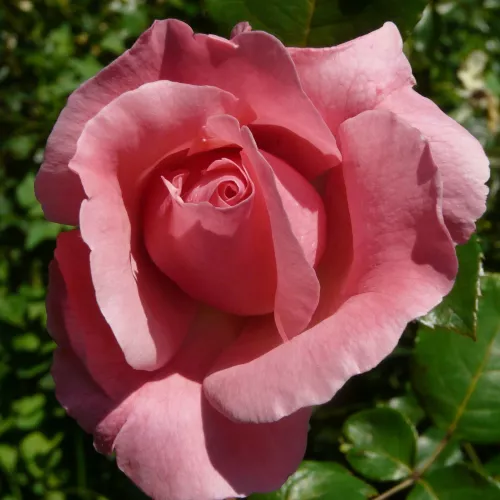
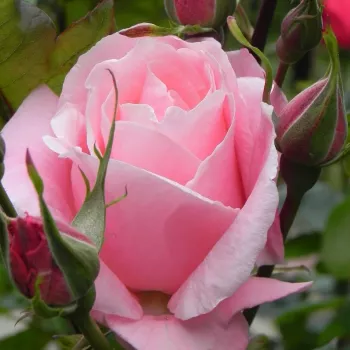
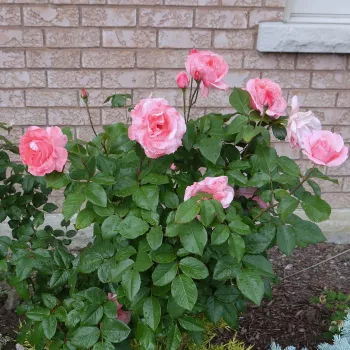
Bring a touch of palace grandeur to a family garden with QUEEN ELIZABETH, a tall, upright grandiflora rose that creates a romantic backdrop for afternoon tea. Its long, elegant stems carry clusters of cupped, mid-pink blooms that feel both classic and gently storybook, ideal beside a cottage-style arbour or along a path edged with herbs and fruit bushes. This own-root plant anchors reliably even where soil is heavy, coping steadily with coastal breezes and exposed suburban plots. Over time, the rose builds a dense, glossy green framework that promises dependable height and structure with minimal fuss, offering season-long flowers for cutting and garden display. Planted as a hedge or specimen, it delivers a sense of lasting presence and calm elegance, settling in as a tall, reassuring feature in your outdoor retreat.
Usage options
| Target area | Reasoning |
|---|
| Tall, romantic hedge along a boundary or path |
Its upright, 180–260 cm habit and dense foliage create a high, green wall of soft pink blooms, ideal for screening in average UK gardens without feeling overpowering; suits those wanting classic structure with gentle privacy, especially homeowners. |
| Statement rose beside an arbour or seating area |
Long, straight stems topped with clustered grandiflora flowers give graceful height around benches or arbours, echoing a traditional afternoon-tea setting while remaining manageable with light annual pruning, appealing to relaxed romantics. |
| Repeat-flowering feature in a cottage-style border |
Remontant flowering with a strong second flush keeps colour moving through summer, fitting well with perennials and kitchen-garden plantings so borders never look bare for long between flushes, reassuring time-poor gardeners. |
| Cutting patch for informal indoor arrangements |
Large, cupped, double blooms on sturdy stems provide generous material for vases without stripping the garden, so you can enjoy flowers indoors and out while still keeping beds full, ideal for creative but busy families. |
| Long-term structural rose for a family garden |
On its own roots the plant matures steadily, rebuilding from the base if cut back and offering a secure, long-lived framework rather than a short-term bedding splash, which suits those planning for many seasons of use, including cautious beginners. |
| Roses in heavier or more challenging garden soils |
The robust framework and strong rooting give dependable anchoring even where drainage is improved clay, helping the plant stand firm in wind and typical suburban exposures, which reassures practically minded buyers. |
| Lower-maintenance rose area with light grooming |
Moderate self-cleaning means many spent blooms drop or weather away, so only occasional deadheading is required to keep it tidy, a realistic match for those who want flowers but limited weekend tasks, especially urban owners. |
| Seasonal interest with hips after flowering |
Orange-red, ovoid hips provide an additional decorative phase after the main flowering, keeping borders from feeling empty in late season and pairing naturally with grasses and seed-heads, attractive to detail-loving cottage-style enthusiasts. |
Styling ideas
- Regal hedge – Plant in a single row at 55–65 cm for a tall, pink boundary that screens play areas and patios while staying elegant – ideal for family buyers wanting privacy without hard fencing.
- Tea-arbour – Position two or three plants to flank an arbour or garden bench, underplanting with lavender and catmint for a scented, pastel nook – perfect for those seeking a storybook afternoon-tea scene.
- Kitchen-border – Thread QUEEN ELIZABETH through a kitchen garden with sage, chives and strawberries, letting its height form a gentle backdrop – suited to home cooks who want roses mingled with produce.
- Cutting corner – Dedicate a sunny border section for this variety, combining it with cosmos and white gaura to give steady vase material – good for hobby arrangers who enjoy effortless home-grown bouquets.
- Pastel drift – Mass-plant three to five shrubs with soft grasses and Artemisia for a hazy, romantic sweep of pink – attractive to cottage-garden lovers who favour relaxed drifts over formal bedding.
Technical cultivar profile
| Parameter | Data |
|---|
| Name and registration |
QUEEN ELIZABETH, grandiflora bedding rose; registered cultivar name Queen Elizabeth; commercial use as bed rose and exhibition grandiflora; American Rose Society approved exhibition name Queen Elizabeth. |
| Origin and breeding |
Bred by Walter Edward Lammerts, United States, 1951; parentage ‘Charlotte Armstrong’ × ‘Floradora’; introduced 1954 via Jackson & Perkins; developed at Armstrong Nurseries, California, as a tall grandiflora. |
| Awards and recognition |
Highly decorated classic: Portland Gold Medal 1954, AARS winner 1955, ARS Gold Medal 1957, Golden Rose of The Hague 1968, and World Federation of Rose Societies Hall of Fame, World’s Favourite Rose 1979. |
| Growth and structural characteristics |
Strong, upright shrub reaching about 180–260 cm tall and 70–110 cm wide, with dense, glossy dark green foliage and moderate prickliness; forms a vertical, hedgeable framework suited to mixed borders and screening. |
| Flower morphology |
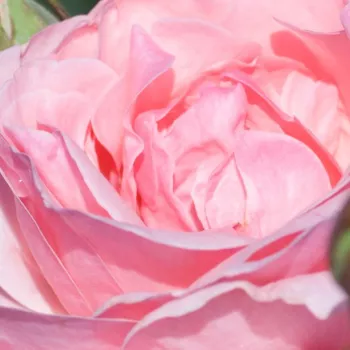
Large, cupped, double blooms with roughly 26–39 petals, borne mainly in clusters on long stems; remontant with a particularly abundant second flush, providing sustained garden display and good stems for cutting. |
| Colour data and phenology |
Mid-pink flowers with a delicate silvery sheen; buds deep pink, opening to uniform mid-pink then fading to light, pearly pink in strong sun; colour remains fresher and more vivid in cooler or less exposed positions. |
| Fragrance and aroma |
Delicate, sweet fragrance of mild intensity; not overpowering near seating areas or windows, yet noticeable at close range when blooms are cut for indoor arrangements, complementing the visual effect without dominance. |
| Hip characteristics |
Produces moderate quantities of small, 12–18 mm, ovoid orange-red hips with decorative value in late season, adding texture and colour once the main flowering has finished, especially effective in mixed autumn plantings. |
| Resistance and winter hardiness |
Hardy to about −26 to −23 °C (RHS H7, USDA 5b); good black spot resistance with moderate susceptibility to powdery mildew and rust; tolerates heat but benefits from watering during extended dry spells. |
| Horticultural recommendations |
Prefers sunny sites; plant 55–65 cm apart for hedges, about 100 cm for specimens; densities around 2.4–2.7 plants/m² in mass plantings; maintenance moderate, with occasional pruning and plant protection as required. |
QUEEN ELIZABETH offers tall, romantic hedging, generous cutting flowers and dependable, long-lived performance on its own roots, making it a cultured choice for those planning a traditional, low-fuss family garden.