PUNCH™ – pink dwarf mini rose - Tanjga
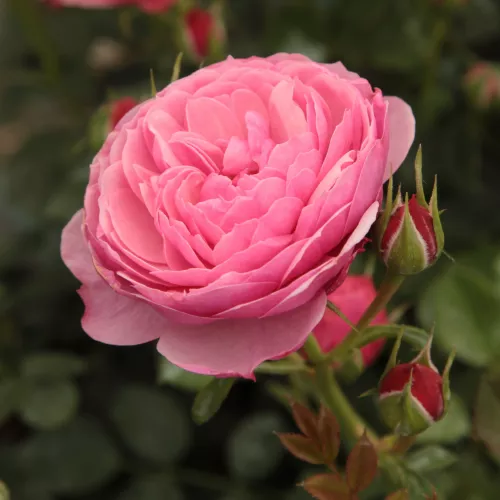
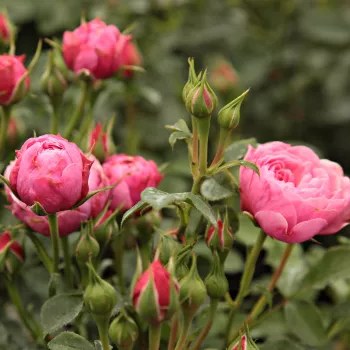
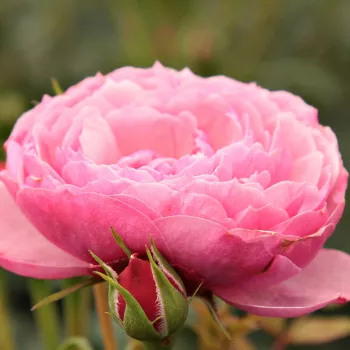
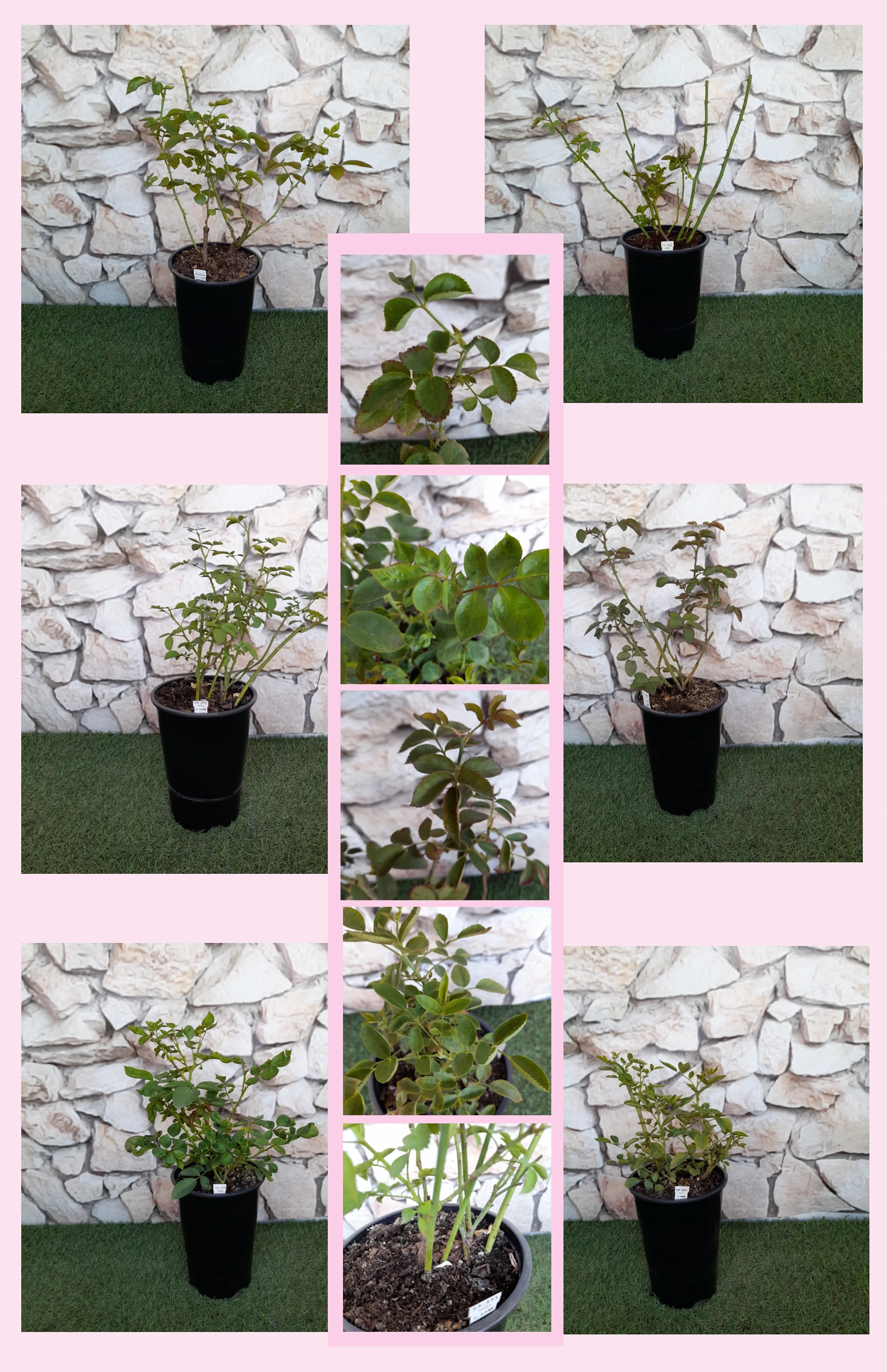
Discover the Pixie charm of PUNCH™, a compact, dwarf mini rose that slips neatly into small UK family gardens and town plots where space is precious yet you still want storybook romance. Its naturally compact habit (around 30–40 cm) makes it ideal for edging paths, framing a kitchen garden or softening the front of a cottage-style border, while dense, glossy foliage gives a tidy, well-finished border look from spring into autumn. Grown as an own-root plant in a practical 2‑litre container, it anchors securely and builds reliability over time, especially when drainage is improved on heavier soils and raised beds help manage persistent moisture. Expect a season-long display of double, pompon blooms in lively mid‑pink clusters, gently scented and fading to cool pastel tones that sit happily with herbs, pastels and cottage perennials. In its own-root form, this rose is bred for a long garden life: if winter or pruning cut it back, it regenerates from its own base, keeping shape and flower quality stable for years with straightforward pruning and feeding. In typical UK gardens, that means fewer replacements, a more settled planting scheme and a consistently pretty, “afternoon tea” backdrop for family life. Over the first seasons it gradually fills out – roots establishing, then stronger new shoots, then a truly full ornamental display – bringing increasing colour and cosy cottage-garden character to your favourite seating corner.
Usage options
| Target area | Reasoning |
|---|
| Edging a cottage-style front path |
PUNCH™ stays low and compact, forming a neat edging line that won’t overwhelm a narrow front path. Its small, dense framework naturally repeats flowering in soft mid-pink, creating a continuous, romantic welcome by the front gate with minimal shaping beyond a light annual trim, suiting busy homeowners. |
| Balcony or terrace container feature |
The dwarf habit and modest spread make this rose easy to manage in a 40–50 litre container, where its clustered blooms give punchy colour close to eye level. Own-root vigour supports long-term use in the same pot if you refresh compost and feed, providing a stable, perennial accent for urban balcony gardeners. |
| Low hedge around a kitchen garden |
Planted at the recommended close spacing, PUNCH™ knits into a low, flowery boundary that frames vegetable beds without casting deep shade. Glossy dark foliage and repeated pink flushes lend a traditional potager feel, while the sturdy own-root structure keeps the hedge line even over time for cottage-style enthusiasts. |
| Small family garden flower bed front |
Its 30–40 cm height is ideal for the front of mixed borders in modest-sized plots, where you want colour but must avoid blocking views from windows or children’s play areas. Continuous clusters of double blooms create a soft, storybook ribbon of pink that suits family garden planners. |
| Near seating for gentle fragrance |
Although not strongly scented, the mild rose fragrance is noticeable at close quarters, making it a charming choice beside a favourite bench or patio chair. The compact outline means no snagging branches, and own-root regrowth offers resilience if stems are occasionally knocked by relaxed garden users. |
| Formal geometric layouts and edging patterns |
The predictable, rounded shape and steady height lend themselves to simple geometric designs: edging squares around a lawn, defining a circular seating area or outlining a gravel garden. Once established, the structure remains consistent, supporting long-term design clarity valued by design-conscious beginners. |
| Children’s garden or low-maintenance family corner |
Its modest size and dense foliage help it sit safely at the edge of family spaces, with fewer tall, whipping canes. The own-root base means that even if stems are cut back hard during rough-and-tumble play, the plant can regenerate and regain shape, reassuring practical parents. |
| Coastal or wind-exposed cottage borders |
The naturally stocky, low framework offers a more wind-tolerant option than taller shrubs, helping it stay upright and integrated in breezier, exposed gardens. In wetter districts it particularly rewards planting where drainage is improved and raised beds prevent prolonged waterlogging for coastal cottage gardeners. |
Styling ideas
- Pink-edged path – Line both sides of a short garden path with PUNCH™ at close spacing for a low, repeating mid-pink ribbon that frames the way to your front door – ideal for traditional frontage lovers.
- Balcony jewel-box – Plant a trio of PUNCH™ in a 40–50 litre trough with silver thyme and compact lavender for a fragrant, cottage-style balcony vignette – perfect for space-conscious urban dwellers.
- Kitchen-garden frame – Use PUNCH™ as a low rose border around raised vegetable beds, mixing in chives and marigolds for colour and structure – suited to home cooks who like productive prettiness.
- Storybook corner – Set PUNCH™ near a small bench, underplanted with violas and soft grasses to create a cosy “reading nook” with gentle colour and scent – appealing to romantic garden readers.
- Mini parterre – Mark out simple squares or diamonds with rows of PUNCH™, filling centres with herbs or salad crops for a formal yet friendly layout – attractive to first-time designers wanting easy structure.
Technical cultivar profile
| Characteristic | Data |
|---|
| Name and registration |
Miniature, dwarf shrub rose marketed as PUNCH™ Pixie® BOZpuncpix; ARS exhibition name PUNCH™; part of the Pixie® collection; classified as a mini rose for edging and containers. |
| Origin and breeding |
Bred by Biljana Božanić Tanjga for Pheno Geno Roses d.o.o. in Serbia; introduced and registered in 2018 by PhenoGeno Roses; parentage unknown but selected for compact, ornamental container use. |
| Growth and structural characteristics |
Compact, bushy plant reaching about 30–40 cm in height and spread, with dense, dark green glossy foliage and moderate prickliness; naturally rounded, suitable for edging and small-space planting schemes. |
| Flower morphology |
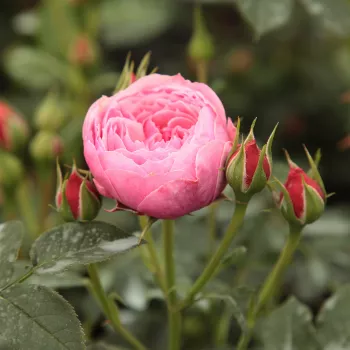
Double, spherical pompon flowers with roughly 26–39 petals, produced in clusters on short stems; medium-sized blooms (1.5–2.75 inches) repeat well through the season with particularly abundant second flush. |
| Colour data and phenology |
Clear mid-pink flowers, RHS 68C–65C, opening from vivid pink buds; colour fades gradually to a lighter, cooler pink yet retains an even, fresh look, maintaining good decorative value over the flowering period. |
| Fragrance and aroma |
Soft, mildly rose-scented fragrance best appreciated at close range; strongly double flowers enclose stamens, making it primarily ornamental and only weakly attractive to pollinating insects in mixed plantings. |
| Hip characteristics |
Rose hips are generally sparse because of the double flower form; where present, they are tiny, typically up to 5 mm in diameter, and of negligible ornamental or wildlife interest in most garden situations. |
| Resistance and winter hardiness |
Hardy to approximately –23 to –21 °C (RHS H7, Swedish Zone 3, USDA 6a) but very susceptible to powdery mildew, black spot and rust, so requires regular preventative care and good air circulation. |
| Horticultural recommendations |
Best in sunny positions with well-drained soil; suits containers, balconies, terraces, edging and front-of-border use; plant at 25–30 cm spacing; disease-prone so maintain regular protection and hygiene. |
PUNCH™ offers compact height, long-term edging structure and soft pink repeat flowering in an own-root form that regenerates reliably, making it a thoughtful choice if you want enduring cottage charm with manageable care.