RHEA – red hybrid tea rose – pharmaROSA® ORIGINAL 2-litre own-root
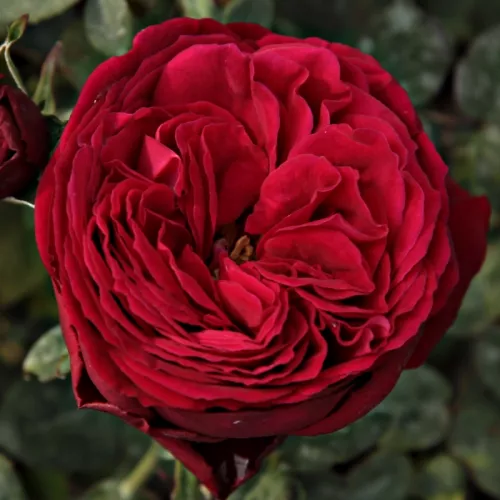
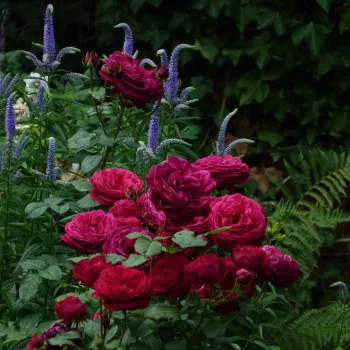
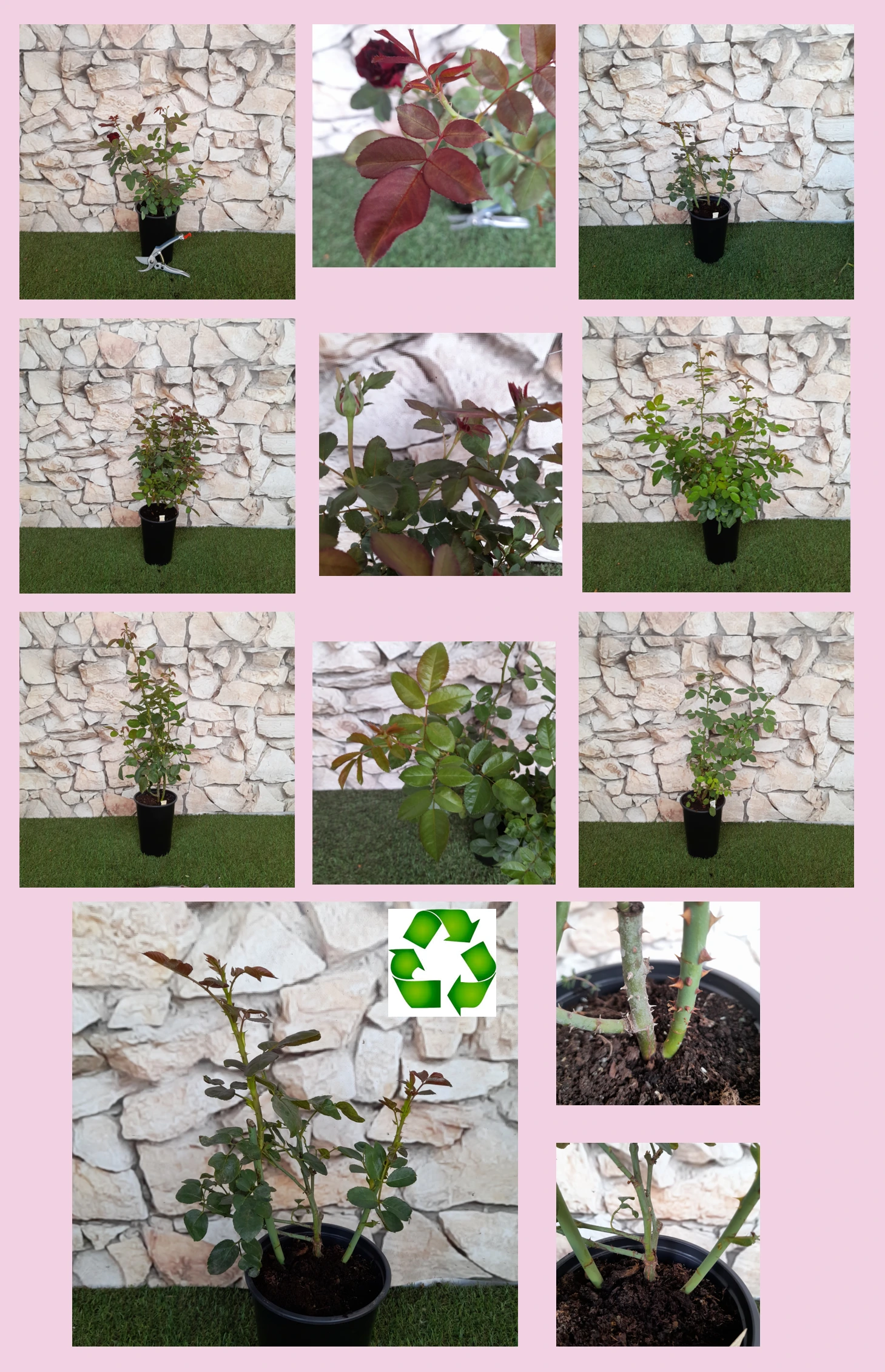
RHEA brings a touch of storybook romance to a real, working family garden: sumptuous, velvety, wine-red blooms in the classic hybrid tea shape, carried on a compact, bushy plant that fits comfortably into typical British beds and borders. Its strongly scented flowers create a luxurious atmosphere for afternoon tea beneath an arbour, while the plant itself remains reassuringly undemanding, bred for low-maintenance ease with high natural resistance to common rose diseases. On its own roots it builds long-term strength and reliable structure, quietly extending its lifespan as the years pass, so you can enjoy stable ornamental value without frequent replacement. Ideal for cottage-style borders on heavier soils, it copes well with blustery weather and damp spells near the coast when given sensible drainage and a sheltered spot from prevailing winds. In its first seasons it concentrates on rooting, then on strong shoots, before settling into full display over time – a patient, dependable way to achieve that cosy, romantic cottage feel in a small to medium garden. Whether you picture a single, glowing specimen near a kitchen path or a short hedge along a seating area, RHEA offers indulgent colour and perfume without fussy routines, making it a grounded, realistic choice for busy households.
Usage options
| Target area |
Reasoning |
| Feature rose in a small to medium front garden bed |
Use RHEA as a focal point where space is limited but you still want the feel of a classic, richly coloured hybrid tea rose. Its compact, bushy habit and barely thorny stems make it practical near paths and driveways. The own-root plant establishes steadily, with roots first, then strong shoots and finally a full display, giving long-term structure without constant replanting for the traditional-style homeowner. |
| Romantic cottage-style border near a seating area |
Plant RHEA near benches, arbours or patios where its strong scent and velvety wine-red blooms can be appreciated up close. The plentiful second flowering ensures repeat colour through the season, while its low maintenance needs suit relaxed spaces meant for unwinding rather than constant tending, appealing most to lovers of romantic cottage gardens. |
| Low hedge or short run along a path |
At 75–105 cm high with a dense, compact structure, RHEA lends itself to short rose runs and low hedging that define a cottage path or kitchen garden edge. Recommended planting distances make it easy to achieve a continuous line, and own-root growth encourages good recovery if some stems are pruned harder, reassuring family gardeners wanting a traditional but manageable boundary. |
| Cutting patch for home-arranged bouquets |
RHEA is a hybrid tea type, producing long-stemmed, solitary, very full flowers that look sophisticated in vases. The rich, stable colour and strong scent make it ideal for home cutting, while its robust health keeps foliage attractive even after you take stems. This is particularly suitable for creative home florists and those who like to bring their garden indoors. |
| Roses in heavy or challenging garden soils |
In many British home gardens, clay or chalky soils and changeable weather can make roses tricky; RHEA’s good disease resistance and own-root stamina give it a dependable constitution when planted in well-prepared, free-draining soil or raised beds. It copes well with breezy, damp spells typical of exposed plots, which is reassuring for cautious, time-pressed gardeners. |
| Containers on patios, courtyards and roof terraces |
RHEA’s compact, upright habit is well suited to a large container of at least 40–50 litres, where its perfume and colour can be enjoyed close to seating. Own-root plants adapt well to pot culture, and strong disease resistance keeps foliage looking neat even in more confined, urban situations, making it ideal for busy city-dwellers wanting classic roses. |
| Low-intervention family garden borders |
With low maintenance needs and high resistance to black spot, mildew and rust, RHEA fits borders where regular spraying and complex routines are unrealistic. Deadheading spent blooms improves appearance but is not technically demanding, and its resilient, own-root framework supports gradual, long-term growth, suiting families prioritising easy-care outdoor spaces. |
| Long-lived specimen in a mixed cottage planting |
As an own-root rose with robust health, RHEA is designed for long service life, providing consistent form and flowering rather than declining after a few years. Its modest size integrates well with perennials and grasses, giving a dependable, richly coloured anchor plant in a border intended to mature gracefully over time for patient, tradition-minded gardeners. |
Styling ideas
- Tea-Table Focus – Position RHEA beside a small seating area with low herbs and soft grasses so the velvety blooms and strong scent frame relaxed afternoon tea – for homeowners who value atmosphere as much as flowers.
- Cottage Ribbon – Create a short ribbon of RHEA along a brick path, underplanting with Saxifraga x arendsii for spring froth and letting the compact, long-lived shrubs give structure – for lovers of classic cottage charm.
- Velvet Contrast – Pair RHEA with Sedum spurium and dwarf Carex for a textural mix; its rich wine-red flowers rise from dark, glossy foliage against ground-hugging foliage mats – for design-aware gardeners seeking strong colour contrast.
- Patio Classic – Grow a single RHEA in a 50-litre terracotta pot by the back door, where its scent and repeat blooms greet you daily while remaining easy to water and tend – for busy urban families wanting simple elegance.
- Kitchen-Garden Accent – Use RHEA at the corner of a vegetable or herb bed, its compact, low-thorn growth and sturdy health giving a refined, long-lived accent among practical plantings – for those blending productivity with romance.
Technical cultivar profile
| Property |
Data |
| Name and registration |
Rhea hybrid tea rose pharmaROSA®, a verified hybrid tea garden rose offered as an own-root, container-grown plant for domestic gardens; trade name confirmed and cultivar authenticity checked in 2025. |
| Origin and breeding |
Hybrid tea discovered by PharmaRosa® in Germany in 2002; parentage is unknown. Distributed by PharmaRosa® Ltd. and selected for home garden use with emphasis on health and dependable flowering. |
| Growth and structural characteristics |
Compact, bushy shrub 75–105 cm tall and 50–70 cm wide, with moderately dense, dark green, slightly glossy foliage and very few thorns, forming a low, dense structure well suited to beds and containers. |
| Flower morphology |
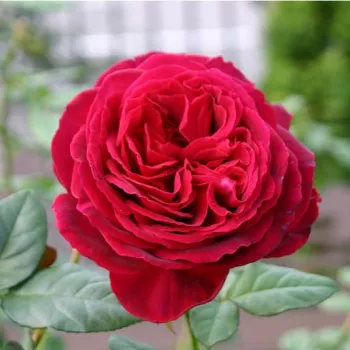
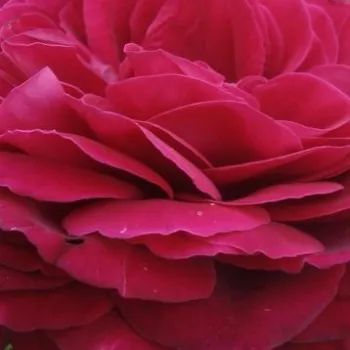
Large, very full, rosette-shaped hybrid tea flowers borne mainly singly, with over forty petals. It is remontant, producing an abundant second flush that extends the flowering season in well-sited gardens. |
| Colour data and phenology |
Rich wine-red blooms with velvety texture; outer petals RHS 63B, inner 61C. Colour is deep in cool weather, softening towards mahogany tones as blooms mature, with good overall colour retention in the garden. |
| Fragrance and aroma |
Strongly scented hybrid tea rose with fragrance detectable at a distance in still air. Exact scent profile is undocumented, but intensity makes it well suited to seating areas and cutting for indoor enjoyment. |
| Hip characteristics |
Hip set is generally low because of very double flowers; where formed, hips are rounded, around 10–15 mm in diameter, and not usually a prominent ornamental feature compared with the blooms. |
| Resistance and winter hardiness |
High resistance to powdery mildew, black spot and rust under normal garden conditions. Hardy to approximately −21 to −18 °C (RHS H7, Swedish Zon 3, USDA 6b), with good tolerance of heat and brief dry spells. |
| Horticultural recommendations |
Best in sunny positions with well-drained soil; suitable for beds, specimens, hedging and large containers. Plant 50–100 cm apart depending on use; low maintenance with simple pruning and routine watering in drought. |
RHEA hybrid tea rose offers rich wine-red, strongly scented blooms on a compact, healthy, long-lived own-root shrub that settles reliably into family gardens; a thoughtful choice when you want lasting romance with minimal fuss.