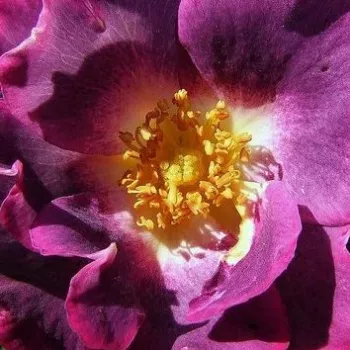
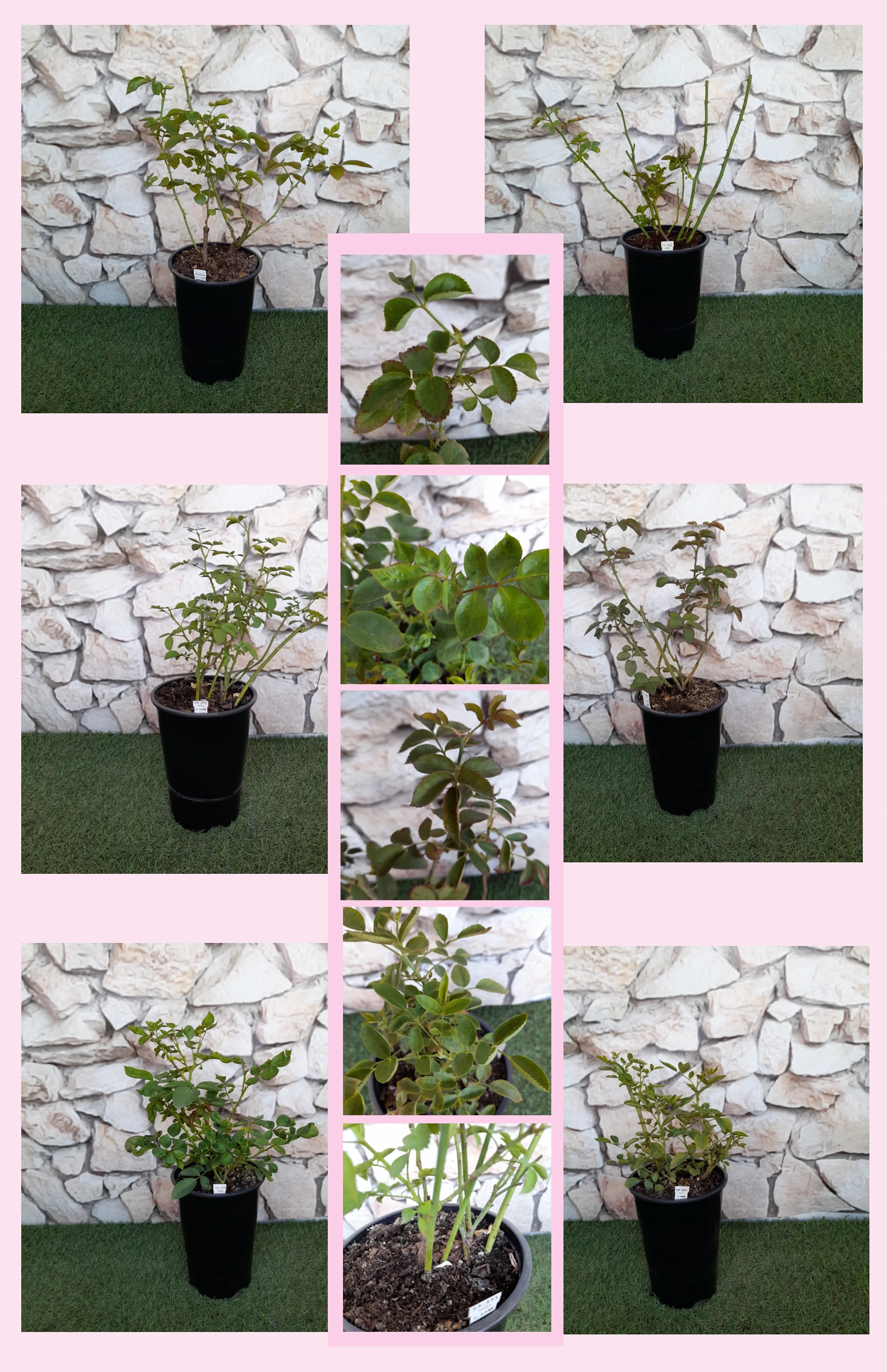
P. S. DE LUXEMBOURG™ – purple climbing rose – Orard
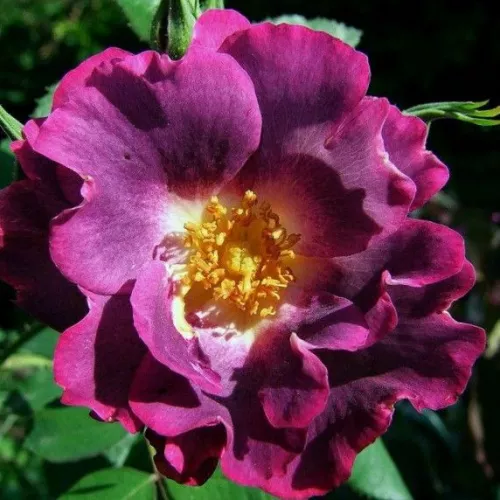
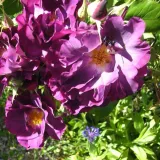
With its storybook violet blooms and romantic, arching growth, P. S. DE LUXEMBOURG™ brings instant character to pergolas, arches and house walls, perfect for afternoon tea beneath a rose-covered arbour. Large, semi-double flowers appear in abundant flushes through summer, creating an atmosphere of easy-going charm rather than demanding perfection. Bred for garden use, it copes reliably with British summers, even where breezy gardens need plants that stand firm in coastal conditions and exposed spots. This climber is particularly suited to family gardens where you want impact without constant fuss: moderate care, simple pruning and light deadheading will keep it flowering generously. As an own‑root plant, it is grown on its own vigour, so it ages gracefully, can regenerate from low shoots after harsh winters, and holds its ornamental value for many years. In smaller plots it also thrives in very large containers of 40–50 litres, giving vertical colour even where borders are limited, and settling more beautifully into the garden picture with each passing season.
Usage options
| Target area | Reasoning |
|---|
| Climbing rose for arches and arbours |
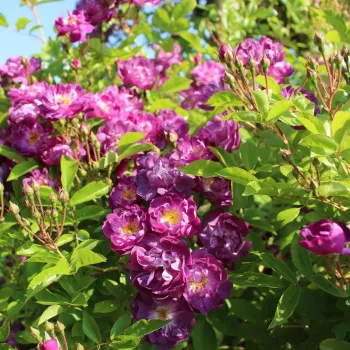
The tall, flexible canes reach around 3–4 m, making it ideal to drape over arches, arbours and pergolas where you want a dense curtain of foliage and blooms. Semi-double, clustered flowers create a plentiful second flush for long seasonal interest. Ideal for the romantic cottage-garden homeowner. |
| Against house walls and garden structures |
Its climbing habit and dense, dark green foliage lend structure and shade to south- or west-facing walls, fences and pergolas without becoming overly woody too quickly. Moderate maintenance means occasional tying-in, watering in dry spells and basic plant protection in high-pressure seasons. Suited to the busy but style-conscious gardener. |
| Feature rose in a cottage-style border |
The deep violet-purple blooms, fading to lavender with a silvery sheen, combine beautifully with pastel perennials and traditional cottage plants, providing a strong vertical accent. Clustered flowering tops mixed borders and kitchen-garden edges with a romantic, slightly wild look. Perfect for lovers of storybook cottage style planting. |
| Hedging and boundary screens |
Planted at hedge spacing, its 120–200 cm spread and dense leaf canopy create a soft, flowered screen that defines paths or separates garden “rooms”. Moderate prickliness helps discourage casual shortcutting without being overly aggressive in family spaces. Suitable for families wanting practical but pretty garden boundaries. |
| Statement rose in large containers |
In 40–50 litre tubs with good drainage, this climber gives vertical colour where soil is poor or paved areas dominate. Own-root growth anchors securely in the pot and, with regular watering, delivers repeat flowering on balconies, terraces or small urban gardens. Ideal for space-limited city and courtyard owners. |
| Part-shade pergola or north–east aspect |
This rose tolerates partial shade, so it can flower reliably on pergolas or walls that receive sun for only part of the day. The strong, spicy-sweet fragrance carries especially well in cooler, shadier spots, extending enjoyment into evenings and overcast days. Recommended for fragrance-focused cottage-garden enthusiasts. |
| Low-effort vertical colour with own-root security |
As an own-root climber, it does not rely on a graft union, so it regenerates well from the base if canes are damaged and maintains its character for the long term with simple pruning. This makes it a reassuring choice for gardeners wanting fewer problems and stable display. Best for beginners seeking dependable, forgiving garden roses. |
| Coastal and exposed family gardens |
In gardens open to wind and changeable weather, its sturdy climbing frame and dense foliage cope well, given a well-prepared planting hole and regular watering in dry spells, providing reliable vertical colour even near breezy, salt-tinged areas. Well suited to coastal-climate and windswept-plot gardeners. |
Styling ideas
- Cottage Archway – Train P. S. DE LUXEMBOURG™ over a wooden arch with Alchemilla mollis frothing at the base to echo the lavender-purple tones – for romantics building a classic English country-garden entrance.
- Kitchen-Garden Backdrop – Use it on a wire fence behind vegetable beds, pairing with Rudbeckia fulgida for golden contrast – for home growers who like their productive plots framed by ornamental roses.
- Evening Perfume Corner – Place a bench beneath a pergola clothed with this strongly fragrant climber and pale foxgloves – for those who unwind outdoors and value scented, low-effort structure.
- Elegant Screen – Create a loose flowering screen along a boundary, interplanting with airy ornamental grasses to soften the effect – for families wanting privacy without losing a relaxed, natural look.
- Container Focal Point – Grow it in a 50-litre pot by the patio, underplanted with silver-leaved Artemisia for contrast – for urban terrace owners seeking a single statement rose with long-season appeal.
Technical cultivar profile
| Parameter | Data |
|---|
| Name and registration |
P. S. de Luxembourg™ (ORAfantanov), a large-flowered climbing rose registered as a Climber/Shrub type; also exhibited under the American Rose Society name ‘Stormy Weather’. |
| Origin and breeding |
Bred by Pierre Orard in France (2006), from Heart ’n’ Soul × Rhapsody in Blue; introduced in 2010 by Roseraies Orard and SAS R.O.S.E. as a garden climbing rose. |
| Awards and recognition |
Highly decorated climber: multiple 2007 gold medals at Baden-Baden, Rome and Nagaoka; silver medals at Adelaide and Monza; Barcelona Best Landscape Rose; Mesa, Arizona Best Climbing Rose. |
| Growth and structural characteristics |
Vigorous climbing habit reaching about 260–380 cm high and 120–200 cm spread, with dense, matt, dark green foliage and moderate prickliness; self-cleaning is partial, so some deadheading benefits repeat. |
| Flower morphology |
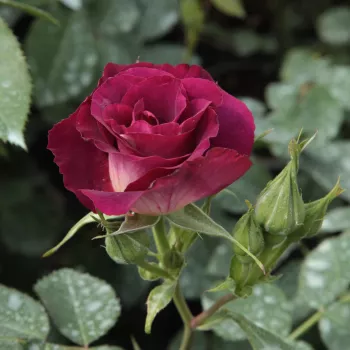
Semi-double, cupped blooms with 13–25 petals, usually borne in clusters; large flower size around 7–10 cm; remontant, with a generous second flush given light deadheading and reasonable feeding. |
| Colour data and phenology |
Deep violet-purple inner petals (RHS 79A) with paler undersides (RHS 76D); opens velvety purple, then lightens to lavender with silvery edges, with colour softening further in strong sunlight over time. |
| Fragrance and aroma |
Strong, long-lasting, spicy-sweet fragrance that is noticeable near seating areas; semi-double form offers only moderate pollinator value, so it is chosen mainly for colour, scent and climbing effect. |
| Hip characteristics |
Rosehip production is usually sparse; where present, small spherical orange-red hips, 8–12 mm in diameter, decorate the canes lightly towards season’s end without significantly impacting flowering. |
| Resistance and winter hardiness |
Rated H7, hardy approximately to −26 to −23 °C (USDA 5b, Sweden Zone 4); disease resistance moderate to common fungal issues, with good heat tolerance but only moderate drought tolerance, requiring watering. |
| Horticultural recommendations |
Best trained on supports with 140–240 cm spacing depending on use; prefers well-drained but moisture-retentive soil, benefits from mulching and occasional plant protection, tolerates partial shade conditions. |
P. S. de Luxembourg™ offers romantic violet flowers, strong fragrance and reliable own-root regrowth in a versatile climbing form, making it a thoughtful choice for long-lived, easy-care vertical colour in family gardens.