PRINCESS KISHI – raspberry-red nostalgic rose – Kunieda
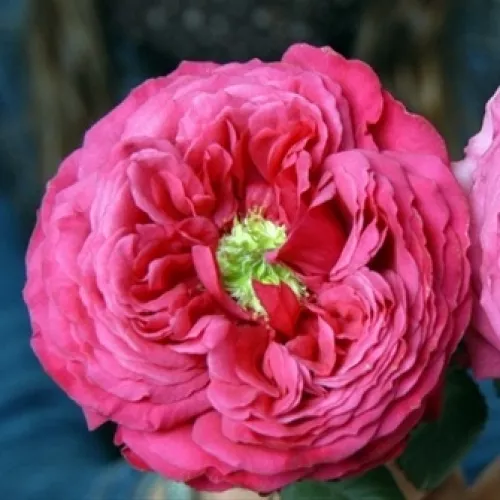
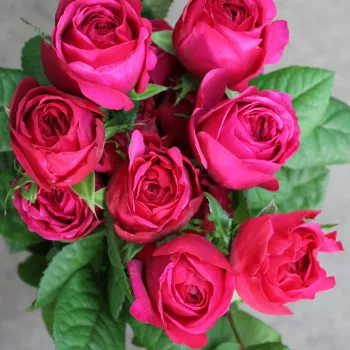
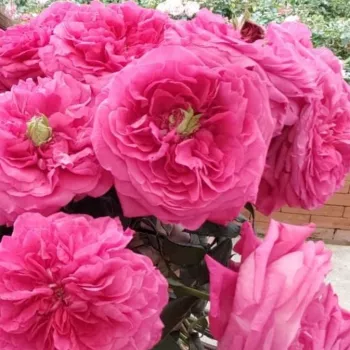
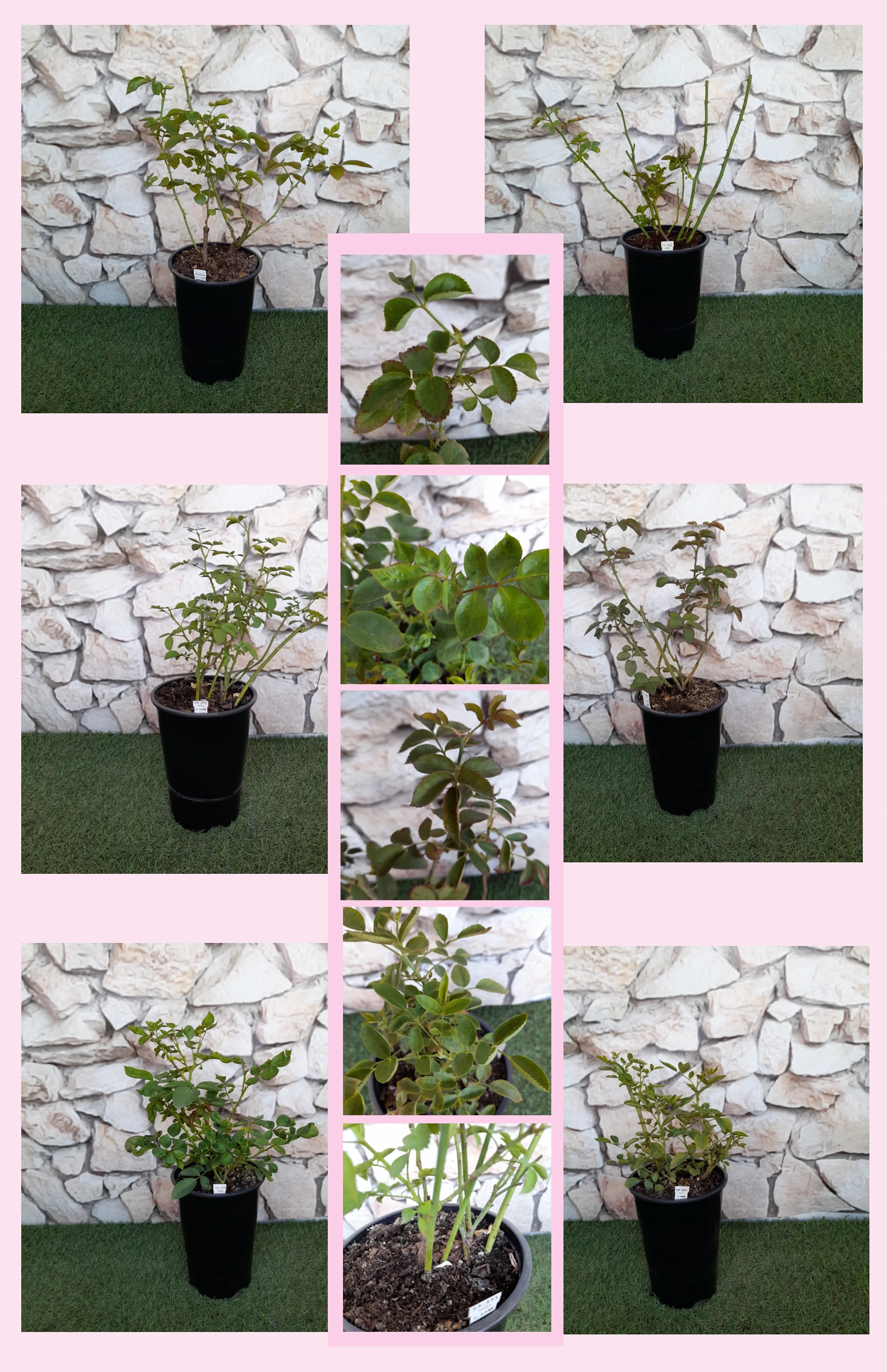
Let Princess Kishi transform your everyday garden into a romantic, storybook corner, with deeply nostalgic, raspberry-red rosette blooms that bring effortless elegance to cottage-style borders and family lawns. This compact, bushy shrub rose fits beautifully into smaller British gardens, coping reliably even where strong breezes and frequent showers test less robust plants in coastal and exposed spots. As an own-root plant it offers reassuring longevity, quietly rebuilding from the base if stems are damaged and keeping its ornamental value steady over many years with only modest care. Its rounded, shoulder-height habit creates natural privacy around seating areas or kitchen gardens, while the very double flowers hold their rich colour well, giving a painterly palette that flatters soft pastels and deep greens alike. Supplied in a practical 2‑litre pot, it settles quickly into the soil, so you see confident new growth and reliable repeat flowering without complicated routines.
Usage options
| Target area |
Reasoning |
| Cottage-style mixed border in a family garden |
The compact, bushy habit and medium height make this rose ideal for a classic cottage border, weaving between perennials and herbs without overwhelming the space; the rich raspberry-red blooms bring a romantic, nostalgic focal point with repeat flushes through summer, even where time for detailed maintenance is limited, making it particularly suitable for the busy homeowner. |
| Low, flowering screen along a seating area |
With a height and spread around 85–115 cm, the shrub naturally forms a soft, shoulder-height screen, giving visual enclosure without blocking light; planted at the recommended distances it knits into a gently billowing hedge that frames garden benches, play areas or a small terrace, supporting that cosy afternoon-tea atmosphere for the style-conscious family. |
| Feature rose beside an arbour or pergola entrance |
Although not a climber, its rounded, upright framework is perfect for marking an entrance to an arbour or archway, where the large, very double rosette flowers read clearly at eye level; the elegant, nostalgia-style blooms echo traditional English garden images, offering a simple way to create a romantic threshold for the cottage-garden enthusiast. |
| Colour anchor in raspberry-pink and red planting schemes |
The variety’s deeply saturated raspberry-red to raspberry-pink flowers, with subtle violet tones, hold their colour notably well as they age, providing a dependable anchor shade among softer pinks and creams; this stability in colour makes border planning easier and reduces the need for frequent plant replacements, suiting the practically minded planner. |
| Own-root rose for long-lived planting schemes |
Supplied on its own roots, this rose builds a robust underground framework that reshoots from the base if winter, pests or accidental pruning damage the top growth, supporting a long planting life with fewer worries about graft failure; over the years this underpins a stable, mature effect that rewards the forward-looking gardener. |
| Mass planting or low hedge in front of evergreen structure |
Recommended planting distances and densities allow straightforward design of a low, repeating hedge in front of evergreen shrubs or hedging; the rounded shape and medium-density foliage combine with the large, double blooms to give rhythm and softness, while moderate maintenance needs remain manageable for the time-pressed beginner. |
| Large container or half-barrel on terrace or patio |
Its bushy, self-supporting framework and moderate size make it well suited to a generous container of at least 40–50 litres, where roots have enough depth to keep growth balanced and flowering reliable; this allows you to enjoy a romantic rose close to the house on a terrace or balcony without committing to major border work, an attractive option for the urban dweller. |
| Weather-tolerant accent in exposed or coastal gardens |
The rounded, relatively low structure gives good anchoring and makes it less likely to rock or topple in wind, so it copes better with exposed, breezy or showery positions where rain and wind quickly test taller roses; combined with moderate disease resistance, this supports dependable flowering with simple seasonal care for the coastal-climate owner. |
Styling ideas
- Cottage-hedge charm – Plant a loose line in front of clipped hollies or small-leaved laurels, letting the raspberry-red rosettes spill forward to soften formal edging – ideal for lovers of traditional front gardens.
- Raspberry tea corner – Flank a small bistro set with two large containers of PRINCESS KISHI and underplant with lavender and thyme for scent and texture – perfect for homeowners who cherish afternoon tea outdoors.
- Kitchen-garden romance – Tuck shrubs between raised vegetable beds and berry bushes, echoing classic farmhouse plots where flowers and produce mingle – suited to families who enjoy a productive yet pretty garden.
- Storybook archway – Use PRINCESS KISHI at the base of a simple timber arch, pairing it with light climbers like clematis so the shrub’s rosettes frame the entrance – appealing to those creating a fairytale garden path.
- Pastel tapestry border – Combine its rich blooms with soft pink foxgloves, white penstemons and airy grasses for a layered, romantic look – a good choice for beginners wanting impact with a restrained palette.
Technical cultivar profile
| Characteristic |
Data |
| Name and registration |
Collection: Romantic rose; commercial type nostalgia shrub rose; current trade name PRINCESS KISHI Romantic rose Kunieda, meaning “long and happy life”, linked to the Japanese name Kishi. |
| Origin and breeding |
Bred by Kunieda Keiji in Japan for Rose Farm Keiji / WABARA (Rose Universe Co Ltd); introduced to the market in 2022 as a premium, florist-style garden shrub rose. |
| Growth and structural characteristics |
Bushy, rounded shrub to about 85–115 cm in both height and spread, with moderately thorny stems and mid-green, slightly glossy foliage of medium density, well suited to borders and informal hedging. |
| Flower morphology |
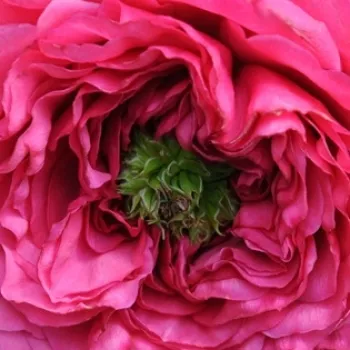
Very double, rosette-shaped blooms with 40 or more petals, produced singly on stems; extra-large flower size around and above 3.5 inches, remontant with abundant second flush in suitable conditions. |
| Colour data and phenology |
Deep raspberry-red base colour with subtle violet undertone; outer petals RHS 60A, inner 60B, fading gently towards raspberry-pink with delicate violet sheens while maintaining very good overall colour retention. |
| Fragrance and aroma |
The cultivar is effectively scentless, with no noticeable fragrance recorded in trials; it is grown primarily for its nostalgic flower form, colour richness and visual impact rather than perfume. |
| Hip characteristics |
Hip set is generally low due to the high petal count, though occasional small spherical orange-red hips 8–12 mm across may appear late in the season on some plants in sunny positions. |
| Resistance and winter hardiness |
Hardy to approximately −26 to −23 °C (RHS H7, Swedish zone 4, USDA 5b); disease resistance is moderate, with average tolerance to black spot, powdery mildew and rust under normal garden conditions. |
| Horticultural recommendations |
Medium maintenance; may occasionally require plant protection; space at 55–100 cm depending on use, giving about 2.4–2.7 plants per m² for mass planting, and support with regular watering and mulching in dry spells. |
PRINCESS KISHI offers rich raspberry-red nostalgic blooms, a compact, versatile shrub habit and reassuring own-root resilience for long-term planting pleasure; a thoughtful choice if you value beauty that quietly endures.