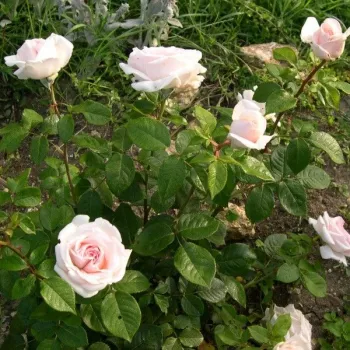
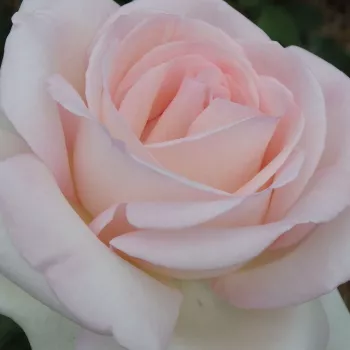
PRINCE JARDINIER® – pale pink hybrid tea rose – Meilland
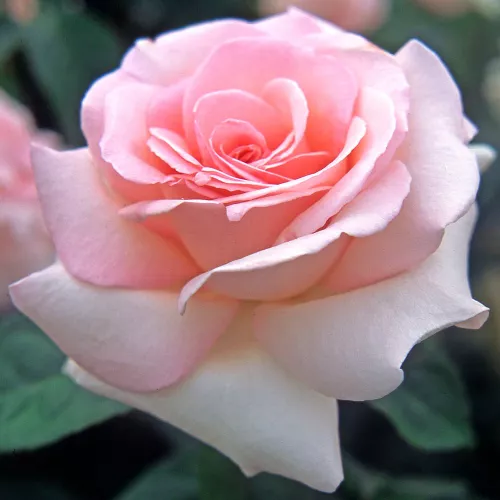
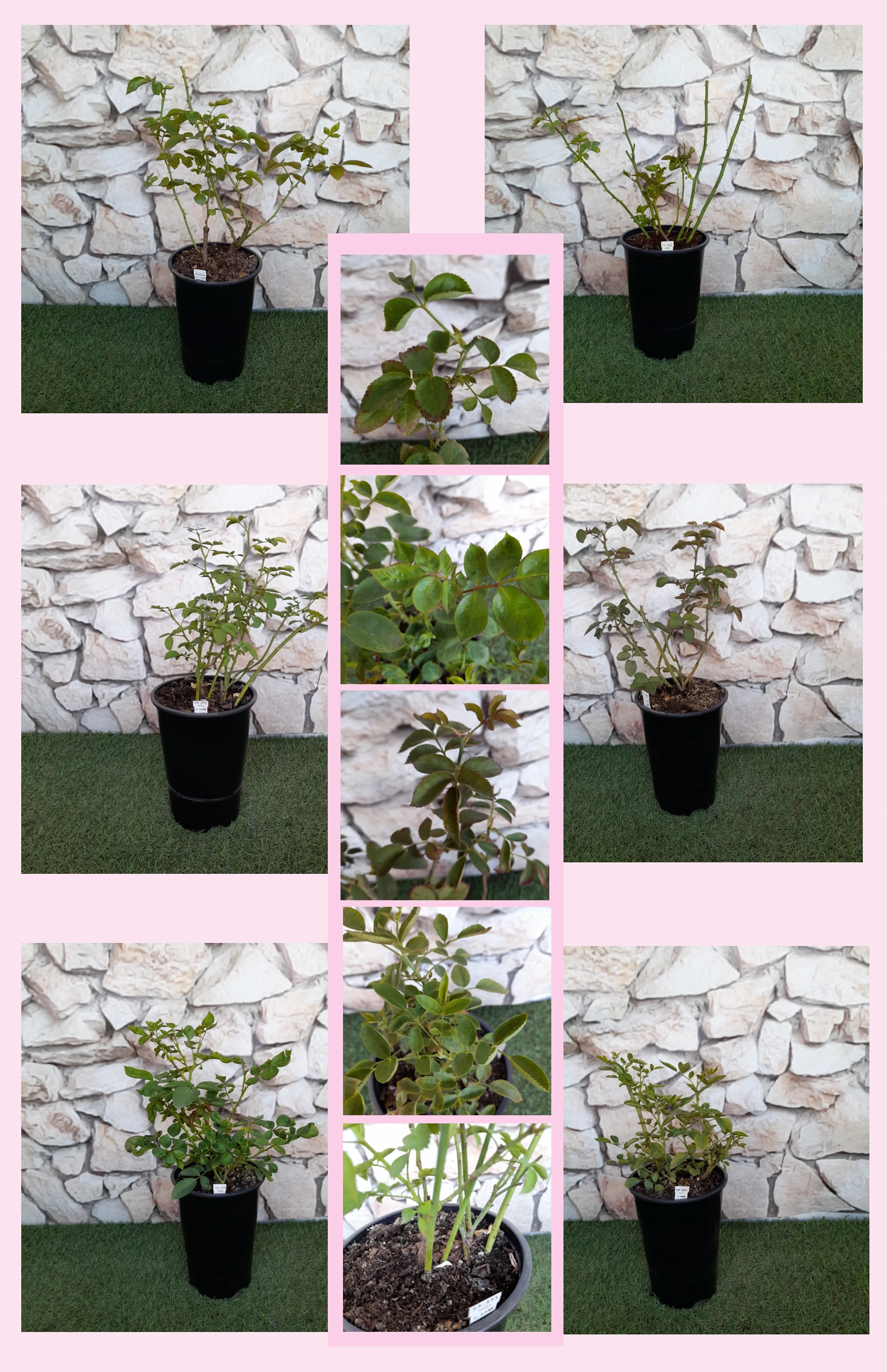
Set the tone for afternoon tea under an arbour with the softly cupped, milky-pink blooms of Prince Jardinier®, a hybrid tea rose that blends romantic fragrance and strong character with a reassuringly straightforward care routine. In a typical British family garden it settles quickly, even where soil is heavier, especially if you give it a spot with improved drainage that copes gracefully with brisk coastal breezes and unsettled weather. As an own-root, 2-litre plant, it is grown on its own roots, so it recovers well from pruning, keeps its shape over the years and retains its ornamental value without graft worries. Expect it to knit into the border in its first season, build taller flowering stems the next, and by the third year offer the full, storybook display that makes it ideal beside a path, kitchen-garden fence or cottage-style seating.
Usage options
| Target area |
Reasoning |
| Feature by a seating area or arbour |
The XL, high-centred blooms and very strong scent create a classic tea-rose focal point at nose height, perfect beside a bench or simple pergola where you pause with a cup of tea; ideal for those who want gentle romance around a favourite garden seat for the family. |
| Cutting patch in a kitchen or cottage garden |
Long, upright stems and solitary, exhibition-style flowers make this variety particularly suitable for cutting, giving you armfuls of pale pink roses for jugs and vases indoors without needing specialist florist knowledge; well suited to home arrangers and weekend gardeners who enjoy bringing garden flowers inside for cosiness. |
| Single specimen in a mixed cottage border |
Planted at 75 cm spacing, one plant can stand as a vertical accent amongst perennials and herbs, its dense dark foliage providing structure while the pastel blooms weave easily into traditional cottage colour schemes; ideal if you want one reliable “story” rose as a focal point for a relaxed border. |
| Romantic low hedge or repeated border rhythm |
At 60–85 cm spread and 110–150 cm high, repeated plants at 40–50 cm intervals will form a gently undulating row that flowers from early summer with a strong second flush, helping to frame lawns, paths or vegetable plots; a good option for those planning simple, repeatable layouts along a path. |
| Long-lived anchor plant in a family garden |
The own-root form means that if winter damage or hard pruning ever cut it back, regrowth comes true from the base rather than from a rootstock, preserving colour and shape for years and reducing the need to replace plants; reassuring for busy householders who want dependable structure and longevity. |
| Roses in heavy or challenging garden soils |
This rose responds well to careful planting into improved soil or raised sections, rewarding the effort with season-spanning flowering once established, even where clay and wind might challenge fussier varieties; helpful for home gardeners who want reliable performance despite less-than-ideal conditions. |
| Planted near paths, doors and frequently used routes |
The combination of recurrent blooms and very strong, long-lasting scent makes it an excellent choice where you pass daily, so each stroll to the shed, compost heap or side gate is accompanied by wafts of perfume; a thoughtful fit for those who value fragrance as part of their everyday garden routine. |
| Large patio container or courtyard feature |
In a 40–50 litre or larger pot with good drainage, its upright habit and glossy foliage create a refined vertical accent that softens paving and brickwork while remaining manageable to prune and feed; recommended for urban or smaller gardens where people need big impact from limited space. |
Styling ideas
- Tea-room corner – Pair Prince Jardinier® with lavender cotton and a simple bistro set to evoke a country tearoom feel – for homeowners wanting a light, feminine nook for afternoon breaks.
- Cottage cutting row – Line a kitchen-garden path with repeated plants and interplant montbretia for contrast, giving generous, scented stems for the house – for hobby gardeners who enjoy casual home floristry.
- Romantic entrance – Flank a front path with these roses underplanted with soft herbs, so guests are greeted by fragrance and pastel blooms – for families seeking a welcoming, traditional first impression.
- Storybook border – Combine with red knotweed, foxgloves and old-fashioned perennials to build a layered, tale-book scene behind a low picket fence – for lovers of English countryside cottage style.
- Cosy courtyard – Grow one plant in a generous terracotta pot beside a bench, with trailing thyme at the base, to soften stone or brick – for busy urban gardeners wanting romance in a compact space.
Technical cultivar profile
| Parameter |
Data |
| Name and registration |
Hybrid tea rose, registered as MEItroni, marketed as Prince Jardinier® PERFUMELLA® MEItroni; also known in exhibitions as Francis Meilland within the hybrid tea rose commercial group. |
| Origin and breeding |
Bred by Alain Antoine Meilland, Meilland International SA, France, from (‘Wimi’ × ‘Rouge Meilland’) × ‘Margaret Merril’; bred 1996, registered 2007, introduced commercially after 2007. |
| Awards and recognition |
Winner of multiple 2006 fragrance and aesthetic awards in Buenos Aires, Le Roeulx and Baden-Baden, including breeder and casino prizes; ADR certified in 2008 and Gold Standard gold certification in 2009. |
| Growth and structural characteristics |
Upright bush 110–150 cm tall with 60–85 cm spread; dense, dark green glossy foliage and moderate prickliness; maintains a well-branched outline suitable for borders, hedging or specimen planting. |
| Flower morphology |
Very double, high-centred, pointed-budded hybrid tea blooms on mainly solitary stems; XL flower size with over 40 petals; remontant with a noticeably abundant second flush in suitable conditions. |
| Colour data and phenology |
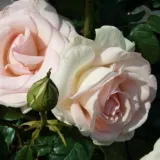
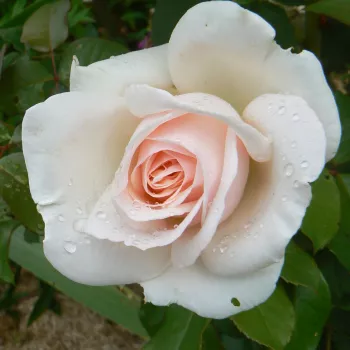
Pale, milky-translucent pink with creamy undertones; buds pastel pink, deepening centrally as they open; blooms fade to almost whitish-pink; colour retention medium, suiting soft, romantic planting schemes. |
| Fragrance and aroma |
Very strong, long-lasting perfume typical of perfumed hybrid teas; intensity is sufficient for cutting and for planting near paths or seating, even where some air movement would dilute lighter scents. |
| Hip characteristics |
Forms moderately abundant, spherical orange-red hips about 8–12 mm across, adding autumn visual interest and subtle wildlife value once spent flowers are left to develop later in the season. |
| Resistance and winter hardiness |
Hardy to approximately −21 to −18 °C (RHS H7, Swedish zone 3, USDA 6b) with moderate resistance to black spot, powdery mildew and rust when given standard rose care and hygiene. |
| Horticultural recommendations |
Prefers full sun, fertile, well-drained soil; space 40–75 cm depending on use; deadhead and prune annually, with regular feeding and watering, to maintain flower quality and overall plant vigour. |
Prince Jardinier® combines very strong fragrance, elegant cutting blooms and the regenerative security of an own-root plant, making it a thoughtful long-term choice for gardeners who appreciate gentle, romantic structure; consider it where you want enduring charm.