PRINCE IGOR™ – orange-red and yellow bedding floribunda rose - Meilland
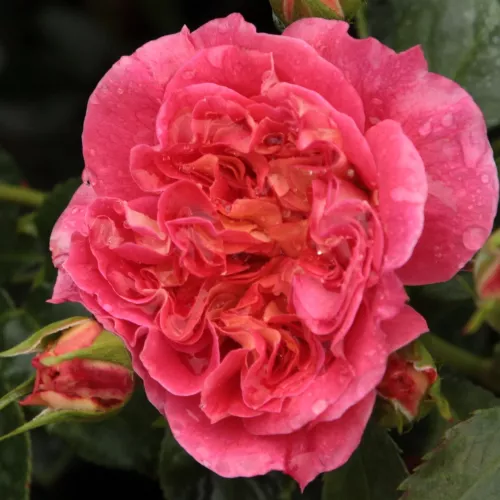
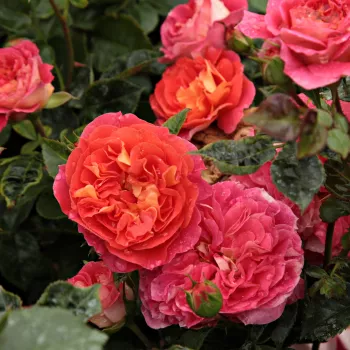
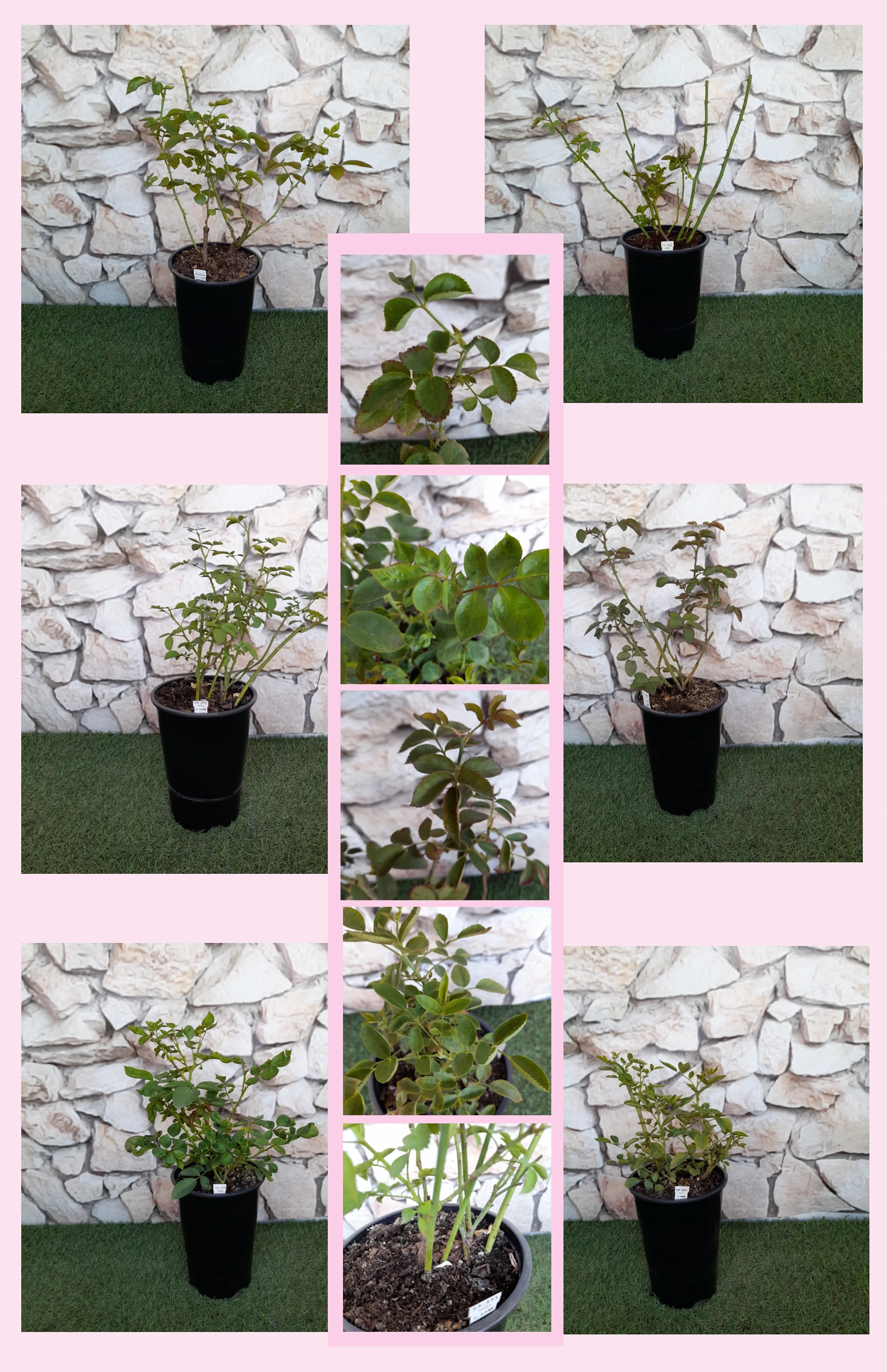
This compact floribunda brings a touch of theatre to everyday gardens, filling beds and borders with clusters of vermilion, orange‑red and yellow blooms that feel made for slow afternoons and cosy cups of tea outdoors. Its bushy habit and dense dark foliage create an instant structure, while the semi‑double flowers keep colour and fragrance returning repeatedly through the season. Bred for resistance to common rose diseases, it stays handsome even in damp, fungus‑prone summers and in breezier sites where salt‑laden winds and driving rain can challenge less robust varieties. As an own‑root plant it offers long‑term stability, quietly rebuilding from the base after hard winters and rewarding patient gardeners as roots, then shoots, then full display develop over the first seasons. Easy to site in a small family plot or front garden, it quickly becomes a reliable focus for a romantic, storybook cottage feel.
Usage options
| Target area | Reasoning |
|---|
| Front-of-border cottage bedding |
Its bushy, compact habit and 50–70 cm height make it ideal for the front of mixed borders, edging paths and framing lawn corners without overwhelming nearby plants. Clustered flowers give generous coverage from a modest footprint, perfect for small family plots and relaxed cottage layouts, suiting the tastes of the romantic gardener. |
| Colour‑rich mass planting in beds |
When planted at the recommended density, the fiery orange‑red and yellow tones form a bold, unified carpet of colour that reads beautifully from the house or patio. Strongly repeat flowering means gaps close quickly after each flush, supporting continuous impact in simple, easy‑to‑manage schemes for the busy homeowner. |
| Low informal hedge or path edging |
The even height and dense foliage allow you to create a soft, low hedge along drives, paths or vegetable‑garden edges. It marks out spaces neatly without looking rigid, and the regular flowering adds seasonal charm that pairs well with clipped box, appealing to the traditional stylist. |
| Containers and large tubs near seating |
Its compact frame adapts well to large containers of 40–50 litres or more, where roots have room to establish and support repeat bloom. Placed beside a bench or terrace, the medium, soft fragrance can be enjoyed at close quarters with little maintenance, a practical choice for the urban balcony‑owner. |
| Family gardens with limited maintenance time |
Low general maintenance needs and good disease resistance reduce spraying and complex pruning. Own‑root vigour means it can be pruned more flexibly, simply cutting back to shape each year without fear of losing the cultivar, which reassures the time‑pressed parent. |
| Long‑term planting for stable structure |
As an own‑root rose it ages gracefully, renewing from below rather than relying on a graft, so the plant remains true to type even after harsh winters or accidental damage. This underpins a stable, long‑lived framework in permanent beds, suiting the long‑range planner. |
| Coastal or exposed suburban plots |
Robust foliage, compact growth and sound anchoring help it cope with brisk winds and driving rain common in open or coastal gardens, maintaining both health and shape where more delicate roses struggle, which is especially valuable to the seaside gardener. |
| Simple pruning and renewal schemes |
Its strongly remontant nature responds well to straightforward annual pruning, with new flowering shoots produced readily from the framework. Over the first years the plant builds roots, then top growth, then full ornamental presence, making care intuitive for the beginner rose‑lover. |
Styling ideas
- Kitchen‑garden edging – Line vegetable beds with a low row of this compact floribunda, echoing traditional potagers while adding repeated colour and scent – ideal for cottage‑style kitchen‑garden enthusiasts.
- Teatime corner – Place 40–50 litre containers by a small table and chairs, underplanted with low catmint, to enjoy fragrance and colour up close – perfect for those creating an intimate afternoon‑tea nook.
- Storybook front border – Combine with dwarf box and soft perennials for a structured yet romantic frontage that looks good from the pavement and the window – suited to homeowners seeking classic kerb appeal.
- Sunset colour drift – Mass plant along a lawn edge so the orange‑red and yellow flowers read as a glowing ribbon at dusk – attractive to gardeners wanting bold impact with minimal complexity.
- Family‑friendly play frame – Use short, staggered rows to loosely frame a lawn or play space, keeping colour at the edges while leaving the centre open – good for families balancing beauty with practicality.
Technical cultivar profile
| Parameter | Data |
|---|
| Name and registration |
Floribunda bedding rose, registered as MEIhigor, marketed as Prince Igor™ Bedding rose MEIhigor; also known in exhibitions as Frenzy within the floribunda category. |
| Origin and breeding |
Bred by Marie‑Louise Meilland (Meilland International, France) from (Sarabande × Dany Robin) × Zambra; introduced in France in 1970 through URS‑Meilland and later by Roy H. Rumsey in Australia. |
| Growth and structural characteristics |
Compact, bushy shrub reaching around 50–70 cm in height and spread, with dense, matt, dark green foliage and moderate prickliness, forming neat mounds suitable for bedding and low hedging. |
| Flower morphology |
Semi‑double, medium‑sized cup‑shaped blooms with approximately 13–25 petals, freely produced in clusters; strongly remontant with abundant second and subsequent flushes in suitable conditions. |
| Colour data and phenology |
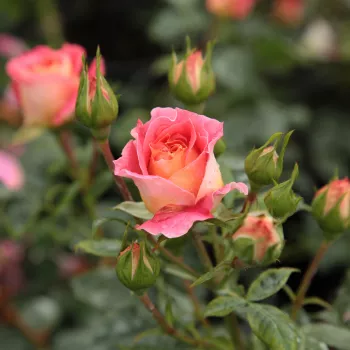
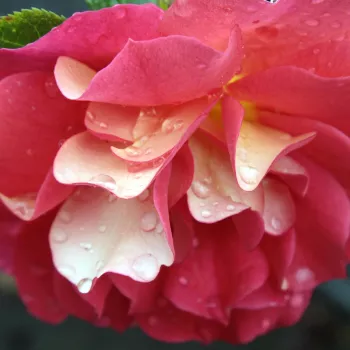
Vivid orange‑red flowers with warm yellow reverses and faint purplish edges, opening fiery red‑orange then softening to coral red with brick‑red mottling as blooms age and colour gently fades. |
| Fragrance and aroma |
Pleasant, soft fragrance of medium strength, noticeable at close range around seating or pathways; semi‑double form leaves some stamens visible, which may occasionally interest visiting pollinators. |
| Hip characteristics |
Rose hips are generally sparse due to the flower form; where produced, they are typically rounded, about 9–13 mm in diameter, with little ornamental significance in most garden situations. |
| Resistance and winter hardiness |
Classed as resistant to black spot, powdery mildew and rust; reliably hardy to approximately −21 to −18 °C (RHS H7, roughly USDA zone 6b), suitable for most UK winter conditions. |
| Horticultural recommendations |
Best in well‑drained soil with regular feeding; ideal for beds, low hedges and urban plantings at 50–100 cm spacing depending on effect; low maintenance, generally needing only simple annual pruning. |
PRINCE IGOR™ offers compact structure, repeat colour and dependable disease resistance in a long‑lived own‑root form that settles in for years of reliable display, making it a thoughtful choice for your next family‑garden planting.