POUSTINIA™ – cream-white bedding floribunda rose - Orye
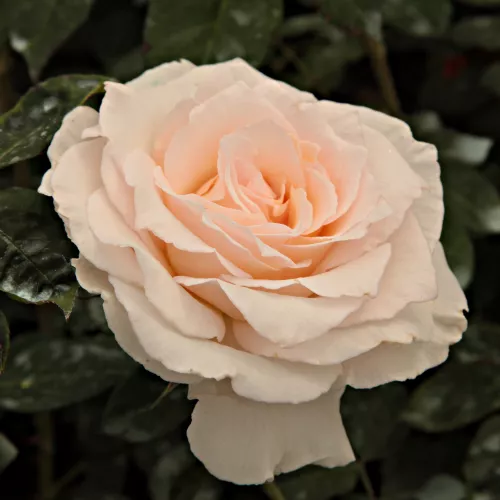
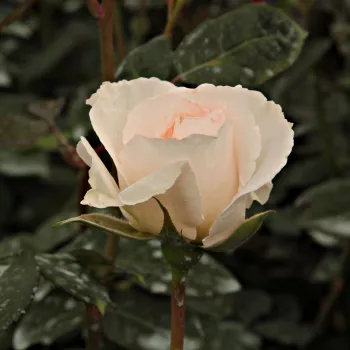
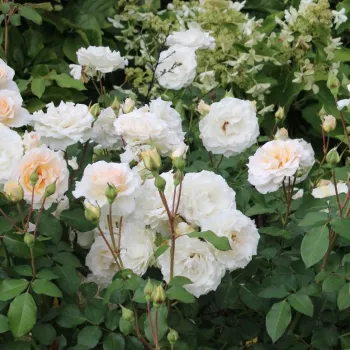
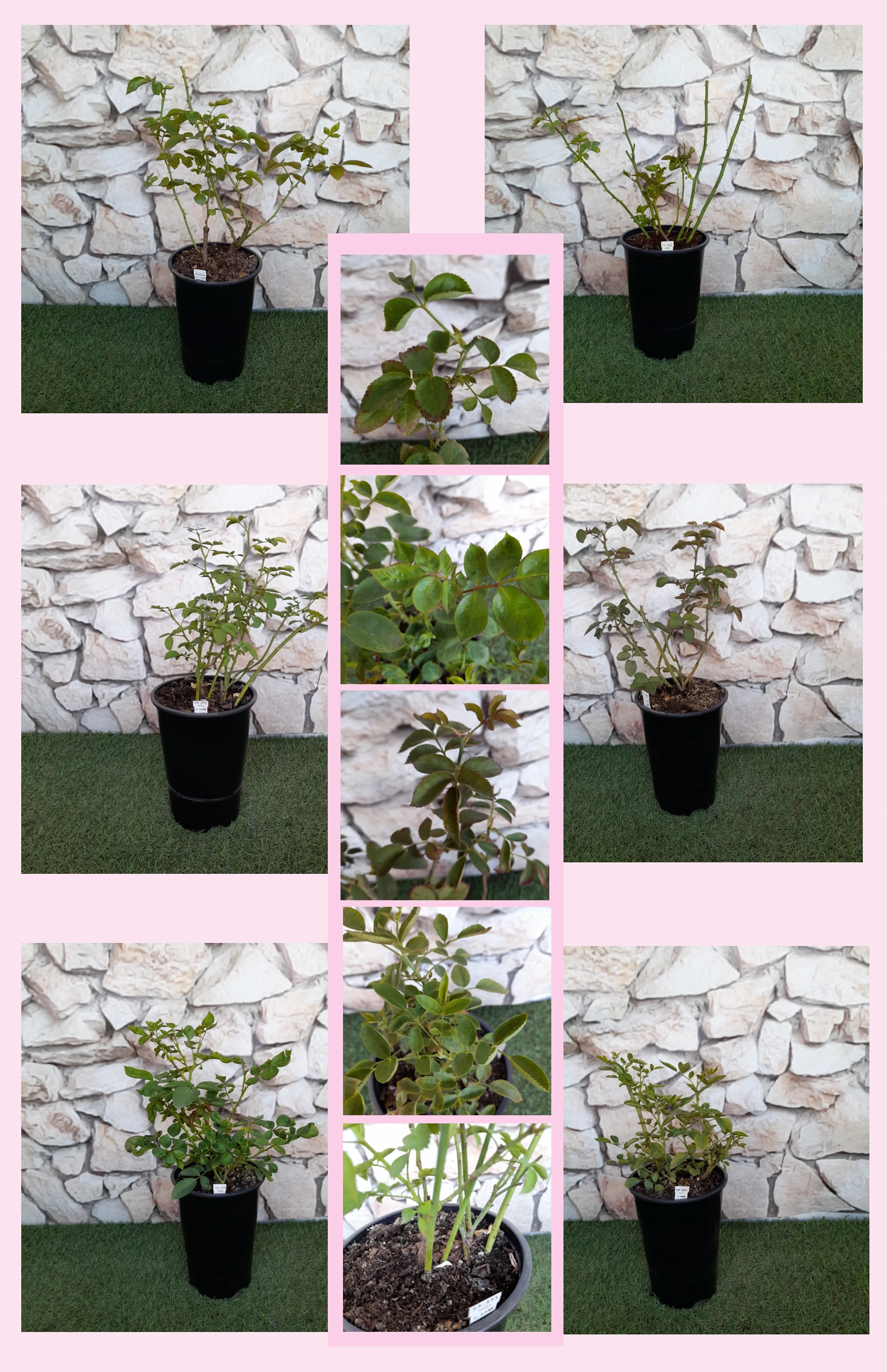
Imagine afternoon tea under an arbour, framed by cream blooms that open from soft peach buds into generous clusters, their rich scent drifting on a light breeze while the shrub’s compact habit keeps beds and borders neat. POUSTINIA™ is an easy-going floribunda that copes reliably with blustery, damp conditions near the coast and other gardens where wind and frequent rain are part of everyday life, so you spend more time enjoying than maintaining. Bred for health and proven in European trials, it offers low-input gardening with strong disease resistance and good winter hardiness. As an own-root plant, it builds longevity and regrowth from the base, supporting a natural progression of roots, then shoots, then full cottage-garden impact over its first seasons. The billowing cluster flowering, strong fragrance and versatile border use make it a dependable choice for busy households who still want a romantic, storybook corner in an ordinary family garden.
Usage options
| Target area |
Reasoning |
| Mixed cottage-style flowerbed in a family garden |
The compact, bushy structure and repeat cluster flowering bring reliable colour through the main season without overwhelming the space, fitting neatly among perennials and herbs for an informal, cottage look with minimal upkeep – ideal for the time-poor homeowner. |
| Low-maintenance rose hedge along a path or boundary |
Regular spacing at 35–40 cm creates a softly billowing, flowering ribbon that stays narrow and orderly, giving structure, scent and privacy while needing only simple annual pruning and basic feeding – well suited to the busy urbanite. |
| Feature rose near a seating area or terrace |
The strong, fruity fragrance and medium-large, creamy blooms are most appreciated up close, so a single shrub or small group near a bench or patio turns everyday tea breaks into a gentle ritual of scent and colour – perfect for the romantic gardener. |
| Container planting on patios, courtyards or balconies |
Its compact, well-branched habit allows successful culture in a substantial container of at least 40–50 litres, where own-root vigour supports long-term performance and easy reshaping if winter dieback occurs – reassuring for the space-limited flat-dweller. |
| Small family front garden with traditional character |
Cream-white flowers with a soft peach glow blend effortlessly with brickwork, gravel and clipped evergreens, lending a quietly traditional charm that stays tidy, durable and welcoming without complex shaping or spraying – attractive to the tradition-loving family. |
| Mass planting for unified colour in beds or verges |
When planted at the recommended density, the uniform height, even habit and consistent colouring create a calm, harmonious block of bloom that looks well-kept with only basic care, even where wind and frequent rain are part of everyday life – useful for the practical planner. |
| Kitchen garden edges and productive plots |
The dense foliage and upright, rounded shape mark paths and bed edges neatly without shading crops excessively, while fragrant cut stems can be taken indoors without noticeably spoiling the display – appealing for the food-growing enthusiast. |
| Long-term planting for durable structure and value |
As an own-root shrub, it regenerates from its base rather than from a graft, supporting a long lifespan, stable appearance and easier recovery after hard pruning or severe winters, reducing replacement costs over time – reassuring for the budget-conscious beginner. |
Styling ideas
- Tea-terrace border – Line a sunny patio edge with POUSTINIA™, weaving in lavender and soft grasses for scent and movement – for homeowners who want a classic English tea-time feel with minimal care.
- Creamy-cottage row – Plant a row along a picket fence with catmint and lady’s mantle for billowing, pastel froth – for lovers of romantic cottage gardens around an average-sized family home.
- Kitchen-garden accent – Place single shrubs at the ends of vegetable beds, backed by rosemary and thyme – for practical gardeners who like flowers and food to share the same space.
- Court-yard container – Grow one or three plants in 40–50 litre terra cotta pots with trailing lobelia and creeping baby’s breath – for flat-dwellers and urban gardeners seeking a soft, traditional touch.
- Storybook walkway – Flank a narrow path with staggered groups, underplanted with low gypsophila and seasonal annuals – for families wanting a fairytale-style route from gate to front door.
Technical cultivar profile
| Parameter |
Data |
| Name and registration |
Floribunda bed rose; registered as ORYbie, marketed as POUSTINIA™ Bedding rose ORYbie; ARS exhibition name Poustinia, classified as shrub rose in shows. |
| Origin and breeding |
Bred by Jozef Orye in Belgium in 1994 from Sweet Love × Pascali; registered 1995 and introduced after 1995, first distributed by Lens Roses in Belgium. |
| Awards and recognition |
Decorated at major European rose trials: Bagatelle Paris silver medal 1994, Lyon first prize 1994, Kortrijk gold 1998, Le Roeulx gold 1998, Monza bronze 2000, Hradec Králové certificate 2001. |
| Growth and structural characteristics |
Bushy, compact shrub 80–100 cm high and 50–70 cm wide, with dense mid-green slightly glossy foliage and only slight prickliness; suited to beds, hedging and containers. |
| Flower morphology |
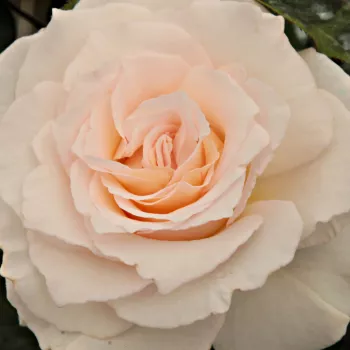
Medium to large double flowers with 26–39 petals, cup-shaped and borne in clusters; remontant with a generous second flush, giving good repeat throughout the main season. |
| Colour data and phenology |
Cream to off-white outer petals with soft peach centre tones, ARS ab; fades gently to creamy white with a faint peach mid-tone remaining, offering good colour retention in garden conditions. |
| Fragrance and aroma |
Strong, rich fruity scent that is clearly noticeable at close range and around seating areas; primarily ornamental rather than pollinator-focused due to very full, stamen-concealing blooms. |
| Hip characteristics |
Rose hip formation generally low because of the double flowers; where present, hips are small, spherical, red, around 8–12 mm in diameter and of mostly decorative rather than practical value. |
| Resistance and winter hardiness |
Excellent resistance to black spot, powdery mildew and rust; tolerates heat and moderate drought, hardy approximately to −21 to −18 °C (RHS H7, USDA 6b, Swedish Zone 3) with good garden reliability. |
| Horticultural recommendations |
Ideal for beds, low hedges, specimens, cut flowers and large containers; plant 35–65 cm apart depending on use; prefers well-drained soil and benefits from basic feeding and light annual pruning. |
POUSTINIA™ offers compact, floriferous clusters, strong fruity fragrance and outstanding health in a durable own-root form that suits long-lived, easy-care borders; you may find it a quietly reliable choice for your garden.