PORTOROŹ – orange bedding floribunda rose – Proll
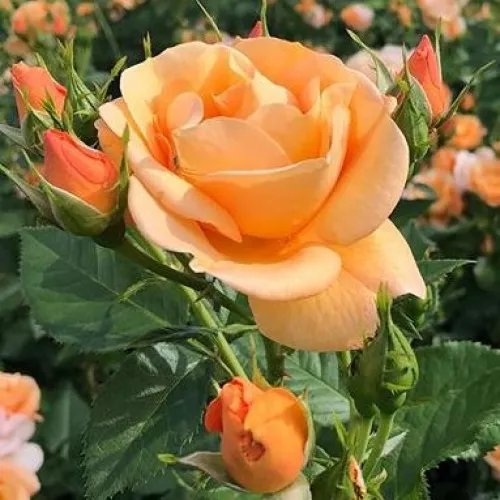
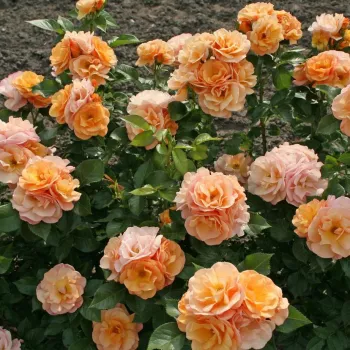
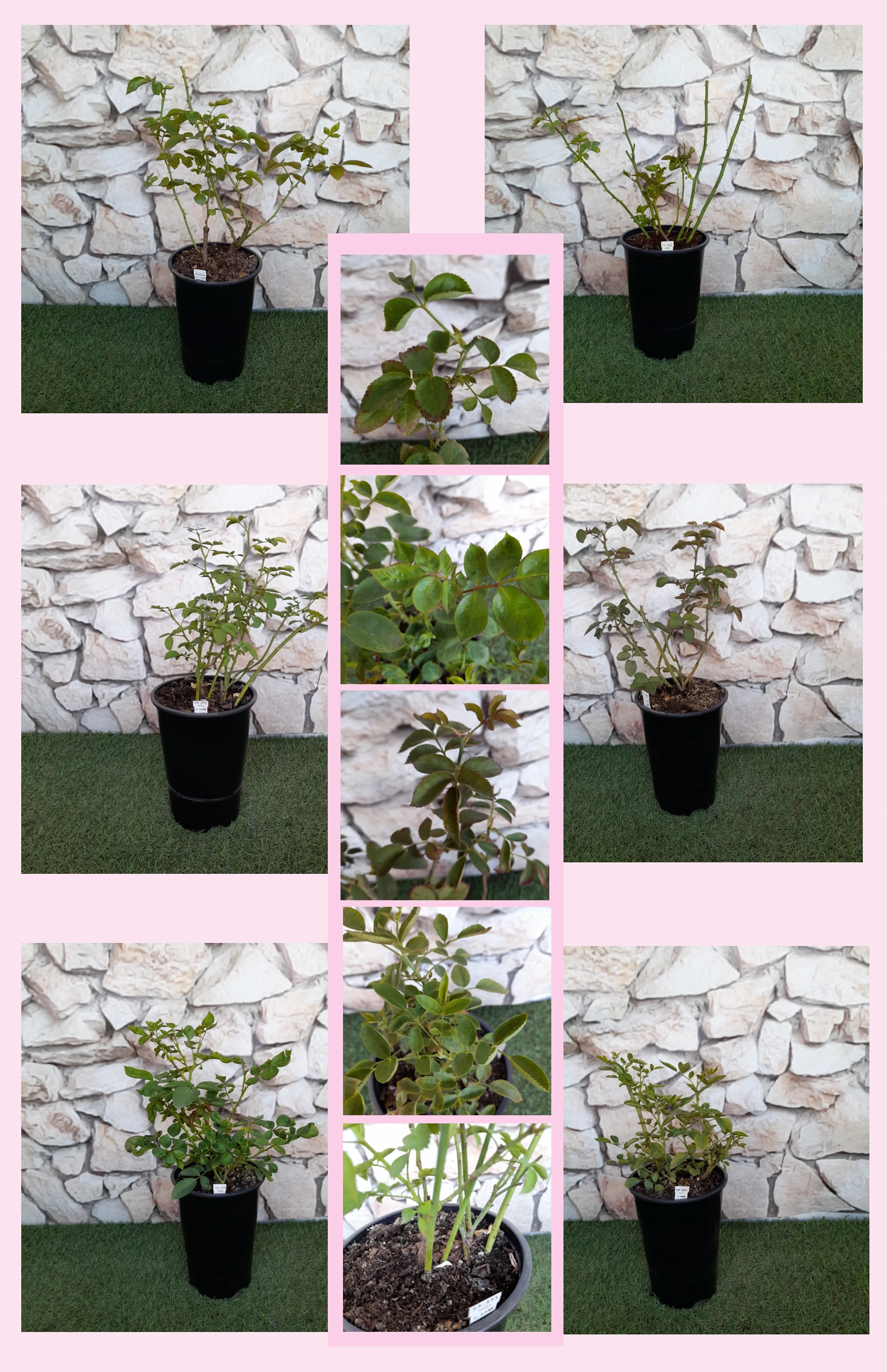
With its softly glowing orange-peach flowers and upright, compact habit, PORTOROŹ brings a touch of coastal charm to family gardens, even where breezy, wetter weather demands reliable planting in raised beds for better drainage. This ADR-winning floribunda delivers season-long colour in generous clusters, flowering steadily from early summer well into autumn with a light, fruity fragrance that suits relaxed afternoon-tea seating areas. The bushy, moderately thorny framework anchors itself well over time, while the own-root form supports gradual regeneration and a long-lived, stable display without complicated pruning rules. In its first years you will notice roots establishing, then stronger shoots, and by the third season a full, storybook display that fits beautifully into cottage-style borders. Medium maintenance needs are easily managed in busy lives, and the rose’s good heat and drought tolerance help with sensible watering in modern UK summers, making this a dependable, romantic centrepiece for small and medium gardens.
Usage options
| Target area |
Reasoning |
| Traditional cottage-style flower bed near a seating area |
The compact, upright habit and clustered mandarin-orange blooms create a concentrated block of warm colour that reads beautifully from a patio or bench. Steady remontant flowering gives continuous interest through the season, with a gentle fruity scent suiting relaxed afternoon tea. Ideal for those who want an easy focal point with dependable colour – busy cottage-garden lovers |
| Front garden hedge or low boundary line |
Planted at 50–60 cm spacing, PORTOROŹ forms a low, informal hedge, its dark glossy foliage and peach-orange clusters providing structure and privacy without overpowering a small plot. Own-root growth means gaps are less likely long term and rejuvenation pruning is forgiving, helping maintain a tidy frontage. Perfect where you want classic kerb appeal with minimal fuss – time-pressed homeowners |
| Mixed border with perennials in family gardens |
The warm orange tones blend well with soft pinks, creams and airy seed heads, while the upright structure slots easily behind lavender, geraniums or catmint. Good heat and drought tolerance supports resilient displays in sunny borders, reducing stress during dry spells when watering time is limited. Suited to informal borders that still look considered – hobby border gardeners |
| Raised beds or heavy-clay areas |
Where soil is on the heavy side, PORTOROŹ performs well in raised beds or improved ground, its upright floribunda habit filling vertical space without demanding excessive staking. This helps keep beds elegant and manageable even in smaller plots exposed to damp or wind, where thoughtful planting depth and mulching pay dividends. Practical for sites that need structure but simple care – owners of challenging soils |
| Part-shaded spots by paths or kitchen garden |
Suitability for partial shade means it can brighten the edge of a kitchen garden, side path or north-east facing bed where many roses struggle. The glowing orange-peach flowers stay visible in lower light, providing a cheerful, almost lantern-like effect without requiring constant deadheading. A good option for squeezing romance into awkward corners – space-conscious garden planners |
| Large containers on terraces and patios |
In a well-drained pot of at least 40–50 litres, this floribunda becomes a robust feature plant, its steady repeat flowering and mid-height stature matching the scale of small terraces. Own-root vigour and resilience mean it copes well with periodic repotting and light annual pruning, keeping maintenance predictable. Ideal where planting into the ground is limited – urban balcony and patio owners |
| Family play garden with classic planting |
The moderately thorny, upright structure is easy to position behind lower, softer planting, while its long seasonal display discourages the need for frequent, time-consuming pruning. The own-root habit supports long lifespan and recovery if stems are damaged, keeping the rose looking good despite everyday family use. Best for those wanting tradition without high upkeep – busy young families |
| Long-lived, low-input rose feature |
ADR status and moderate disease resistance make this a sound, low-input choice when combined with sensible spacing and occasional plant protection; good summer heat tolerance and the ability to cope with moderate drought further support reliable performance. Even in breezy, wetter gardens, planting in well-prepared, raised beds helps reduce weather-related stress. A considerate option for those planning for the long term – forward-thinking garden planners |
Styling ideas
- Tea-Arbour Glow – Train PORTOROŹ in a loose row beside a bench or small pergola, underplanting with lavender and catmint for soft fragrance – perfect for romantics who enjoy slow afternoon tea outside
- Cottage-Edge Border – Use three to five plants along a path, interplanted with hardy geraniums and lady’s mantle to frame gravel or brick edging – ideal for those who love informal English cottage charm
- Kitchen-Garden Accent – Place a pair in large 50-litre terracotta pots flanking a vegetable-bed entrance, teamed with thyme and chives at the base – suited to home cooks who want beauty alongside productivity
- Sunset Slope – On banks or gentle slopes, combine rows of PORTOROŹ with ornamental grasses and pale yarrow for low-maintenance tapestry colour – attractive for gardeners taming tricky, sunny level changes
- Soft-Orange Hedge – Plant a loose hedge with staggered spacing, weaving in white gaura and baby’s breath for a floating, airy look – appealing to those creating a romantic boundary without rigid formality
Technical cultivar profile
| Property |
Data |
| Name and registration |
Floribunda bed rose, Collection Heckenzauber®, registered as KORsisbenga; traded as Portorož / PORTOROŹ Heckenzauber®; ARS exhibition name Portorož; bush rose category. |
| Origin and breeding |
Bred by Thomas Proll at W. Kordes, Germany; parentage unknown; registered 2012, introduced 2014 by W. Kordes; developed for reliable garden and landscape use. |
| Awards and recognition |
Holds the ADR award (2013) for garden performance, alongside multiple international competition awards in the Award Winner category, indicating dependable ornamental and horticultural value. |
| Growth and structural characteristics |
Upright, bushy floribunda to around 95–125 cm high and 60–85 cm wide; moderately dense, glossy dark green foliage; moderately thorny stems; suitable for beds, borders and hedging. |
| Flower morphology |
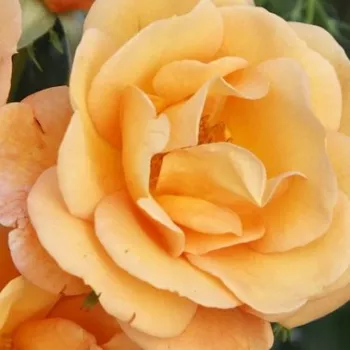
Semi-double, cup-shaped blooms with 17–25 petals, usually in clusters; large flower size around 7–10 cm diameter; remontant with generous second flush, continuing in good conditions into autumn. |
| Colour data and phenology |
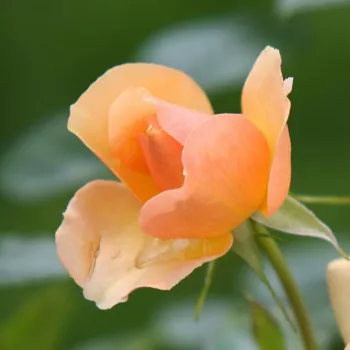
Bright warm orange with peach undertone; buds deep orange-red; newly opened flowers mandarin-orange; centre with soft yellowish glow; gradually fading to peach-pink with salmon edge, especially in stronger sun. |
| Fragrance and aroma |
Mild, fresh fruity fragrance, noticeable at close range without overwhelming seating areas; semi-double form offers partial value for pollinators, though access to nectar and pollen is somewhat limited. |
| Hip characteristics |
Forms small decorative hips in moderate quantities; typically 0–5 mm diameter; hips are not a dominant ornamental feature but add some late-season texture when flowers are not deadheaded. |
| Resistance and winter hardiness |
Hardy to about –21 to –18 °C (RHS H7, Swedish zone 3, USDA 6b); moderate resistance to powdery mildew and black spot, rust resistant; very good heat tolerance, coping with moderate drought if watered in long dry spells. |
| Horticultural recommendations |
Best at 50–90 cm spacing depending on use; suitable for beds, borders, hedges, slopes and urban plantings; prefers well-drained soil and regular feeding; maintenance medium, with occasional plant protection where pressure is high. |
PORTOROŹ offers season-long warm orange colour, compact upright growth and ADR-backed reliability on a resilient own-root frame, making it a thoughtful choice for long-lived, romantic planting.