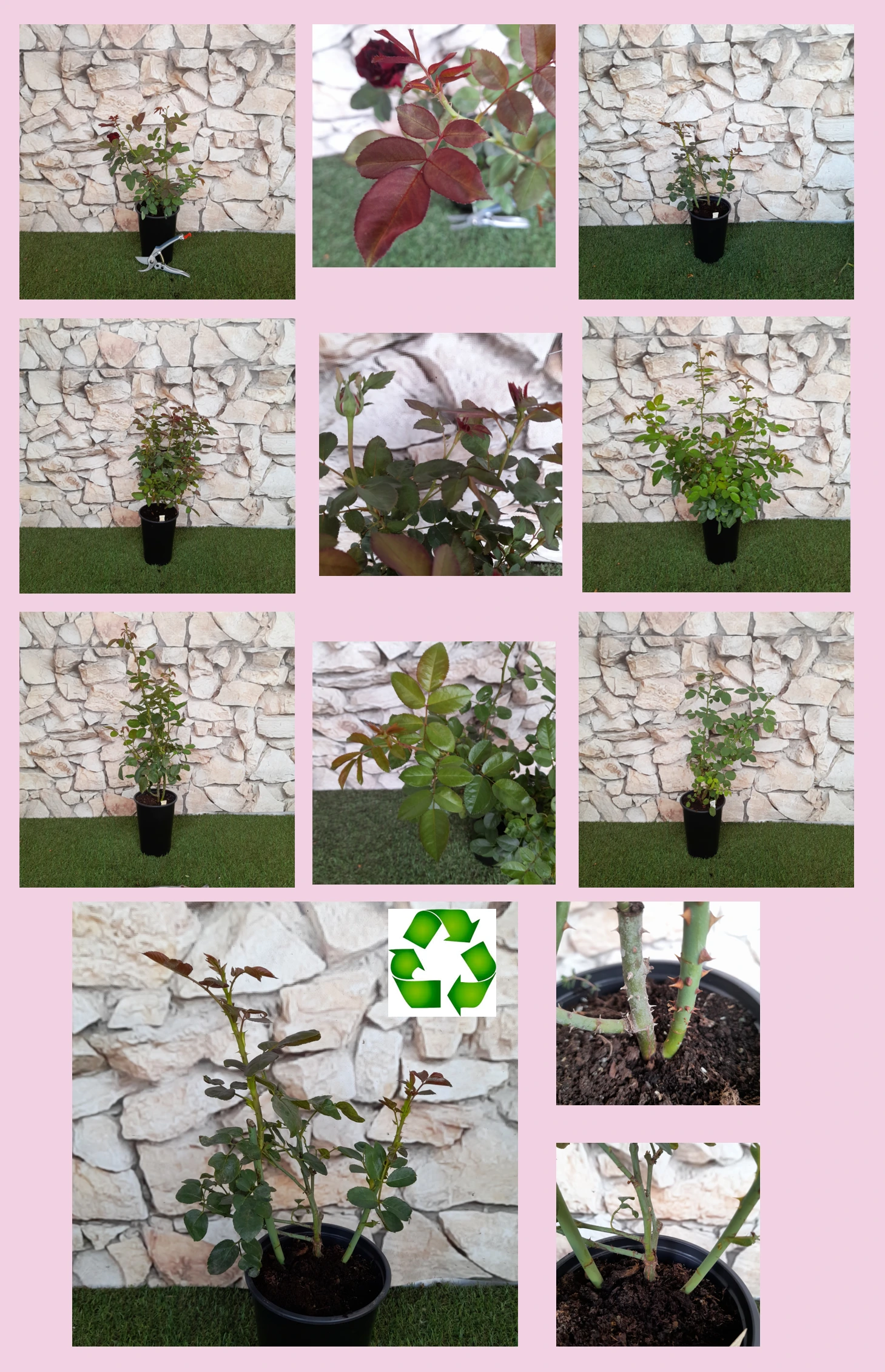
YUMEMURASAKI – purple bedding floribunda rose
With its storybook clusters of lilac-purple blooms, YUMEMURASAKI brings instant romance to family gardens, creating a soft, nostalgic backdrop for leisurely afternoon teas and relaxed weekends outdoors. This upright floribunda forms a compact, manageable shrub that fits beautifully into small to medium borders, or into a generous 40–50 litre container near your seating area. Its very double, cup-shaped flowers open in waves from early summer, releasing a fragrance so fresh and citrusy that even a single plant can perfume a cosy patio. As an own-root rose it is bred for long-term stability, quietly rebuilding its roots after planting, then pushing stronger growth and bushier shoots each year for a durable, low-fuss presence. Over time the shrub integrates naturally into cottage-style planting, its neat habit pairing effortlessly with kitchen-garden paths, hedging and perennials, while its reliable flowers remain attractive even in gardens that often face brisk winds and frequent showers.
Usage options
| Target area |
Reasoning |
| Cottage-style front garden border |
The compact, upright habit and moderate height make YUMEMURASAKI ideal for a front garden border where it will not overwhelm windows or paths, yet still delivers abundant, romantic clusters of purple blooms for kerbside charm – perfect for the beginner gardener. |
| Feature rose near terrace or seating |
The very strong, garden-filling citrus scent is best appreciated up close, so planting it beside a terrace, pergola or bench turns everyday sitting areas into scented “afternoon tea” corners without complex care routines – rewarding for the busy homeowner. |
| Generous container on patio or balcony |
Its upright structure and moderate spread suit a 40–50 litre pot, where the own-root plant settles reliably and produces repeat flushes, allowing colour and perfume even where borders are limited – ideal for the urban balcony-owner. |
| Mixed cottage border with perennials |
The steady, remontant flowering and stable shrub form weave easily among classics like yarrow, coreopsis or montbretia, giving a soft, layered cottage look without intricate pruning plans – appealing to the romantic cottage-gardener. |
| Medium-height informal hedge or row |
Planted at recommended hedge spacing, the dense, mid-green foliage and upright habit form a floral screen that matures gracefully, with own-root resilience supporting a long-lived line of plants – reassuring for the long-term planner. |
| Small family garden focal point |
In a modest lawn or kitchen-garden corner, one or three plants create a strong lilac focal point that becomes more floriferous from the first rooting year through to full ornamental effect by about the third season – encouraging for the patient improver. |
| Coastal or wind-exposed plots |
The bushy, medium-height structure and moderately dense foliage help it stand up to typical garden breezes, while reliable flowering continues even where gardens regularly experience brisk winds and passing showers – suitable for the coastal resident. |
| Low-effort family border with simple pruning |
Its floribunda character allows flexible pruning: a light annual trim keeps a rounded, flowering shrub without technical cuts, and own-root growth can regenerate from the base if ever cut back harder – helpful for the time-pressed family. |
Styling ideas
- Kitchen-garden edge – Line a vegetable plot path with YUMEMURASAKI for fragrant, compact shrubs that define the edge without casting heavy shade – for home cooks who enjoy ornamental produce beds.
- Romantic trio – Plant three shrubs in a loose triangle by a bench so their perfume and lilac hues wrap the seating area – for couples seeking a cosy evening corner.
- Cottage ribbon – Thread YUMEMURASAKI through perennials like yarrow and coreopsis for a relaxed, colour-layered border – for fans of English cottage informality.
- Patio centrepiece – Grow a single plant in a 40–50 litre clay pot flanked by herbs to combine intense scent with easy everyday access – for balcony and terrace dwellers.
- Informal hedge – Create a short, flowering boundary between lawn and play space, keeping plants low with simple annual trims – for families wanting soft separation without hard fencing.
Technical cultivar profile
| Parameter |
Data |
| Name and registration |
Floribunda bedding rose, registered as ZENfuyumemu, marketed as YUMEMURASAKI. Belongs to the bedding rose commercial group and accepted for exhibition under the name Yumemurasaki. |
| Origin and breeding |
Bred by Takashi Kawai for Perennial Co., Ltd in Japan and introduced in 2009. Parentage is unknown; distributed as a compact floribunda suitable for borders, hedging and container use. |
| Growth and structural characteristics |
Forms an upright, medium-sized shrub 95–125 cm tall and 60–80 cm wide, with moderately dense, slightly glossy mid-green foliage and moderate prickliness, giving a tidy yet traditional bush form. |
| Flower morphology |
Produces medium-sized, very double, cup-shaped flowers with over 40 petals, carried in clusters. Blooms repeatedly with abundant second flushes, providing a long ornamental season in typical garden settings. |
| Colour data and phenology |
Mid-purple flowers with subtle pink tones, coded RHS 75A outer, 71A inner. Buds open deep viola-lilac, then lighten to greyish-lilac with a silvery edge, staying more vivid in cool weather and softening slightly in heat. |
| Fragrance and aroma |
Very strong, garden-filling scent with a fresh, citrusy character. Highly ornamental rather than pollinator-focused, as the heavily double blooms enclose stamens and offer only limited access to insects. |
| Hip characteristics |
Occasionally forms small, spherical orange-red hips about 6–9 mm across, which can add modest decorative interest in late season but are not a dominant ornamental feature of the plant. |
| Resistance and winter hardiness |
Rated to approximately –21 to –18 °C, RHS H7, Swedish zone 3, USDA 6b. Shows moderate tolerance to black spot, powdery mildew and rust, benefiting from basic, occasional plant-protection in humid seasons. |
| Horticultural recommendations |
Best at 55–65 cm spacing, or 100 cm as a specimen. Suits borders, low hedges or large containers; prefers well-drained soil and standard feeding, with medium maintenance and simple annual pruning. |
YUMEMURASAKI offers richly scented purple clusters on a compact, long-lived own-root shrub that thrives in containers or borders, a graceful choice if you would like lasting cottage charm with straightforward care.