PINK ELIZABETH ARDEN – pale pink bedding floribunda rose - Tantau
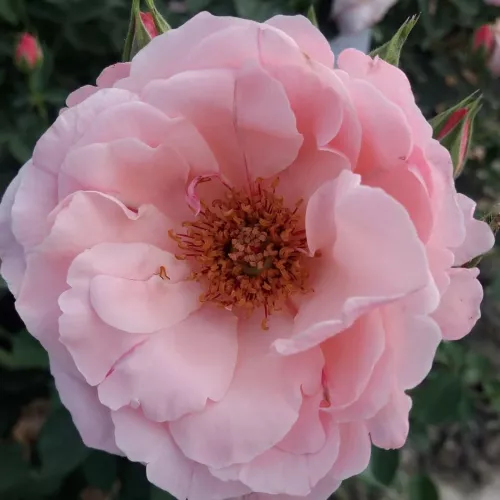
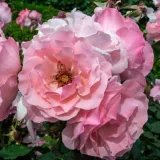
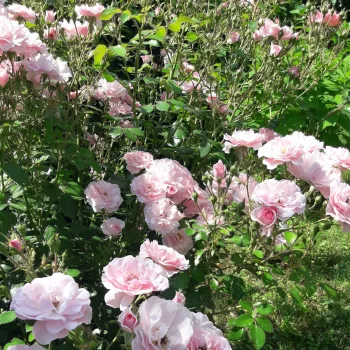
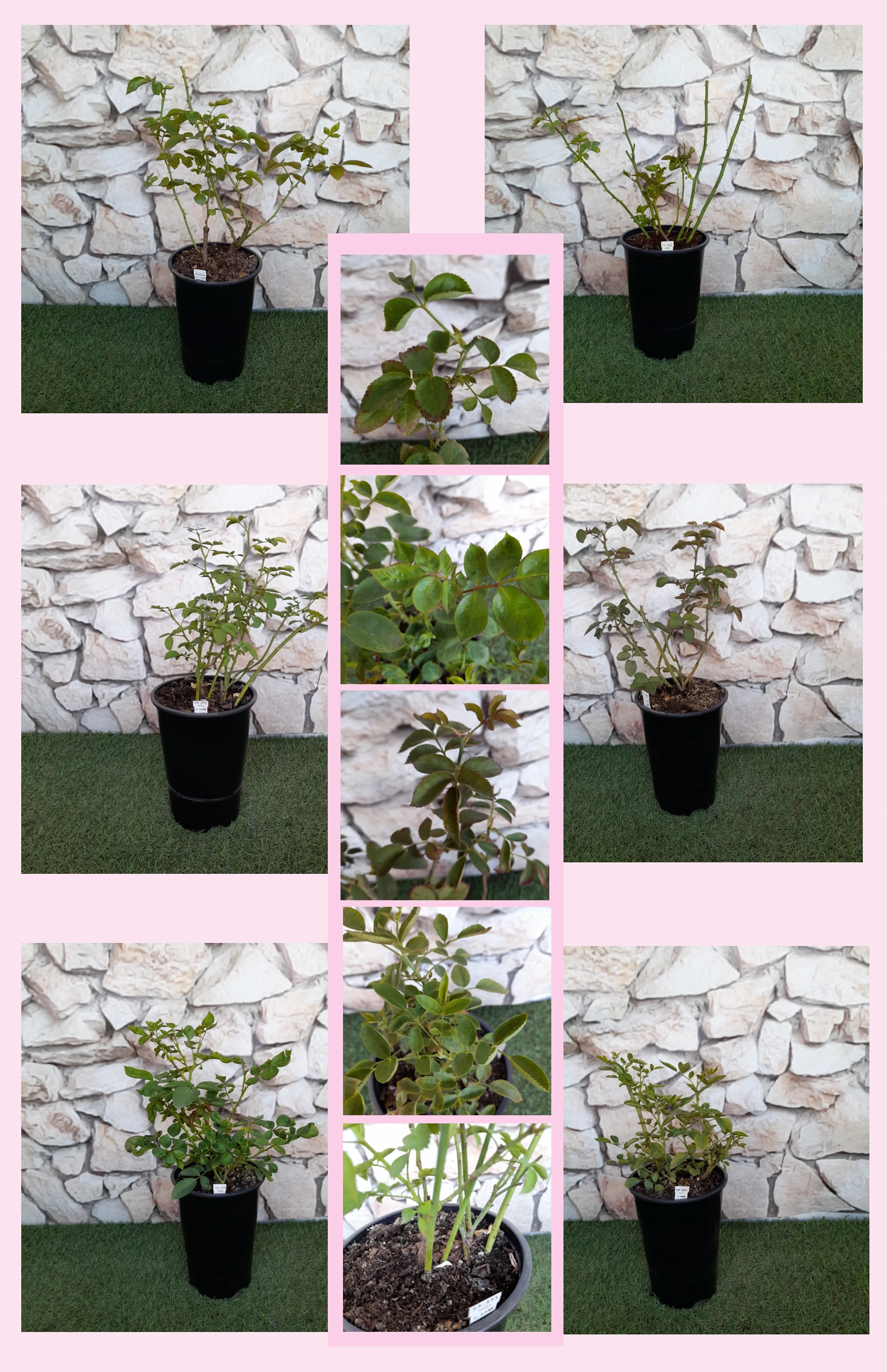
Evoking the charm of an English cottage garden, PINK ELIZABETH ARDEN settles into family plots as a quietly dependable floribunda, its pastel blooms softening borders while coping well with brisk, coastal breezes and unsettled weather. This upright, moderately sized rose forms a dense, leafy bush that lends instant structure to beds and low hedges without overwhelming a small or medium garden. Clusters of semi-double, pastel-pink flowers repeat through the season, creating a gentle rhythm of colour that suits relaxed, “afternoon tea under the arbour” settings. Awarded ADR status and still valued decades later, it offers proven reliability in typical UK conditions. Grown on its own roots, it establishes steadily, building longevity and the ability to regenerate if cut back hard or after winter setbacks, helping you keep a consistent look over many years. Its partially open blooms offer a welcome haven for visiting pollinators, while moderate self-cleaning means only light deadheading is needed to maintain a neat outline. Plant once and enjoy the way it grows from a well-rooted young plant into a fully developed feature, with roots first, then stronger shoots, and finally the complete cottage-garden picture in the third year.
Usage options
| Target area |
Reasoning |
| Front-of-border bedding in a family garden |
The compact, upright habit and 80–120 cm height make this rose ideal for the front or mid-front of mixed borders, giving structure without blocking views or play space; its ADR-backed reliability reassures cautious beginners. |
| Romantic low hedge along paths or terraces |
Dense, dark green foliage and close planting distances allow a softly formal pale-pink hedge that frames paths or patios; repeat-flowering sprays keep it attractive with only moderate deadheading for busy homeowners. |
| Cottage-style mass planting in small to medium beds |
Regular clusters of semi-double blooms create a pastel “drift” of colour when planted in groups, suiting cottage and kitchen gardens; consistent shape helps maintain an orderly look even in informal schemes sought by cottage-lovers. |
| Containers and large pots near seating areas |
The upright, bushy habit suits a substantial pot; in the UK, a minimum 40–50 litre container helps buffer roots from drying and cold, while own-root growth regenerates well after pruning for balcony and patio gardeners. |
| Mixed planting with shrubs and evergreens |
Its medium height and pastel flowers combine well with box, viburnum or Russian sage, adding seasonal colour without overpowering stronger shapes, giving long-term structure appreciated by traditional-planting enthusiasts. |
| Pollinator-friendly, family-friendly corner |
Semi-double, open-centred flowers offer accessible stamens that attract bees and other insects, creating gentle life and movement around play lawns or seating areas, which appeals to wildlife-conscious families. |
| Coastal or wind-exposed suburban gardens |
Its proven garden performance and medium disease resistance mean it copes with breezy, unsettled sites where more delicate roses struggle, particularly when given reasonable drainage and care favoured by practical owners. |
| Long-lived focal rose in a small garden design |
As an own-root shrub it thickens from the base, can recover from hard pruning or winter damage, and follows a steady development from rooting to full ornamental effect over three years, suiting patient yet busy urbanites. |
Styling ideas
- Cottage-Ribbon Hedge – Plant a softly curving low hedge along a path, interweaving clumps of lavender for scent and a blue contrast to the pale pink sprays – ideal for lovers of traditional cottage charm.
- Pastel Tea Corner – Group three plants in a triangle near a seating area, underplanting with soft nepeta and white violas for a gentle, “afternoon tea” feel – perfect for those creating a cosy tea-and-reading nook.
- Kitchen-Garden Border – Line the edge of a productive plot with this rose and box edging, tying flowers and vegetables together into a storybook potager – suited to home growers who value order and romance together.
- Coastal Calm Bed – Combine with Russian sage and ornamental grasses in a raised bed to improve drainage and echo sea-breeze movement – a good choice for gardeners near the coast wanting graceful resilience.
- Porcelain Patio Pot – Grow a single plant in a 50 litre terracotta pot with trailing thyme, letting pastel blooms soften hard paving – designed for balcony and terrace owners seeking easy, contained elegance.
Technical cultivar profile
| Characteristic |
Data |
| Name and registration |
Floribunda bed rose; registered as TANtenom, traded as PINK ELIZABETH ARDEN, with the ARS exhibition name ‘Geisha’; classified as an exhibition floribunda (spray) for bedding use. |
| Origin and breeding |
Bred by Mathias Tantau Jr. at Rosen Tantau, Uetersen, Germany; bred 1964, registered 1964, introduced 1966 via Rosen Tantau and Roy H. Rumsey Pty. Ltd. into European and Australian markets. |
| Awards and recognition |
ADR-Sorte classification in Germany (1965) confirms durable garden performance; later awarded first place Floribunda Spray at Tualatin Valley Rose Society Show, USA, in 1998, confirming exhibition quality. |
| Growth and structural characteristics |
Upright, bushy shrub reaching about 80–120 cm high and 50–70 cm wide, with dense, slightly glossy dark green foliage and moderate prickles; forms a well-filled, structural presence in beds and hedges. |
| Flower morphology |
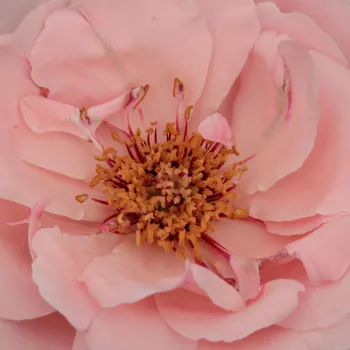
Semi-double, cup-shaped blooms with 13–25 petals, medium-sized at roughly 4–7 cm across, borne in clusters of 3–5 flowers per stem; remontant habit gives a generous second flush after the main flowering. |
| Colour data and phenology |
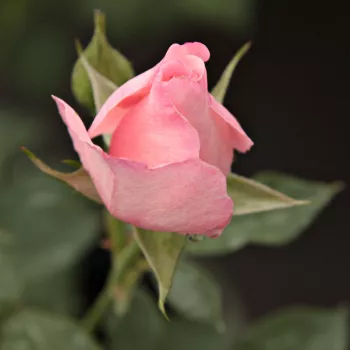
Pale pastel pink buds open to porcelain-like light pink, ARS code LP, RHS 65C–65D; colour fades to creamy, very pale pink with almost white margins as blooms age, giving a soft, blended pastel effect in the bed. |
| Fragrance and aroma |
Fragrance is very weak, with only a barely perceptible rosy character on close inspection, so it is chosen primarily for colour effect and habit rather than scent, useful where unobtrusive fragrance is preferred. |
| Hip characteristics |
Produces moderate quantities of small, red, ellipsoid hips about 8–12 mm in diameter, adding a discreet autumn accent and modest wildlife interest without dominating the plant’s overall decorative value. |
| Resistance and winter hardiness |
Medium resistance to powdery mildew, black spot and rust; hardy approximately to –21 to –18 °C (RHS H7, Swedish zone 3, USDA 6b), coping with typical UK winters when planted in suitable, well-prepared soil. |
| Horticultural recommendations |
Best in full sun with fertile, well-drained soil; spacing 35–65 cm depending on use, giving 5.7–6.6 plants/m² for bedding; requires moderate maintenance with occasional pruning and pest or disease control as needed. |
PINK ELIZABETH ARDEN offers steady repeat flowering, a compact, structural habit and resilient own-root growth for long-term enjoyment; consider it if you want an easy, pastel floribunda that gently organises your garden space.