Pink Babyflor® miniature rose – compact cottage charm for small spaces
With its dainty mid‑pink rosettes and compact habit, Pink Babyflor® creates an instantly romantic, storybook feel even in modest borders or front gardens, while coping reliably with breezy, coastal conditions in typical British weather. This miniature, own‑root rose forms a neat, dense shrub that fits beautifully into family gardens, edging paths or softening the front of mixed beds without taking over. Repeat flushes of clustered, very double blooms give a long season of colour with minimal fuss, and the self‑cleaning flowers reduce the need for deadheading. Over time, its own‑root structure supports a long‑lived plant that regenerates well after pruning and everyday knocks, gradually building from a well‑rooted youngster to a more rounded, flower‑laden feature. Easy to site, simple to care for and forgiving of busy schedules, it suits beginners, hobby gardeners and anyone wanting gentle, cottage‑garden romance and relaxed cosiness with practical, low‑effort maintenance in a small‑scale, family setting, bringing colour, structure and enduring charm to paths, patios and borders.
Usage options
| Target area |
Reasoning |
| Front of a mixed cottage border |
The naturally compact, 50–70 cm habit sits perfectly at the front of a mixed border, forming a neat pink hedge that won’t swamp herbaceous perennials or herbs. Repeat flowering gives steady colour through summer for a traditional cottage feel – ideal for the romantic cottage‑garden lover. |
| Small family garden beds and narrow strips |
Where space is tight along paths, fences or driveways, the modest spread and dense foliage make Pink Babyflor® easy to fit in without constant pruning. Its medium maintenance needs suit those who want a tidy look without complicated routines – well matched to the busy family‑garden owner. |
| Low edging and informal miniature hedges |
Regular but simple trimming turns its even, bushy growth into a low edging line around lawns or veg plots. Own‑root plants recover well after shaping, giving a long‑lived, stable outline along paths and beds – attractive for the orderly yet relaxed border‑planner. |
| Patio containers and large pots (40–50+ litres) |
The dwarf size is ideal for a generous patio pot of 40–50+ litres, where roots have room to establish and support repeated flowering. This brings classic rose romance right up to seating areas, close to windows or doors – convenient for the compact‑space balcony‑and‑patio gardener. |
| Urban and coastal gardens |
Good colour retention and a sturdy, low habit help it cope with exposed, breezy sites, offering reliable summer colour and a peaceful outlook from kitchen or sitting‑room windows, even where gardens are small – reassuring for the city and seaside homeowner. |
| Long‑season colour near seating or play areas |
Clusters of very double pink blooms repeat well, giving a long visual display around seating, play spaces or terraces without constant attention. Unscented flowers avoid overwhelming fragrance, suiting relaxed family use – appealing to the comfort‑seeking outdoor‑room user. |
| Informal groundcover in sunny spots |
Planted at the recommended spacing, the compact shrubs knit into a low, leafy mat that suppresses some weeds and dresses bare soil with soft pink colour, especially in front of taller shrubs – useful for the low‑input, time‑pressed gardener. |
| Long‑term structure in a low‑maintenance planting |
As an own‑root rose, Pink Babyflor® builds a resilient framework that regenerates well after pruning, giving dependable shape and ornamental value over many years, even under typical British wind and rain – reassuring for the long‑horizon, investment‑minded planter. |
Styling ideas
- Cottage‑border edging – Line the front of a mixed border with Pink Babyflor®, weaving through lady’s mantle and catmint for a frothy, pastel edge – perfect for the cottage‑style traditionalist.
- Kitchen‑garden charm – Use short rows of Pink Babyflor® to mark paths between veg beds, softening timber edges and attracting interest when crops are small – ideal for the practical kitchen‑garden owner.
- Patio focal container – Plant a single shrub in a 50‑litre terracotta pot, underplant with trailing thyme for an easy, romantic focus by the back door – suited to the busy urban balcony‑and‑patio gardener.
- Family‑friendly play‑area frame – Group several plants around a lawn or play corner where their low, dense growth gives colour without towering thorns – attractive for the child‑conscious family gardener.
- Soft groundcover sweep – Mass‑plant along a sunny bank or front strip, allowing shrubs to touch and form a low, pink wave above lamb’s ear foliage – appealing to the low‑maintenance landscape planner.
Technical cultivar profile
| Property |
Data |
| Name and registration |
Miniature Babyflor® series rose; registered as TANyrolf, traded as Pink Babyflor® / Babyflor®; ARS exhibition name Pink Babyflor; dwarf, compact habit suited to small gardens and containers. |
| Origin and breeding |
Bred by Hans Jürgen Evers at Rosen Tantau, Germany, with unknown parentage; introduced and registered in 1993, representing a modern miniature rose bred for compact growth and repeat flowering. |
| Growth and structural characteristics |
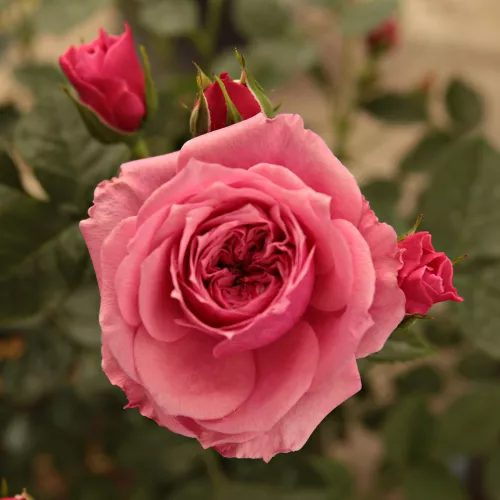
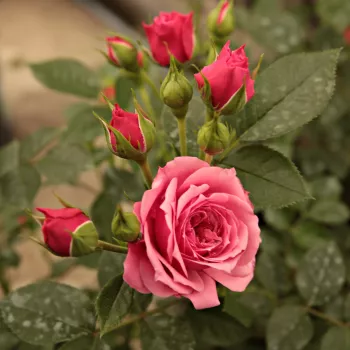
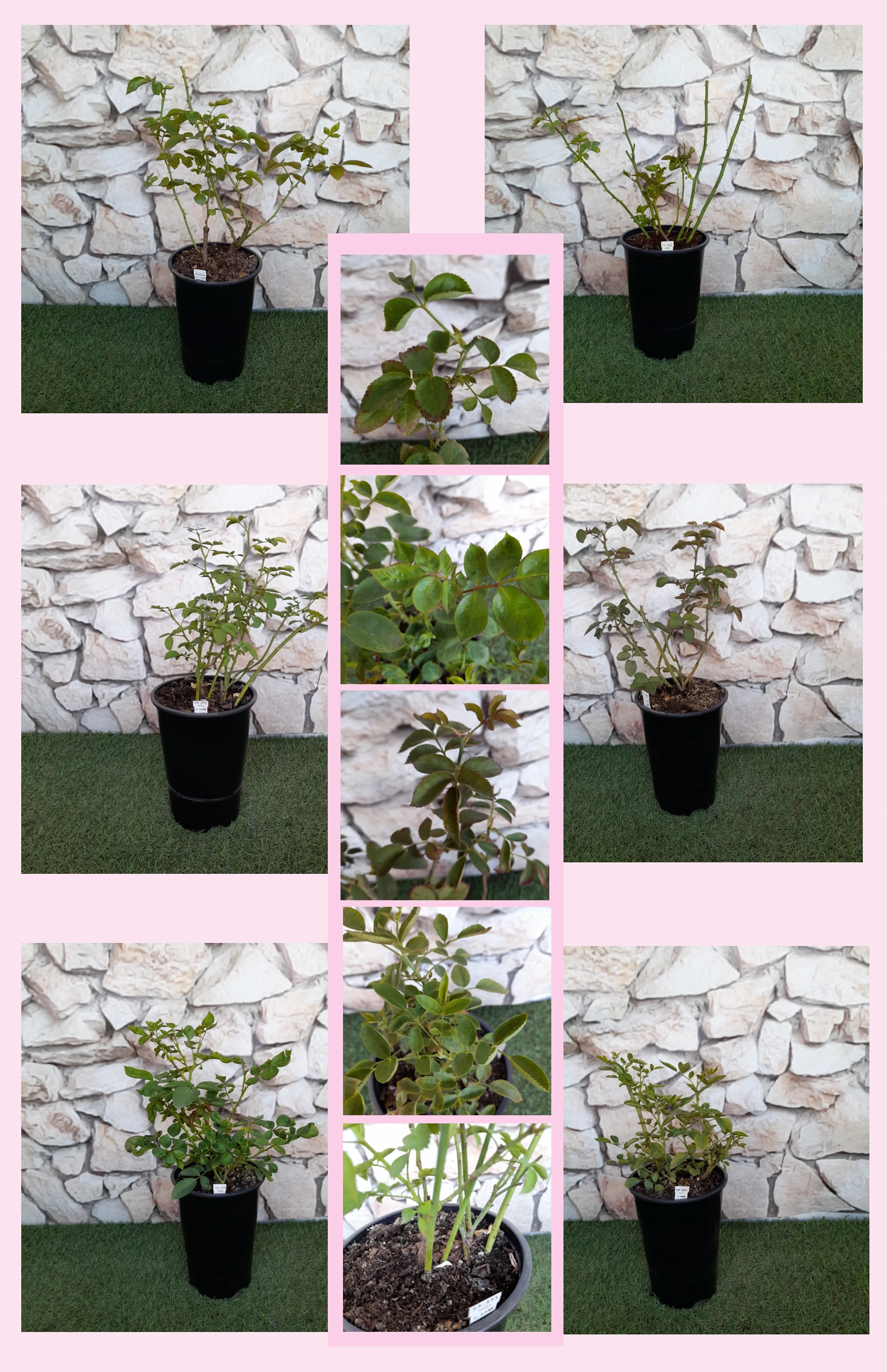
Compact shrub 50–70 cm high and 40–60 cm wide, with dense, slightly glossy fresh‑green foliage and moderate prickles; forms a neat, rounded outline with good natural branching and self‑cleaning spent blooms. |
| Flower morphology |
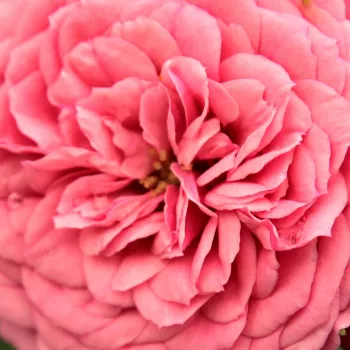
Very double, rosette‑shaped miniature blooms, 0.5–1.5 in across, carried in clusters of 6–15 per stem; repeat‑flowering with abundant second flush, providing fine texture and a generous flowering season. |
| Colour data and phenology |
Medium pure pink, ARS lp; RHS 65C outer, 63B inner petals. Buds vibrant mid‑pink, opening to a uniform pink that gently lightens at edges and fades to pastel tones, with good overall colour retention in sun. |
| Fragrance and aroma |
Classed as unscented, with no noticeable perfume; chosen primarily for colour, form and compact habit rather than scent, making it suitable where strong fragrance would be intrusive or undesirable. |
| Hip characteristics |
Produces small numbers of spherical, red rose hips, about 5–7 mm in diameter, adding a discreet seasonal detail in late season without significantly affecting the plant’s repeat‑flowering display. |
| Resistance and winter hardiness |
Hardy to about −21 to −18 °C (RHS H7; Swedish zone 3; USDA 6b). Disease resistance is medium, with moderate susceptibility to powdery mildew, black spot and rust, benefiting from good air movement and care. |
| Horticultural recommendations |
Best in full sun with fertile, well‑drained soil; water during prolonged dry spells. Suitable for beds, borders, low hedges, groundcover and large containers; medium maintenance with occasional pest and disease checks. |
Pink Babyflor® offers compact structure, long‑season pink colour and durable own‑root resilience for small family gardens and patios; consider it if you want gentle cottage charm with straightforward care.