PERDITA – light peach English rose - Austin
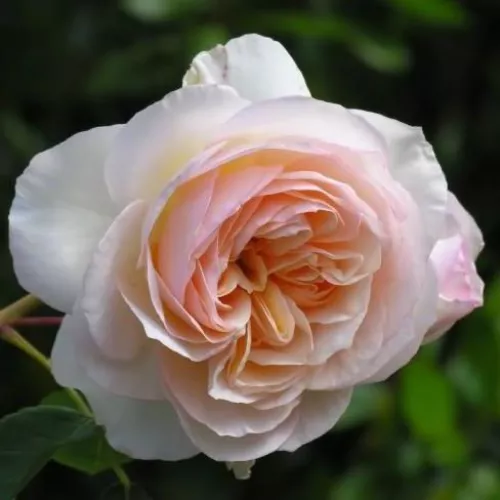
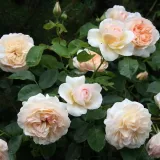
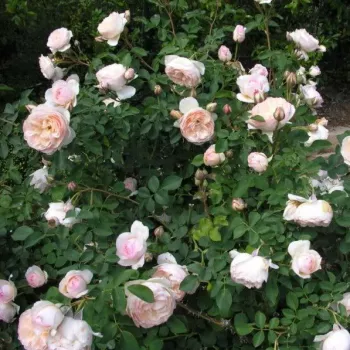
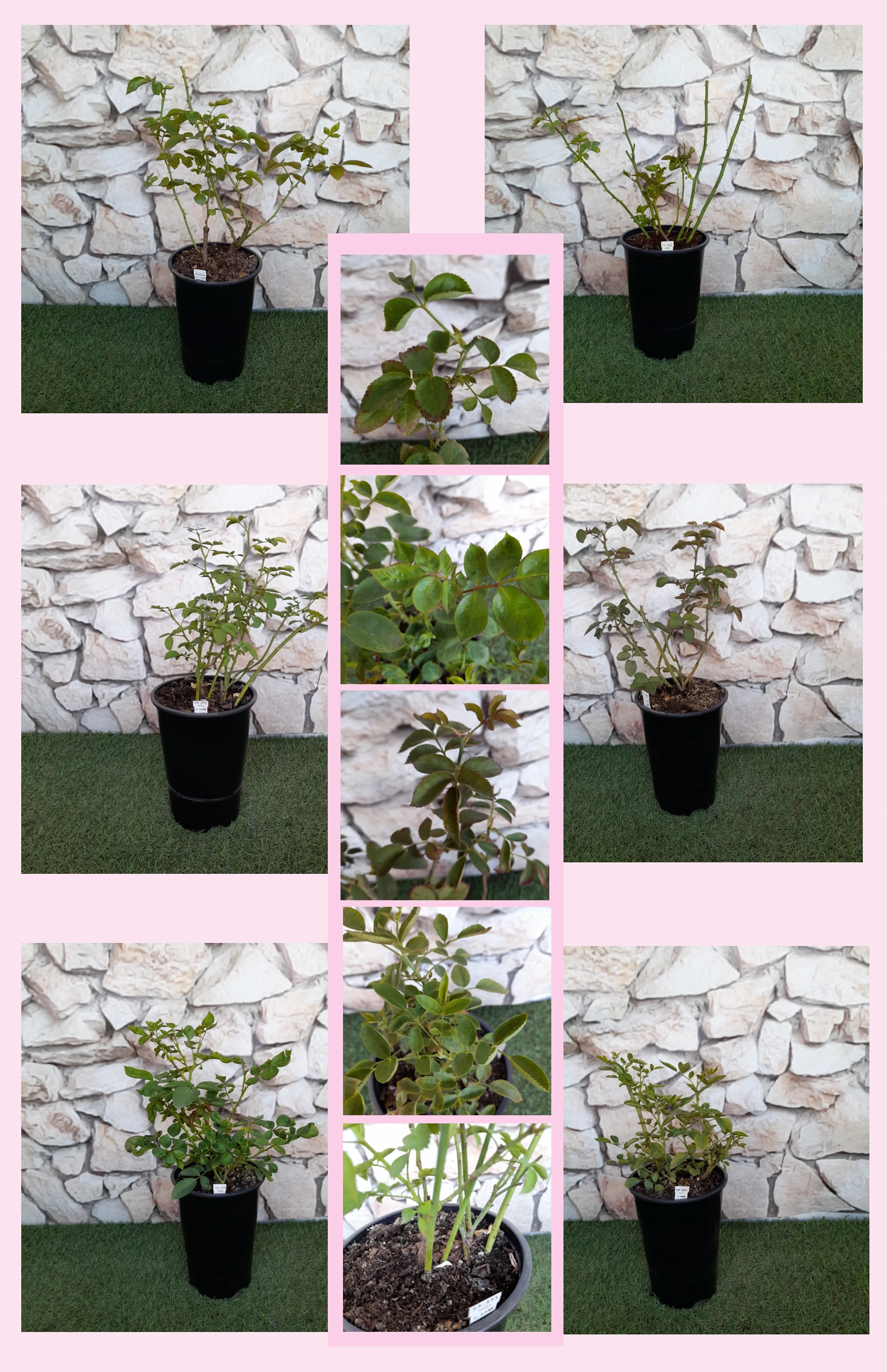
Softly romantic and classically English, PERDITA settles into a family garden with bushy, upright structure and densely clothed dark green foliage that creates an instant cottage feel. Its very full rosette blooms in warm, light-peach colour appear in generous clusters, repeating reliably through summer to give that “afternoon tea beneath the arbour” atmosphere without demanding constant attention. The scent is a rich, spicy-sweet fragrance that easily fills a seating area, and the robust shrub shows notably good disease resistance even in damp, disease-prone seasons near breezy, weather-exposed gardens where rain and wind can test lesser roses. As an own-root plant, it is bred for longevity and steady regeneration, so after a season focusing on root development, you can look forward to stronger shoots and full storybook charm in the seasons that follow.
Usage options
| Target area | Reasoning |
|---|
| Feature rose near a seating or terrace area |
PERDITA is renowned for its very strong, spicy-sweet perfume that easily drifts across a patio or lawn, creating a fragrant backdrop to everyday family life and evening relaxation for the scent-lover |
| Romantic cottage-style mixed border |
The bushy, upright habit and dense foliage form a natural-looking shrub that blends neatly with perennials and herbs, giving that relaxed, English cottage border look with minimal shaping for the cottage-gardener |
| Season-long colour in family flower beds |
Its remontant, cluster-flowered habit ensures repeat flushes of soft peach blooms, so even with basic care your beds keep their colour rhythm through summer and early autumn for the busy-homeowner |
| Low-maintenance rose planting for beginners |
Good resistance to black spot and powdery mildew means fewer sprays and worries, so routine tasks are limited mainly to watering in dry spells and light dead-heading for the first-time-gardener |
| Long-term structural planting in small to medium gardens |
As an own-root shrub it builds a durable framework that ages gracefully, regrowing well from the base if cut back or weather-damaged, giving reliable structure over many years for the long-term-planner |
| Containers and large pots on a sheltered patio |
Its upright, moderately tall form and repeat flowering suit large containers of at least 40–50 litres, where a single specimen can create a generously scented focal point for the courtyard-gardener |
| Traditional rose and kitchen-garden hedging |
Recommended spacings allow you to form a loose, romantic hedge that frames vegetable beds or paths; own-root vigour supports gradual thickening and easy rejuvenation pruning for the kitchen-gardener |
| Exposed or open-position family plots |
Good overall robustness and reliable flowering, even where changeable weather and brisk conditions can challenge roses, help maintain a settled, storybook look through typical British seasons for the practical-gardener |
Styling ideas
- Tea-garden archway – Train PERDITA as a loose, shrubby backdrop beside an arch, underplanting with lady’s mantle and lavender for a pastel afternoon-tea corner – ideal for romantic homeowners.
- Kitchen-border frame – Line the edge of a kitchen garden with evenly spaced shrubs, weaving between herbs and salad crops to soften the productive area – perfect for cottage-style veg growers.
- Pastel island bed – Combine with blue globe thistle, soft grasses and pale perennials to create a gently scented, focal island visible from the house – suited to family lawns.
- Container parlour – Place a single plant in a 50‑litre terracotta pot by the back door, adding trailing thyme and low annuals around the base – for small urban patios.
- Storybook hedge – Stagger plants in a loose line along a path, interspersed with old-fashioned favourites like catmint and campanula – for lovers of nostalgic garden walks.
Technical cultivar profile
| Parameter | Data |
|---|
| Name and registration |
Perdita – English shrub rose; Registered as AUSperd, part of the English Rose Collection and marketed as a romantic, garden and cut-flower type for classic plantings. |
| Origin and breeding |
Bred by David C. H. Austin in the United Kingdom from ‘The Friar’ and a seedling of ‘Schneewittchen’ (= ‘Iceberg’), introduced and registered in 1983 by David Austin Roses Ltd. |
| Awards and recognition |
Holder of the RNRS Trial Ground Certificate (1983) and the prestigious Henry Edland Fragrance Medal (1984), reflecting both strong garden performance and exceptional scent. |
| Growth and structural characteristics |
Bushy, upright shrub reaching around 100–150 cm tall and 80–120 cm wide, with moderately thorny stems and dense, slightly glossy dark green foliage that fills out well in borders. |
| Flower morphology |
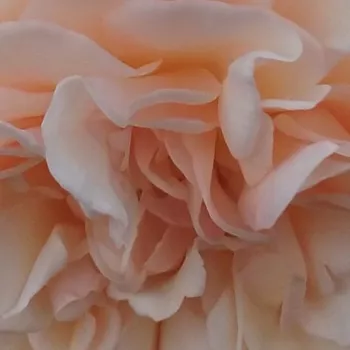
Large, very full rosette blooms with over 40 petals, produced mainly in clusters; remontant with particularly abundant second flush, flowering on bushy stems suitable for cutting. |
| Colour data and phenology |
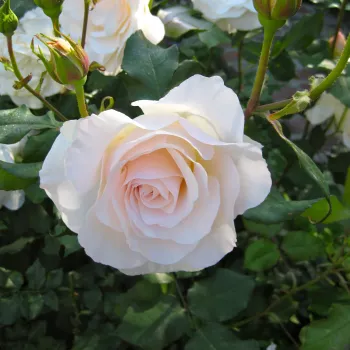
Warm light-peach flowers with creamy tones; buds medium peach‑pink, deepening toward the centre, then gradually lightening to creamy white with a soft peach centre as the blooms age and fade. |
| Fragrance and aroma |
Very strong, garden-filling perfume of spicy-sweet character, noticeable in still air and well suited to seating areas where the scent can be appreciated at different times of day. |
| Hip characteristics |
Moderate production of small, spherical orange-red hips, around 9–15 mm in diameter, adding a discreet decorative element later in the season if spent blooms are not removed. |
| Resistance and winter hardiness |
Rated H7 with hardiness to approximately −26 to −23 °C, good heat tolerance with watering in prolonged drought, and strong resistance to black spot and powdery mildew, with moderate rust sensitivity. |
| Horticultural recommendations |
Suited to beds, edging, hedging, containers and cutting; plant 55–100 cm apart depending on use, in well-drained soil, with low maintenance needs and only occasional plant protection as required. |
PERDITA offers richly scented blooms, repeat flowering and a durable own-root shrub form, making it a refined and reliable choice for those seeking long-lived, romantic structure in a family garden; consider it if you value beauty with minimal complication.