Botanical Rose

52-455-1
52-455-2

Rosa paulii

Botanical rose

- – George Paul, Jr.

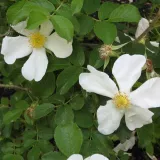
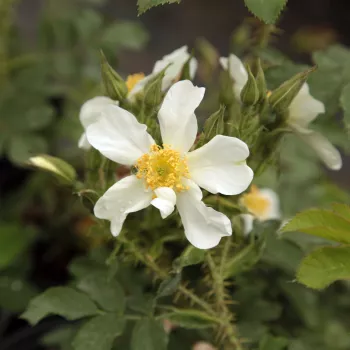
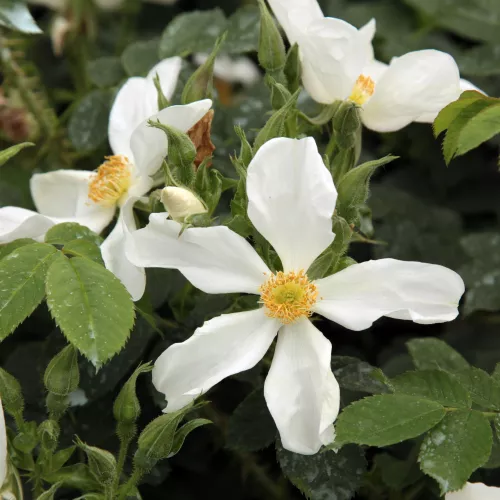
The petals are brilliantly snow-white, with a uniformly pale surface and no shading. - wild rose - mild, restrained-scented rose - pleasantly spicy

– Robust wild character with historical charm
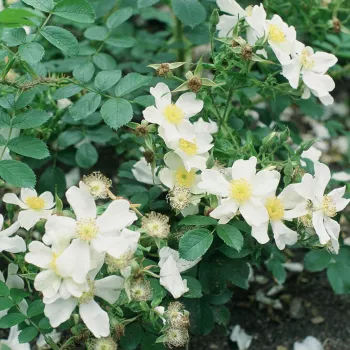
– Masses of pure snow-white single blooms
– Very low maintenance, reliably self-cleaning
– Excellent disease and winter hardiness rating
– Spreading, groundcover habit for larger areas
Special feature: Award-winning Dowager Rose Queen for its historical value and purity of bloom.
Open to feedback – Balanced garden
Rosa paulii
darinaROSE® ORIGINAL 2-litre own-root potted rose
18,00 £
Unfortunately, we are currently unable to ship to the United Kingdom; we only deliver to countries within the European Union. For more information, please contact us!
4 (6053)
facebook   twitter

PAULII – white wild rose - Paul

This historic botanical rose brings a quietly romantic, almost woodland charm to cottage-style family gardens, covering ground with a low, arching habit that softens paths, banks and fence lines. Once a year it erupts into a cloud of small, snow-white flowers with a gentle, spicy fragrance, followed by neat red hips that add subtle seasonality through autumn. Bred for stamina, it offers robust resilience, shrugging off common rose diseases and coping well with exposed sites where breezes and showers roll in from the coast. Its own-root nature supports long-lived, steady development, giving you a dependable shrub that matures gradually without complicated pruning, and works beautifully in low-maintenance, storybook-style planting schemes.


Usage options

Target area Reasoning
Low-maintenance family border Ideal where you want a romantic, traditional look without constant fussing: this shrub keeps a naturally bushy, spreading outline, needs only light annual tidying and offers once-a-year, reliable white flowering with minimal disease issues – a reassuring choice for the busy home gardener.
Groundcover on banks and awkward slopes The broad, spreading habit and dense thorny framework help knit into sloping ground, visually softening awkward levels while reducing the need for frequent weeding; once established, its good heat and drought tolerance mean occasional dry spells are far less of a worry for the low-intervention gardener.
Informal cottage hedge Where you prefer a soft, storybook divide instead of a clipped formal hedge, its arching stems, single white flowers and bright hips create a loose, rural boundary; spacing plants slightly apart lets them weave together over time with just periodic thinning, suiting the traditional cottage lover.
Specimen shrub in lawn or courtyard Planted alone with a generous grass or gravel circle around it, this variety forms a wide, low dome that reads as a characterful garden feature; its controlled height keeps views open while still giving seasonal interest, matching the needs of the small-garden homeowner.
Urban front garden or street-side bed In exposed or polluted spots where other roses struggle, its tough constitution, disease resistance and winter hardiness make it reliable structure planting; it gives a cared-for look with minimal input, well suited to the time-pressed city resident.
Mixed botanical or wild-style rose collection Its wild-rose character, historic background and simple flowers bring contrast among fuller modern blooms, adding texture and heritage interest; once settled, it performs steadily for many years, appealing strongly to the collecting enthusiast.
Raised bed or improved heavy-clay area Where drainage is improved with a raised bed or soil conditioning, this sturdy shrub anchors the space, coping well with changeable British summers that swing between wet and dry, and it builds up into a long-lived presence appreciated by the practical garden planner.
Large container on terrace or gravel garden In a 40–50 litre or larger container with good drainage, it can be grown as a broad, low feature shrub; its once-a-year flush, followed by hips and evergreen-feeling structure, brings quiet romance to paved spaces with just basic watering and feeding, suiting the courtyard gardener.

Styling ideas

  • COTTAGE-EDGE RIBBON – Run a loose line of PAULII along a path, underplanting with sweet alyssum and soft grasses for a white, frothy summer edge – ideal for lovers of gentle cottage informality.
  • WILD ORCHARD MARGIN – Plant as a wide, low drift beneath fruit trees, letting its spreading habit knit around trunks while keeping views open – perfect for those shaping a storybook kitchen garden.
  • WHITE-AND-GREEN COURTYARD – In large terracotta tubs, pair with cypress spurge and pale gravel for a calm, architectural palette – suited to busy owners wanting structure with little maintenance.
  • ROMANTIC BANK PLANTING – Soften a sunny slope by interweaving PAULII with pigeon scabious and meadow-style perennials – for gardeners seeking a relaxed, semi-wild countryside feel.
  • HERITAGE FRONT GARDEN – Use two or three shrubs as an informal hedge behind a low picket fence, with lavender and herbs at the feet – appealing to families who favour a traditional village frontage.

Technical cultivar profile
Parameter Data
Name and registration Botanical rose from the Paul collection, commercial wild rose type; current trade name Rosa paulii Botanical rose Paul, American Rose Society exhibition name Paulii; unregistered cultivar used under stable trade usage.
Origin and breeding Hybrid between Rosa arvensis and Rosa rugosa, with Rosa rugosa × Rosa wichuraiana ancestry; bred by George Paul Jr., Paul & Son, Cheshunt, United Kingdom; introduced commercially in 1903 for garden and park use.
Awards and recognition Recognised in American exhibition circles as a dowager-class historic rose; awarded American Rose Society Dowager Rose Queen 1998–2001 and multiple district-level “Genesis” awards for notable antique and species heritage.
Growth and structural characteristics Bushy, spreading shrub 70–130 cm high and 210–390 cm wide, forming a low arching mass; moderately dense, matte mid-green foliage, densely thorned stems, good self-cleaning and naturally tidy outline with minimal pruning needs.
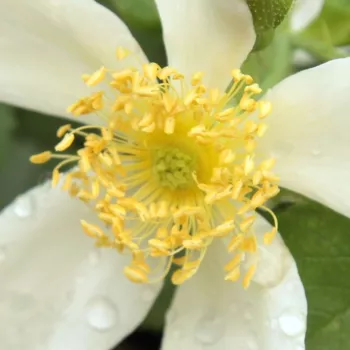
Flower morphology Single to semi-single blooms with 5–12 petals, small flat flowers in clusters; non-remontant with one main flowering season; self-cleaning, so spent petals fall cleanly, leaving the plant neat without regular deadheading by the gardener.
Colour data and phenology Flowers open ivory with a creamy blush, quickly becoming pure snow-white; later petals fade to translucent white with a slight beige edge; colour retention is brief but the overall effect is of luminous white sprays in early to midsummer.
Fragrance and aroma Fragrance is mild but pleasantly spicy, noticeable at close range without overwhelming nearby seating areas; the scent complements its simple wild-rose appearance and suits informal hedges, banks and mixed botanical or heritage plantings.
Hip characteristics After flowering it typically sets numerous small spherical hips around 18–26 mm across; hips are bright red, RHS 43A, and add a discreet autumn highlight for seasonal structure, cutting work and wildlife interest in informal gardens.
Resistance and winter hardiness Very hardy shrub rated to around -29 to -26 °C (RHS H7, USDA 5a, Swedish zone 4); shows good tolerance of heat and moderate drought, and strong resistance to powdery mildew, black spot and rust in typical garden conditions.
Horticultural recommendations Suited to groundcover, parks, hedging and urban public planting; prefers sun to partial shade with reasonable drainage, spacing 180–330 cm depending on use; low-maintenance with minimal pruning, best as a long-term structural shrub.

PAULII offers a tough, spreading, low-maintenance white wild rose on its own roots, giving long-lived structure, simple seasonal flowering and bright hips for relaxed cottage-style gardens; a thoughtful choice if you value quiet reliability and heritage character.
Detailed product attributes

Product Identification Data

Product Name: PAULII – white wild rose - Paul
Product Type: darinaROSE® ORIGINAL - 2-litre own-root potted rose
Cultivar Authenticity: Verified:20.08.2025
Item Number: [705] 52-455 (14.02.2026) darinarose.co.uk

Name and Registration

Meaning of Cultivar Name: The name is in the Latin genitive form, meaning "of Paul", and refers to the breeder's family name.
Cultivar Synonym: Repens Alba; R. paulii; Rosa paulii Rehder; Rosa rugosa repens alba; Rosa × paulii
Current Trade Name: Rosa paulii Botanical rose Paul
Rose Group: Wild, Hybrid Rugosa, Species Cross
Commercial Type: wild rose
Commercial Group: Botanical rose
Exhibition Category: bush rose; dowager class (historical)
Collection: Botanical rose

Origin and Breeding

Initial Distributor: Paul & Son (United Kingdom)
Registration Year: unregistered cultivar
Breeder: George Paul, Jr.
Breeding Company / Institution: Paul & Son (Cheshunt)
Breeding Year: United Kingdom, 1903
Parentage: Rosa arvensis × Rosa rugosa; Rosa rugosa × Rosa wichuraiana

Awards and Honours

Competition and Show Awards: American Rose Society – Dowager Rose Queen (1998–2001); "Genesis" awards at multiple American district shows (1999–2014)

Growth and Structural Characteristics

Height: 2.3-4.3ft (70-130 cm)
Spread: 6.9-12.8ft (210-390 cm)
Growth Habit: bushy, spreading
Foliage: The variety's foliage is moderately dense; the leaves have a matte surface and a mid-green hue.
Prickliness: densely thorned
Self-Cleaning Description: The petals of spent flowers generally fall off naturally.
Self-Cleaning Intensity: Self-cleaning is probably good.

Flower Morphology

Petal Count: 5–12
Flower Fullness: single flowered
Flower Shape: flat
Flower Size: S (0,5-1,5 in)
Inflorescence Type: cluster-flowered
Colour Code: ARS code: Wh RHS code: NN155C (outer), NN155D (inner)
Repeat Flowering: Not remontant; flowers once.

Colour Data and Phenology

Colour: white
Flower Colour Description: The petals are brilliantly snow-white, with a uniformly pale surface and no shading.
Closed Bud: Greenish-white, with a slight ivory tinge at the tip.
Newly Opened Flower: Delicate ivory-white colour with a faint creamy blush at the centre.
Full Bloom: Pure snow-white, with the inner and outer surfaces of the petals the same shade.
Before Fading: Translucent white, with a slight beige fading at the edges.
Colour Fading Description: On opening the ivory tone becomes a pure snow-white, then by the end of flowering fades to a translucent white with a slight beige tint at the edges.

Fragrance and Aroma

Fragrance Strength: mild, restrained-scented rose
Fragrance Character: pleasantly spicy
Pollinator Attraction: Its small, simple (single) flowers with limited stamen accessibility make it only weakly attractive to pollinators.
Pollinator-Friendly Rating: Single-flowered, but due to its small blooms it only attracts pollinators to a limited extent.

Hip Characteristics

Hip Shape: spherical
Hip Colour: bright red (RHS 43A)
Hip Comment: Because of its double flowers, it mostly forms small, globose rose hips 18–26 mm in diameter, bright red (RHS 43A).

Resistance and Hardiness

Hardiness (°C): -29–-26 °C
Heat and Drought Tolerance Description: Tolerates heat and moderate drought well.
Disease Resistance: resistant
  • powdery mildew – resistant
  • black spot – resistant
  • rust – resistant

Horticultural Recommendations

Recommended Planting Distance: for mass planting 210 cm, for hedging 180 cm, as a specimen 330 cm
Planting Density: square planting 0,23 plants/m², hexagonal arrangement 0,26 plants/m²
Partial Shade Tolerance: suitable for partial shade
Maintenance Requirement: Maintenance requirement low; good disease resistance, generally requires minimal intervention.
Primary Uses: groundcover, park, specimen plant, urban green space

Comments

Strengths: Open to feedback – Balanced garden
Companion Plants: Euphorbia cyparissias 'Fens Ruby' - cypress spurge Scabiosa columbaria - pigeon scabious Lobularia maritima - sweet alyssum
Comment: -
PAULII – white wild rose - Paul
The petals are brilliantly snow-white, with a uniformly pale surface and no shading. - wild rose - mild, restrained-scented rose - pleasantly spicy
Online rose purchase - wild rose - Rosa paulii - white - (2.3-4.3ft (70-130 cm))
Inflorescence: cluster-flowered Height: 2.3-4.3ft (70-130 cm) Flower shape: flat Winter hardiness: 6b white - Paul & Son (United Kingdom) wild rose - Flower size: S (0,5-1,5 in) Flower size: S (0,5-1,5 in) - Height: 2.3-4.3ft (70-130 cm) Height: 2.3-4.3ft (70-130 cm) - Flower fullness: single flowered Rosa paulii - Roses in the garden | darinaROSE® Original - standard George Paul, Jr.

We showcase the external appearance of the roses available for online purchase from our webshop.


Which product type is right for you?


Information

In what condition do we send the rose from our online webshop?

Let us ask ourselves the question: What do I want to use the rose for?
Flower? - Location? - Cover? - Fragrance? - Height? - Breeder? - Rose hips?

Rose purchase information
Methods of payment - Delivery charges - Delivery - Complaints handling

Care guide

Our product is a rose grown with pharmaROSA®’s unique cultivation technology!

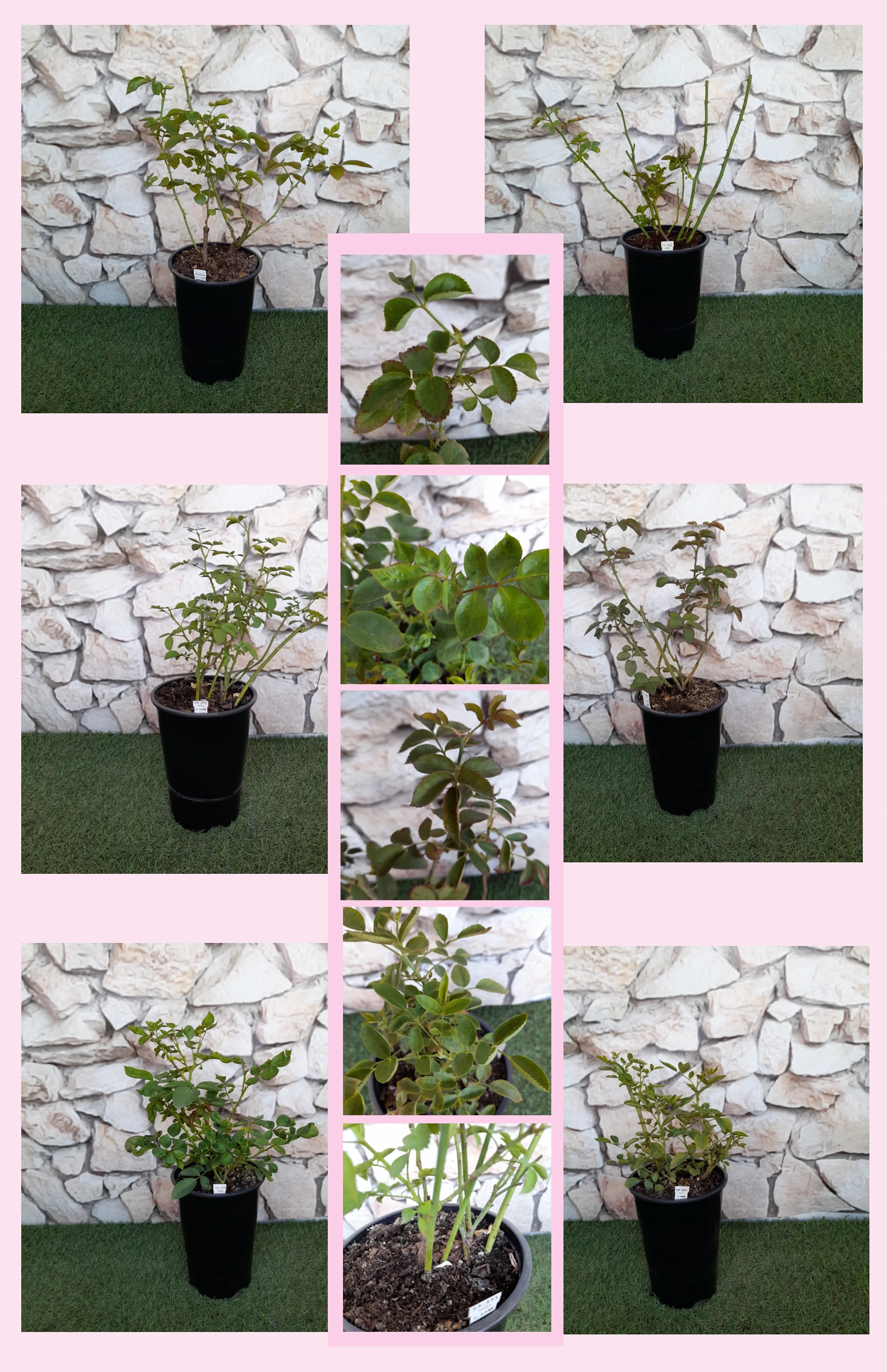
2-litre, own-root, potted rose.
With a shoot system appropriate to the season.
With a root system that thoroughly permeates the growing medium.
Quality compliant with the requirements of the E.N.A. (European Nurserystock Association).
Supplied in unique packaging that prevents damage.
Can be planted during frost-free periods.
True-to-variety rose bush with a unique identifier.

The pharmaROSA® own-root potted rose is a well-rooted plant that supports reliable establishment when planted and cared for properly, so it can be planted whenever the soil is not frozen.


Crop overview: several varieties and growth stages in a short crop section.
Shoot system: intensive growth of fresh basal shoots on a young plant.
Root system: demonstration of a vigorous root system permeating the growing medium, by removing the pot.
Balance: mature plant with root system and shoots in harmony with each other.

Information about the videos
The video series is not a “seasonal showcase”; it illustrates the essence of pharmaROSA® own-root cultivation in a tangible way: how the plant is built up, what the root system is like and how the shoot system regenerates. The recordings were therefore made at different times and with plants at various stages of development, so mixed foliage levels and differing stages of growth may appear in the videos. They are not a ‘sample’ of the batch dispatched, but a visual explanation of how the technology works. The current condition of the rose available to order — typical for the given period and similar to what you can expect to receive in the parcel — is shown in the upper part of the product page.

pharmarosa.compharmarosa.skpharmarosa.ropharmarosa.depharmarosa.co.ukpharmarosa.sipharmarosa.czpharmarosa.atpharmarosa.hrpharmarosa.plpharmarosa.frpharmarosa.nlpharmarosa.espharmarosa.bepharmarosa.iepharmarosa.lupharmarosa.grpharmarosa.bgpharmarosa.lvpharmarosa.ltpharmarosa.itpharmarosa.ptpharmarosa.sepharmarosa.eepharmarosa.fipharmarosa.rupharmarosa.dk

Product types

Pages for private customers
Garden roses for the family garden, with minimal care  → ORIGINAL®
Premium garden roses – instant impact, a truly showpiece garden  → EXTRA®
Pages for professionals and private customers
Roses for public spaces – large areas, sustainable maintenance  → NATURAL®
Roses for projects – hedge and row planting, fast implementation  → RAPID®
For professional partners only
Production – propagation material for garden roses, wholesale  → NEONATAL®

Company details

PharmaRosa Ltd.
Company registration number: 01-09-717479
VAT number: 13075314-2-43
Plant health registration no.: HU130721
Bank account (IBAN):
HU85117631891388688400000000
BIC (SWIFT): OTPVHUHB
Bank name: OTP Bank Nyrt.