Climbing and rambling roses

40-146-1
40-146-2

Parc de la Belle

Climbing rose

- – Jean -Pierre Dittière

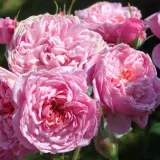
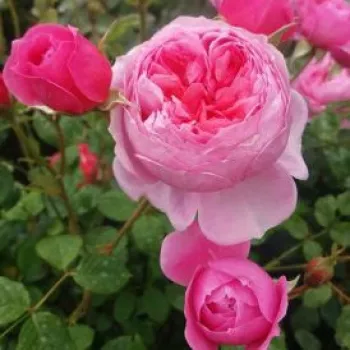
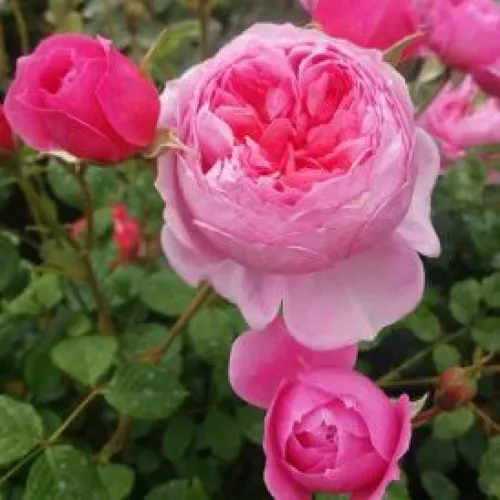
Petals in a delicate, soft pink hue with a subtly warm tone. The colour gradually lightens as the flower matures. - climbing rose, rambling rose - medium-strength, clearly scented rose - fresh, fruity aroma

– Abundant repeat flowering through the season.
– Elegant soft pink blooms with pastel sheen.
– Medium, clearly perceptible fruity fragrance.
– Dense, glossy dark green foliage backdrop.
– Reliable hardiness to about –20 °C (H7).
Special feature: Ideal for walls, pergolas and romantic garden arches.
Soil-conserving approach – Horticultural experience
Parc de la Belle
darinaROSE® ORIGINAL 2-litre own-root potted rose
23,10 £
Unfortunately, we are currently unable to ship to the United Kingdom; we only deliver to countries within the European Union. For more information, please contact us!
3 (3213)
facebook   twitter

PARC DE LA BELLE – pink climbing rose – Dittière

This romantic climbing rose brings a soft, storybook feel to pergolas, archways and cottage-style fences, clothing its supports in clouds of delicately scented, pale pink blooms. The medium, fresh-fruity fragrance adds a gentle background note to afternoon tea outdoors, while its dense, dark green foliage creates a pleasing contrast with the pastel flowers. Own-root plants develop steadily, ensuring a long-lived, reliable presence in the garden with strong regrowth if stems are damaged or pruned hard. Over time, it forms an elegant vertical accent that makes the most of limited space in small and medium family gardens, and performs consistently even in gardens often exposed to brisk seaside breezes and changeable summer weather. You can enjoy its romantic, ball-shaped flowers without complex pruning regimes, simply tying in new shoots where you need height or coverage, letting the plant mature naturally through its first seasons into a stable, easy-to-manage part of your cottage-style border. From planting, expect a calm, gradual establishment – first concentrating on root strength, then building up shoots and finally delivering its full ornamental effect as it settles into your arbour or wall, fitting effortlessly into a relaxed, family-friendly garden layout. Its soft pastel colour palette is simple to coordinate with traditional perennials, and the 2-litre own-root format means you receive a well-started plant that can be set into beds or large containers throughout the main season for dependable, low-fuss coverage. With sensible siting, basic hygiene and the occasional tidy-up of spent blooms, it rewards patient gardeners with years of vertical structure and nostalgic charm in an English-countryside style outdoor retreat.


Usage options

Target areaReasoning
Climbing rose for pergolas and arbours Its 170–260 cm height and flexible climbing habit allow it to drape gracefully over pergolas and arbours, creating a romantic overhead canopy of soft pink, ball-shaped blooms in summer and repeat flushes. Best for those seeking gentle vertical romance, especially beginners.
Space-saving rose for small and medium family gardens The slim 70–110 cm spread and upright climbing form make it ideal where ground space is limited but height is available, giving a strong visual impact without crowding other plants. Perfect for small urban plots wanting cottage charm, particularly homeowners.
Pastel-toned backdrop in a cottage-style border The delicate, pale pink flowers with good colour retention create a soft, unobtrusive background that flatters bolder perennials and traditional hedging, ideal for “girly” English-countryside schemes. Suited to those curating harmonious borders, mainly stylists.
Fragrant seating-area focal point Medium-strength, fresh, fruity fragrance is noticeable without being overpowering, making it well suited near terraces, benches or kitchen-garden seating, enhancing everyday use of the space. Recommended for anyone who values scented relaxation, especially families.
Own-root planting for long-term garden structure As an own-root plant it builds a robust framework that can regenerate from the base after hard pruning or winter damage, supporting a long-lived vertical feature with consistent flowering. Best for those planning for decades of use, particularly planners.
Training along fences, walls or screens Its moderately thorny, pliable stems are easy to fan out against wires or trellis, providing attractive coverage and privacy while keeping maintenance simple: tie in new shoots and deadhead when convenient. Ideal for practical yet romantic screening, mainly neighbours.
Large-container cultivation on patios and balconies In a 40–50 litre or larger container with good drainage, it can be grown as a vertical accent in paved spaces, bringing cottage-garden flowers where soil access is limited; expect strong root building in year one, then increasing flowering and presence by year three. Well suited to space-conscious urban gardeners, especially balcony-owners.
Coastal and wind-exposed gardens With dense foliage and a resilient climbing structure, it copes well where breezes are frequent, helping to soften boundaries and structures in gardens that see gusty, changeable conditions typical of exposed sites near the coast. Designed for weather-aware gardeners, chiefly coast-dwellers.

Styling ideas

  • Pastel Archway – Train PARC DE LA BELLE over a metal arch and underplant with lavender and soft pink foxgloves to frame a cottage-style path – ideal for romantically inclined homeowners.
  • Kitchen-Corner – Grow it against a sunny shed or greenhouse wall with rosemary and chives at its feet, blending productive beds with decorative roses – perfect for kitchen-garden enthusiasts.
  • Cream-&-Blush – Combine its pale pink flowers with white Liatris spicata 'Alba' and silvery foliage plants to create a calm, airy border – suited to lovers of restrained, elegant planting.
  • Patio Pergola – In large 50 litre tubs, let it climb a wooden pergola over a terrace, mixing in scented herbs in smaller pots for an intimate tea corner – appealing to balcony and patio gardeners.
  • Storybook Fence – Weave its stems along a low rustic fence with Persicaria and cottage perennials for a soft, informal boundary – attractive to families seeking a traditional countryside feel.

Technical cultivar profile
ParameterData
Name and registration Climbing rose cultivar from the Parc de la Belle line; current trade name PARC DE LA BELLE – pink climbing rose – Dittière; American Rose Society exhibition name listed as Parc de la Belle.
Origin and breeding Bred in France by Jean-Pierre Dittière, introduced in 2005 through Roseraie Jardirose and associated nurseries; parentage unknown, selected for ornamental climbing use and pastel pink flower colour.
Growth and structural characteristics Climbing growth habit reaching about 170–260 cm in height with 70–110 cm spread; dense, glossy dark green foliage, moderately thorny shoots and relatively flexible canes suitable for training on supports.
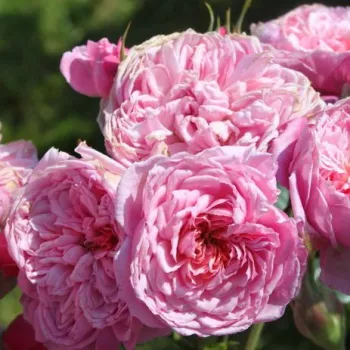
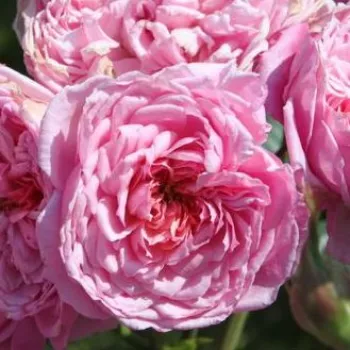
Flower morphology Large, double flowers with about 26–39 petals, ball to pompon shaped, usually borne singly on stems; remontant, with a first flush followed by an abundant second flowering period in suitable conditions.
Colour data and phenology Petals soft pink with a subtly warm tone, coded RHS 65B outside, 65C inside; newly opened blooms are mid-pink, then lighten and gently fade in strong sun while retaining an overall pastel effect.
Fragrance and aroma Medium-strength, clearly perceptible scent described as fresh and fruity; fragrance level remains pleasant around seating areas without becoming overwhelming, especially effective during main flowering flushes.
Hip characteristics Due to its double flowers, hip set is sparse; when present, it forms small spherical hips about 10–14 mm across, coloured red RHS 45A, adding modest late-season interest without prolific seeding.
Resistance and winter hardiness Hardy to approximately –21 to –18 °C (RHS H7, roughly USDA 6b, Swedish zone 3); disease resistance is limited, with sensitivity to powdery mildew and rust and moderate susceptibility to black spot.
Horticultural recommendations Prefers a sunny, well-drained position with training on arches, walls or pergolas; requires regular health checks, timely spraying where necessary and deadheading, plus tying in of new shoots for best coverage.

PARC DE LA BELLE offers romantic pastel flowers, space-saving vertical structure and long-term, regenerating own-root growth, making it a refined choice for those planning a gentle yet enduring garden feature.
Detailed product attributes

Product Identification Data

Product Name: PARC DE LA BELLE – pink climbing rose - Dittière
Product Type: darinaROSE® ORIGINAL - 2-litre own-root potted rose
Cultivar Authenticity: Verified:23.05.2025
Cultivar Quality Rating: premium silver
Item Number: [1148] 40-146 (14.02.2026) darinarose.co.uk

Name and Registration

Meaning of Cultivar Name: The name derives from the Parc de la Belle botanical park in the Poitou region of France.
Cultivar Synonym: Jardibelle
Original Trade Name: Jardibelle
Current Trade Name: Parc de la Belle Climbing rose Dittière
Rose Group: Climber, Large -Flowered Climber
Commercial Type: climbing rose, rambling rose
Commercial Group: Climbing rose
Exhibition Category: climbing rose
Collection: Climbing rose

Origin and Breeding

Initial Distributor: Pépinières Jardirose (France); Pétales -de -Roses (France)
Registration Year: Data not available
Breeder: Jean -Pierre Dittière
Breeding Company / Institution: Roseraie Jardirose; Les Chemins de la Rose
Breeding Year: France, 2005
Parentage: unknown

Growth and Structural Characteristics

Height: 5.6-8.5ft (170-260 cm)
Spread: 2.3-3.6ft (70-110 cm)
Growth Habit: climbing
Foliage: The variety has dense foliage. Its leaves have a glossy surface and a dark green shade (RHS N137A).
Prickliness: moderately thorny
Self-Cleaning Description: Most spent blooms largely remain on the plant and require subsequent cleaning.
Self-Cleaning Intensity: weak self-cleaning

Flower Morphology

Petal Count: 26-39
Flower Fullness: double-flowered
Flower Shape: ball, pompon
Flower Size: L (2,75-3,95 in)
Inflorescence Type: solitary
Colour Code: ARS code: LP RHS code: 65B (outer), 65C (inner)
Repeat Flowering: It is remontant and its second flowering is also abundant.

Colour Data and Phenology

Colour: pink
Flower Colour Description: Petals in a delicate, soft pink hue with a subtly warm tone. The colour gradually lightens as the flower matures.
Closed Bud: Mid-pink with a silky sheen, slightly darker at the tip.
Newly Opened Flower: Uniform mid-pink, with a subtle warm tone on the outer petal whorls.
Full Bloom: Pale pink, with a delicate pastel sheen at the centre of the petals.
Before Fading: Soft, almost powder-pink hue with creamy fading in places.
Colour Fading Description: The pink tone fades over time and in strong sunlight.

Fragrance and Aroma

Fragrance Strength: medium-strength, clearly scented rose
Fragrance Character: fresh, fruity aroma
Pollinator Attraction: Its highly double flower form makes it less attractive to pollinators because the stamens are largely obscured and therefore less accessible.
Pollinator-Friendly Rating: Its double flowers partially cover the stamens, so its pollinator-friendliness is limited; primarily an ornamental variety.

Hip Characteristics

Hip Shape: spherical
Hip Colour: red (RHS 45A)
Hip Comment: Because of its double flowers, rose hip production is generally scant; it occasionally produces globular, red (RHS 45A) hips 10–14 mm in diameter.

Resistance and Hardiness

Hardiness (°C): -21–-18 °C
Heat and Drought Tolerance Description: No explicit data; according to descriptions, it tolerates heat well and withstands moderate drought.
Disease Resistance: sensitive
  • powdery mildew – very sensitive
  • black spot – moderate
  • rust – very sensitive

Horticultural Recommendations

Recommended Planting Distance: for mass planting 80 cm, for hedging 70 cm, as a solitary specimen 130 cm
Planting Density: in square planting 1,6 plants/m², in hexagonal arrangement 1,8 plants/m²
Partial Shade Tolerance: preferably in a sunny spot
Maintenance Requirement: Maintenance requirement high; low disease resistance, requires regular pest and disease control and increased attention.
Primary Uses: flowerbed, park, urban green space, pergola, wall, solitary specimen

Comments

Strengths: Soil-conserving approach – Horticultural experience
Companion Plants: Persicaria sp - red evergreen knotweed Rosmarinus officinalis - rosemary Liatris spicata 'Alba' - white blazing star
Comment: -
PARC DE LA BELLE – pink climbing rose - Dittière
Petals in a delicate, soft pink hue with a subtly warm tone. The colour gradually lightens as the flower matures. - climbing rose, rambling rose - medium-strength, clearly scented rose - fresh, fruity aroma
Rose Shopping Online - climbing rose, rambling rose - Parc de la Belle - pink - (5.6-8.5ft (170-260 cm))
Inflorescence: solitary Height: 5.6-8.5ft (170-260 cm) Flower shape: ball, pompon Winter hardiness: 5b pink - Pépinières Jardirose (France); Pétales -de -Roses (France) climbing rose, rambling rose - Flower size: L (2,75-3,95 in) Flower size: L (2,75-3,95 in) - Height: 5.6-8.5ft (170-260 cm) Height: 5.6-8.5ft (170-260 cm) - Flower fullness: double-flowered Parc de la Belle - Roses in the garden | darinaROSE® Original - premium silver Jean -Pierre Dittière

We showcase the external appearance of the roses available for online purchase from our webshop.


Which product type is right for you?


Information

In what condition do we send the rose from our online webshop?

Let us ask ourselves the question: What do I want to use the rose for?
Flower? - Location? - Cover? - Fragrance? - Height? - Breeder? - Rose hips?

Rose purchase information
Methods of payment - Delivery charges - Delivery - Complaints handling

Care guide

Our product is a rose grown using the unique PharmaRosa® cultivation technology!

2-litre, own-root, potted rose.
With a shoot system appropriate to the season.
With a root system that permeates the growing medium.
Quality in line with the requirements of the E.N.A. (European Nurserystock Association).
In unique packaging designed to prevent damage.
Can be planted at any time during frost-free periods.
True-to-variety rose plant with a unique identifier.

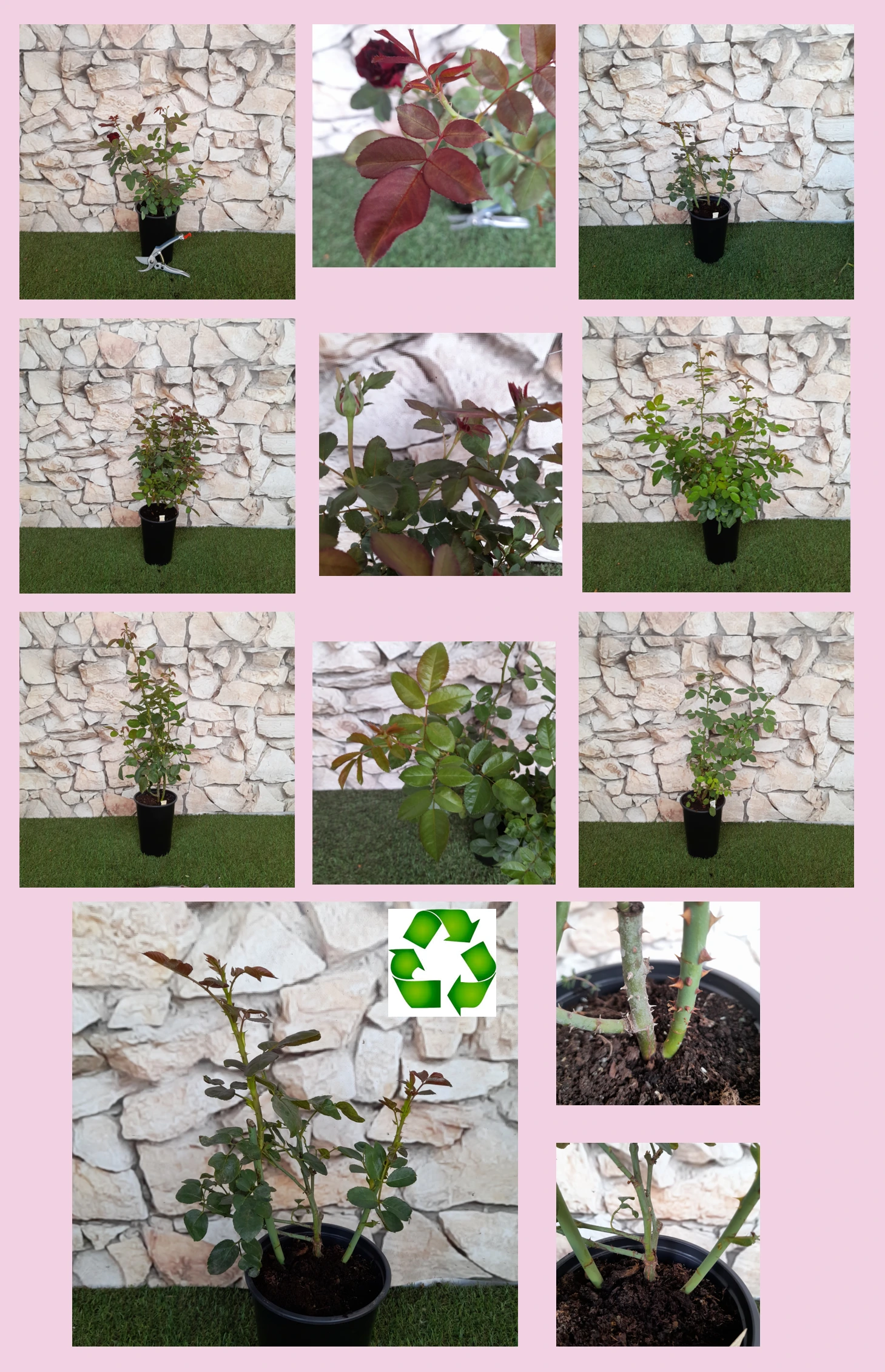
The own-root, potted PharmaRosa® rose is a fully rooted plant that guarantees reliable establishment for you, so it can be planted at any time of the year during frost-free periods.


Crop: several varieties and several stages of development in a short crop section.
Shoot system: intensive growth of fresh basal shoots on a young plant.
Root system: presentation of the strong root system permeating the growing medium, with the pot removed.
Balance: mature plant where the development of the root system and the shoot system is in harmony.

Information about the videos
This video series is not a “seasonal showcase”, but a way of making the essence of own-root PharmaRosa® cultivation tangible: how the plant is structured, what the root system is like, and how the shoot system renews itself. The footage was therefore recorded at different times, showing plants at various stages of development, so mixed leaf cover or differing levels of development may appear in the videos. This is not a “sample” of the consignment delivered, but an illustration of how the technology works. The current condition of the rose You are purchasing, characteristic of the given period (the state in which You can expect to receive it in the parcel), is shown in the upper part of the product page.

pharmarosa.ptpharmarosa.hupharmarosa.dkdenisarose.frfrancescarose.itcharlotterose.bekimrose.nlpharmarosa.skpharmarosa.atpharmarosa.co.ukpharmarosa.czpharmarosa.depharmarosa.ropharmarosa.sipharmarosa.hrpharmarosa.grpharmarosa.iepharmarosa.espharmarosa.plpharmarosa.lupharmarosa.bgpharmarosa.ltpharmarosa.sepharmarosa.lvpharmarosa.eepharmarosa.fipharmarosa.ru

Product types

Pages for private customers
Garden roses for the family garden, with minimal care  → ORIGINAL®
Premium garden roses – instant impact, a truly showpiece garden  → EXTRA®
Pages for professionals and private customers
Roses for public spaces – large areas, sustainable maintenance  → NATURAL®
Roses for projects – hedge and row planting, fast implementation  → RAPID®
For professional partners only
Production – propagation material for garden roses, wholesale  → NEONATAL®

Company details

PharmaRosa Ltd.
Company registration number: 01-09-717479
VAT number: 13075314-2-43
Plant health registration no.: HU130721
Bank account (IBAN):
HU85117631891388688400000000
BIC (SWIFT): OTPVHUHB
Bank name: OTP Bank Nyrt.