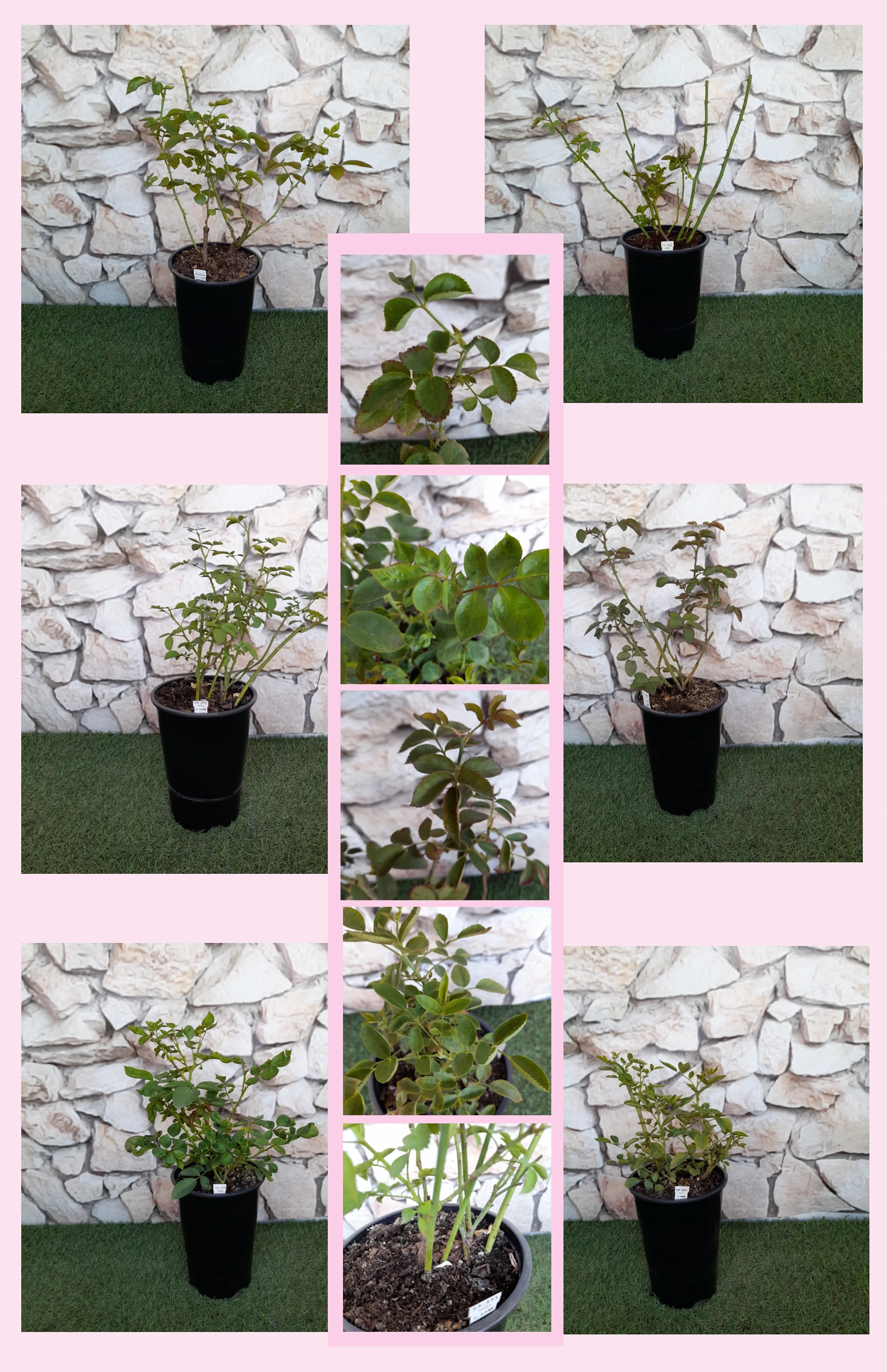
PARADE – deep pink climbing rose - Boerner
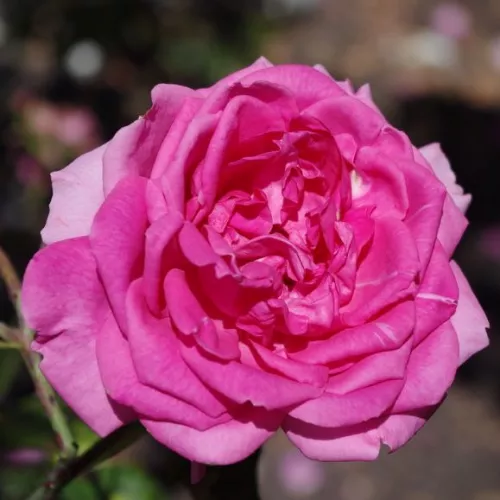
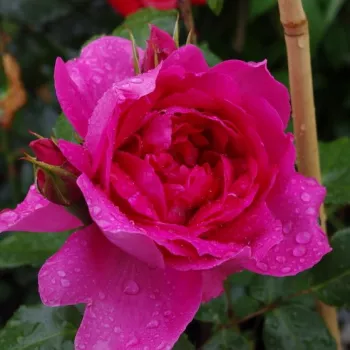
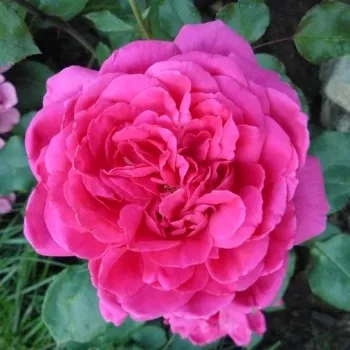
With its deep pink clusters and classic rose perfume, Parade creates a romantic, storybook backdrop for afternoon tea under an arbour, while remaining reassuringly easy to manage. This large-flowered climber clothes pergolas, fences and cottage-garden arches with glossy mid-green foliage and generous flushes of fully double blooms from early summer onwards. Bred from the legendary ‘New Dawn’, it combines sturdy growth with reliable health, suiting typical British family gardens where breezy, damp weather can test lesser roses. As an own-root plant it matures steadily in your soil, forming a durable framework that regenerates well after pruning or mishaps. You can expect a natural progression – first the roots settle, then the shoots lengthen, and by the third season the full ornamental effect emerges, with abundant flowers and a well-covered support. Whether you garden on your own or share the space with children and pets, Parade brings long-term, low-fuss cottage romance structure fragrance colour health longevity ease.
Usage options
| Target area | Reasoning |
|---|
| Arbour or pergola near a seating area |
Parade’s long, flexible canes and dense foliage make it perfect for training over an arbour or pergola, forming a floral ceiling of deep pink, strongly scented blooms to enjoy at sitting height. Ideal for those seeking a cosy, romantic corner for afternoon-tea lovers |
| Family-garden boundary fence |
The tall, climbing habit and good disease resistance help create a long-lived, low-maintenance screen along a fence, softening hard boundaries while staying attractive with minimal spraying or fuss. Well suited to busy households who want privacy for time-poor owners |
| Traditional cottage-garden mixed border |
Clustered, fully double flowers in rich pink blend beautifully with herbaceous perennials, giving vertical accents without demanding intricate care, while own-root vigour means it knits reliably into a cottage-style planting over the years. A natural choice for cottage-style fans |
| Wall or house façade training |
Its strong framework and glossy foliage let you fan it out on wires against a wall, creating a romantic, old-fashioned look with repeat flushes that respond well to simple tie-in and light pruning. Particularly appealing to homeowners wanting character for front-garden impact-seekers |
| Raised bed or improved heavy-clay area |
Parade copes well when planted into improved soil in raised or edged beds, where good drainage and its resilient constitution combine to support steady, long-term growth even in challenging ground conditions typical of many UK plots. Especially useful for gardeners with clay-soil challenges |
| Arched entrance or path tunnel |
The repeat-flowering nature and abundant clusters let you cover an arch or simple tunnel, framing paths in colour through the season with basic annual pruning and tying-in, rather than complex shaping. A rewarding project for those dreaming of storybook-entrance planners |
| Cut-flower corner in a family garden |
Large, cup-shaped blooms on sturdy stems are suitable for cutting, so a single plant can supply scented stems for indoor vases without compromising the overall display outside, adding value in smaller gardens. Ideal for home decorators who appreciate vase-filling gardeners |
| Large container by a terrace or balcony wall |
In a 40–50 litre container with support, Parade can be grown where soil is limited, and its good health plus own-root resilience mean it rebounds well from occasional drying or missed pruning, even in gardens regularly exposed to wind and rain. A practical option for urban-balcony keepers |
Styling ideas
- Arbour Retreat – Train Parade over a wooden arbour with a simple bench beneath, pairing it with lady’s mantle and soft grasses to emphasise scent and intimacy – perfect for reflective afternoon tea drinkers
- Cottage Screen – Use a line of Parade along a fence, interplanted with Knautia macedonica and hardy geraniums to create a romantic, semi-transparent boundary – ideal for families wanting privacy without losing charm
- Kitchen-Garden Arch – Span an entrance to the vegetable patch with a metal arch, letting Parade mingle with climbing beans or sweet peas for colour, fragrance and structure – suited to productive gardeners who love tradition
- Front-Façade Flair – Fan Parade across a sunny house wall above a low hedge of box or lavender, giving a classic village-street look – attractive for homeowners aiming for strong kerb appeal
- Patio Statement – Grow Parade in a 50 litre half-barrel with a sturdy obelisk, underplanting with trailing herbs to bring height, scent and colour to smaller paved spaces – ideal for balcony and courtyard users
Technical cultivar profile
| Parameter | Data |
|---|
| Name and registration |
Parade – large-flowered climbing rose; registered cultivar name ‘Parade’, unregistered with formal registry, marketed as Parade Climbing rose Parade across multiple regions. |
| Origin and breeding |
Bred by Eugene S. Boerner for Jackson & Perkins Co. in the United States, introduced 1953; parentage is a ‘New Dawn’ seedling crossed with ‘World’s Fair’, combining vigour and floriferousness. |
| Awards and recognition |
Holds the RHS Award of Garden Merit for reliable garden performance; winner in the Climber category at the Kansas City Rose Society Show 2001, confirming both ornamental and exhibition value. |
| Growth and structural characteristics |
Strong climbing habit, 300–450 cm high and 200–310 cm spread; dense, mid-green, glossy foliage with moderate prickles; weak self-cleaning so spent blooms benefit from periodic deadheading for neatness. |
| Flower morphology |
Large, fully double, cup-shaped blooms with 26–39 petals, borne in clusters; remontant with abundant second flush, providing repeated displays suitable for both garden enjoyment and cutting for the home. |
| Colour data and phenology |
Deep, vivid pink blooms (RHS 58A outer, 58B inner); buds dark cyclamen-tinged, edges lighten slightly before fading; colour softens a little in strong sun, remaining richer and more intense in cooler conditions. |
| Fragrance and aroma |
Classic rose fragrance with strong, clearly perceptible scent; flowers are primarily ornamental and, due to their full doubleness, offer limited access to pollinators despite their attractive perfume. |
| Hip characteristics |
Hip set is generally sparse; occasionally produces small spherical hips 10–15 mm wide, coloured orange-red (RHS 43A), adding a modest late-season accent without significant ornamental bulk. |
| Resistance and winter hardiness |
Good resistance to powdery mildew, black spot and rust; hardy to approximately −21 to −18 °C (USDA 6b, RHS H7), performing reliably in typical UK winters with routine mulching and basic care. |
| Horticultural recommendations |
Best on sunny supports such as pergolas, fences, walls or arbours; plant 145–270 cm apart depending on use, in well-prepared soil, watering during dry spells and providing annual tie-in and pruning to maintain shape. |
Parade offers richly coloured, strongly scented clusters, dependable disease resistance and long-term, own-root resilience for arbours and walls; a thoughtful choice if you would like a romantic yet straightforward climbing rose.