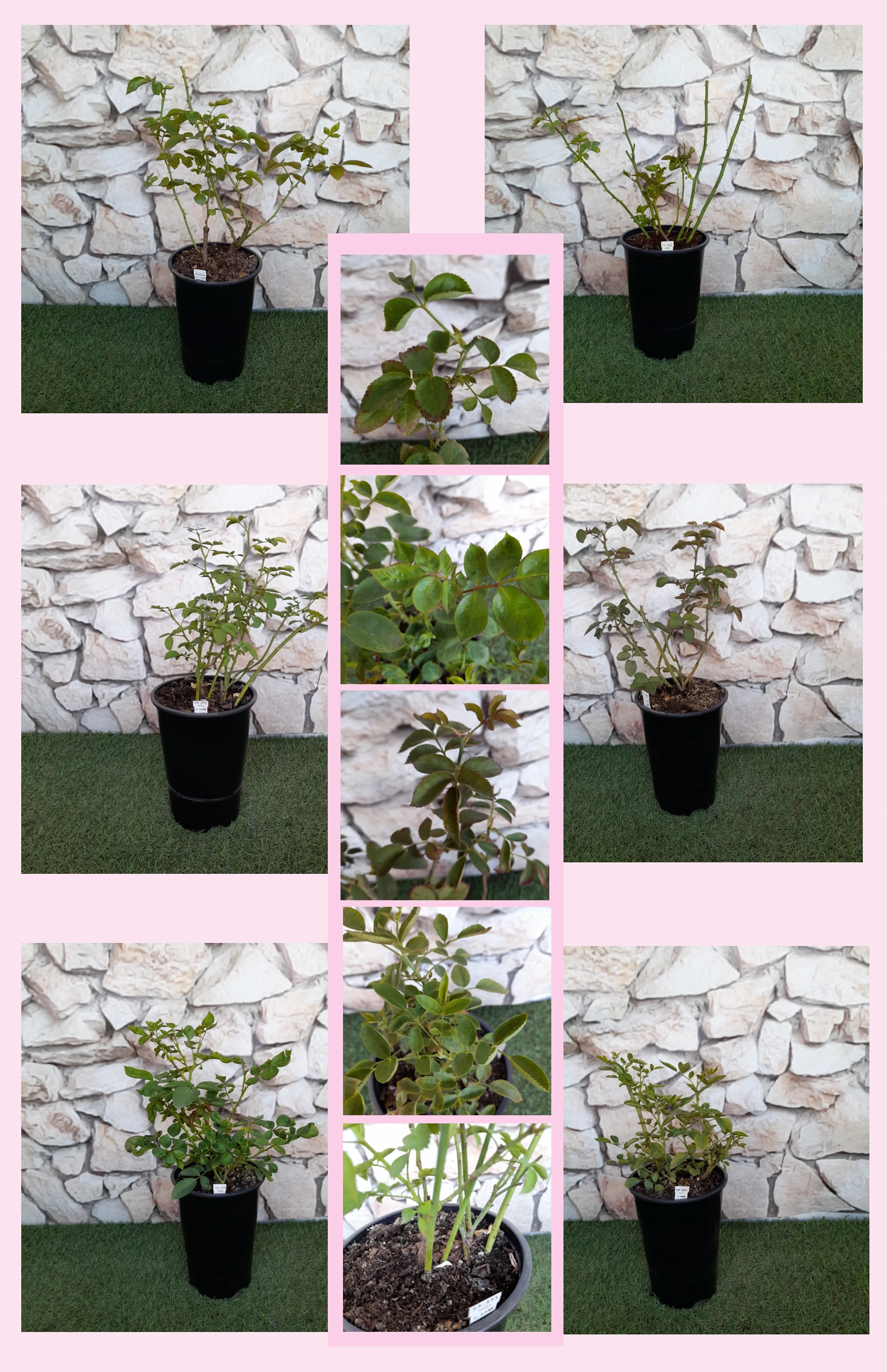
ORCHID MASTERPIECE™ – purple‑pink hybrid tea rose – Boerner
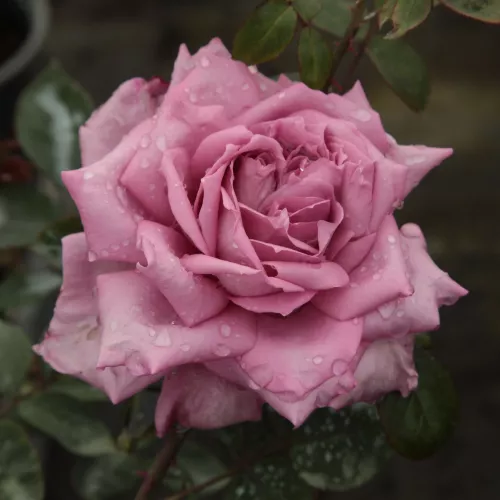
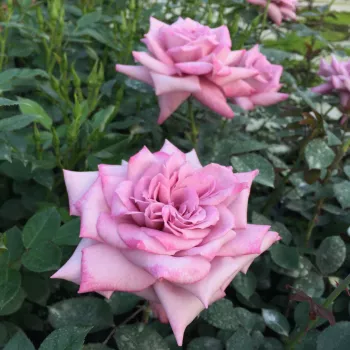
Indulge in the romantic charm of ORCHID MASTERPIECE™, a classic hybrid tea rose whose orchid‑lilac blooms bring an instant cottage atmosphere to even the smallest family garden. Large, very full, cupped flowers in a refined lilac‑pink tone open one by one on long, elegant stems, ideal for cutting to enjoy indoors during unhurried afternoon tea. The medium, fruity fragrance feels quietly luxurious rather than overpowering, while the upright, moderately spreading habit makes it easy to position as a specimen, in a bed, or along a path. As an own‑root plant it establishes steadily and lives for years, regenerating well so its outline remains graceful with relatively little intervention. It copes reliably with typical British weather, even in breezier spots where strong winds and passing showers are frequent, provided the soil is reasonably drained. In its pharmaROSA® ORIGINAL 2‑litre form you receive a well‑rooted, container‑grown rose that slips simply into existing borders, with the natural rhythm of Year 1 settling roots, Year 2 building shoots, and Year 3 revealing its full, storybook display as part of your long‑term garden plan.
Usage options
| Target area |
Reasoning |
| Feature rose for classic cottage borders |
The upright, moderately spreading habit and large, very full blooms make ORCHID MASTERPIECE™ a strong focal point in cottage‑style mixed borders. Its lilac‑pink colour partners well with traditional perennials and soft hedging, and own‑root resilience supports a long‑term, low‑fuss border for the romantic‑garden homeowner. |
| Cutting bed near a terrace or seating area |
Long, straight hybrid tea stems and solitary goblet blooms are perfect for cutting without spoiling the overall display, so you can bring fragrant flowers indoors regularly. Plant in a sunny strip close to a terrace for easy access and enjoy its medium, fruity scent over relaxed teas, ideal for the flower‑loving family. |
| Specimen rose as a lawn or path accent |
Planted singly at 80–85 cm spacing, its elegant, upright shape and distinctive orchid‑toned flowers stand out against simple lawn or gravel. This makes a refined yet undemanding highlight near entrances or along paths for the style‑conscious householder. |
| Paired planting with low evergreen structure |
Moderately dense, dark green foliage contrasts beautifully with rounded evergreen forms, giving year‑round structure even when the rose is out of flower. This dependable framework suits small to medium family gardens seeking order without fuss for the busy‑gardener owner. |
| Season‑long colour in family flower beds |
With remontant, abundant second flowering, it offers repeated flushes of colour through the season rather than a single show. Regular deadheading keeps the plants neat and encourages more buds, rewarding minimal routine care for the time‑poor beginner. |
| Long‑term planting in established borders |
As an own‑root rose, ORCHID MASTERPIECE™ builds a stable framework over the years and tends to regenerate well from the base if damaged or pruned hard, supporting long planting schemes and family gardens that evolve slowly with the future‑minded planner. |
| Roses in exposed, showery UK sites |
Once established in reasonably drained soil, this variety anchors well and copes reliably with typical British shifts between showers, breezes and cooler spells, suiting many suburban plots and slightly exposed gardens for the coastal‑edge resident. |
| Large decorative containers on patios |
In a 40–50 litre or larger container with quality compost and good drainage, its upright habit and generous blooms create a romantic focal point for small patios or urban gardens, offering high ornamental value in limited space for the balcony‑patio gardener. |
Styling ideas
- Pastel Harmony – Combine ORCHID MASTERPIECE™ with soft pink and cream roses plus airy grasses to create a gentle, blended border – ideal for cottage‑style enthusiasts seeking calm elegance.
- Kitchen‑Garden – Edge a productive plot with this rose, underplanting with chives and lavender so cutting stems for the table feels part of everyday cooking – perfect for home‑grown‑food lovers.
- Twilight‑Lilac – Pair the lilac‑pink blooms with mauve salvias and dusky catmint for a moody evening palette that still feels romantic – suited to after‑work gardeners who unwind outdoors.
- Evergreen‑Frame – Plant in front of low box or Ilex crenata balls so blooms rise from a tidy green base, keeping structure even in winter – good for families wanting order with minimal upkeep.
- Patio‑Salon – Grow one or two plants in large terracotta tubs beside seating, with trailing thyme at the rim, to enjoy fragrance over afternoon tea – aimed at urban terrace owners craving a small sanctuary.
Technical cultivar profile
| Parameter |
Data |
| Name and registration |
Hybrid tea rose, registered as Orchid Masterpiece, marketed as ORCHID MASTERPIECE™; ARS approved exhibition name Orchid Masterpiece; unregistered for formal registration year data. |
| Origin and breeding |
Raised by Eugene S. Boerner, Jackson & Perkins Co., United States, from ‘Golden Masterpiece’ × ‘Grey Pearl’ seedling; bred and introduced around 1960 by Jackson & Perkins. |
| Growth and structural characteristics |
Upright, moderately spreading habit, about 100–140 cm high and 60–90 cm wide; moderately dense, dark green, slightly glossy foliage; moderately thorny stems with classic hybrid tea structure. |
| Flower morphology |
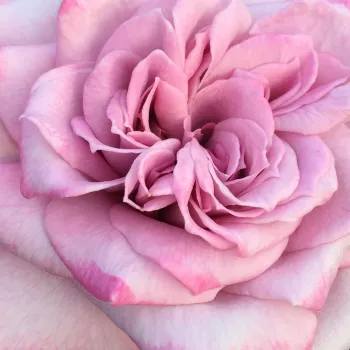
Large, solitary, goblet‑shaped blooms, typically 40+ petals and very full; hybrid tea form on long stems; remontant with abundant second flush; flowers best in sunny positions with regular deadheading. |
| Colour data and phenology |
Orchid‑purple to lilac‑pink tones (RHS 76A, 75C); buds dark orchid‑purple, opening pale orchid‑lilac with deeper mauve edge; ageing to muted greyish lilac‑pink with a subtle silvery sheen before petals drop. |
| Fragrance and aroma |
Medium strength, sweet fruity aroma characteristic of quality hybrid teas; fragrance noticeable at close range and in cut blooms indoors; not overpowering, suited to seating areas and floral arrangements. |
| Hip characteristics |
Hips are not a notable ornamental feature on this variety; very full, double flowers and common deadheading reduce hip formation, so autumn colour from fruit cannot be relied upon in most gardens. |
| Resistance and winter hardiness |
Hardy to around −21 to −18 °C (RHS H7, USDA 6b, Swedish zone 3); moderate heat and drought tolerance, needs watering in long dry spells; disease resistance moderate, may need protection in humid seasons. |
| Horticultural recommendations |
Best in sunny, well‑drained soil; plant 55 cm apart in beds, 45 cm in hedging, 85 cm as specimens; maintenance moderate with occasional plant protection and manual deadheading to sustain flowering. |
ORCHID MASTERPIECE™ offers romantic lilac‑pink blooms, reliable repeat flowering and a long‑lived, regenerating own‑root framework, making it a cultured choice for gardeners seeking enduring beauty with measured effort.