ORANGE DAWN – orange climbing rose – Warner
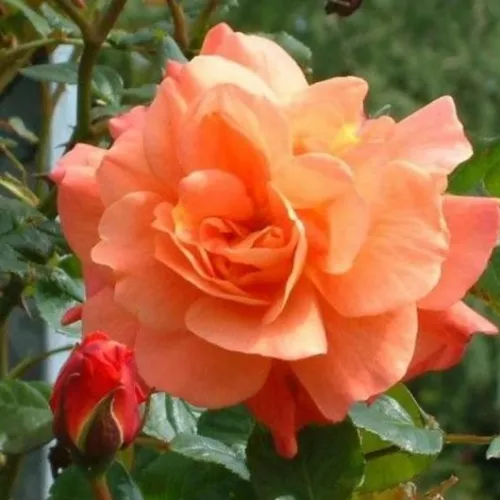
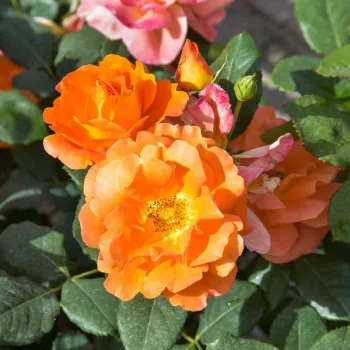
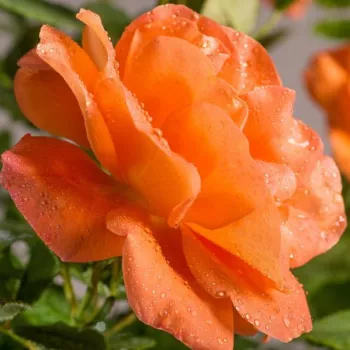
Training this own-root climber over an arch or pergola quickly creates a romantic focal point, with softly cupped orange blooms that bring an inviting, cosy feel to everyday family gardens. Its medium maintenance needs are manageable for busy households, while the rose’s solid hardiness means it copes reliably with British winters and summers that bring strong winds and driving rain near exposed coasts. The citrus-toned fragrance is gentle enough for close seating areas yet still adds a subtle sensory layer to afternoon tea outdoors. As an own-root plant it matures steadily, offering dependable structure and a reassuringly long lifespan that suits permanent features such as arbours and walls. Over the first few years it settles in with a clear rhythm: first strengthening its roots, then building up new shoots, and finally revealing its full ornamental presence as a mature climber. Its generous repeat flowering offers a prolonged display from early summer well into autumn, with warm, clear orange blooms that read beautifully against cottage-style planting and mid-green, slightly glossy foliage that keeps the overall effect balanced rather than overpowering.
Usage options
| Target area | Reasoning |
|---|
| Rose arch over a garden path |
Ideal where you want classic cottage-garden romance without complex training; the moderate height and flexible canes are easy to guide over a standard arch, and the remontant habit keeps the arch in flower for much of summer and early autumn – perfect for those who love traditional garden structure but prefer straightforward care for busy owners. |
| Pergola beside a seating or tea area |
The mild citrusy fragrance remains comfortable at close quarters, while the vivid yet warm orange tones create an intimate, storybook atmosphere around benches or outdoor dining tables, enhancing afternoon tea moments beneath dappled shade in a low-fuss way for romantic gardeners. |
| Sunny house wall or garage façade |
Suited to being trained as an espalier against brick or rendered walls, its strong hardiness and good heat tolerance allow it to handle reflective surfaces, provided basic watering is maintained in longer dry spells, so homeowners gain long-term colour with limited intervention for practical planners. |
| Raised bed or improved clay border |
Works well where soil has been opened up or raised above heavy clay, with the own-root system anchoring steadily over time and supporting a long-lived framework that responds well to rejuvenation pruning if needed, suiting families wanting robust, low-drama planting for small gardens. |
| Large container (minimum 40–50 litres) |
Can be grown in a generous pot on patios or balconies when given a sturdy support; own-root growth ensures the plant recovers well from occasional drought stress or pruning adjustments, providing an adaptable vertical accent for urban residents. |
| Mixed cottage border with low hedging |
The clear orange clusters sit attractively above low box or similar edging, adding height and colour without overwhelming neighbouring perennials; its moderate vigour makes it easier to keep in balance than very vigorous ramblers, appealing to those curating a gentle, “girly” cottage feel for style lovers. |
| Feature climber in a small to medium family garden |
With a mature height around 2–3 m and a spread of 1.2–2 m, it offers impressive yet manageable scale for typical UK plots, building from rooting to shoot growth and finally full ornamental effect over its first three seasons, which suits patient but time-pressed home gardeners. |
| Coastal or wind-exposed positions with shelter |
Suitable where summers combine sun with brisk winds and occasional driving rain, provided a fence, trellis or pergola gives basic windbreak and good anchoring; this makes it a dependable choice in many seaside or open-suburban settings for coastal dwellers. |
Styling ideas
- Tea-Arbour Glow – Train ORANGE DAWN over a simple wooden arbour, underplant with lavender and soft pink geraniums to soften the posts, ideal for those creating a romantic tea corner for weekend relaxation – cottage-style enthusiasts
- Kitchen-Garden Screen – Use along a wire-trained frame bordering a vegetable patch, pairing with bupleurum and herbs to echo the warm orange tones, perfect for gardeners who like productive plots with decorative structure – practical food-growers
- Front-Door Welcome – Frame a doorway or porch with the climber supported on trellis, combined with dwarf box edging in containers, suited to homeowners wanting a smart yet homely first impression – busy families
- Sunset Terrace – Plant in a 50-litre container on a sunny terrace, guiding stems up a metal obelisk and surrounding with muted grasses, for urban owners seeking vertical colour without permanent ground works – balcony and patio gardeners
- Storybook Fence – Let it climb along a timber fence mixed with blue ceanothus and white perennials for a soft, painterly palette, aimed at those looking to turn a plain boundary into a romantic backdrop – visual romantics
Technical cultivar profile
| Property | Data |
|---|
| Name and registration |
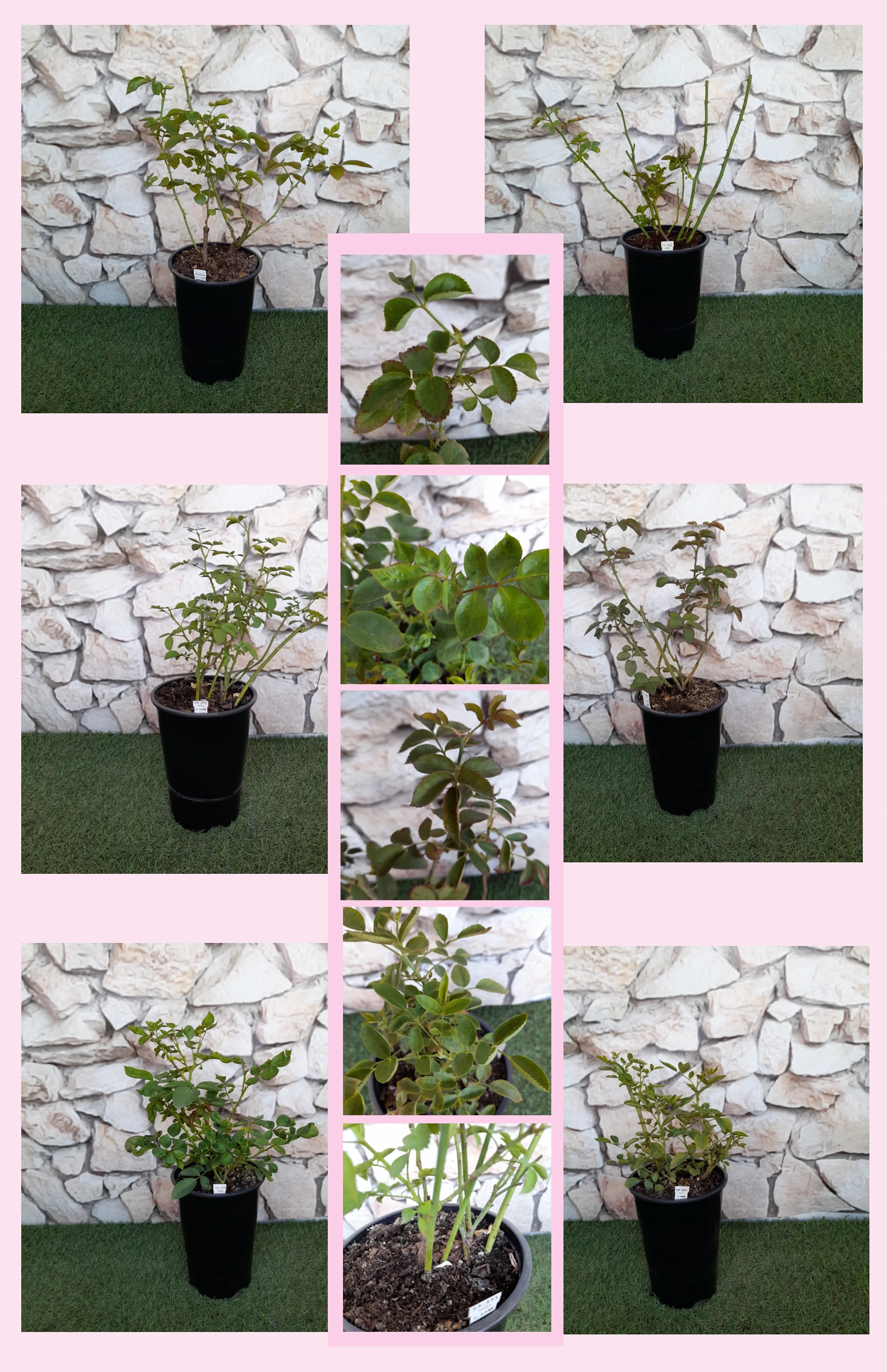
Climbing large-flowered rose marketed as ORANGE DAWN, registered as CHEworangedawn; commercial type and group: climbing rose; supplied here as a verified, own-root darinaROSE ORIGINAL 2-litre plant. |
| Origin and breeding |
Bred by Christopher H. Warner (United Kingdom) from ‘Dawn Chorus’ × unknown seedling; bred 2006, registered 2006, first introduced 2007 via Rosen-Union e.G. in Germany, now available for UK gardens. |
| Awards and recognition |
Recognised at New Zealand Rose Trials with a Certificate of Merit in 2006, and later selected as Best Climber at the Hamilton New Zealand Rose Trials in 2011, confirming its garden performance and ornamental value. |
| Growth and structural characteristics |
Large-flowered climber with 2.0–3.0 m height and 1.2–2.0 m spread; moderately thorny canes, mid-green slightly glossy foliage of medium density, suited to arches, pergolas, walls and trained supports in family gardens. |
| Flower morphology |
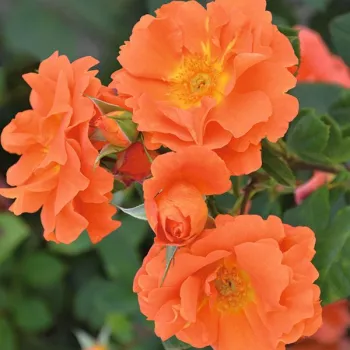
Clusters of double, cupped blooms with 26–39 petals and large flower size; remontant habit with an abundant second flush, providing repeated displays over the season when grown in suitable soil and given normal care. |
| Colour data and phenology |
Clear vivid orange flowers (ARS OB; RHS 34A outer, 31B inner) shifting from deeper buds to softer tints as they open; moderate colour retention with some paling in strong sun, yet overall maintaining a warm, glowing effect. |
| Fragrance and aroma |
Mild citrus fragrance with subtle orange-peel character, noticeable at close range without overpowering nearby seating; not primarily selected for scent but adds a pleasant extra dimension in pergola or arch plantings. |
| Hip characteristics |
Due to the fully double blooms, hip set is generally limited; occasional small spherical orange-red hips 8–12 mm may form, offering modest seasonal interest without significant self-seeding issues in the border. |
| Resistance and winter hardiness |
Hardy to approximately –26 to –23 °C (RHS H7, USDA 5b, Swedish Zone 4); disease resistance medium to main foliar diseases, and tolerates summer heat well, needing additional watering only during prolonged dry periods. |
| Horticultural recommendations |
Best on improved, well-drained soil with full sun or light shade; plant 1.4–2.5 m apart depending on use, provide a firm support, and apply occasional plant protection where disease pressure is high in humid regions. |
ORANGE DAWN Climbing rose CHEworangedawn offers warm repeat-flowering colour, manageable climber size and enduring structure from its own-root form; a thoughtful choice if you wish to build a long-lived, romantic feature.