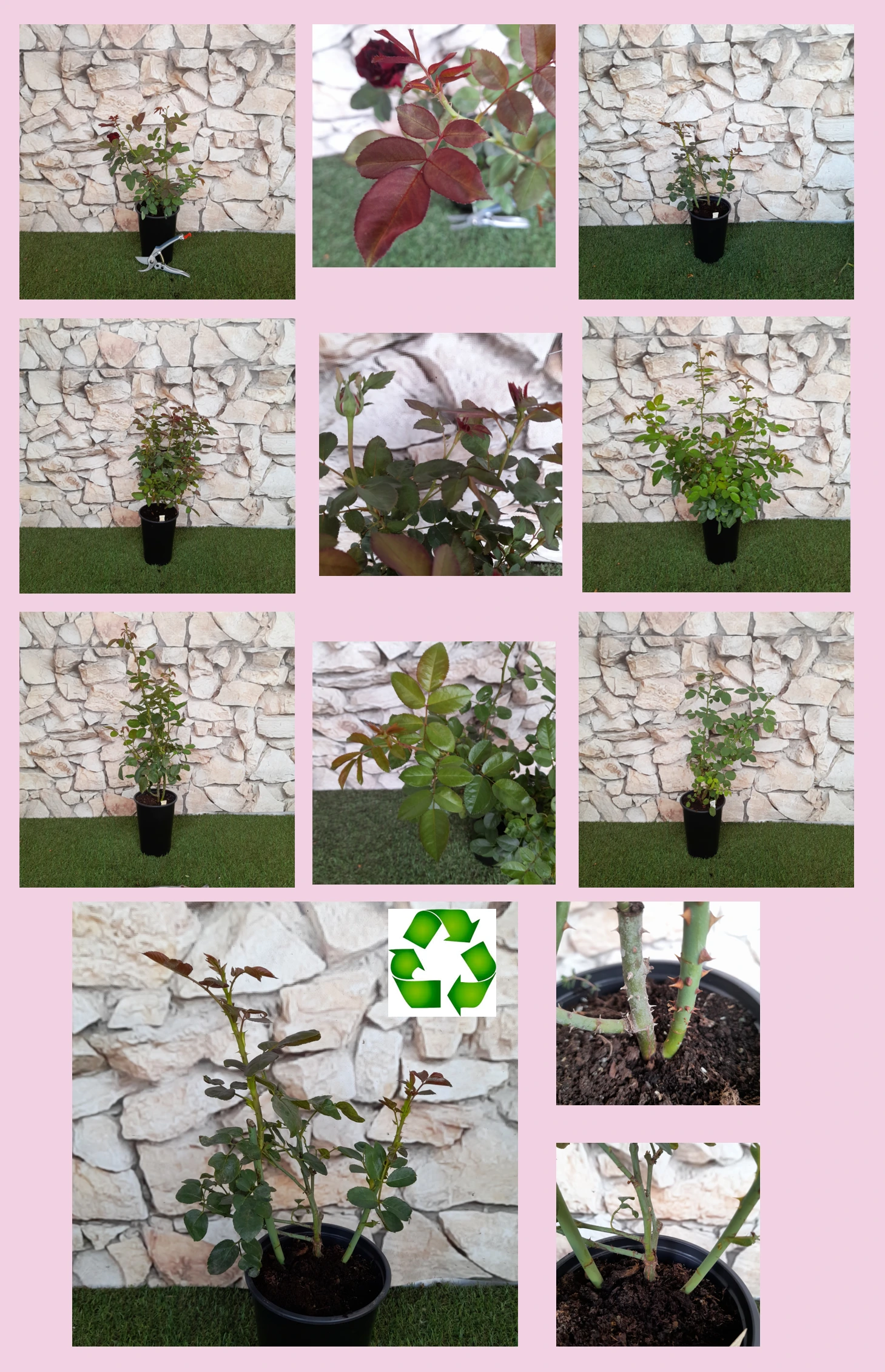
ORANGE AMORINA – orange landscape shrub rose – De Ruiter
Bring a touch of storybook romance to your garden with ORANGE AMORINA, an easy-going modern shrub rose bred for families who want colour rather than chores. Its bushy, upright habit and repeat-flowering clusters of mandarin-orange blooms create a soft, cottage feel that works beautifully in mixed borders, hedging lines and relaxed kitchen-garden spaces. The single, open flowers reveal warm golden stamens, inviting bees and other pollinators, while the tidy, self-cleaning habit keeps beds fresh-looking without constant deadheading. Own-root plants build strength year after year, giving long-lived reliability and easy recovery even if shoots are cut back hard or nipped by frost. Well-suited to gardens that see blustery showers and brisk breezes by the sea, it holds its colour and form without fuss. With good disease resistance, low maintenance needs and a gentle citrus fragrance, this versatile shrub slots comfortably into everyday planting plans. Expect a quietly confident development: first strong roots, then fuller shoots, and by the third year a settled, glowing presence in your garden.
Usage options
| Target area | Reasoning |
|---|
| Front or middle of mixed cottage border |
Compact, bushy growth and repeat-flowering clusters give a long season of bright orange colour without overwhelming nearby perennials. The self-cleaning habit keeps borders neat even when you do not have time to deadhead regularly, making it ideal for relaxed cottage schemes and time-poor gardeners seeking low-fuss charm for the family. |
| Small family garden focal shrub |
At around 60–85 cm high, this rose makes an attractive, eye-level feature without blocking light or views across a modest lawn or patio. Own-root vigour translates into steady, long-term performance, even if children’s games or periodic hard pruning knock it back, giving reassurance that the plant will reshoot strongly for homeowners. |
| Informal low hedge or path edging |
Planted at the recommended close spacing, its upright, bushy habit knits into a low, glowing line of orange that guides the eye along paths and around kitchen-garden plots. The combination of good disease resistance and moderate thorniness suits unfussy, practical hedging that still looks romantic for traditionalists. |
| Sunny terrace in a large container |
In a 40–50 litre or larger pot, ORANGE AMORINA forms a dense, upright shrub that flowers repeatedly through summer, bringing colour right up to the seating area. Own-root resilience supports long life in containers where grafted plants can struggle, especially after winter or repotting, which is reassuring for balcony and patio beginners. |
| Urban front garden or street-facing bed |
This variety tolerates heat, reflected light and moderate air pollution, holding up well beside pavements, parking spaces and sun-trapping walls. With low feeding and pruning needs, it thrives in busy households where gardening time is short, yet still offers tidy structure and colour that enhance kerb appeal for city and suburban residents. |
| Pollinator-friendly corner in a family plot |
The simple, single flowers with exposed stamens are easy for bees and hoverflies to use, while repeat flushes extend the foraging season. Children can watch visiting insects close-up without braving a thicket of thorns, helping to weave wildlife interest into a pretty, manageable family garden for nature-minded parents. |
| Coastal or breezy, rain-exposed site |
Firm, upright stems and moderately dense foliage cope well with wind and passing showers, keeping flowers presentable rather than bedraggled. Good overall disease resistance under typical UK humidity helps reduce spraying or complex care, suiting open, weather-exposed plots for practical, low-maintenance gardeners. |
| Low-care rose bed or park-style planting |
Designed as a landscape shrub, ORANGE AMORINA performs reliably in simple, massed schemes with minimal individual attention. The development from strong root system in year one to fuller top growth in year two and a mature, colourful display by year three suits patient planners and long-term-minded owners. |
Styling ideas
- Cottage-Ribbon Border – weave ORANGE AMORINA through a border of campanulas and hardy geraniums to create a soft, low, orange-and-blue ribbon beside the lawn – ideal for lovers of informal English-country style.
- Kitchen-Garden Edge – line veg beds with this rose and underplant with herbs such as chives and thyme for a productive, bee-friendly edging that still looks pretty when crops are finished – perfect for kitchen-garden enthusiasts.
- Warm Sunset Scheme – combine with bronze grasses and dusky salvias for a glowing sunset palette that stays interesting from summer into autumn – suited to homeowners wanting a romantic yet modern twist.
- Front-Gate Welcome – plant a pair in large pots by the gate or front door so repeat-flowering orange blooms and citrus fragrance greet visitors – appealing to busy urban residents seeking easy kerb appeal.
- Child-Friendly Wildlife Corner – cluster ORANGE AMORINA with airy perennials and a small insect hotel so children can watch bees and butterflies around the open flowers – designed for families encouraging gentle nature discovery.
Technical cultivar profile
| Property | Data |
|---|
| Name and registration |
ORANGE AMORINA is a modern shrub rose marketed as an orange landscape shrub rose, verified for authenticity and supplied as a garden rose within the bed rose commercial group. |
| Origin and breeding |
Bred and introduced by De Ruiter Innovations B.V. in the Netherlands, with parentage not specified but selected primarily for landscape reliability, abundant flowering and straightforward garden performance. |
| Growth and structural characteristics |
Forms a bushy, upright shrub approximately 60–85 cm high and 50–70 cm wide, with moderately dense, mid-green, slightly glossy foliage and moderate prickliness suited to beds, edging and small-scale hedging. |
| Flower morphology |
Produces medium-sized, single, flat blooms with about 5–12 petals in clustered trusses, flowering in generous flushes and repeating well so that both early and later displays remain attractively abundant through the season. |
| Colour data and phenology |
Buds open deep orange-red, shifting to vibrant mandarin, then soft peach-orange with creamy edges; colour can lighten in strong sun, but overall gives a clear, cheerful orange effect over a long flowering period. |
| Fragrance and aroma |
Offers a clearly perceptible, medium-strength scent with a fresh orange-citrus character, adding sensory interest around seating areas, paths and entrances without becoming overpowering in smaller family gardens. |
| Hip characteristics |
Develops moderate quantities of small, ellipsoid hips, roughly 10–14 mm across and coloured orange-red, adding a subtle decorative note and seasonal interest after flowering if deadheading is allowed to lapse. |
| Resistance and winter hardiness |
Shows good resistance to powdery mildew and black spot, moderate rust susceptibility, and hardiness down to about −21 °C (RHS H7, USDA 6b), with reliable performance in typical UK winters given reasonable drainage. |
| Horticultural recommendations |
Prefers a sunny position with improved, free-draining soil; space plants 35–65 cm depending on use, water well in dry spells, and keep pruning and feeding light for an attractive, low-maintenance, long-lived shrub. |
ORANGE AMORINA offers compact, repeat-flowering colour, reliable disease resistance and own-root longevity in an easy-care shrub rose, making it a thoughtful choice for relaxed family gardens and cottage-style borders.