OMBREE PARFAITE – crimson-purple historic Gallica rose – Vibert
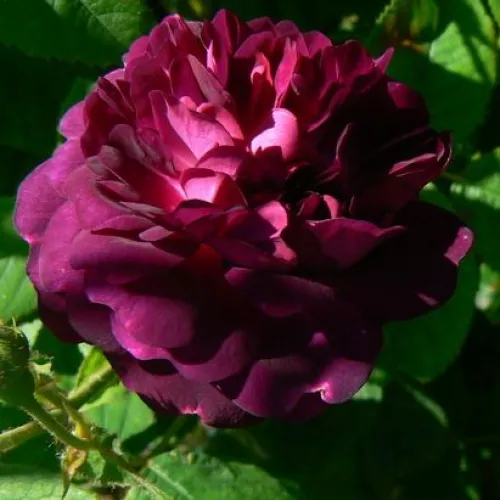
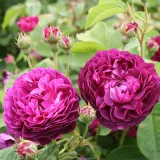
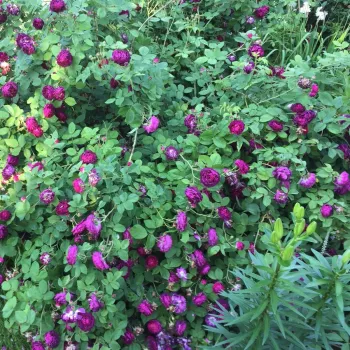
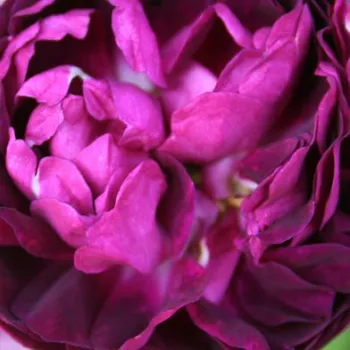
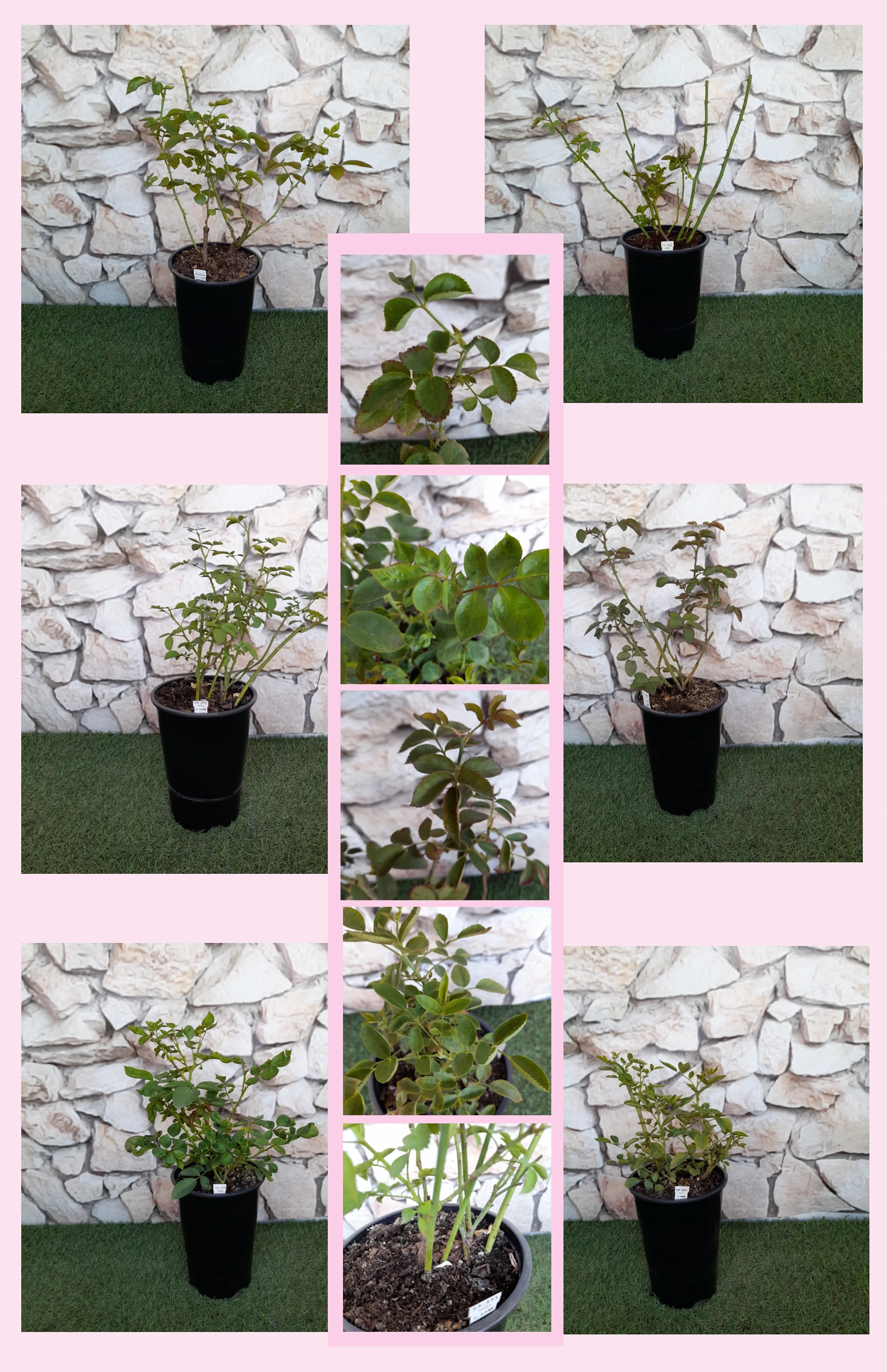
Bring a touch of storybook romance to your garden with OMBRÉE PARFAITE, a once-flowering historic Gallica rose whose rich crimson‑purple blooms slowly soften to smoky mauve tones, creating an evocative atmosphere around summer seating areas and cottage-style borders. This bushy, upright shrub forms a dense, moderately leafy framework ideal for informal hedges and mixed beds, with a slightly thorny character that still feels welcoming in a family setting. Its strong, classic old-rose fragrance suits the mood of afternoon tea beneath an arbour, while good winter hardiness and tolerance of typical British conditions, even in more exposed sites where winds and wet spells are common, help keep its structure reassuringly reliable year after year. Supplied in a manageable 2‑litre container as an own-root plant, it establishes steadily and naturally for a long garden life, developing first its underground strength, then fuller top growth, and finally its complete ornamental charm over the first three seasons. With medium maintenance needs and only occasional pest attention, it offers an easy way to add character to clay or chalk soils in a traditional scheme, especially when teamed with airy perennials for a natural transition between formal and wild areas. Suitable for partial shade and happy in a large container, it gives you flexible options to place this heritage treasure exactly where it will be most enjoyed in everyday family life, turning even an average-sized plot into a little corner of rural France.
Usage options
| Target area |
Reasoning |
| Cottage-style mixed border near a terrace |
Once-flowering but generous clusters of crimson‑purple blooms create a dramatic summer focal point beside seating, with strong old-rose fragrance drifting towards the terrace at tea time, perfect for those who value seasonal spectacle and atmosphere in a relaxed space for beginners. |
| Informal flowering hedge along a boundary |
Its bushy, upright habit and recommended hedge spacing of about 105 cm allow you to build a traditional, slightly loose hedge that screens views while remaining friendly to live with, ideal if you prefer a classic look without the formality of clipped evergreens for homeowners. |
| Feature shrub in a small family lawn or play area |
Reaching around 85–135 cm, this moderately dense shrub fits comfortably into average UK family gardens, anchoring the lawn without overwhelming it, and its slightly thorny stems are easier to manage than very prickly roses for families who still want romance around safe play for families. |
| Large container on a patio or near a doorway |
Planted in a generous 40–50 litre pot with good drainage, it brings heritage charm and strong perfume right to the house, while the own-root form supports a long container life with minimal fiddly care, suiting busy people who want dependable impact from limited hardstanding space for urbanites. |
| Partially shaded corner of a cottage garden |
Tolerant of partial shade, it keeps colour and character where many roses struggle, so you can soften the edge of sheds, fences or outbuildings and still enjoy a rich palette, particularly useful where taller trees or neighbouring houses cast light but shifting shade for gardeners. |
| Traditional rose bed with heritage varieties |
As a historic Gallica bred in France in 1823, it belongs naturally among other old roses, offering a distinctive smoky mauve‑purple fade and strong fragrance, making it a fine centrepiece for a collection that values continuity, authenticity and long-term structure in a small space for collectors. |
| Raised bed or improved clay border |
Its adaptable roots and robust shrub framework respond well to improved, free‑draining clay in raised beds, giving a stable, long-lived presence in typical heavy UK soils and coping with coastal winds and rain when sited sensibly, appealing to those facing challenging ground conditions for owners. |
| Low‑maintenance, long‑term planting scheme |
With medium maintenance needs and an own-root constitution that regenerates well from the base, this shrub offers a reassuringly long lifespan and stable shape, ideal when you want to plant once, allow it to settle and simply enjoy a reliable, evolving garden picture over the years for planners. |
Styling ideas
- Twilight Hedge – Plant a loose row along a path, underplant with feverfew and airy grasses to echo the smoky mauve fade; for family buyers wanting a soft, traditional boundary.
- Arbour Retreat – Train several shrubs near a rustic bench or rose arch, adding white Liatris and soft lavender for scent layers; for romantics dreaming of afternoon tea corners.
- Cottage Patchwork – Mix in a border with pink gypsophila, foxgloves and herbs to create a relaxed cottage tapestry; for hobby gardeners building a storybook kitchen garden feel.
- Patio Heritage – Grow one specimen in a 50 litre terracotta pot with trailing thyme and violas at the base; for busy urban owners wanting old-rose charm on limited paving.
- Summer Island – Use as the focal shrub in a lawn island, surrounded by low catmint and white daisies for contrast; for beginners seeking a simple, high-impact feature bed.
Technical cultivar profile
| Attribute |
Data |
| Name and registration |
Historical Gallica shrub rose marketed as OMBRÉE PARFAITE – crimson-purple historic Gallica rose – Vibert; heritage rose collection type, unregistered cultivar name, premium bronze quality rating. |
| Origin and breeding |
Raised by Jean‑Pierre Vibert in France around 1823, derived from Rosa gallica × Rosa centifolia; represents classic early nineteenth‑century breeding, distributed as a traditional historical garden rose. |
| Growth and structural characteristics |
Bushy, upright shrub about 85–135 cm high and 95–160 cm wide, moderately dense mid‑green matte foliage, slightly thorny shoots, suited to beds, hedging and larger containers in family gardens. |
| Flower morphology |
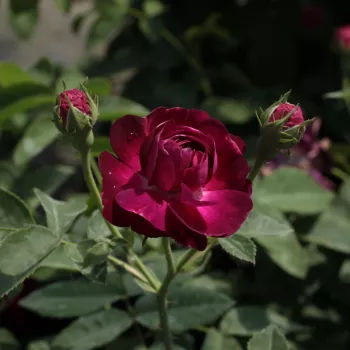
Medium-sized, very double, cup-shaped blooms, typically 40+ petals in clustered inflorescences; non-remontant, producing a single main flowering flush that offers concentrated seasonal display. |
| Colour data and phenology |
Deep crimson‑purple buds (RHS 77A outer, 79B inner) open rich purple, then shift to smoky mauve and eventually dull violet-brown; colour fades faster in strong sun yet generally shows very good retention. |
| Fragrance and aroma |
Strong, long-lasting scent with classic old-rose character; primarily ornamental, with densely double flowers limiting pollen and nectar access so pollinator appeal is moderate rather than a key feature. |
| Hip characteristics |
After flowering it may form occasional ornamental hips, roughly spherical, about 10–16 mm, in warm orange-red tones that add subtle seasonal interest for autumn and early winter garden structure. |
| Resistance and winter hardiness |
Hardy to approximately −32 to −29 °C (RHS H7, USDA 4b, Swedish zone 5), with moderate resistance to black spot, mildew and rust; tolerates moderate drought but benefits from watering in extended heat. |
| Horticultural recommendations |
Suited to beds, hedges and containers; plant 105–120 cm apart or singly at 200 cm, at 0.7–0.8 plants/m², in sun or partial shade with improved drainage and regular but not excessive feeding. |
OMBREE PARFAITE offers richly coloured, strongly fragrant summer flowering on a bushy, long-lived shrub, and as an own-root rose it settles in reliably for years of romantic structure; consider it if you favour enduring character over fleeting novelty.