NEPTUNE – mauve-lilac hybrid tea rose – Tom Carruth
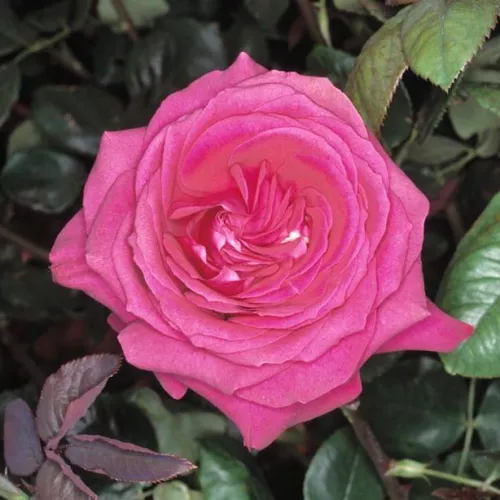
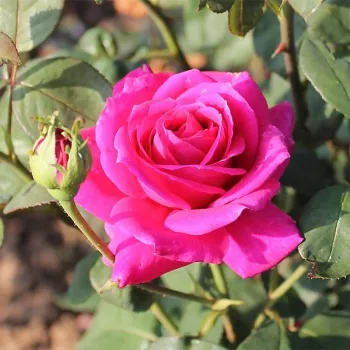
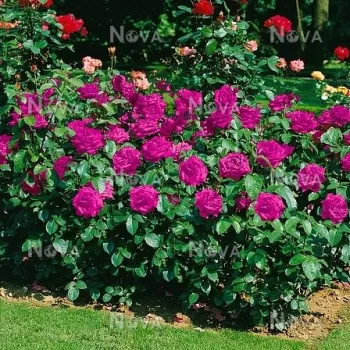
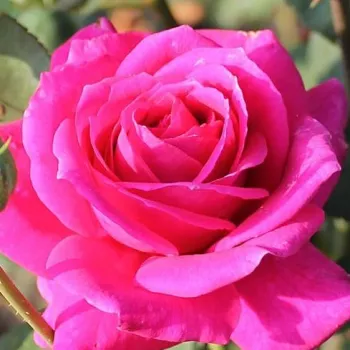
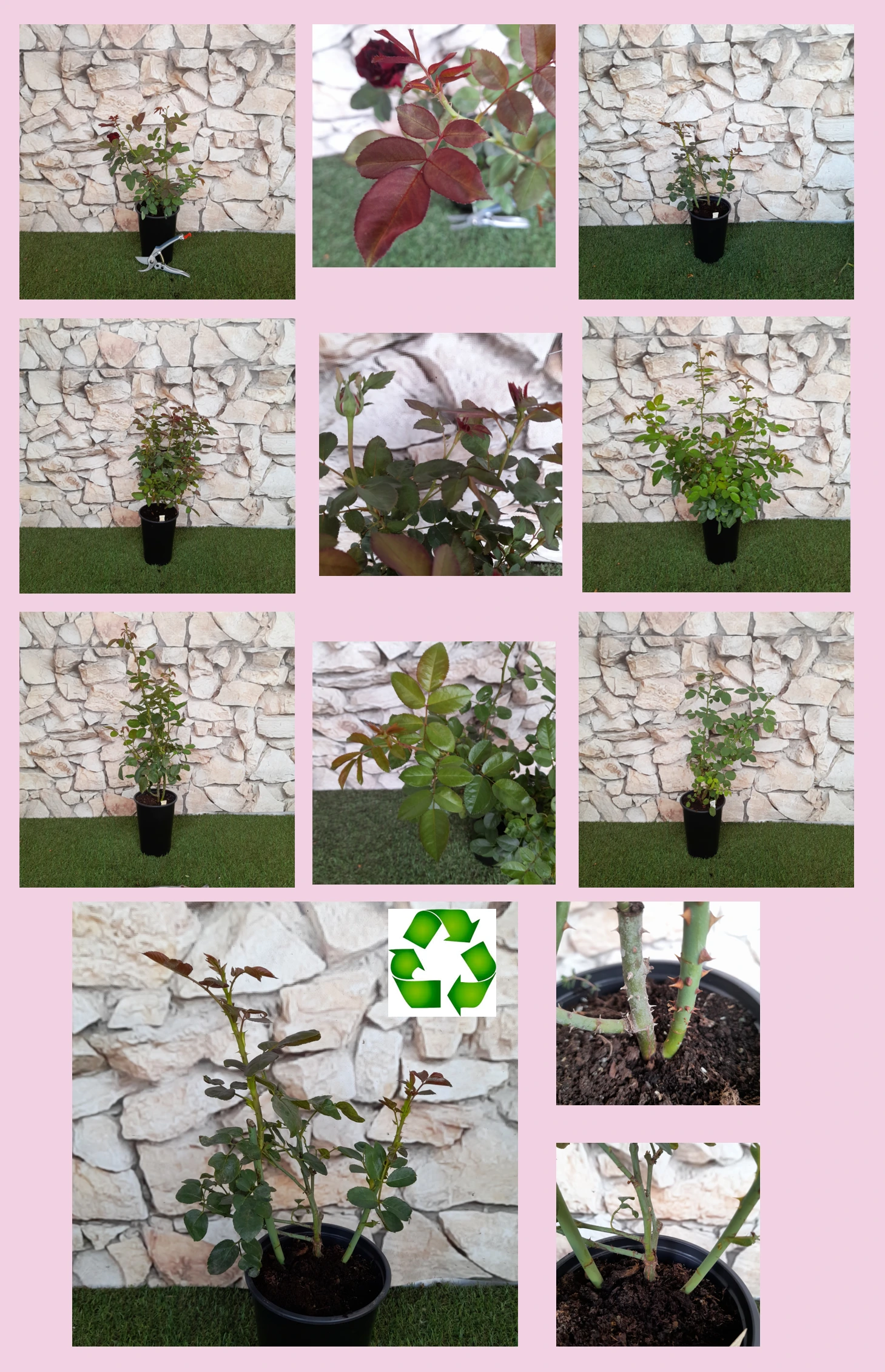
Immerse your garden in a softly romantic atmosphere with NEPTUNE, a mauve‑lilac hybrid tea rose that brings a touch of storybook elegance to everyday life. Bred for strong health and reliable performance, it suits busy gardeners who want luxuriant blooms without demanding routines, even where breezy, rainy weather and heavier soils call for extra resilience and careful drainage. Large, classic, high‑centred flowers unfold in an unusual lavender‑mauve with smoky violet rims, while the strong, citrus‑rose fragrance adds a sense of luxury to afternoon tea under an arbour. Its upright, bushy habit makes it ideal as a centrepiece in a mixed border or as a small group in front of a hedge, blending beautifully into cottage‑style plantings with herbs and perennials. As an own‑root rose it offers reassuring longevity and comes as a well‑established 2‑litre plant, easy to handle and simple to plant, maturing steadily into its full ornamental value over the first few seasons.
Usage options
| Target area | Reasoning |
|---|
| Feature rose by the terrace or seating area |
NEPTUNE’s large, exhibition-style blooms and strong fragrance create a focal point close to where you sit, bringing a romantic, “afternoon tea” feel to patios and small lawns. Own-root vigour supports a long-lived, stable shrub for those planning long-term enjoyment. |
| Cottage-style flowerbed with perennials |
The upright, moderately bushy habit slots easily into mixed borders, giving vertical accents among catmint, hardy geraniums or lavender. Repeat flowering and fade-resistant petals provide continuous colour with minimal deadheading, supporting relaxed gardeners. |
| Specimen planting in a front garden |
As a single specimen by a path or gate, the unusual mauve-lilac colour reads clearly from the street and pairs well with clipped hedging. Strong disease resistance reduces spraying needs, keeping maintenance modest for time-pressed homeowners. |
| Small rose groups in family lawns |
Planting three shrubs in a loose triangle offers generous flowering and structure without overwhelming a modest family lawn. Consistent remontant blooming and good winter hardiness suit those wanting dependable results with simple yearly pruning for casual beginners. |
| Large containers on patios and balconies |
NEPTUNE performs well in big containers when given a quality compost and a pot of at least 40–50 litres. Its upright habit and showy blooms give height and romance in confined spaces, ideal for busy urban gardeners. |
| Cutting bed for home-arranged bouquets |
The high-centred, long-stemmed flowers are excellent for cutting, and the unusual colour plus rich fragrance look refined in jugs and vases indoors. Regular picking encourages further buds, making this a satisfying choice for creative floral enthusiasts. |
| Beds in areas with tricky weather |
Robust disease resistance and good tolerance of variable summers mean the shrub copes well where roses face frequent rain and wind, especially if given well-prepared soil with improved drainage, reassuring cautious buyers. |
| Informal hedge or backdrop row |
Planted at the recommended distances, NEPTUNE forms a loose, flowery line behind lower perennials or along paths. Own-root growth means that, even if stems are cut back by frost or pruning, fresh shoots regenerate reliably, suiting long-term-minded planners. |
Styling ideas
- Cottage-arcade – Underplant NEPTUNE with catmint and lady’s mantle along a path to a seating nook, enhancing a romantic cottage feel – ideal for lovers of traditional English gardens.
- Tea-terrace – Place one or two plants in large containers near outdoor furniture, combined with scented herbs, for a cosy afternoon-tea ambience – perfect for busy urban homeowners.
- Pastel-border – Mix with pale delphiniums, foxgloves and soft pink roses to create a storybook pastel scene – suited to those who enjoy gentle, harmonious colour palettes.
- Statement-gate – Flank a front gate or path with NEPTUNE and low box edging for a graceful welcome – a good choice for families wanting tidy, classic structure.
- Kitchen-companion – Combine with rosemary, chives and low edging plants near a kitchen garden, blending utility with romance – appealing to home cooks who like decorative plots.
Technical cultivar profile
| Parameter | Data |
|---|
| Name and registration |
Hybrid tea rose; registered as WEKhilpurnil, marketed as NEPTUNE – mauve-lilac hybrid tea rose – Tom Carruth; ARS exhibition category hybrid tea, cut flower, bedding rose. |
| Origin and breeding |
Bred by Tom Carruth for Weeks Wholesale Rose Grower, Inc. in the United States; (‘Blueberry Hill’ × ‘Stephen’s Big Purple’) × ‘Blue Nile’; introduced 2003, PBR/PP registrations from 2006. |
| Awards and recognition |
Recipient of the Rose Hills Gold Medal at the Rose Hills International Rose Trials, Whittier, USA, recognising garden performance and strong ornamental value in trial conditions. |
| Growth and structural characteristics |
Hybrid tea shrub with bushy, upright habit and moderately dense, glossy dark green foliage; moderately thorny stems; forms a clump suitable for feature planting or grouped bedding. |
| Flower morphology |
Very large, double, high-centred blooms with 26–39 petals; classic pointed-bud, cut-rose form on stems carrying clusters of 3–5 flowers; remontant, with abundant repeat flowering in season. |
| Colour data and phenology |
Lavender–mauve ground colour with smoky violet-lilac rim; ARS MP, RHS 62C–62D; petals fade only moderately, maintaining a cool mauve tone and distinct edging even in strong sunlight. |
| Fragrance and aroma |
Strong, distinct perfume with rich rose-citrus and mild fruity notes; showy, scented flowers attract bees and butterflies, though forage is limited by the very double petal count. |
| Hip characteristics |
Small hips with a maximum diameter of approximately 5–10 mm; generally of low ornamental significance and not a primary feature of the cultivar in typical garden use. |
| Resistance and winter hardiness |
Good resistance to powdery mildew, black spot and rust; tolerates heat and moderate drought with regular watering; hardy to about −21 to −18 °C (RHS H6, USDA zone 6b, Swedish zone 3). |
| Horticultural recommendations |
Best in full sun but suitable for partial shade; spacing 40–95 cm depending on use; recommended densities 2.6–2.9 plants/m²; ideal for beds, specimens, hedging, containers and cutting. |
NEPTUNE – mauve-lilac hybrid tea rose – Tom Carruth combines romantic colour, strong fragrance and reliable disease resistance in a long-lived own-root form that rewards patient gardeners with years of effortless beauty; consider it where one special rose will be cherished.