| Cottage-style shrub border beside a seating area |
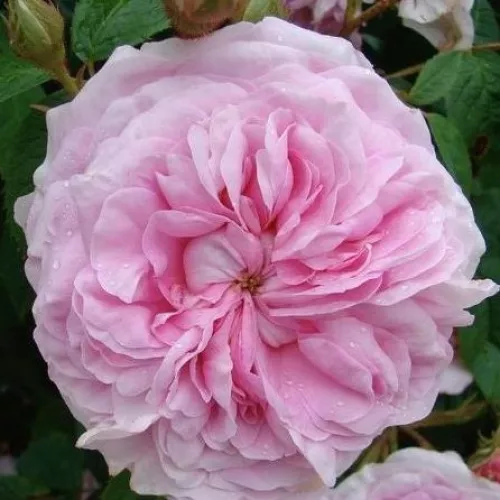
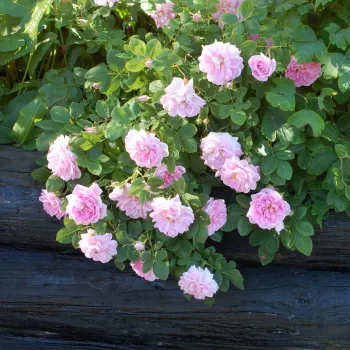
The bushy, slightly arching habit and once-a-year flush of large, very full flowers create a concentrated “rose season” that frames benches, arbours or small patios beautifully, turning everyday seating into a romantic focal point for those who want a traditional cottage feel but only occasional pruning and shaping, busy family gardeners |
| Long-lived flowering hedge along a boundary |
Height of around 140–200 cm and good spread make it ideal for a soft, flowering hedge that offers privacy in summer and a structured, twiggy outline in winter, with own-root growth helping the hedge regenerate from the base over decades and recover well if individual stems are damaged, homeowners seeking lasting structure |
| Feature shrub in a small to medium lawn |
Planted as a single specimen with clear space around it, this rose forms a rounded, gently arching shrub that reads as a “small flowering tree”, giving a strong focal point without needing intricate pruning; you simply tidy the outline after flowering each year to keep its romantic shape, beginners wanting impact |
| Relaxed mixed border with perennials and herbs |
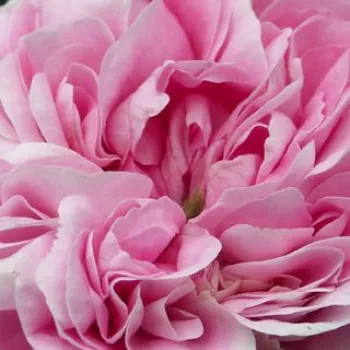
The soft medium-pink rosettes and grey-green foliage blend easily with lavenders, catmint and cottage perennials, so you can build an informal English countryside look while relying on the shrub’s stable size and repeated annual flowering to anchor the border, rather than constantly replanting shorter-lived perennials, lovers of cottage style |
| Lightly shaded corner or north-east facing strip |
Its tolerance of partial shade allows planting where many roses sulk, such as the side of a house or the dappled edge of a small tree, giving you scented blooms and a structured shrub where other options might be limited, without needing specialist pruning beyond an annual tidy after flowering, urban gardeners with tricky aspects |
| Informal, traditional-style rose hedge around a kitchen garden |
The historic character and soft pink colour sit naturally beside vegetables, fruit bushes and old brick, and the occasional small orange-red hips add seasonal interest; planted at typical hedge spacing, the own-root plants knit together into a long-lasting, easily rejuvenated line, ideal where you want a gentle boundary more than a formal barrier, owners of rural kitchen gardens |
| Large container on terrace or courtyard (40–50 litres minimum) |
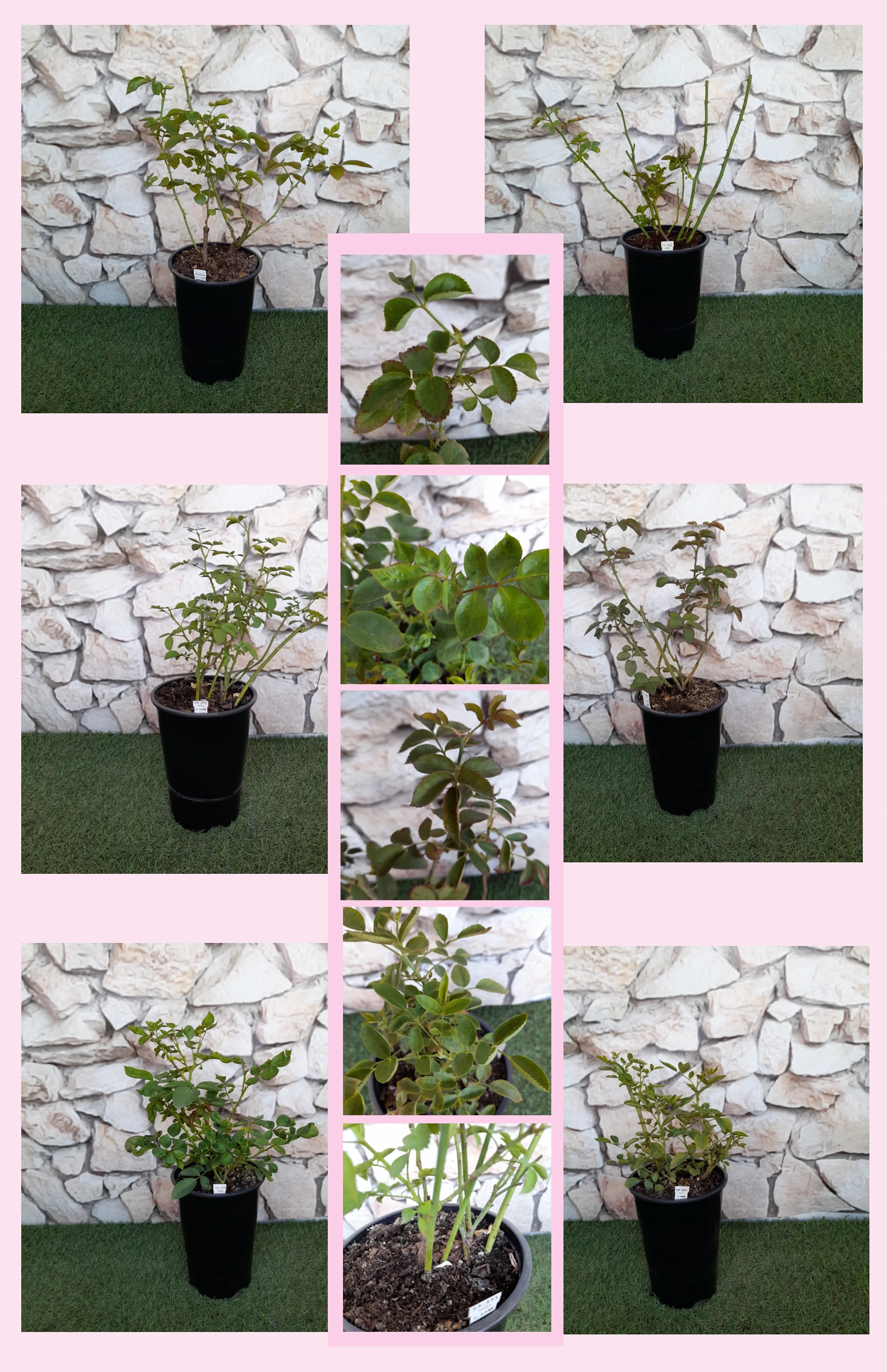
In a generous, well-drained 40–50 litre pot, this rose can bring vintage charm to paved spaces; own-root growth helps it cope with occasional planting errors or damage, and with simple yearly dead-heading and light shaping you enjoy its full flowering season in a contained footprint, balcony and courtyard gardeners |
| Exposed, breezy family garden beds |
Once established on its own roots, the mature framework and anchoring root system help it stand reliably in windy sites while still flowering freely, especially when planted in improved soil with good drainage, making it a stable long-term shrub in real-world British weather, coastal and open-site homeowners |