NEW DAWN – pale pink climbing rose – Bosenberg
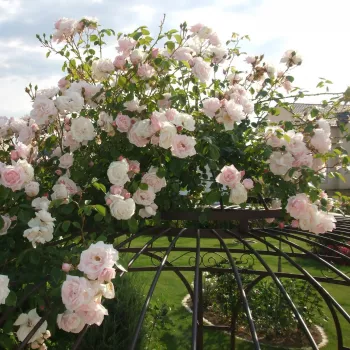
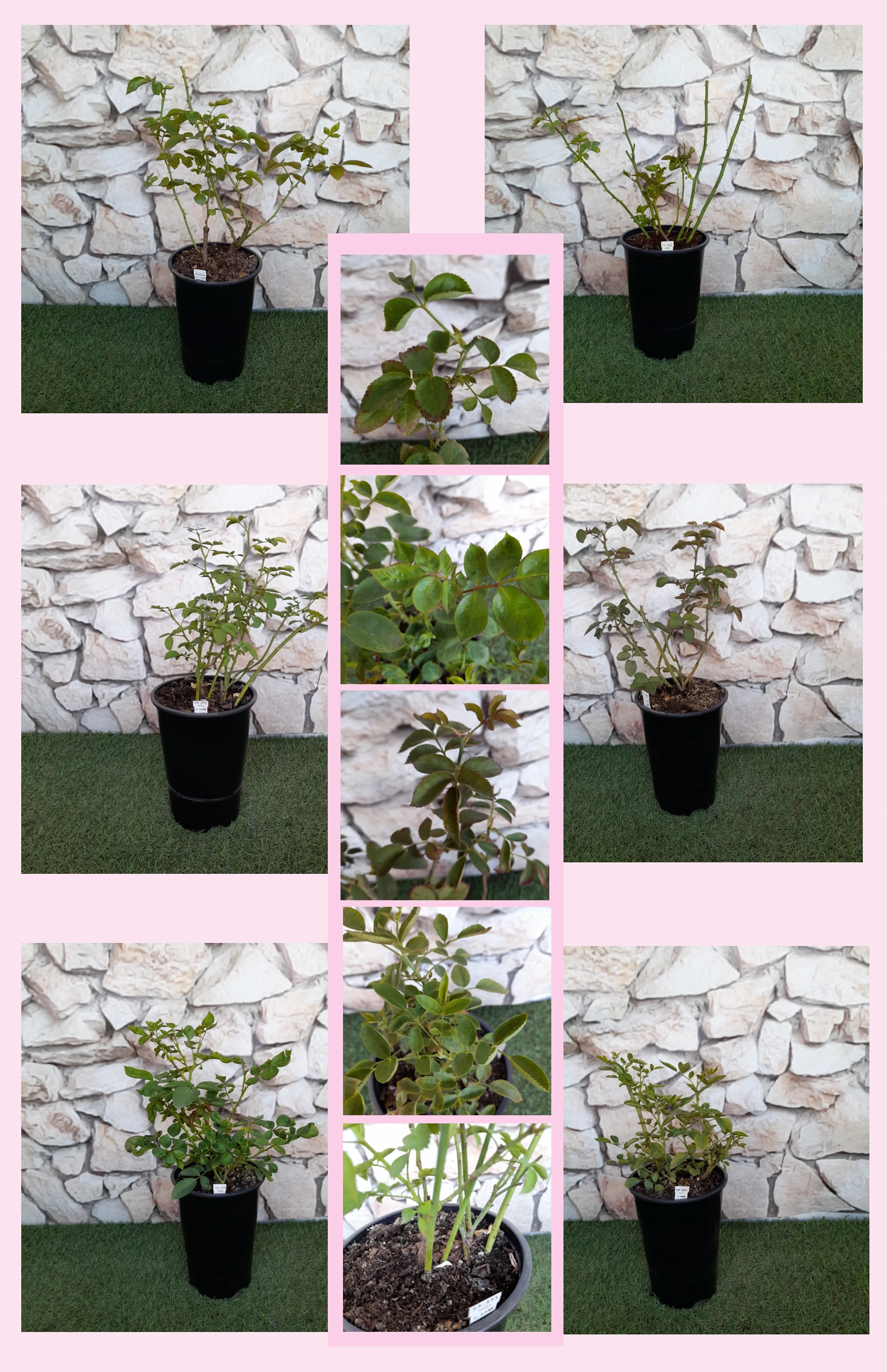
With its softly cascading, pale pink blooms and reliable vigour, New Dawn creates an instant sense of storybook romance around pergolas, fences and house walls, even in gardens that face frequent strong winds and lively coastal weather. This celebrated climber offers generous repeat flowering, so your arch or arbour can host relaxed afternoon tea beneath a curtain of scented petals. On its own roots, it forms a long-lived, stable framework that shrugs off typical family-garden mishaps and regenerates well after pruning or accidental damage. Once planted, its low-maintenance nature and proven disease resistance keep care simple, while its tolerance of partial shade and heat makes positioning more flexible in busy urban or rural plots. Ideal for large containers of at least 40–50 litres or in well-drained beds, it steadily strengthens year after year – roots in the first season, shoots in the second, full ornamental presence from the third – delivering enduring cottage-garden character with minimal effort.
Usage options
| Target area |
Reasoning |
| Family pergola or arbour for afternoon tea |
New Dawn’s vigorous climbing habit and repeat-flowering nature quickly cloak an arbour in soft, shell-pink blooms with a fresh, fruity fragrance, giving a cosy, romantic backdrop that remains manageable with light annual pruning for beginners. |
| House wall or garage elevation |
The tall, flexible canes train easily on wires or trellis, forming a long-lived framework that copes well with UK winters and heat, while own-root growth means it recovers strongly from renovation pruning, suiting busy homeowners. |
| Fenceline screen between neighbouring gardens |
Planted at the recommended spacing, it creates a softly screening, flower-laden boundary; the moderate thorniness discourages passage without being unmanageable, ideal for adding privacy and charm along a shared fence for families. |
| Large container on terrace, patio or balcony |
In a 40–50 litre or larger container with a sturdy obelisk, its controlled vigour, repeat flowering and moderate maintenance make it a dependable vertical accent where border space is limited, suiting time-pressed urban gardeners. |
| Partial-shade side path or north-east aspect |
This variety tolerates partial shade, still flowering well on a lightly sunlit wall or arch, so awkward side passages and less-than-ideal aspects can gain cottage-garden charm without demanding intensive care from casual gardeners. |
| Coastal or exposed suburban garden |
Its robust framework and reliable hardiness cope with brisk breezes and unsettled conditions, giving enduring structure and bloom in gardens that often experience strong onshore winds and changeable weather for coastal-plain owners. |
| Traditional cottage-style mixed border backdrop |
Trained on posts, arches or a simple frame behind perennials, New Dawn’s pastel colour, moderate leaf density and double, self-cleaning flowers blend easily with classic cottage companions while keeping upkeep light for style-focused buyers. |
| Low-intervention long-term feature in a family garden |
Earth-Kind and AGM recognition underline its durability and disease tolerance; on its own roots it forms a stable, renewing plant that offers consistent ornamental value over many years with minimal spraying, ideal for low-input households. |
Styling ideas
- Cottage Archway – Train New Dawn over a simple timber arch, underplant with catmint and lavender cotton for a frothy, scented entrance – perfect for romantic cottage-garden enthusiasts.
- Pastel Pergola – Combine New Dawn on the posts with white clematis threads and airy baby’s breath at ground level – suited to those wanting a soft, storybook pergola for relaxed family gatherings.
- Shady Side Walk – Use along a partially shaded side path, with evergreen dwarf honeysuckle as groundcover – ideal for homeowners turning a forgotten side return into a gentle, low-care passage.
- Elegant Screen – Create a flowering screen on tensioned wires along a boundary, backed by clipped evergreen hedging – good for families seeking privacy with a traditional, tidy look.
- Terrace Statement – Plant in a 50-litre container with an obelisk, surrounded by herbs in smaller pots – attractive for busy urban gardeners wanting height and romance without major landscaping.
Technical cultivar profile
| Parameter |
Data |
| Name and registration |
Large-flowered climbing rose, registered as New Dawn, also traded as New Dawn Climbing rose New Dawn; ARS approved exhibition name New Dawn; unregistered cultivar in formal registration terms. |
| Origin and breeding |
Sport of ‘Dr. W. Van Fleet’, bred by Henry F. Bosenberg at Somerset Rose Nursery, New Jersey, USA; introduced around 1930 and since widely distributed internationally in many climates. |
| Awards and recognition |
Holds the RHS Award of Garden Merit, Earth-Kind certification from Texas A&M University, and is listed as a World Federation of Rose Societies World’s Favourite Rose / Hall of Fame (1997). |
| Growth and structural characteristics |
Vigorous climber with moderately dense, mid-green, lightly glossy foliage; height about 320–500 cm and spread 200–320 cm, with moderately thorny canes suitable for arches, walls and pergolas. |
| Flower morphology |
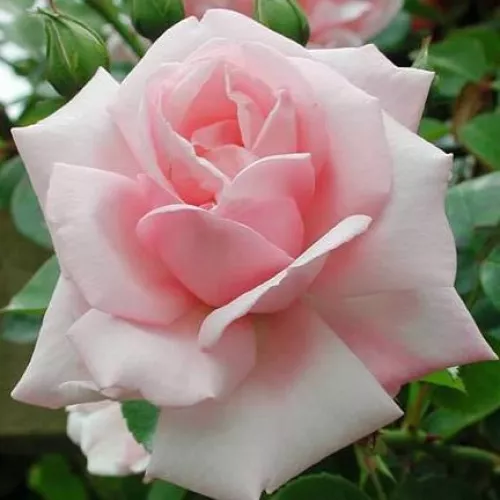
Large, double, cup-shaped blooms with 26–39 petals, typically borne singly; flower size about 7–10 cm, with good repeat flowering and a particularly abundant second flush in favourable seasons. |
| Colour data and phenology |
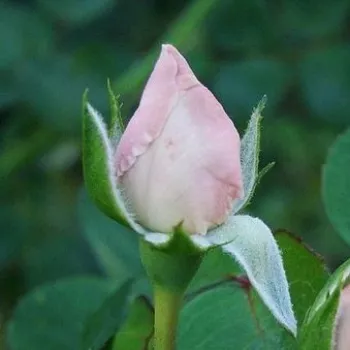
Pale, pearlescent shell-pink (RHS 65C–65D) when opening, fading to very light pink and almost white; colour lasts longer in cool conditions, fading faster in strong sun over an extended flowering period. |
| Fragrance and aroma |
Fresh, fruity scent of moderately strong intensity, clearly noticeable around structures when in full bloom; primarily ornamental flowers with limited pollinator access due to the fuller petal arrangement. |
| Hip characteristics |
Produces small quantities of ellipsoidal orange-red hips about 12–18 mm across, offering modest late-season ornamental interest if spent blooms are not regularly deadheaded or heavily pruned. |
| Resistance and winter hardiness |
Good overall disease resistance with notable tolerance to powdery mildew and rust, moderate for black spot; winter hardy to about −26 to −23 °C (RHS H7, USDA 5b, Swedish zone 4) with normal care. |
| Horticultural recommendations |
Best used as a climber on pergolas, arches, fences or walls; plant 240–400 cm apart depending on effect; low maintenance needs, occasional pruning and possible black spot treatment in humid seasons. |
New Dawn combines romantic repeat-flowering height, proven resilience and long-lived own-root reliability, making it a graceful choice for those seeking enduring cottage-garden charm with straightforward care.