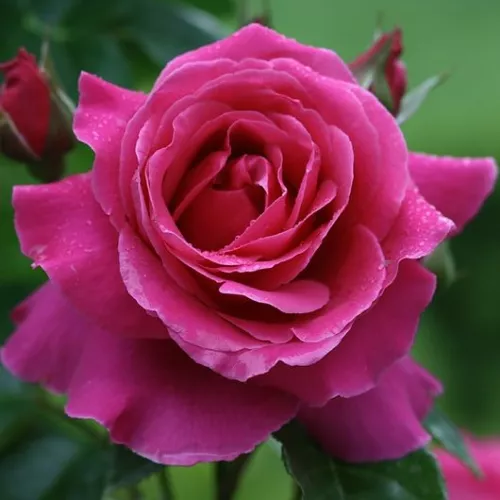
NAOMI™ – deep pink nostalgia rose – Olesen
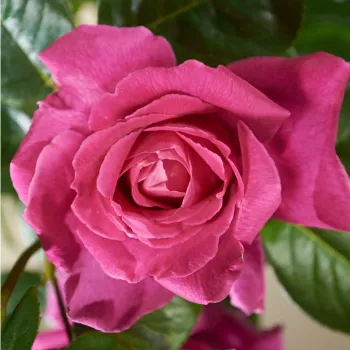
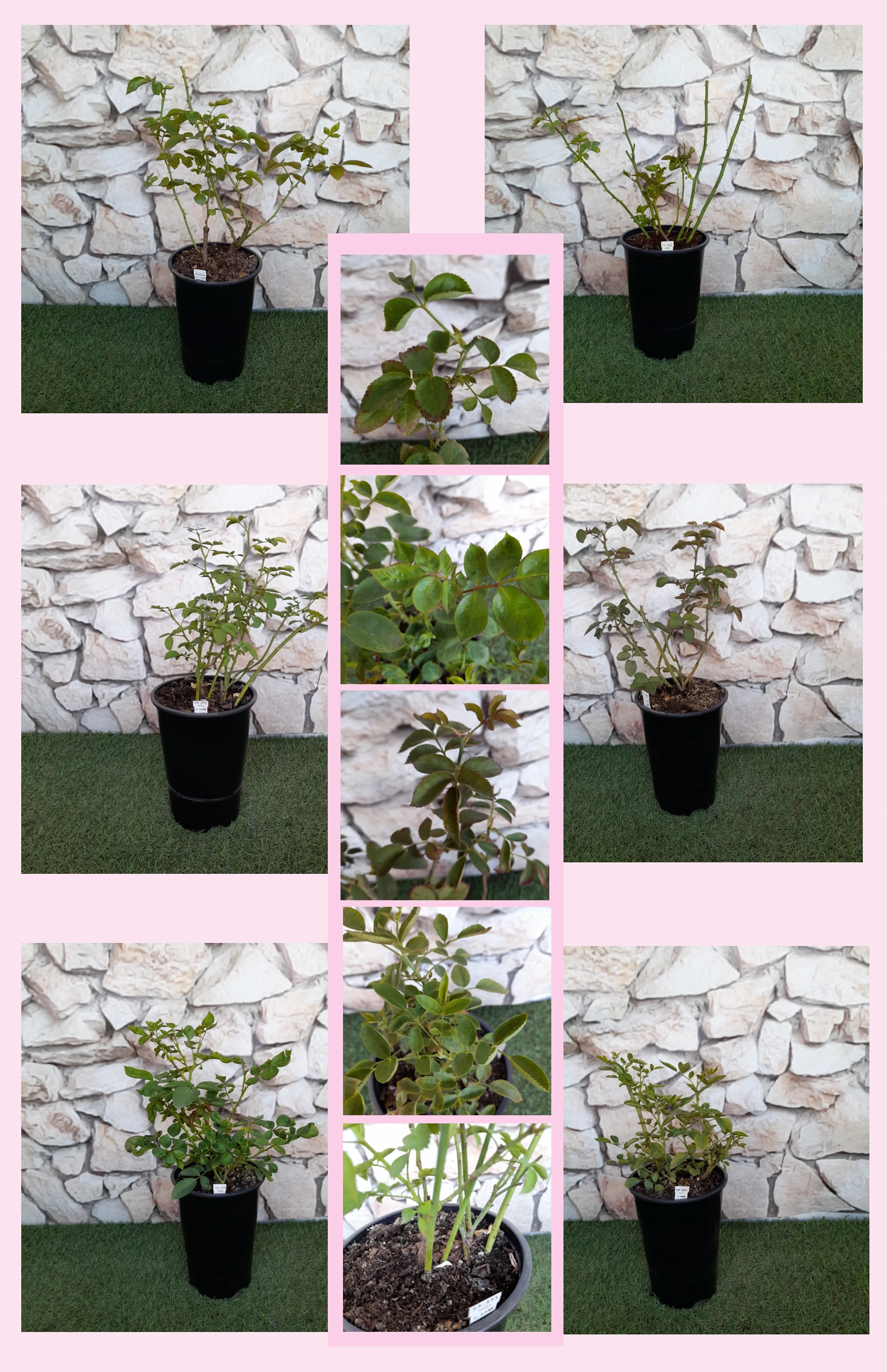
Imagine late-summer afternoons in a small family garden, the air filled with a fragrance so classic and strong it drifts across the lawn, while clusters of flowers in deep, storybook pink sit against dark, glossy foliage. Naomi™ settles happily into typical British conditions, even where breezy plots mean you must also consider stronger anchoring in more exposed, wind-swept sites. As an own-root shrub, it is bred for a long garden life, quietly building its root system, then framework, then full show so that by about the third year you enjoy its complete ornamental presence. Perfect for cottage borders, edging paths, or near a terrace where its scent can be appreciated during relaxed tea-time moments.
Usage options
| Target area | Reasoning |
|---|
| Central feature in a cottage-style flower bed |
Its bushy 110–160 cm habit and dense, dark green foliage give enough structure to anchor a mixed border, while large, rosette blooms in deep pink create a nostalgic focal point through repeated summer flushes for lovers of romantic cottage borders |
| Perfumed seating area near terrace or arbour |
The very strong, classic rose scent carries on still evenings, especially when planted close to benches, pergolas or outdoor dining spots, turning routine tea or supper into an atmospheric experience for gardeners who value evening fragrance |
| Small hedge or boundary accent |
Planted 60–70 cm apart, Naomi™ forms a low, bushy line with rich foliage and clustered blooms that gently define paths or garden rooms without feeling formal, ideal for soft, child-friendly edges for families wanting informal structure |
| Feature rose in mixed shrub planting |
Its medium maintenance needs and robust, own-root growth suit busy gardeners; once established, the shrub offers dependable flowering and good cold hardiness down to about –20 °C within an easy-care mixed scheme for homeowners seeking reliability |
| Large container on patio or front garden |
Given a 40–50 litre pot with good drainage, this variety’s upright, bushy form and repeat blooms provide long-season colour close to the door, with manageable height and simple pruning for urban gardeners with limited space |
| Rural kitchen-garden border companion |
The romantic deep-pink rosettes partner well with herbs and cottage perennials, adding perfume and colour without overshadowing productive beds, enhancing the traditional kitchen-garden feel for those curating a country look |
| Lightly exposed or breezy family plots |
Once rooted in, the shrub’s sturdy framework and own-root system hold well in gardens that can be gusty, giving a stable, long-term presence even where wind can rattle lighter planting for owners of open, wind-touched sites |
| Long-term investment planting in family gardens |
An own-root Naomi™ is intended as a long-lived feature that quietly develops from a young potted plant into a mature, well-branched shrub, keeping its colour and charm season after season for buyers planning their garden’s future |
Styling ideas
- Tea-terrace romance – Place Naomi™ by a seating nook with lavender and catmint to catch its strong scent on warm afternoons – ideal for fragrance-focused homeowners
- Cottage hedge – Run a loose line along a front path, underplant with creeping phlox and trailing bellflower for soft edging – ideal for families wanting welcoming entrances
- Patio statement – Grow one plant in a 40–50 litre terracotta pot with low euonymus for year-round structure – ideal for urban balcony and courtyard gardeners
- Kitchen-garden charm – Mix Naomi™ with herbs, foxgloves and old-style annuals at the veg-plot edge – ideal for those creating traditional rural kitchen gardens
- Storybook border – Combine its deep-pink rosettes with pastel perennials and airy grasses for a romantic, layered look – ideal for lovers of soft, nostalgic planting
Technical cultivar profile
| Parameter | Data |
|---|
| Name and registration |
Naomi™ Renaissance®, shrub nostalgia rose, registered as Poulren022; American Rose Society exhibition name Naomi; part of the Romantic rose group within the Renaissance® collection. |
| Origin and breeding |
Bred by L. Pernille Olesen at Poulsen Roser A/S, Denmark; breeding completed in 2004, introduced and registered in 2011; parentage not disclosed by the breeder. |
| Awards and recognition |
Highly commended for scent, with fragrance awards at Lyon, Monza and The Hague between 2012 and 2016, plus a first prize at Hradec in 2013, underlining its aromatic garden value. |
| Growth and structural characteristics |
Bushy shrub reaching about 110–160 cm high and 80–130 cm wide, with dense, slightly glossy dark green foliage and moderate thorns; self-cleaning is weak so some deadheading is recommended. |
| Flower morphology |
Very double, large rosette blooms with over 40 petals, borne in clusters of three to five per stem; repeat flowering with an abundant second flush gives extended seasonal display. |
| Colour data and phenology |
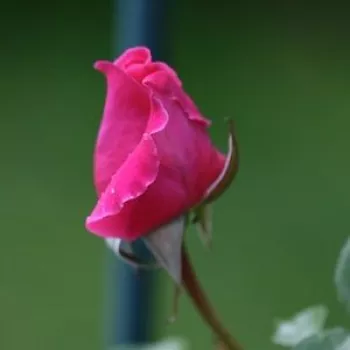
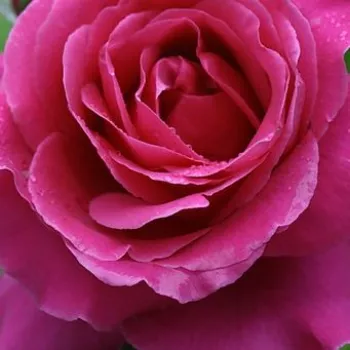
Deep, cool-toned crimson-pink buds open to intense pink blooms, the petal undersides slightly paler; colour lightens only gently to mid-pink while retaining its crimson base tone and very good fade resistance. |
| Fragrance and aroma |
Very strong, classic rose fragrance detectable from a distance, emphasising traditional perfume over pollinator appeal; very double form often covers stamens, making flowers mainly ornamental. |
| Hip characteristics |
Hip set is generally poor due to the very double flowers; where present, expect small, 10–15 mm, ovoid, orange-red hips that add a modest late-season accent. |
| Resistance and winter hardiness |
Rated H7 with USDA zone 6b and Swedish zone 3 hardiness; tolerates typical UK winters, with medium resistance to black spot, powdery mildew and rust, and moderate tolerance of heat and drought. |
| Horticultural recommendations |
Best in full sun with well-drained soil; plant 70 cm apart in beds, 60 cm for hedging, 110 cm as specimen; occasional disease checks, watering during prolonged dry spells and periodic deadheading maintain performance. |
Naomi™ Renaissance® brings richly scented deep-pink clusters, dependable repeat flowering and a long-lived own-root shrub presence; consider it as a lasting, characterful feature when planning your garden’s next addition.