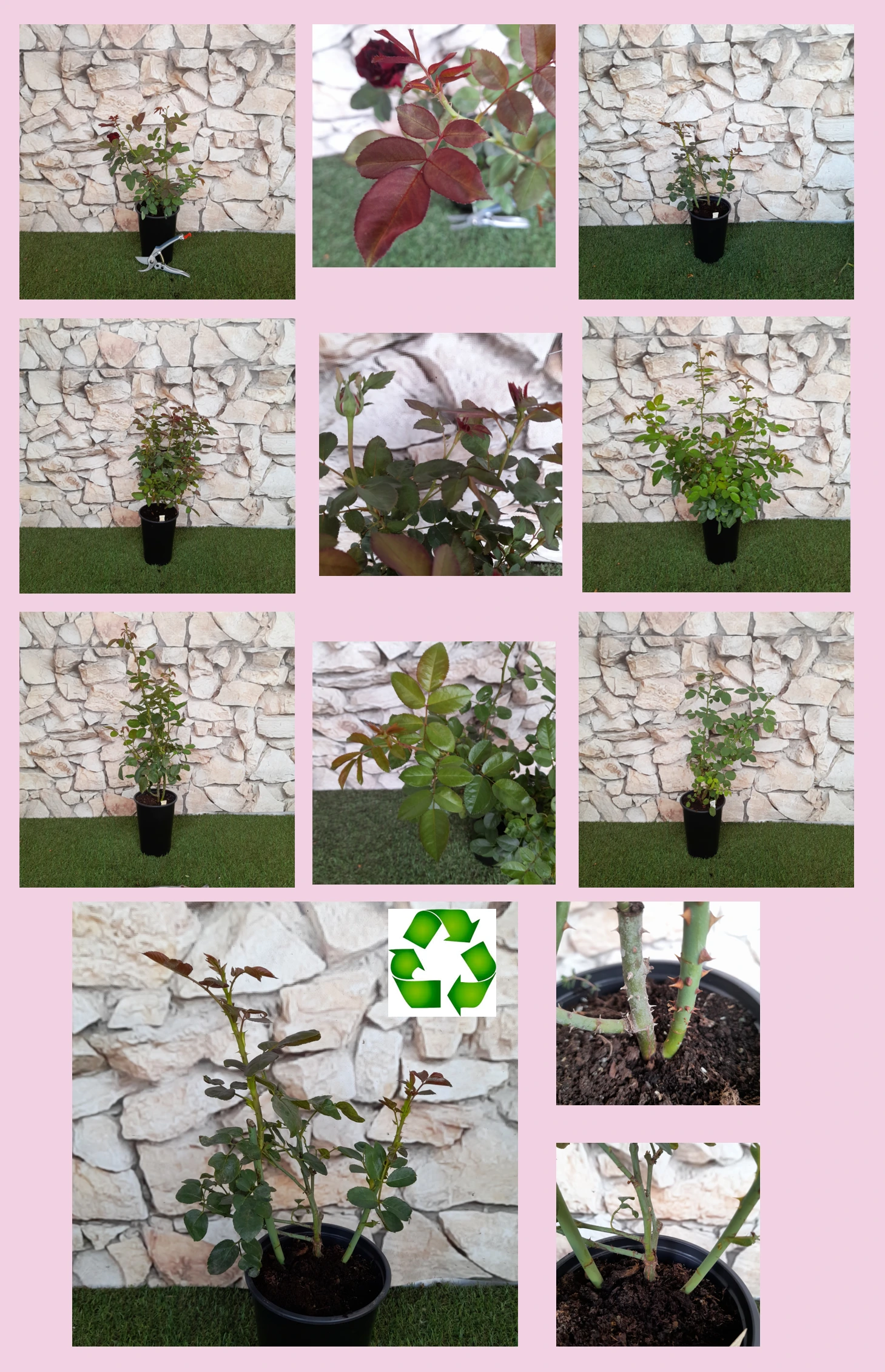
NADIA ZEROUALI™ – yellow bedding floribunda rose
Evoking the charm of country afternoons, NADIA ZEROUALI™ fills a family garden with romantic clusters of pastel-yellow blooms, ideal for relaxed afternoon teas and cottage-style borders. Its bushy, upright habit suits modest UK beds and patios, while the strong, citrus-fresh fragrance lends itself both to scented corners and to cutting a few stems for small jugs indoors. As an own-root rose, it offers reassuring longevity, regrowing dependably from the base and keeping a stable look even after harder winters. In breezier or coastal spots you benefit from a naturally compact plant that anchors well in the soil, especially if planted into improved clay or raised beds. Medium maintenance means simple seasonal checks rather than constant fuss, so you can enjoy generous flowering flushes with only light pruning. Over time, it settles into the garden scene, with roots establishing first, then stronger top growth, and by the third season delivering its full ornamental impact in beds, low hedges, or larger containers.
Usage options
| Target area | Reasoning |
|---|
| Front-of-border cottage bed |
The bushy, upright habit to around 70–100 cm forms a neat front or mid-border line that does not overpower a small family garden. Its compact spread makes it easy to weave between perennials in a relaxed cottage scheme, ideal for beginners who want structure without rigid formality for cottage-style enthusiasts. |
| Low flowering hedge along a path |
Recommended planting distances of 30–35 cm allow you to create a soft edging hedge that reads as a continuous band of creamy-yellow flowers. The moderately thorny stems still feel manageable, and the own-root base means gaps are less likely over time, suiting those planning long-lived path or driveway borders for traditional garden planners. |
| Family patio in large containers |
Its moderate height and bushy framework work well in 40–50 litre pots on patios or terraces, where the strong, citrusy fragrance can be enjoyed up close. Own-root resilience makes long-term container culture more forgiving, with simple renewal pruning keeping the plant shapely, particularly useful for busy urban or courtyard gardeners. |
| Kitchen garden with edible flowers |
As an edible floribunda in the Taste of Love® collection, its fully double, pastel-yellow blooms offer decorative petals for topping puddings, salads, and drinks. The remontant flowering provides repeated harvests of petals through the season, suiting home cooks who like to step outside for fresh garnishes for keen home cooks and bakers. |
| Mixed cottage border with perennials |
Cluster-flowered heads in soft lemon-to-cream tones blend easily with plants such as Liatris, calamint, and pincushion flower, creating a gentle, “girly” English-countryside palette. Medium disease resistance pairs well with other robust cottage plants, allowing a relaxed, low-stress maintenance style for lovers of romantic cottage planting. |
| Small family garden focal group |
Planted in small groups at the suggested densities, this variety forms a rounded, eye-catching flower mass without demanding expert pruning. The gradual development from establishing roots, to stronger shoots, to full picture over three seasons helps new gardeners plan realistic expectations in compact plots for new or time-poor gardeners. |
| Sheltered coastal or windy spots |
The compact, moderately dense framework anchors well and is less likely to rock in wind than taller roses, especially when set into improved, well-drained soil in raised beds. This helps maintain an even hedge or border line in gardens facing regular breezes near open countryside for householders in breezier locations. |
| Cutting for small indoor arrangements |
Medium-sized, very full, cup-shaped clusters lend themselves to short-stemmed jugs and table vases, bringing their strong, citrus scent indoors. Regular light cutting encourages fresh shoots and repeat blooming, integrating flower arranging into routine care in family homes that enjoy simple, seasonal indoor flowers. |
Styling ideas
- Kitchen-table charm – Mass plant near a back door or kitchen window, then cut a few stems for jam jars on the table; ideal for home cooks who like ingredients and decoration just outside the door.
- Cottage-hedge ribbon – Use close spacing along a path to form a creamy-yellow, knee-high hedge, underplanting with low herbs for scent; perfect for families wanting a romantic look without tall shrubs.
- Patio-tea corner – Grow in a 40–50 litre pot beside a bistro set to enjoy fragrance during afternoon tea; suits balcony or terrace owners seeking a single, reliable focal rose.
- Soft-pastel border – Combine with lilac pincushion flowers and airy calamint to create a feminine, storybook border with gentle movement; for gardeners who favour light, pastel planting schemes.
- Edible-romance bed – Place in a kitchen garden bed with chives, violas, and herbs, using the petals as pretty garnishes; ideal for those who love linking home-grown produce with relaxed entertaining.
Technical cultivar profile
| Property | Data |
|---|
| Name and registration |
Edible floribunda shrub rose from the Taste of Love® collection; registered as BOZedib021, marketed as Nadia Zerouali™ Taste of Love® BOZedib021 for garden and culinary use. |
| Origin and breeding |
Bred by Biljana Božanić Tanjga for PhenoGeno Roses d.o.o. in Serbia; EU PBR 61768 registered in 2022 and introduced after 2022 as a modern edible floribunda rose selection. |
| Growth and structural characteristics |
Bushy, upright shrub reaching about 70–100 cm high and 40–60 cm wide, with moderately dense, glossy dark green foliage and moderate prickliness, forming a compact, easy-to-place bedding or container plant. |
| Flower morphology |
Medium-sized, very full, cup-shaped, cluster-flowered blooms with over 40 petals; remontant flowering with a generous second flush, providing repeated garden colour and edible petals through the season. |
| Colour data and phenology |
Pale creamy yellow overall; buds light lemon with greenish tips, blooms opening pastel yellow, then creamy, finally almost butter-white before fading, giving gentle tonal variation over the life of each flower. |
| Fragrance and aroma |
Strong, well-pronounced fragrance with a fresh, citrusy character that is evident both outdoors and in small indoor arrangements, adding sensory interest for seating areas and culinary presentation. |
| Hip characteristics |
Occasional spherical hips, around 6–10 mm, orange-red when ripe; more ornamental than productive, adding a light seasonal accent in late season without dominating the plant’s overall appearance. |
| Resistance and winter hardiness |
Moderate resistance to powdery mildew, black spot, and rust, with routine monitoring advised; hardy approximately to −21 to −18 °C (RHS H7, Swedish Zone 3, USDA Zone 6b) for typical UK garden conditions. |
| Horticultural recommendations |
Best in beds, low hedging, patios, and large containers; medium maintenance with occasional disease control and light pruning; recommended spacing 30–55 cm depending on use, with 8–9 plants per m² for mass planting. |
NADIA ZEROUALI™ offers softly coloured, fragrant edible blooms on a compact, long-lived own-root shrub that suits hedges, borders, and generous patio containers; a thoughtful choice if you want enduring romance with manageable care.