MOZART'S LADY – pink park rose – Scarman
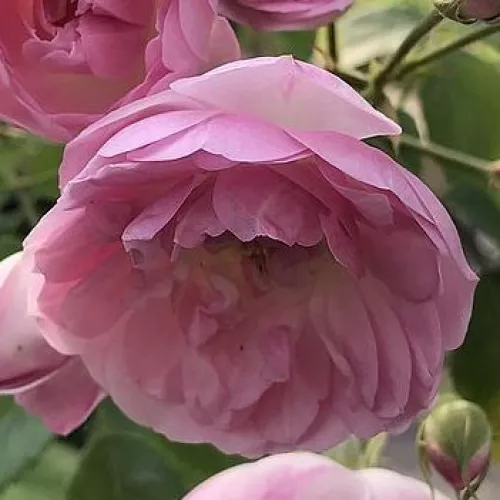
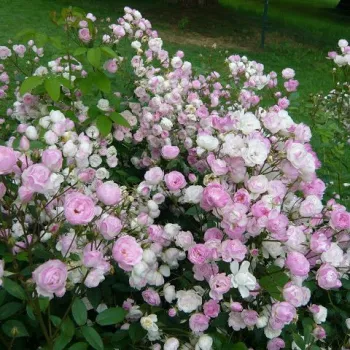
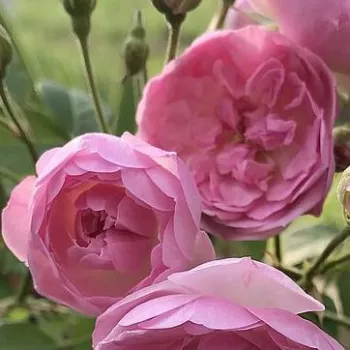
With its camellia-like pompoms and porcelain pink tones, MOZART'S LADY creates a truly romantic focal point for afternoon tea beneath an arbour, even in gardens with challenging coastal breezes and heavier soils that need good drainage or raised beds. This Hybrid Moschata shrub forms a gently upright, moderately dense framework that becomes more structural each season, ideal for cottage-style borders, fences and obelisks in an average family garden. As an own-root rose it develops steadily, first focusing on roots, then building leafy stability, before delivering its full storybook display by the third year, without the worry of suckering or graft failures. The small, ball-shaped blooms open in clusters again and again through summer, bringing a soft, feminine ambience to seating areas and kitchen gardens, while its moderate disease resilience and light pruning needs mean less fuss for busy gardeners. Suitable for partial shade and medium-maintenance regimes, it slips easily into family life, offering long-term reliability rather than fleeting spectacle.
Usage options
| Target area | Reasoning |
|---|
| Cottage-style mixed border in a family garden |
The upright, moderately dense habit and 110–160 cm height give MOZART'S LADY enough presence to act as a storybook anchor in a mixed border without overwhelming nearby perennials. Repeating clusters of small, very double flowers soften the edge of lawns and patios, and the moderate maintenance suits those who want romance without high-effort formality, especially beginner-gardeners. |
| Informal flowering hedge along a path or boundary |
Planted at about 90 cm intervals, this park rose knits into a loose, airy hedge that frames paths and play areas with a gently structured line. Own-root growth offers long lifespan and the ability to regenerate if pruned hard or damaged, so the hedge remains dependable year after year for family-homeowners. |
| Rose arbour, obelisk or light support |
Its upright canes and moderate prickliness make it suitable for tying to an obelisk or slim arch, where the ball-shaped clusters hang at eye level. The delicate, pale pink flowers create a romantic, afternoon-tea atmosphere without aggressive thorns, ideal where children pass close by, appealing to cottage-style-lovers. |
| Feature rose in a raised bed on heavier soils |
On heavier clays, MOZART'S LADY thrives in raised beds or improved planting holes, where its own-root system can anchor deeply and cope with periods of wet, windy weather while still flowering dependably. This makes it reassuring for those gardening on challenging British soils, particularly busy-urban-gardeners. |
| Large containers on terraces or near seating areas |
In a 40–50 litre or larger container with regular watering, this variety forms an elegant, upright shrub that brings romantic character to terraces and small courtyards. The moderate maintenance level and compact flowering clusters suit those who want a long-lived potted rose rather than seasonal bedding, especially balcony-owners. |
| Rural kitchen garden and cutting patch |
The soft, porcelain-pink blooms and neat, ball-shaped flowers lend themselves to short-stemmed posies and table arrangements. While stems are not extra long, the repeat flushes support frequent, informal cutting, integrating beautifully with herbs and vegetables in a traditional kitchen garden for home-florists. |
| Partially shaded corners needing gentle colour |
This rose tolerates partial shade, so it performs well where sun reaches for only part of the day, such as the side of the house or behind a shed. The clusters of pale pink flowers brighten these quieter spots without demanding intense care, making them more welcoming for . |
| Long-term structural planting in a small to medium garden |
As an own-root shrub with H7 hardiness and good heat tolerance, MOZART'S LADY offers reliable structure, repeating flower clusters and minimal rosehip distraction, so the outline stays clean. The plant matures from establishing roots to building framework and full ornamental effect over several seasons, suiting long-term-planners. |
Styling ideas
- Cottage Arbour Glow – Train MOZART'S LADY onto a slim metal arch, underplant with lavender and catmint for scent and movement, perfect for romantic cottage-garden admirers and afternoon tea hosts.
- Porcelain Border Weave – Place as repeating shrubs through a perennial border with foxgloves, hardy geraniums and coral bells to create a soft, storybook rhythm for lovers of classic English borders.
- Kitchen-Garden Posy Row – Line one edge of a vegetable plot with MOZART'S LADY and companion herbs like sage and chives, giving charming cut flowers and structure for rural kitchen-garden families.
- Terrace Statement Pot – Grow a single plant in a 50 litre clay pot with trailing thyme and variegated porcelain vine, ideal for small patios where easy-care romance is wanted near seating.
- Soft Screen Hedge – Use staggered planting along a low fence, interspersed with honeysuckle, to form a light, semi-transparent screen that suits child-friendly, informal family gardens.
Technical cultivar profile
| Parameter | Data |
|---|
| Name and registration |
MOZART'S LADY – pink park rose – Scarman; Hybrid Moschata park / shrub rose, ARS exhibition name Mozart’s Lady, registered 2003, part of the Park - shrub rose collection. |
| Origin and breeding |
Bred by John Scarman in Germany in 2003 from ‘The Lady Scarman’ × ‘Mozart’ (Lambert, 1936); introduced as a romantic park rose for garden and cutting use. |
| Growth and structural characteristics |
Upright shrub reaching about 110–160 cm in height and 80–130 cm spread, moderately dense, slightly thorny, with light green, slightly glossy foliage suited to borders and light training. |
| Flower morphology |
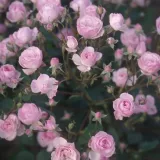
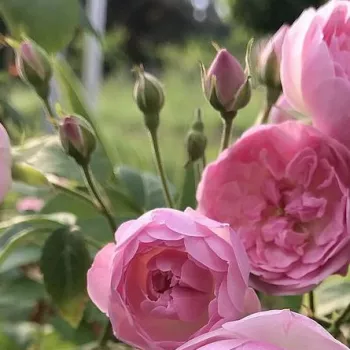
Very double, ball to pompon-shaped flowers, small sized (approx. 0.5–1.5 in), carried in clusters; remontant with abundant second flush, giving repeated cottage-style displays through the season. |
| Colour data and phenology |
Delicate pale pink blooms (RHS 65C outer, 65D inner) opening translucent pink, then fading towards porcelain white; colour fades more quickly in strong sun, overall effect light and refined. |
| Fragrance and aroma |
Fragrance is very weak and barely noticeable, with only a delicately sweet character; primarily chosen for visual, romantic impact rather than for strong scent in garden or cut-flower use. |
| Hip characteristics |
Rosehip set is usually low due to very double flowers; occasional small spherical orange-red hips, around 6–10 mm, may form but generally do not dominate the shrub’s appearance. |
| Resistance and winter hardiness |
Hardy to approximately -21 to -18 °C (RHS H7, USDA 6b, Swedish zone 3); good heat tolerance with watering in drought, black spot resistant, moderate for mildew and rust, medium care level. |
| Horticultural recommendations |
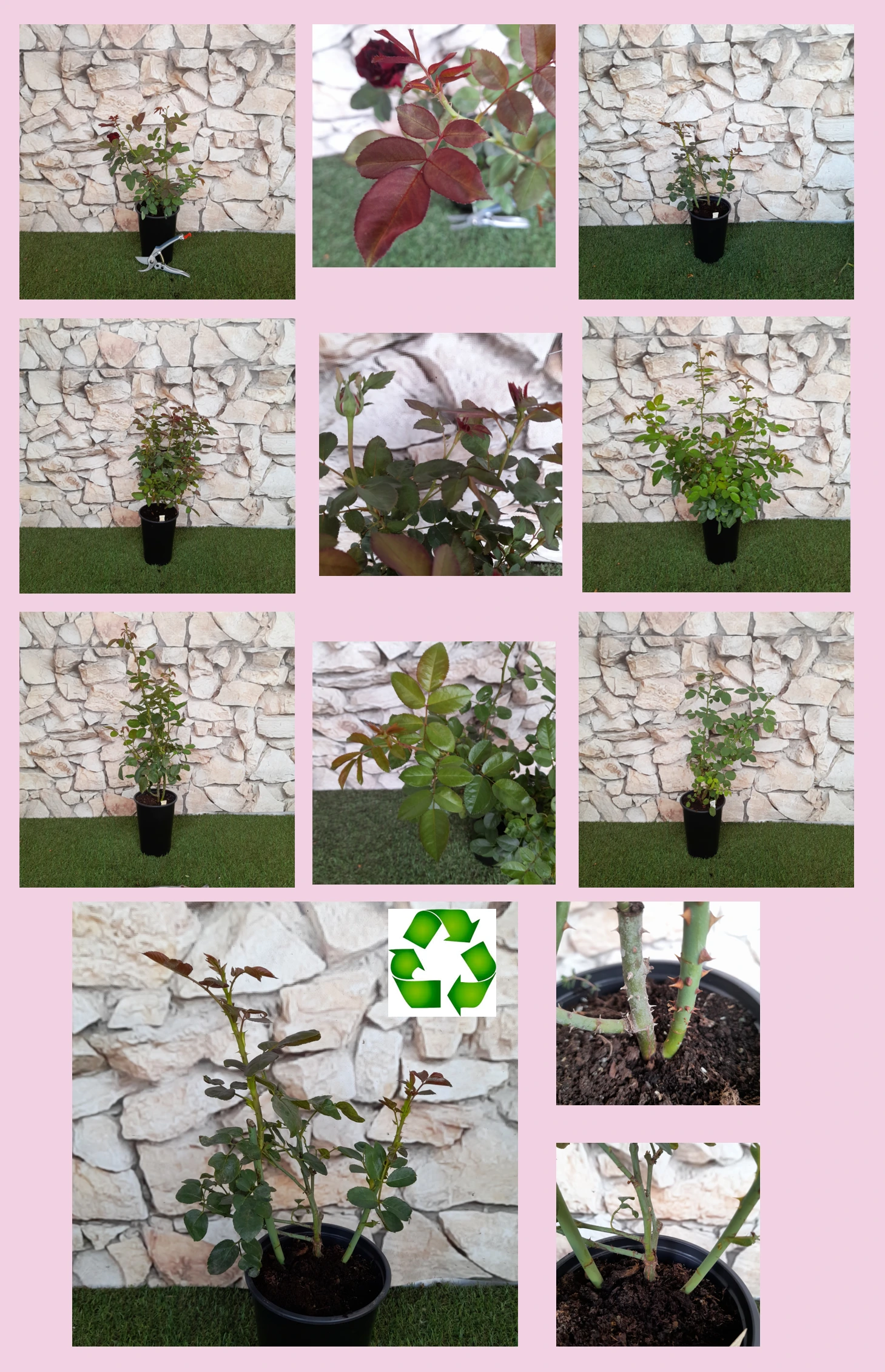
Suitable for borders, containers, fences, obelisks, cut flowers and specimen use; plant 90–100 cm apart for hedging or massing, 180 cm as specimen, partial shade tolerant, own-root in 2-litre containers. |
MOZART'S LADY offers romantic clustered blooms, reliable own-root longevity and adaptable structure for family gardens; a thoughtful choice if you want enduring cottage charm with manageable care.